
Anime
Dungeons & Dragons & Wizards – This Week in Anime


How much of the modern Japanese fantasy genre comes from old computer games? Coop and Lucas find out!
The views and opinions expressed by the participants in this chatlog are not the views of Anime News Network.
Full Disclosure: Coop Bicknell regularly works with MediaOCD and the current incarnation of AnimEigo. His opinions given here are purely his own and do not reflect those of his employers.
Crunchyroll streams Record of Lodoss War, Goblin Slayer, and Dragon Quest: The Adventure of Dai.
Netflix streams Delicious in Dungeon and Dragon Quest: The Adventure of Dai.
Hey, Lucas. Y’know how we were just talking about Dragon Quest references being dime a dozen in most isekai titles? Well, it turns out that the storied video game series and its notable contemporaries are a bedrock of Japanese fantasy on the whole. And strangely enough, there’s a solid chance that the North American anime industry would be looking a lot different these days if Japan never dabbled in a little Wizardry.

© RMOR PROJECT/BIRD STUDIO/KOEI TECMO GAMES/SQUARE ENIX © SUGIYAMA KOBO
I knew slimes were around, but I never expected them to appear quite like that.
Coop, I can’t even believe that the biggest news to come out of last week’s Dragon Quest Direct was that the twelfth installment in the foundational franchise will come out… eventually. This is because 1) I immediately love that sleepy boi and the band of scoundrels he’s running around with, and 2) Dragon Quest and the games it draws inspiration from are so incredibly foundational to most modern Japanese fantasy stories that I’m getting some flavor of Dragon Quest every time I engage with that genre.

© ARMOR PROJECT/BIRD STUDIO/SQUARE ENIX © SUGIYAMA KOBO
Whether they be slimes, storytelling conventions, or even the visual language of these works, I’d love to chat with you today about how titles like Dragon Quest, Wizardry, and Ultima have been influencing what are now generations of authors and creatives in Japan!

© Wizards of the Coast LLC
While D&D certainly wasn’t the only tabletop game on the block back in the mid-to-late 1970s, it most assuredly captured the imaginations of its players. As long as they could imagine it and write down a few details, any would-be dungeon master could craft their own world filled with fascinating characters, cultures, and secrets to be discovered. These concepts eventually crossed-pollinated with the burgeoning game development scene of the time, leading to computer RPGs like Ultima and Wizardry. That’s more or less the condensed version of this story, but if you’re looking for a more dense and nuanced exploration of the history surrounding this scene through the lens of Ultima, I’d recommend checking out Majuular’s extensively researched retrospectives on the series.

© Drecom Co.,Ltd.
As I know quite a bit more about Wizardry than Ultima, thanks to the very good remake that came out in 2024 (and that everyone who cares about the genealogy of the gaming landscape should play) I can personally say that the combat, exploration, and party building feels like a direct digitial approximation out of those same mechanics in a D&D campaign.

© Drecom Co.,Ltd.
Also, while I don’t want to jump ahead too far, this seems like the ideal time to remind folks that the setting and characters in Delicious in Dungeon were all lifted directly out of the Wizardry universe. Seriously, mangaka Ryōko Kui is an admitted huge fan of these games, and everything from the fantasy races to how dungeons work in this universe is informed by these games.

© Ryoko Kui, KADOKAWA/Delicious in Dungeon PARTNERS

© Drecom Co.,Ltd.
And as I alluded to earlier, it’s safe to say that North America’s anime industry owes quite a bit to Wizardry as well. While working on Wizardry IV: The Return of Wernda in the late 80s, Robert Woodhead and Roe Adams III were futzing around with a video board that allowed them to put graphics over video. Adams was apparently a big anime fan and saw the potential uses for this tech, and the popularity of Wizardry in Japan meant that Woodhead was often there on business, so… A little company called AnimEigo popped up. Woodhead writes further about the company’s origins in the Secret History of AnimEigo (as does Justin Sevakis in reference to the company’s recent history under MediaOCD), but this sudden synthesis of interests and opportunity led to the creation of America’s first anime publisher.

© Drecom Co.,Ltd.
Now, did he have to make those early Wizardry games so incredibly difficult that you had to be nothing short of a hardcore RPG sicko to even clear the first couple of floors of its dungeon? I don’t think so, but I can respect the idea that it should be hard for five people to kill an entire dungeon’s worth of fantasy spook-a-dooks.

© HEADGEAR / BANDAI VISUAL / TOHOKUSHINSHA
A follow-up on a Patlabor TV series episode, this adventure sees the SV2 gang venturing into a labyrinthian sewer system in search of a man gone mad. Oh, and there was a huge gator running around, too. However, that’s not the only time an Oshii-related work took notes from Wizardry. A few years back, Oshii sat down with for a discussion with Woodhead and discussed the influence of the series on his work. The anime nerd in me was especially oooing and aaaahing when the director was seemingly thrown off by this little tidbit.

© Drecom Co.,Ltd.
On that note, it’s worth mentioning that I’ve worked on Urusei Yatsura‘s recent Blu-ray releases and with the modern AnimEigo. But man, it’s both cool and a little surreal to even be tangentially related to these classics through degrees of Wizardry.

© Nintendo

© Nintendo
And, to bring it back to Dragon Quest, clearly series creator Yūji Horii understands this as he flat-out acknowledges that Dragon Quest is heavily inspired by both Wizardry and Ultima in a Nintendo Power interview from 2007.

© ARMOR PROJECT/BIRD STUDIO/SPIKE CHUNSOFT/SQUARE ENIX © SUGIYAMA KOBO
I played Dragon Quest III HD-2D when it launched, and I cannot stress enough how much it feels like a Rosetta Stone for RPGs developed in Japan. Seriously, there are ideas in here that would go on to inform everything from Pokémon to FromSoftware‘s Soulsborne micro-genre, and playing it felt like as much an educational experience as an entertaining one.

© AKIRA TORIYAMA DRAGON QUEST ILLUSTRATIONS © 2016 by BIRD STUDIO/SHUEISHA Inc. ©ARMOR PROJECT/BIRD STUDIO/SQUARE ENIX
However, there’s also the 800-Pound Toriyama in the room we’ve yet to mention. With a creator that legendary (and profitable) defining the visual style of a series, I can easily see why Dragon Quest lodged itself inside the imaginations of many players. Even before I knew what a Dragon Quest was, anything in Toriyama’s style would hit me with the fuzzies—memories of being a grade schooler, watching Dragon Ball, and playing Sly Cooper on my PS2.

© ARMOR PROJECT/BIRD STUDIO/SPIKE CHUNSOFT/SQUARE ENIX © SUGIYAMA KOBO
I mean, look at this little goo-ber! He is perfection given shape!
Our collectively perfect son.

© 三条陸、稲田浩司/集英社・ダイの大冒険製作委員会・テレビ東 © SQUARE ENIX CO., LTD.
Though DQ’s shonen influences are likely more a result of the manga Dragon Quest: Adventure of Dai being a wildly popular Jump title in the late 80s through mid ’90s, that never got a fair shake in the US until the recent anime, thanks to Dragon Quest being a relatively niche global franchise until recently.

© 三条陸、稲田浩司/集英社・ダイの大冒険製作委員会・テレビ東 © SQUARE ENIX CO., LTD.
Toei Animation‘s 2020 take on The Adventure of Dai is classic shonen action perfected—not unlike YuYu Hakusho. It’s a simple tale of unlikely heroes coming together to take down a great evil (and his many generals), but it’s immaculately paced and gorgeously animated. It’s one of those shows that occasionally makes me jealous of just how good the kids have it these days. But seeing as the series aired amid the height of the COVID-19 pandemic, I can’t help but be mentally transported back to the dinky apartment I was cooped up in (pun not intended) while watching it.

© 三条陸、稲田浩司/集英社・ダイの大冒険製作委員会・テレビ東 © SQUARE ENIX CO., LTD.
Despite that, Dai also served as something of a warm blanket to crawl back under—a nice reminder of those aforementioned grade school fuzzies in uncertain times. Given that mindset, it makes sense that so many modern Japanese fantasy and light novel authors return to Dragon Quest time and again in their work. I understand the need to channel those feelings into a work of your own. It might result in a flood of incredibly similar stories, but that emotional intentionality still rings true.

© 三条陸、稲田浩司/集英社・ダイの大冒険製作委員会・テレビ東 © SQUARE ENIX CO., LTD.
Even outside of how Dragon Quest set the standard for what a Japanese take on explicitly Western fantasy stories should look and feel like, it crystallized what are now a lot of ubiquitous narrative ideas and I think works like Fairy Tail, Hunter x Hunter, and even the Nier series of video games don’t exist if Dragon Quest doesn’t give them a foundation to build off of.
But just as you said, Lucas, the Japanese fantasy we know, love, and sometimes loathe wouldn’t be here today if it weren’t for the dungeons, dragons, mad overlords, avatars, and slimes that inspired it to begin with. And I’ll be more than happy to raise a mug of grog to them!
>
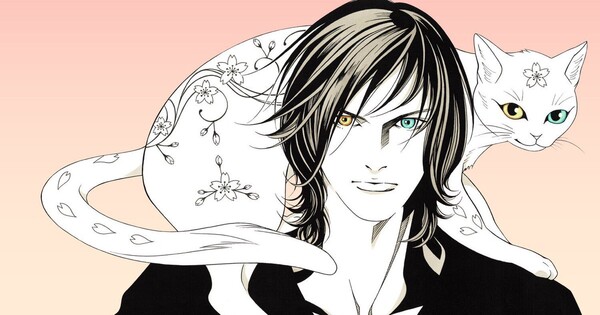
If Cat Day in Japan on February 22 wasn’t enough, Japan gets a second dedicated day to celebrate cats with International Cat Day on August 8. While Cat Day in Japan is primarily a wordplay on the number two (ni) in Japanese sounding like a cat’s meow (nyan), International Cat Day raises awareness on the health and welfare of domestic cats — and the anime and manga worlds are celebrating with their very own cats:
Akira Failing in Love
#世界猫の日 pic.twitter.com/FwnLGBewDC
— 『百瀬アキラの初恋破綻中。』公式 (@momose_hatanchu) August 8, 2026
International Cat Day
Manga panel: Carried away by cats
Black Torch
Happy #InternationalCatDay, hug your closest cat today 🖤🐈⬛ pic.twitter.com/STDPWkHUTl
— BLACK TORCH (@BlackTorch_EN) August 8, 2026
Cyberpunk 2077
Their purrs can cure any bad mood. 🐈
Happy #InternationalCatDay to all the amazing feline companions! 🐱
Show us your favorite cat photo in the comments! 📸 pic.twitter.com/rozKlvLDTB— Cyberpunk 2077 (@CyberpunkGame) August 8, 2026
HIDIVE
Happy #InternationalCatDay 😺
Anime: Too Cute Crisis pic.twitter.com/Yiis3SLo6s
— HIDIVE (@HIDIVEofficial) August 8, 2026
Inherit the Winds
きょうは #世界猫の日 🐈⬛
せかいはねこのものにゃ🌎
▼オリジナルTVアニメーション『風を継ぐもの』PV第1弾https://t.co/cCyh6nEqiN#かぜつぐ #風を継ぐもの pic.twitter.com/3Qg7NtOzv7
— オリジナルTVアニメーション『風を継ぐもの』公式 (@kaze_tsugu) August 8, 2026
Today is International Cat Day🐈⬛
The world belongs to cats🌎
Atsushi Kamijou (To-Y)
8月8日は #世界猫の日 🐈 pic.twitter.com/rtBLUAbZI8
— 上條淳士 (@atsushi19630312) August 8, 2026
August 8 is International Cat Day🐈
8月8日は #世界猫の日 猫清 pic.twitter.com/svwv3G7nXQ
— 上條淳士 (@atsushi19630312) August 8, 2026
August 8 is International Cat Day🐈 blue cat
8月8日は #世界猫の日 ニヤとにあ pic.twitter.com/e16DkFWXNk
— 上條淳士 (@atsushi19630312) August 8, 2026
August 8 is International Cat Day🐈 Niya and Nia
8月8日は #世界猫の日 🐈 pic.twitter.com/eyM4mggYta
— 上條淳士 (@atsushi19630312) August 8, 2026
August 8 is International Cat Day🐈
Yori Katakura (Yakuza vs. Cat)
全ての猫さんが幸せでありますように🐾
#世界猫の日 pic.twitter.com/aVP3qeZsWF
— 片倉 頼📦オヤジとにゃん吉👨🦳🐾🐱1/ 95⃣巻発売!!🐾 (@kata_yoli) August 8, 2026
May all the cats be happy🐾
Mitsuru Kido (Too Cute Crisis)
今日、8月8日は#世界猫の日
世界中の猫さんと飼い主さんが、幸せでありますように。 pic.twitter.com/a2KtLKtLeI
— 城戸みつる (@kidomitsuru) August 7, 2026
Today, August 8 is International Cat Day
May all the cats and their owners around the world be happy.
Kodansha
Have you read JUNJI ITO’S CAT DIARY: YON & MU? Since today is #InternationalCatDay, let these two hauntingly adorable cats brighten your day with a heartwarming touch!#JunjiIto @junjiitofficial pic.twitter.com/NU1icz5jfi
— KODANSHA (@KODANSHA_EN) August 8, 2026
Kojima Production
August 8 is International Cat Day 🐈
Meet the beloved cats of the KJP team 📸#InternationalCatDay #KojimaProductions #CatDay pic.twitter.com/BtTIJVFRvh
— KOJIMA PRODUCTIONS (Eng) (@KojiPro2015_EN) August 8, 2026
Licca-chan
今日は #世界猫の日 ☆
パパのお誕生日パーティーに、
ねこちゃんたちも大集合♪みんなでケーキを囲んで、
とってもにぎやかだニャン♡ pic.twitter.com/ZH2Qx7lfqZ— リカちゃん 公式 *♬ (@bonjour_licca) August 8, 2026
Today is International Cat Day☆
The kitties all gathered for Dad’s birthday party♪
Everyone’s gathered around the cakes, and it’s so lively, meow♡
Pragmata
#プラグマタ の猫はこちらです🐱✨#世界猫の日 pic.twitter.com/CHm0RuFB6F
— 「プラグマタ」公式 (@PRAGMATA_JP) August 8, 2026
Here are the cats from Pragmata🐱✨
Daisuke Sakuma
おてんばシャチちゃん←
やんちゃなツナくん→ pic.twitter.com/wSn4OD0u3V— 佐久間大介 (@SAK_SAK_SAKUMA) August 8, 2026
International Cat Day
Tomboish Shachi-chan←
Mischievous Tuna-kun→
Miki Tori (Anywhere But Here)
#世界猫の日 pic.twitter.com/8jkvK26t76
— TORI MIKI/とり・みき (@videobird) August 8, 2026
International Cat Day
Yajima (Neko oji: Salaryman reincarnated as a kitten!)
#世界猫の日 pic.twitter.com/OVRTmGnwSw
— やじま@ねこおじ7・8巻発売中🐱 (@yajima_en) August 8, 2026
International Cat Day
Did we miss any International Cat Day 2026 greetings? Feel free to let us know in our forums or by email!
>
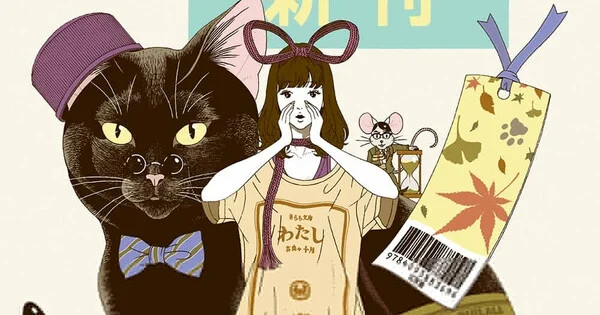
August 8 marks International Cat Day around the world. The International Fund for Animal Welfare created the day in 2002 to raise awareness for cats. Today, the unofficial holiday is run by International Cat Care, which strives to improve the health and welfare of domestic cats. The anime and manga worlds are doing their part to celebrate the holiday with greetings and more:
ANGYAMAN (Red Cat Ramen)
世界猫の日#ラーメン赤猫 #ジャンププラス #世界猫の日
201杯目 https://t.co/QQsBSUrLPp pic.twitter.com/r30ReWOmno— アンギャマン (@ANGYAMAN) August 8, 2026
International Cat Day
Kamen Rider
#世界猫の日 pic.twitter.com/WAQVpDQx9N
— 仮面ライダー公式 (@HKR20_official) August 8, 2026
International Cat Day
Medalist
🐈⛸️✨#世界猫の日#メダリスト pic.twitter.com/wuFRD7rRXl
— 『メダリスト』アニメ公式⛸🏅 (@medalist_PR) August 8, 2026
🐈⛸️✨
International Cat Day
Yūsuke Nakamura
吾輩は #世界猫の日 である。 pic.twitter.com/ozRMot5aDq
— 中村佑介 Yusuke Nakamura (@kazekissa) August 8, 2026
I am International Cat Day.
ぼくも #世界猫の日。 pic.twitter.com/I2q1DvYYIv
— 中村佑介 Yusuke Nakamura (@kazekissa) August 8, 2026
I’m also International Cat Day
Manabu Nii
たきな「…耳、ありますけど?」 pic.twitter.com/cyNm0FZtEd
— 仁井学🍑C108(土)【南2-a28b】 (@aleos696) August 7, 2026
International Cat Day 🐾
Takina: “Thanks for… the ears?”
Nontan
よんだ?#世界猫の日#ノンタンとあそぼ #ノンタン50周年 pic.twitter.com/m3sibHM1it
— 偕成社【公式】 (@kaiseisha_PR) August 7, 2026
Have you read it?
Masami Ōbari
僕のOPアニメーションの特徴的カット
『左上の眩しい何か』を体現する猫ちゃん🐱✨ pic.twitter.com/AnPhVoC13Y
— 大張正己 /Masami Obari (@G1_BARI) August 8, 2026
International Cat Day
A distinctive shot from my opening animation sequences
A kitty that embodies “that dazzling thing from the upper left”🐱✨
Ocha-ken
⠀
猫になりきっての〜んびり🐈#世界猫の日 pic.twitter.com/LzGAJgphPo— お茶犬【公式】 (@ochakenofficial) August 8, 2026
Let’s pretend to be cats and relax~🐈
Oyoneko Boonyan
今日は #世界猫の日
オヨヨを通じて猫のために何か活動できたらいいなと思ってます😺#オヨネコぶーにゃん pic.twitter.com/UMfKUKYHub— オヨネコぶーにゃん【公式】 (@oyoneko0701) August 7, 2026
Today is International Cat Day
We’d love to do something for cats through Oyoyo😺
Red Cat Ramen
\\ \ / //
本日8月8日は
🐈世界猫の日🐈⬛
// / \ \\世界中の猫たちが
幸せでありますように✨皆さんのお気に入りの1枚📸🐾も
ぜひシェアしてください!!TVアニメ『#ラーメン赤猫 其の二』
2027年1月より放送開始🍜#世界猫の日#WorldCatDay#InternationalCatDay pic.twitter.com/VVL60kNEHl— TVアニメ『ラーメン赤猫』公式 (@ramenakaneko) August 8, 2026
\\ \ / //
Today, August 8 is
🐈International Cat Day🐈⬛
// / \ \\
May all the cats around the world be happy✨
Please share your favorite photo 📸🐾 too!!
“Red Cat Ramen Season 2”
Premieres in January 2027🍜
Rui (Usagi no Tsumori no Katatsumuri)
##世界猫の日 pic.twitter.com/A9OYejjZYv
— 類 (@ruuiruiruirui) August 8, 2026
International Cat Day
Umi Sakurai (A Man and His Cat)
本日8月8日は世界猫の日にゃーー🐱🐱🐱❗️❗️
もふもふで世界のみんにゃを幸せにするにゃー✨#世界猫の日 pic.twitter.com/ophysqEERp
— 桜井海@おじ猫17巻発売中! (@sakurai_umi_) August 7, 2026
Toady, August 8, is International Cat Day meow🐱🐱🐱❗️❗️
I’ll make everyone in the world happy with my fluffiness, meow✨
Sega
SEGA & ねこ#世界猫の日 #Internationalcatday pic.twitter.com/98QjUpYFNS
— セガ公式アカウント🦔 (@SEGA_OFFICIAL) August 8, 2026
SEGA & cat
Happy #InternationalCatDay! 😺 https://t.co/28r9MItNBY pic.twitter.com/j5sWElO0kj
— SEGA (@SEGA) August 8, 2026
Shikaruneko
今日は「世界猫の日」だよ!
世界中の猫ちゃんたちが幸せに暮らせますようにっ!!#世界猫の日 #WorldCatDay猫飼いのみなさん、リプ欄で愛猫自慢してってね🐾 pic.twitter.com/KQUOY07YWa
— しかるねこ (@shikaruneko) August 7, 2026
Today is International Cat Day!
Today is “World Cat Day”!
May all the cats around the world live in happiness!!
To all you cat owners out there, show off your beloved cats in the comments section!🐾
Comic: Panel 1: Apparently today is International Cat Day
Panel 2: So, please spend the day playing with cats❤️
Panel 3: Hey! Not all day long! People have busy lives, after all…
Panel 4: Look, look❤️
SNK
今日は #世界猫の日 🐈 pic.twitter.com/JWGsFqz8Q8
— SNK JAPAN (@SNKPofficial_jp) August 8, 2026
Today is International Cat Day 🐈
Did we miss any International Cat Day 2026 greetings? Feel free to let us know in our forums or by email!
>
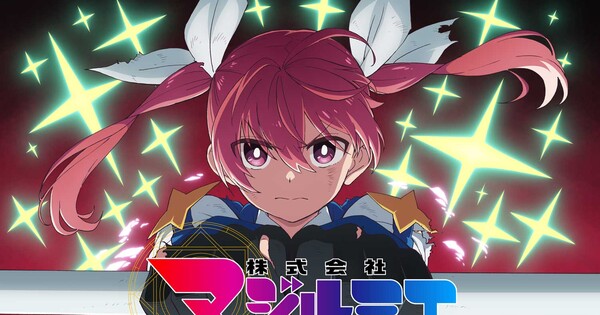
The official website of Magilumiere Magical Girls Inc., the television anime based on Sekka Iwata and Yū Aoki‘s Magilumiere Co. Ltd. (Kabushikigaisha Magilumière) manga, announced on Sunday a new cast member for the second season.
Yusuke Shirai plays Shō Manao, a mysterious, but gentle man without a past or history.


©岩田雪花・青木裕/集英社・マジルミエ製作委員会
Viz Media and MANGA Plus release the manga in English, and Viz Media describes the magical girl workplace story:
Kana Sakuragi is an excellent candidate for the job. Any job! She’s motivated and organized, and has a fantastic memory. So why has she interviewed at over 15 companies without receiving a single offer? She’s trying to keep a positive attitude, but it seems like her bad luck is only getting worse when a monster crashes her latest interview. As havoc ensues, she finds herself helping the magical girl who comes to their rescue and ends up with more than just her life in return. Meet the newest magical girl at Magilumiere Magical Girls Inc.!
The previously announced cast members for the new season are:
Riki Fukushima (Beyblade the Movie: Fierce Battle, Skate-Leading Stars) is the new director of the anime at J.C.STAFF. Michiko Yokote (Prison School, RIN-NE) is the new script supervisor, Masahiro Fujii is returning as the character designer, and Makoto Miyazaki is returning to compose the music.
New staff members for the new season include assistant director Hiroyasu Oda (Delico’s Nursery, Honey Lemon Soda episode director), sound director Yoshikazu Iwanami (Ajin, Ghost in the Shell Arise), art director Shun Yoshii (background art for 2.5 Dimensional Seduction, One-Punch Man season 3), CG director Shunsuke Kasuga (Honey Lemon Soda 3D director), and editor Yūji Kondō (Fate/strange Fake, Sword Art Online: Alicization). First season’s episode color coordinator Asuka Hino is now the new season’s color key artist, and Yūsuke Noguchi, who worked on compositing and cinematography (also known as “photography”) on episodes of the first season, has been promoted to the new season’s compositing director of photography.
VTuber Marine Houshou performs the new ending theme song “BooooM!!!”
syudou×Yūsei Yagi (FANTASTICS) perform the opening theme song “Latte Magic.”
The new season premiered on NTV on July 4 at 24:55 JST (effectively July 5 at 12:55 a.m.).
The first season of the anime aired in Japan from October to December 2024. Amazon Prime Video streamed the anime globally.
Writer Iwata and artist Aoki launched the manga on Shueisha‘s Shonen Jump+ service in October 2021, and ended the manga in its 160th chapter in July 2025. The 18th and final volume shipped on September 4.
Sources: Magilumiere Magical Girls Inc. anime’s website, Comic Natalie
>

Brighton’s squad makeup is shifting this summer – with players at ‘the best football age’

Manchester United have had a quiet transfer window. Which might not be a bad thing

Connections: Sports Edition today: Hints and answers for Aug. 9, 2026, puzzle No. 685
-

 movies3 months ago
Search For Canadian TV Actor Stewart McLean Now Homicide Investigation
-

 Fashion9 years ago
These ’90s fashion trends are making a comeback in 2017
-
Fashion9 years ago
According to Dior Couture, this taboo fashion accessory is back
-
Fashion9 years ago
Model Jocelyn Chew’s Instagram is the best vacation you’ve ever had
-
Fashion9 years ago
Your comprehensive guide to this fall’s biggest trends
-
Fashion9 years ago
9 Celebrities who have spoken out about being photoshopped
-
Fashion9 years ago
Emily Ratajkowski channels back-to-school style
-
Fashion9 years ago
A photo diary of the nightlife scene from LA To Ibiza