Entertainment
How Big Brother Made It to 1,000 Episodes
“Big Brother” will become the first primetime series to reach 1,000 episodes on Thursday, a feat its own creative team struggles to believe — given where things started.
Based on a hit Dutch format and produced by its original creators, “Big Brother” debuted in July 2000 to high expectations, weeks after CBS struck gold with the premiere of “Survivor” and networks were hungry for unscripted shows to compete with MTV’s “The Real World.” The original show followed a group of sequestered strangers living together under constant video surveillance, competing for a life-changing cash prize in real time. Everything that happened inside the house was broadcast in 24/7 live feeds via AOL, with edited footage airing throughout the week. The public voted on which player, or houseguest, to “banish” each week and by summer’s end, also on the winner.
The show debuted to passionate feedback — but not the good kind.
“I expected ‘Big Brother’ to be bigger than ‘Survivor,’ but pride comes before the fall,” host and executive producer Julie Chen Moonves told TheWrap. “[Critics] hated the show. They hated me. They hated the house … there was chatter we might get canceled mid-season.”

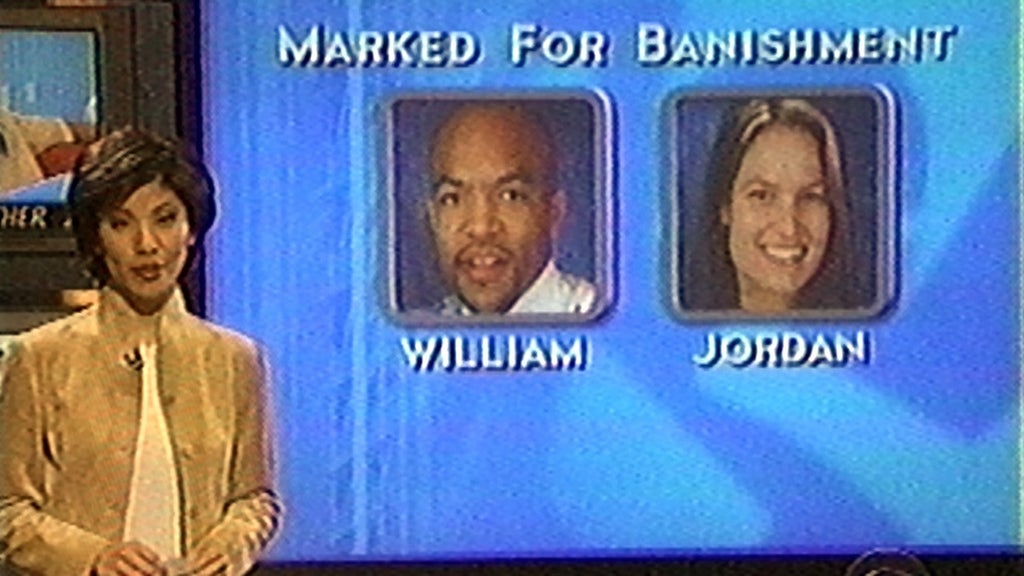
But CBS believed its peculiar social experiment could work with some changes. Upon a Season 2 renewal, the network brought in a new team led by executive producer Allison Grodner, who turned the show into a more strategic game. That season also took voting privileges from viewers and gave it to the houseguests — ensuring social interactions were as important as winning competitions to succeed in the game.
Rich Meehan joined the team in Season 3 and rose to executive producer by Season 5. Together, he and Grodner spearheaded “Big Brother” through more than two decades of evolution, game-changing twists and controversies. Today, it stands alongside “Survivor” and “The Amazing Race” as CBS’ unscripted tentpole franchises — with no sign of stopping anytime soon.
“‘Big Brother’ was the original streaming show when it first premiered with 24/7 live feeds, but with the advent of social media, the show feels more relevant than ever,” Mitch Graham, CBS EVP of alternative programming, told TheWrap. “It’s hard to find new ways to keep the audience and the players on their toes in the 28th season, but [Grodner and Meehan] do it by constantly taking big swings and evolving how they approach the show.”
A remarkable 28 seasons in, “Big Brother” has turned into a summer staple for reality TV fans across the country — the kind of consistency broadcast and cable networks strive for as linear viewership continues to decline. It’s also a big money maker for Paramount. The show generated $25.1 million in streaming revenue for Paramount+ in the U.S. between the first quarter of 2021 and the first quarter of 2026, according to Parrot Analytics. That’s slightly more than “The Amazing Race” at $25 million and more than half the revenue of crown jewel “Survivor,” which recorded $47.5 million in the same period.
“We’re now at the point where it’s entire generations watching, and people auditioning now say they grew up watching with their parents or grandparents,” Grodner told TheWrap. “To still be embraced by the audience and bring in new viewers … It’s crazy to think about.”
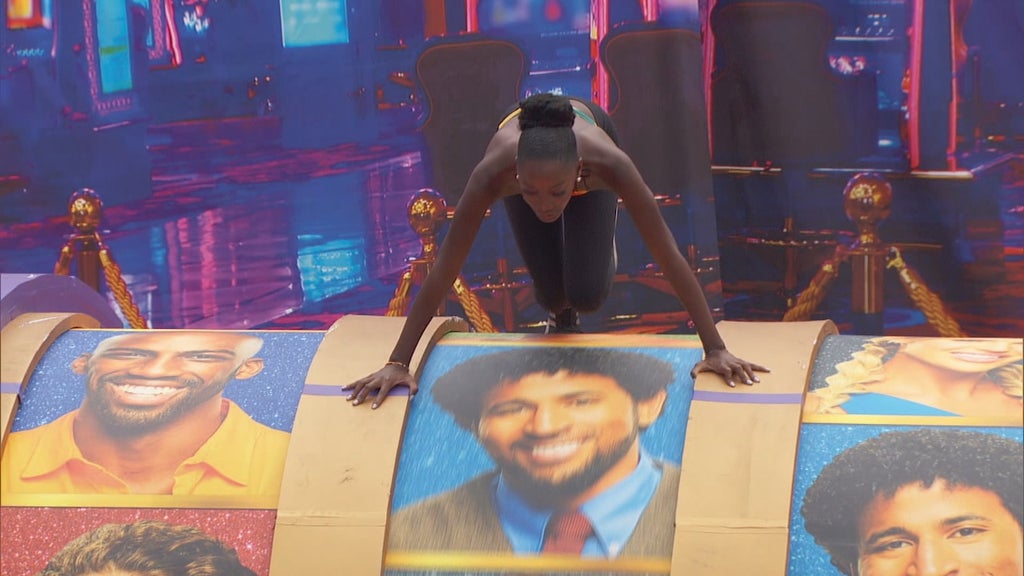
Part of its success, as seen with contemporary shows like “Love Island USA,” is thanks to it occupying several slots on the TV calendar. The show airs three days a week, with an aftershow titled “Big Brother: Unlocked,” adding behind the scenes content and commentary from former winners and fans sporadically throughout the season. And of course there’s the live feeds, which are available 24/7 on Paramount+, Pluto TV and at select times on YouTube starting this year.
It also helps that producers don’t hesitate to shake up the game, ensuring a reliable but surprising journey with every season.
“There’s no doubt we keep making it more and more challenging every single summer,” Grodner said. “We can’t make everyone 100% happy, but hopefully we do enough to make an amazing, entertaining and compelling show that keeps you watching to the very end.”


Like most broadcast shows impacted by a 56% decline in linear viewing since the 2000s, “Big Brother” has seen ratings shift from an average of 7.8 million viewers in its first season, down to around 4 to 5 million multiplatform averages in recent years. But viewership is on the rise. The Season 28 premiere scored 3.9 million viewers, a 22% increase from the year before and its most-watched debut since 2021. The season is averaging 5.21 million seven-day multiplatform viewers per CBS data, a 10% increase year over year.
In minutes watched, CBS says the show is on track to reach 15 billion minutes across linear episodes and the live feeds, a 74% increase from last summer’s 8.6 billion minutes. Social media is also growing, with Season 28 content generating 179 million views so far, up 170% year over year, and official accounts more than doubling their growth from last year, adding more than 138,000 new followers.
It’s easy to credit the surge to “Big Brother” recruiting “Survivor” vets to join the game this season. But as other competition shows like “Love Island USA” and ABC’s “Dancing With the Stars” saw resurgences of their own, it’s clear “Big Brother” benefited from younger generations embracing the joys of communal viewing. And they can brag about doing it first.
“We always say ‘Big Brother’ has been ahead of the curve. We’re ahead of the technology, and that’s what keeps us in the conversation,” Grodner said. “Twenty-six years later, we’re still the only show that dares to stream live.”

Building the game
Though the “Big Brother” game unfolds in real time, the creative team spends months crafting a season’s trajectory, long before locking in its cast. That helps ensure competitions are ready to go and twists are in place to shake things up throughout its typical three-month run, while keeping the houseguests on an even playing field.
Season 28 introduced a “time travel” theme, recruiting former houseguests and winners to host competitions in different time periods — like a futuristic puzzle set in the distant future, or a game of deception set in the British Regency era. One highlight from the premiere included Season 13 winner and reality icon Rachel Reilly returning to the game for the fourth time, only to be eliminated in 1500 B.C. after she was pushed into a volcano by a velociraptor. It was a cheeky red herring before introducing “Survivor” winner Dee Valladares as this year’s real final houseguest.
It’s on par with the show’s campy and comedic tone, which helps “Big Brother” stand out from its fellow CBS competition shows.
“We’re a reality soap opera,” Meehan told TheWrap, emphasizing how the houseguests’ relationships impact the show’s narrative, so the focus shifts from talking strategy to funny moments that come from isolation, or reactions to surprise voting outcomes and punishments unleashed on the house.

Each week kicks off with a Head of Household competition, determining one houseguest who will be safe from eviction and tasked with nominating three others to be voted out. The next competition is the Power of Veto, where the HOH, the nominees and three randomly selected houseguests compete for the chance to swap one of the nominations of their choosing. After the veto decision, the three nominees compete for one last chance at safety in the BB Blockbuster, a challenge that takes place during Thursday’s live broadcast. The houseguests then vote to evict from among the two nominees left on the chopping block — and the cycle starts again.
Throughout the week, houseguests get to know each other, build alliances and conspire to gain control of how competitions and voting play out. Fans can choose to follow the drama through the episodes airing Sundays, Wednesdays and Thursdays on CBS or through the 24/7 live feeds — which spark seemingly endless online debate on social media.
The challenge comes from changing things up through the show’s seasonal theme, and the right balance of traditional competitions and big twists that keep houseguests and the audience guessing.

“We’ve been on the air for so long that what worked 23 years ago isn’t going to work today,” Meehan told TheWrap. “We like taking chances with twists to keep our houseguests on their toes … This season’s cast had 27 seasons they could watch to strategize, you have to throw some curveballs their way. But the integrity of the game is key.”
Viewers can expect a game-changing twist to unfold during Thursday’s 1,000th episode — which will feature appearances from former houseguests and Big Brother fans to honor the show’s legacy, along with the usual BB Blockbuster and a live eviction.
“I’m humbled by [reaching 1,000 episodes] and no one’s more surprised than I am,” Chen Moonves said.

The face of “Big Brother”
Chen Moonves didn’t want to host “Big Brother” at first. An almost-threatening call from her CBS News bosses got her to change her tune. All these years later, she calls it the best job on broadcast television.
She was 29 when she was first approached about the role, working as a CBS Morning News anchor, with dreams to work as a hard-charging “60 Minutes” correspondent. She asked if taking the “Big Brother” role would impact her chances to realize those dreams, her bosses said yes. But when they added that declining the offer could be considered insubordination and lead to further trouble, Chen Moonves got on a plane to Los Angeles and went to work.
Chen Moonves presides over the show’s live eviction episodes every Thursday. After that bumpy first season, she watched the game find its footing through the years. She said the show became a true hit with Season 7, its first All-Stars installment that brought back iconic houseguests like Janelle Pierzina, Dr. Will Kirby and others.
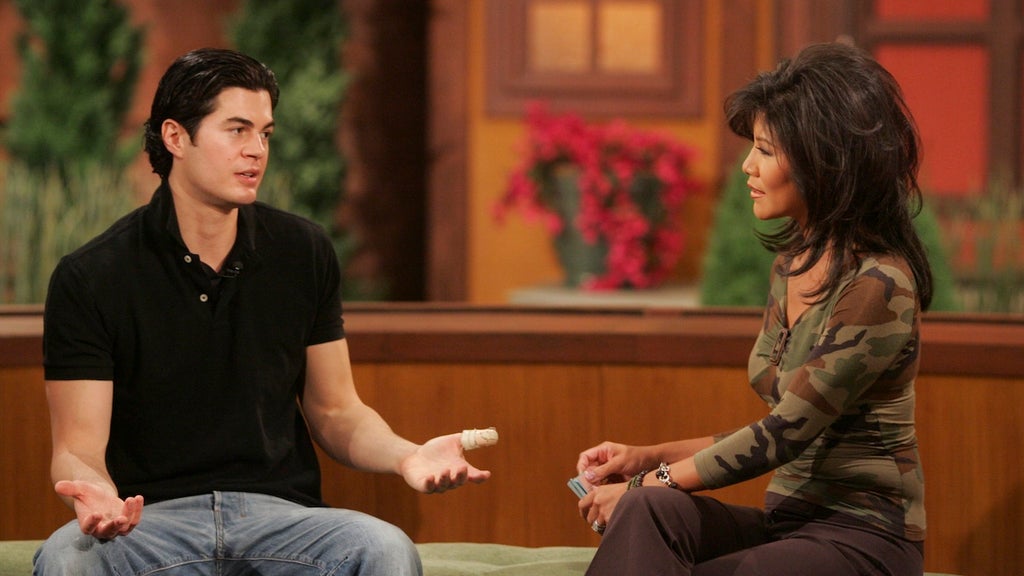
She also evolved. In the early years, Chen Moonves earned the nickname “the Chenbot” from fans and internet bloggers who criticized her hosting as stiff and overly formal. But she embraced it, weaving her signature broadcast anchor cadence into the language producers wanted to establish for the show. It’s she who first uttered phrases like “But First” and “Expect the Unexpected,” which have become synonymous with “Big Brother” and across pop culture.
“She’s in on the joke. She’s really been able to poke fun at herself, say crazy things in a serious tone but with a wink and a nod,” Grodner said. “I always say it’s not Thursday night if Julie’s not standing there on your TV screen.”
Looking back, Chen Moonves calls her bosses “forcing” her to take the job as a blessing in disguise. In 2004, she married then-CBS president Leslie Moonves and welcomed son Charlie Moonves in 2009. “It’s the perfect job for me as a mother and a wife … I wouldn’t be able to be a helicopter parent if I was globe-trotting at ‘60 Minutes.’”

Beyond her own life, Chen Moonves relished in how “Big Brother” has impacted others — she often touts how the show has led to more long-term marriages than “The Bachelor” franchise.
“Think about it: You’re meeting and falling in love with someone. You’re incidentally living together. You’re going to see all sides of that person, if you’re compatible or not and if you truly can or cannot live without that person,” she said. “‘Big Brother’ has so many blessings. It’s beyond my wildest dreams.”

>