Entertainment
How Does the WNBA Culture War Factor Into Ratings?
It’s a confusing time to be a WNBA fan.
On the one hand, the league has hit record ratings highs, with the Aug. 16 matchup between the Atlanta Dream and the Indiana Fever marking the most-watched WNBA game ever on cable.
But that success came as the league has been caught in the throes of a culture war, with political controversies surrounding Fever players Caitlin Clark and Sophie Cunningham dominating discourse about the league and fueling chatter on conservative media — including Fox News, which has devoted 13 and a half hours this summer to covering the WNBA, per Media Matters.
The controversy has fueled attention and social chatter for women’s professional basketball, but crediting it for the league’s viewership victories does a disservice to the actual game play. Women’s sports have been on an upward ratings trajectory over the past couple years and the WNBA in particular received a shot in the arm from Clark, whose sharp-shooting ability has served as a tide that’s lifting all teams.


The haters, meanwhile, aren’t nearly as big a factor as social media would indicate.
“The people that want to see it fail will use this as a reason for not watching, when they probably were never watching to begin with,” veteran sports journalist and Northwestern professor Melissa Isaacson told TheWrap. “The people who are really women’s basketball fans will continue to enjoy it as a product that continues to improve.”
For anyone unfamiliar with the drama, it boils down to two main controversies. The first centered on Clark, who was a major factor in the ratings records for the 2024 NCAA Women’s Championship. Clark’s stardom has remained, though an ugly dynamic has emerged where nearly every move made against her by a Black player sparks claims from the right that it is racially motivated, to the extent that 11 Republican lawmakers wrote WNBA commissioner Cathy Engelbert saying she had not addressed “repeated acts of unnecessary physical hostility and violence” against Clark.

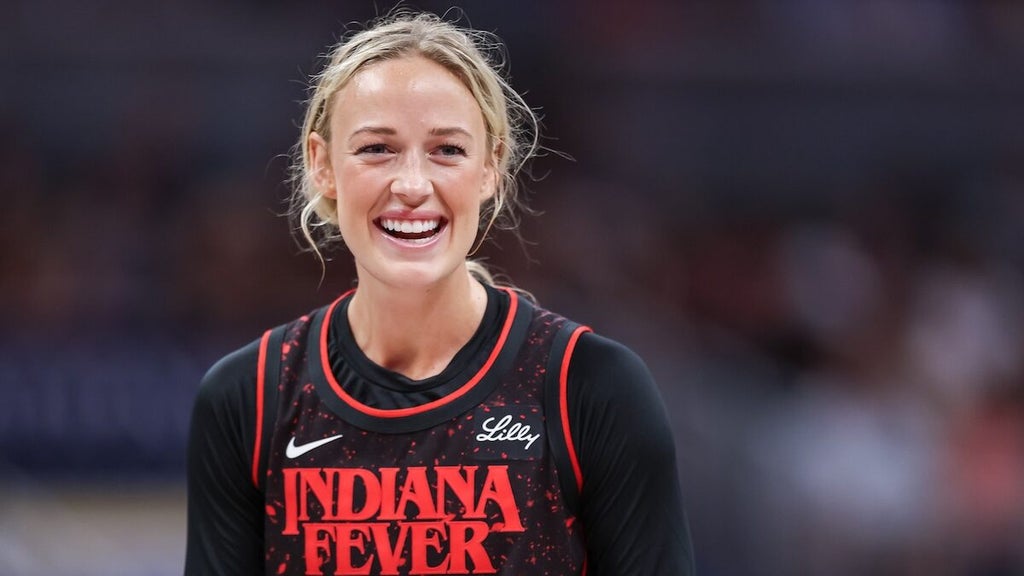
The other side of the controversy involves Cunningham, who has been dubbed “MAGA Barbie” and become the right’s favorite WNBA player, after voicing her opposition to transgender women playing in women’s sports. The furor led to two former NBA players, Enes Kanter Freedom and Royce White, trolling trans rights advocates by citing their intentions to enter into the 2027 draft as they test the gender eligibility requirements.
The WNBA subsequently shut that down. And to be clear, no one takes them seriously.
While the WNBA league has become the right’s latest obsession, that intense interest will eventually cool as the next outrage takes center stage. And given that most right-wingers are engaging with the league on external platforms like social media or Fox News, fading attention might not even play much of a factor — if at all — in viewership.
For the most part, the WNBA’s most loyal fans have not been swayed by the drama. It’s unlikely any true fans will stray.


With the pipeline of incoming talent from the college ranks, USC Annenberg professor Miki Turner told TheWrap, “the dub is here to stay.”
“It’s been here 30 years already, and profit margins were low for about the first 10-20 years of its existence, so the fact that it has survived and expanded gives me hope that they can rise above all of the current drama,” Turner said.
In the grand scheme of things, the controversies shouldn’t faze the growth of the league, which signed an 11-year media rights agreement with Versant for USA Network to present WNBA games starting with the 2026 season.
The way forward requires some “better leadership in the front office” and a strategic approach forward from players as they engage — or don’t — with media, according to Turner. “Players are going to have to not so much watch what they say, but watch how they say it,” Turner said. “Maybe at this point in time, [Caitlin Clark’s] silence is golden.”
P.S. Streaming, linear, theatrical, creators: audiences have more places to spend their time than ever. At TheGrill Sept. 30, we’re talking with the people competing for that attention. AI Creator Day kicks things off Sept. 29. Subscribers get 50% off through Sept. 8 with code PROPERKS50.

Dolly Parton tribute specials draw eyes
Following Dolly Parton’s death on Tuesday, several networks mobilized to air specials paying tribute to the beloved country music icon and philanthropist, with each program drawing notable audiences.
ABC News’ “Dolly Parton: An American Original – Special Edition of 20/20″ scored 4.03 million viewers, almost doubling ratings for CBS’ “Dolly Parton – An American Icon,” which went head-to-head with ABC’s special and brought in 2.17 million viewers. “Dolly Parton: An American Original” also scored the best non-sports 10 p.m. telecast on any network in three months, since the season finale of CBS’ “Boston Blue.”
Rosie O’Donnell holds down ratings for Kimmel
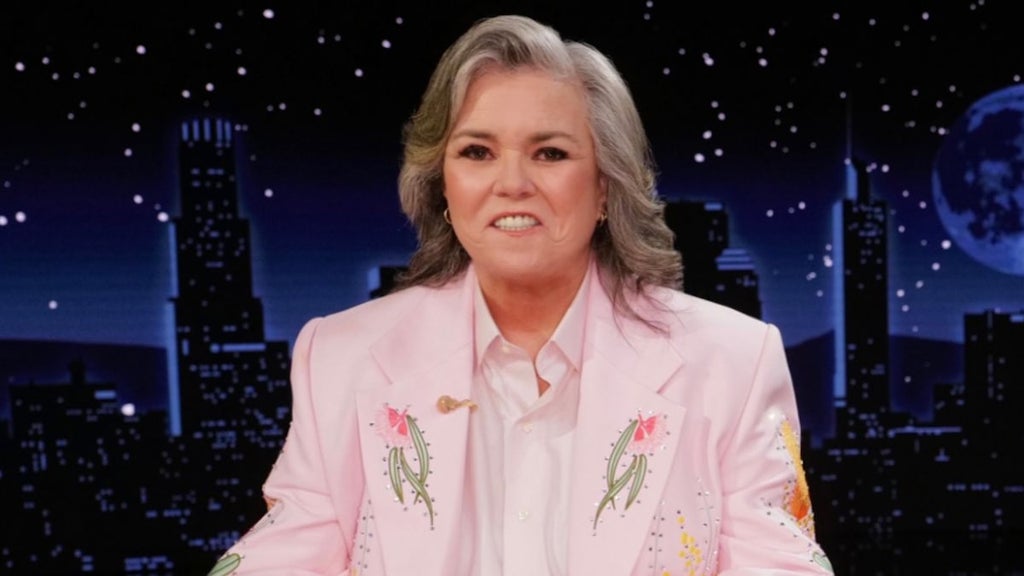
Rosie O’Donnell made a splash in her stint as a summer substitute for “Jimmy Kimmel Live!” and the early ratings said so as well. On her first night hosting for the week of Aug. 24, O’Donnell brought in 1.87 million total viewers, according to preliminary Nielsen live-plus-same-day figures reported by LateNighter. It marks the biggest audience for any of Kimmel’s guest hosts so far this summer.
While O’Donnell outpaced the fellow late night shows in the demo, the viewership didn’t by any means outpace Kimmel himself, who typically cracks 2 million viewers. Ratings for her full week of hosting will be available in the coming days.

“Big Brother” scores ratings growth
As CBS’ “Big Brother” celebrates its 1,000th episode tonight, the reality competition show is seeing notable ratings growth. Season 28 is averaging 5.21 million multiplatform viewers, a 10% increase year over year, according to Nielsen live-plus-seven-day figures.
Demo viewership across both multiplatform and streaming are also up, with the 25-54 demo rising 21% while the 18-49 demo rose 15%.
ICYMI:
- “Outer Banks” Season 5 launched atop Netflix’s most-watched TV shows lists with 9.4 million views, sliding down from last season
- Sunny Sandler’s “Don’t Say Good Luck” led Netflix’s top movies with 12.8 million views
- DC Studios’ “Lanterns” debuted among the top five series premieres on HBO Max

>