Politics
Politics Home Article | The Greens Look To Get Serious On The Economy

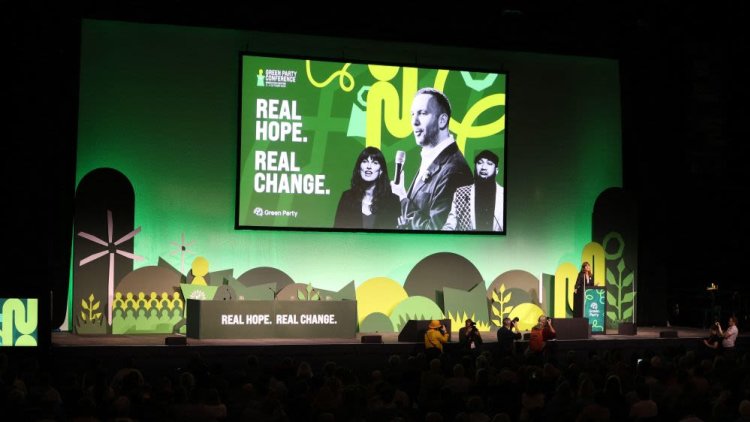
The Green Party conference took place in Brighton this weekend (Alamy)
5 min read
Green Party figures are wrestling with a question: how can they demonstrate economic credibility while maintaining their radical edge?
It was a talking point at their conference in Brighton over the weekend.
Harriet Lamb, Green Party CEO, told a fringe event hosted by More in Common that looking “competent on the economy” would be important to the party’s next steps as it tries to build on the growth it has achieved since Zack Polanski took over as leader.
At the same event, the think tank’s executive director, Luke Tryl, presented data showing that the public views a Green Party focus on the economy almost just as favourably as a focus on the environment. Among a section of avid Green supporters, which More in Common calls Progressive Activists, a focus on the economy is significantly more popular.
Senior Green figures who PoliticsHome spoke to in Brighton said the party must prepare for intense media scrutiny of its economic policies in the months ahead – particularly if there is talk of the role the party could play in a coalition government.
To that end, the Greens are planning to expand their team of economic spokespeople, with councillors elected in May in the pool of people being considered, PoliticsHome understands.
The Secretary of the Greens’ Economy Policy Working Group, Nadine Storey, admitted there is some nervousness within the party about presenting a different economic approach to the Westminster orthodoxy as “you need spokespeople who can defend the policy”.
Speaking to PoliticsHome in Brighton, she said: “Zack has been very good at that.
“He’s been much bolder, braver at being prepared to take on the journalists, but he has been caught out once or twice because he didn’t know the nitty-gritty.”
On Sunday, Green conference voted in favour of a motion setting out what Storey described as “underpinnings” to the party’s radical economic policy.
It includes dropping interest rates as the main means of controlling inflation; no longer using Gross Domestic Product as a measure of economic policy success; and abolishing the Office for Budget Responsibility. Party rules mean that the motion is now official policy.
There’s still this perception that the Green Party are going to protect Britain with healing herbs and herbal tea
James Meadway, economist and co-director of the left-wing think tank Verdant, which hosted an event in Brighton to coincide with the conference, said the debate about Green economic policy is not just about orthodox versus radical.
“There’s another dimension to this, which is radical and workable, and radical and unworkable,” he told PoliticsHome.
Meadway said the Greens are getting closer to the former, radical and workable, as the question of “what would you actually do in government” has become a bigger part of their thinking. He agreed that the Greens also needed to appoint strong spokespeople to publicly defend and explain their economic approach.
Neal Lawson, director of pressure group Compass and co-founder of new Labour group Mainstream, said that the Greens had to keep pushing the boundaries of economic debate: “Clearly, it’s a difficult position for the Greens to be somewhere between Utopia and Narnia, but they need to be out in that place and articulating a new kind of economy.”
He said the Greens had an important role to play in “shifting” the debate.
“If that gets them in some trouble with mainstream economists saying they’re away with the fairies or whatever else, then they should take a bit of that in order to shift the Overton window into new areas,” he told PoliticsHome.
In his conference speech on Friday, Polanski said voting for the Greens was the best way to force the Labour government into more left-wing positions. “Vote Green and watch Labour move,” the London Assembly Member said.
Former Labour mayor turned Green councillor Jamie Driscoll has written his own economic paper he hopes will be party policy by this time next year. Proposals include 100,000 new council homes a year, integrated public transport and retrofitting every home in the country.
Driscoll told PoliticsHome that a key test of whether the public can be persuaded that the Greens should be listened to on the economy is having a good number of economic spokesperson roles and the party needs to “start training a wave of people up”.
“We have to look like a party of government,” he said.

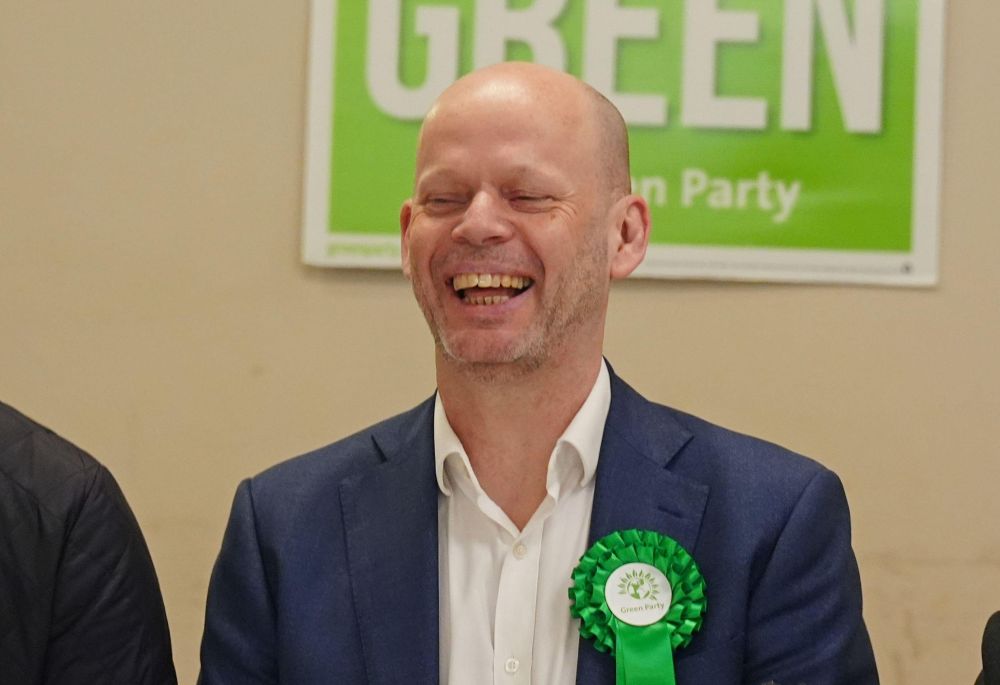
He added that this principle of credibility must apply across the board, from fishing to foreign policy, and not just on the economy, saying “there’s still this perception that the Green Party are going to protect Britain with healing herbs and herbal tea.”
Green figures who stress the importance of building credibility argue Polanski’s party must be even more careful in how they present radical economic ideas after the Liz Truss mini-budget and its impact on public opinion. “It perhaps does make it harder to put more radical ideas across,” acknowledged Storey.
One Green activist involved in policy discussions summarised the challenge as having policies “rooted in economic realities” but “do not take away from our views as progressive”.
The same activist said there was some nervousness within the party about whether the CO5 motion would be taken as a serious economic offer outside the conference hall. However, they stressed that the party must be prepared to make the argument.
Additional reporting by Adam Payne

>