
America’s small trucking operators are being squeezed from every side, and the numbers tell a stark story: some 221 trucking companies have filed for bankruptcy so far in 2026, according to data compiled by Bloomberg, extending a three-year spike at levels not seen in decades.
The pressures are familiar but relentless — war-fuelled spikes in diesel prices, rising insurance costs and onerous debts — and they are hitting the smallest firms hardest, just as affordability dominates debate ahead of next week’s US midterm elections.
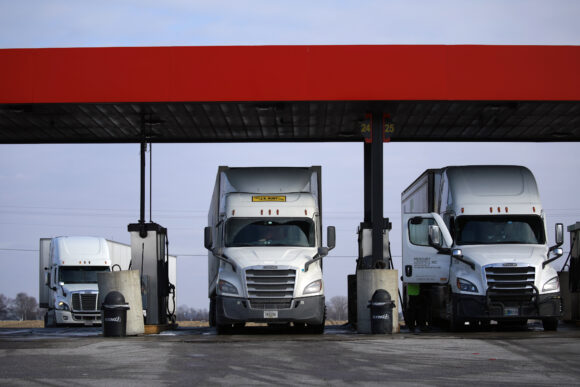
Trucking industry (Credits: Insurance Journal)
Trucking Bankruptcies 2026: Small Carriers Hit Hardest
The human cost is visible in stories like that of Justin Stoneman, who has worked in trucking for 27 years hauling grain and fertilizer around the Midwest. His fleet of around a dozen tractor trailers once generated more than $3 million a year in revenue at its best.
In May, his company, Stoneman Trucking LLC, filed for bankruptcy protection, and he has since shifted toward Chapter 7, fully shutting down operations. He is far from alone: around two-thirds of small US carriers — typically running 20 or fewer tractors, often just one — report revenue flat or down on a year ago, according to a survey by freight-management firm Truckstop and Bloomberg Intelligence.
Almost 40 percent of those operators said that within six months they expected to be out of trucking or were unsure where they would be. Chip Lane, managing partner at the bankruptcy-focused Lane Law Firm in Texas, said he has seen a massive uptick in trucking firms exploring restructuring, sometimes three or four in a single week.
Why Small Truckers Are More Vulnerable
Small operators usually start as drivers for larger companies before striking out on their own, but many lack the cash to buy a rig outright and rely heavily on credit. That leaves them far more exposed to rising costs than giants like J.B. Hunt, which can absorb higher fuel prices more easily and has said it plans to raise prices to offset compressed margins.
Lawyers describe a triple whammy for survivors of the post-pandemic freight downturn: higher fuel prices, rising interest rates and burdensome credit arrangements, including variable-rate loans, short-term high-interest borrowing, merchant cash advances and factoring — all of which tighten already thin margins.
The report stresses this is a structural squeeze, not a single bad season. After the Covid-era boom drew many new entrants in on cheap credit and surging demand, rates later collapsed, and the firms that survived that downturn are now facing a second, cost-driven crisis.
Also Read: CalPERS Pulls Back From Big Tech as AI Jitters Deepen Neocloud Sell-Off, Microsoft Offers Buyouts to 60,000 Employees Across US, UK, Canada and India
Source: Insurance Journal — read the full story there.