
Sports
Explained: Chelsea’s £10m fine and how the club avoided a points deduction


Chelsea have been fined £10million and given a suspended two-window transfer ban, following a Football Association investigation.
That came after the FA charged Chelsea on September 11 last year with 74 breaches relating to 44 transactions involving 32 players between July 2009 and August 2022.
Following a hearing on December 8, an Independent Regulatory Commission of the FA imposed the £10million fine — payable by April 2026 — and a six-point deduction, suspended until the end of the 2026-27 season.
However, Chelsea appealed the sporting sanction at a hearing at Wembley Stadium on May 18.
The FA Appeal Board ruled that the six-point deduction was an “excessive sanction”, overturning it and replacing it with the suspended two-window registration ban which is suspended until June next year.
The FA said it was “continuing to investigate individual misconduct arising out of this case” and added how the £10million fine would be invested in grassroots football.
Remind me, how did we get here? What did Chelsea do wrong?
This particular case, brought by the FA, began in September last year when Chelsea were charged with 74 breaches relating to rules around agents, intermediaries and third-party investments.
The offences took place between 2009 and 2022 during Roman Abramovich’s ownership of the club, although the investigation had a particular focus on the period from the 2010-11 to 2015-16 seasons.
It was also a hugely successful period for Chelsea on the pitch, with the club winning their first Champions League and three Premier League titles.
What did the FA report say?
After a hearing in December, the FA Regulatory Commission initially hit Chelsea with a £10m fine and a sporting sanction, namely a six-point deduction, which was suspended until the end of the 2026-2027 season.
In their written report, it said Chelsea’s conduct highlighted a “shameful and arrogant disregard for the rules of the game, and which has done so much to bring the game of football in general, and the name of CFC into disrepute.”
It went on to explain how during the period in question “those in a position of authority deliberately flouted the FA Regulations (…) in several different ways in relation to the transfer and registration of 32 players in 44 separate transactions.”
The Regulatory Commission report named Willian — who Chelsea didn’t want to lose to rivals Tottenham — and Samuel Eto’o among the players connected to the transactions. However, there is no suggestion that either player was involved in any wrongdoing.

Willian played for Chelsea from 2013 to 2020 (Darren Walsh/Chelsea FC via Getty Images)
The report concluded that the “principal and overall motive behind the club’s conduct was to gain a sporting advantage”.
It added: “In particular, by its actions and omissions, it was able to acquire a squad of players whose depth of talent at every level was greater than it would have been had they complied with the various regulations of which they were in breach.”
What happened with Chelsea’s appeal?
Chelsea appealed against the suspended points deduction.
Following a hearing on May 18, the Appeal Board upheld the appeal and replaced the points deduction with a suspended two-window transfer ban.
In its written report, the Appeal Board said: “The finding by the Regulatory Commission that the club did gain an actual sporting advantage was not supported by the evidence, and so a sporting sanction of a points deduction, albeit suspended, was an excessive sanction.”
How does a suspended punishment work? Could this impact on Chelsea’s transfer plans?
A suspended punishment means the punishment will not be enforced unless Chelsea break the rules again.
As such, it does not immediately impact any of Chelsea’s transfer plans going forward.
The Appeal Board’s report explained that, if at any time the FA becomes aware of a potential breach/breaches of the same or a similar nature that occurred while the sanction was in place — including if it is discovered after the suspension period has ended — it can ask an Independent Regulatory Commission to activate the registration ban in full or in part.
What happened with the UEFA and Premier League investigations?
It’s important to note this is the third investigation into Chelsea’s dealings, following separate ones carried out by both UEFA and the Premier League.
UEFA issued Chelsea with a €10m fine (£8.6m, $11m at the time) in July 2023.
Meanwhile, in March, the Premier League landed Chelsea with a record £10.75m fine. They were also given a one-year transfer ban for first-team players, suspended for two years. In addition to that, they were handed a nine-month academy transfer ban.
During their probe, the Premier League identified secret payments totalling £47.5million made to agents between 2011 and 2018, with the transactions linked to signings that played a key role in that success, including Eden Hazard, Willian and Nemanja Matic.
There is no suggestion that any of the players involved committed any wrongdoing.

Eden Hazard upon joining Chelsea in 2012 (Darren Walsh/Chelsea FC via Getty Images)
However, as with this case, Chelsea avoided any sporting punishment — for example, a points deduction.
How did Chelsea approach this?
Chelsea, who came under new ownership in May 2022, when a consortium led by Clearlake Capital and Todd Boehly bought the club, reported themselves to the authorities.
Relating to the FA investigation, the club admitted to all 74 breaches and that has played a big factor in the club avoiding any more serious punishments.
As the Regulatory Commission said in their written report: “It is unlikely that, without their self-reporting, as to the nature and extent of which we refer in more detail below, these matters would ever have come to light.”
It was also noted, in the Appeal Board written report, that around £150million of the takeover purchase price was withheld to allow Chelsea’s new owners to deal with any potential liabilities arising from the matter.
The Regulatory Commission added in their report: “We sympathise with the current owners of CFC who now have to pay the penalty for the conduct of their arrogant predecessors, who clearly believed that they were above the law [at least, metaphorically, in relation to the running of a football club] and that The FA [and Premier League and UEFA] regulations were there to be flouted and not obeyed.” (Note: The words in brackets were included in the report.)

Todd Boehly and Behdad Eghbali at Stamford Bridge (Robin Jones/Getty Images)
The fine was handed down by the FA Regulatory Commission, an independent three-person panel appointed to hear disciplinary cases. In this instance, the panel consisted of judicial chair Clement Goldstone KC, Alison O’Dowd and Ken Brown.
The fine imposed by the Regulatory Commission was initially set at £26m but Chelsea’s self-reporting and co-operation reduced this to £17.25m, while their guilty pleas brought it down to £11.4m.
Given the earlier penalties already handed down by UEFA and the Premier League, it was finally set at £10m. The Regulatory Commission said that was a sum “advocated by the FA”. In their report, the Regulatory Commission said that was “an appropriate penalty which would punish (the club), deter similar misconduct and maintain the integrity of the game”.
For the same reason, the Regulatory Commission initially had the points deduction set at 15 points, but when mitigating factors were taken into account, it was brought down to six.
That suspended six-point deduction was then overturned following Chelsea’s appeal in May, and replaced with the suspended two-window transfer ban.
What’s Chelsea’s view of it all?
In a statement, issued on Friday afternoon, Chelsea, who are currently in Australia for pre-season, were understandably keen to bring the matter to a close.
The club said it “is pleased to confirm that a final decision has been reached by The FA’s judicial bodies in relation to historical regulatory matters that were self-reported by the club.
“In 2022, the club self-reported potential historical rule breaches to all applicable regulators. Following that report, it has worked openly and transparently with all regulators, including voluntarily and proactively disclosing many thousands of documents.
“As previously announced, settlement agreements have been entered into with UEFA and the Premier League concerning the same self-reported regulatory matters and topics that have been addressed before. The club is pleased to confirm that, now The FA process has concluded, this brings all regulatory proceedings against the club to a close.
“We are grateful to UEFA, the Premier League and The FA for their engagement with the club throughout these processes.”
>

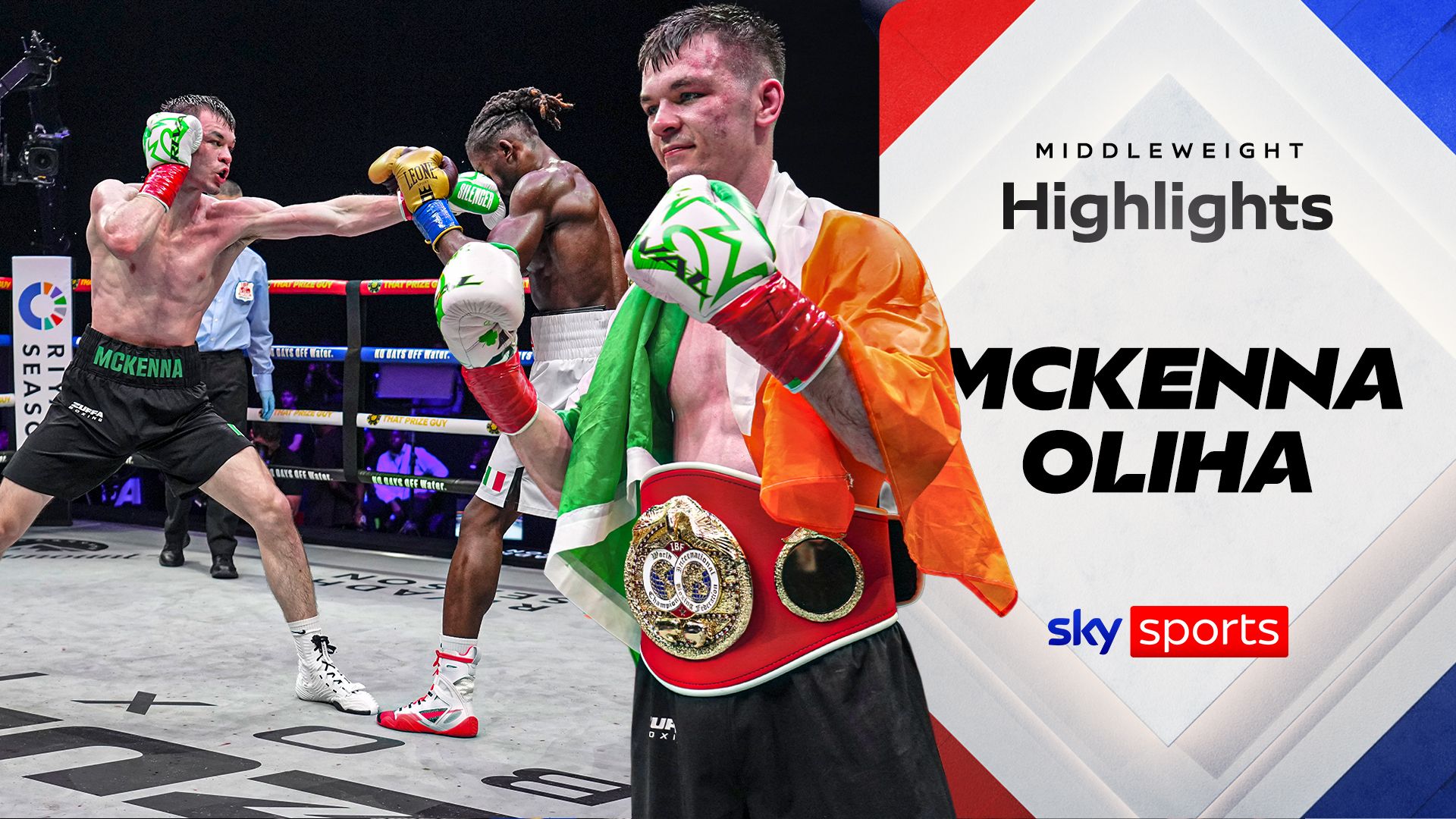
Highlights of Aaron McKenna’s IBF middleweight world title fight against Etinosa Oliha.
>
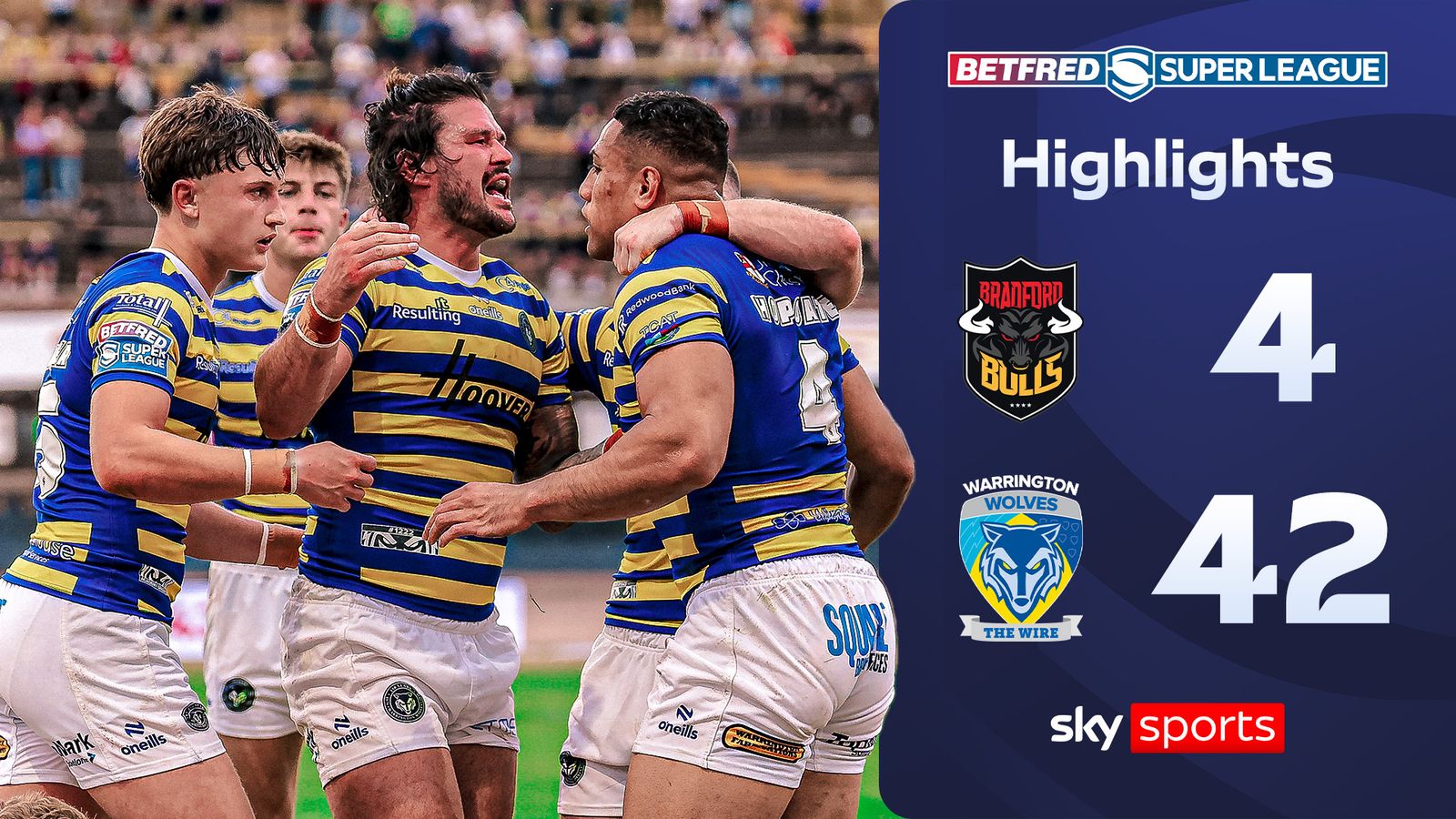
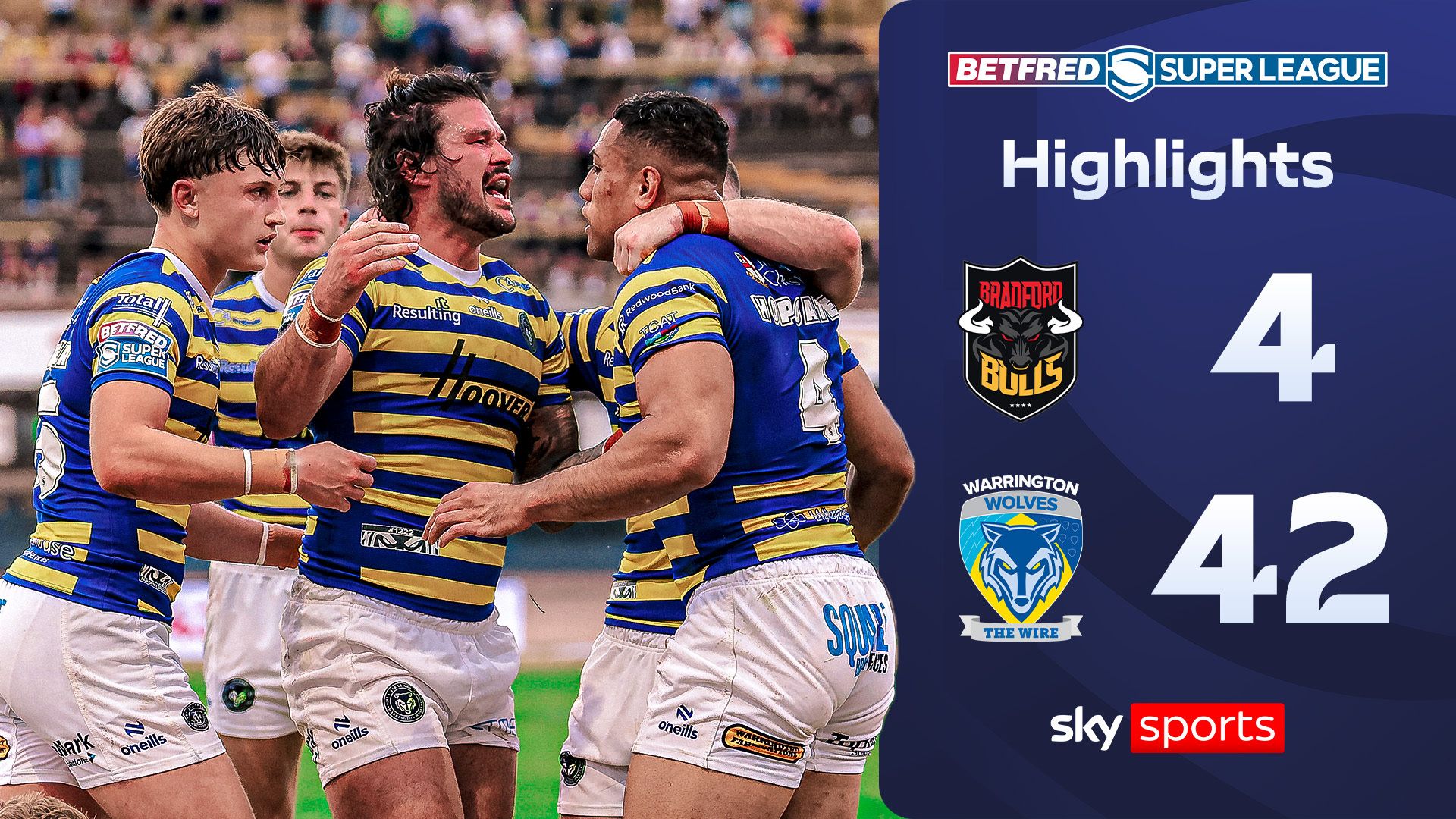
Highlights of the Super League clash between Bradford Bulls and Warrington Wolves as Matty Ashton scored twice in a dominant 42-4 victory for the visitors.
>
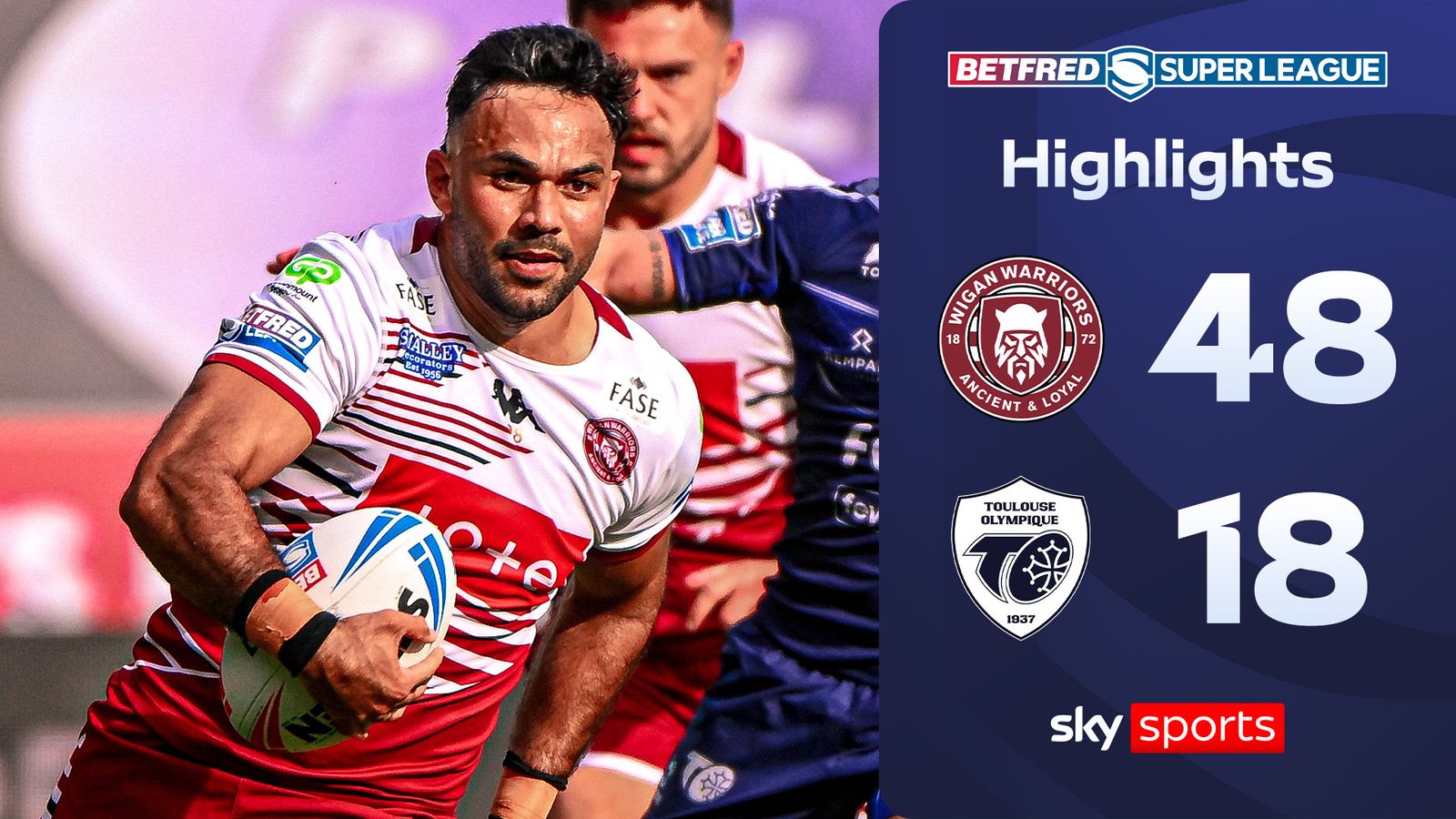
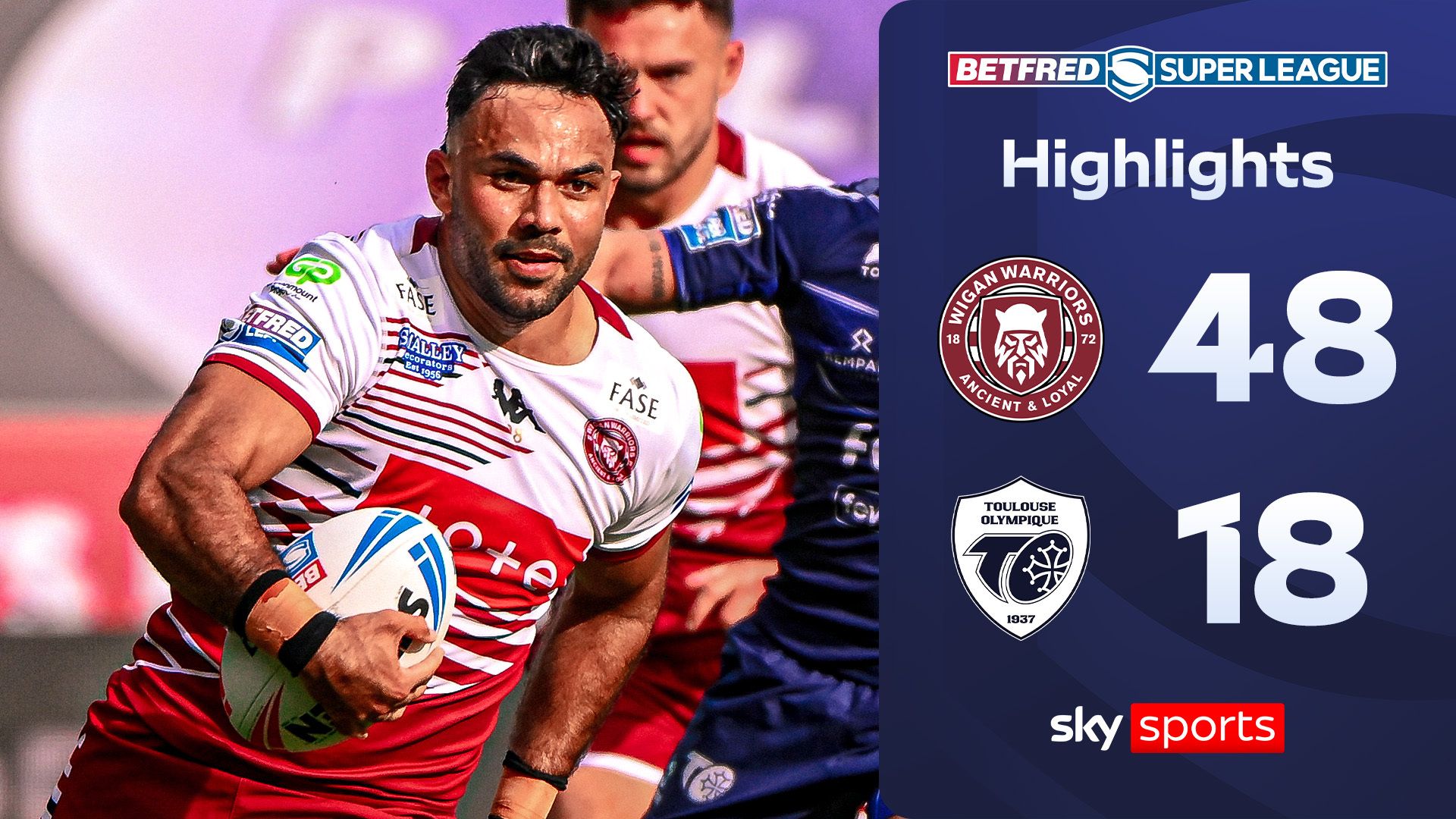
Highlights of the Super League clash between Wigan Warriors and Toulouse Olympique.
>

McKenna wins world title in Ireland homecoming fight!

Wolves overwhelm Bradford in emphatic away victory

Wigan overpower Toulouse to close gap on leaders
-

 movies3 months ago
Search For Canadian TV Actor Stewart McLean Now Homicide Investigation
-

 Fashion9 years ago
These ’90s fashion trends are making a comeback in 2017
-
Fashion9 years ago
According to Dior Couture, this taboo fashion accessory is back
-
Fashion9 years ago
Model Jocelyn Chew’s Instagram is the best vacation you’ve ever had
-
Fashion9 years ago
Your comprehensive guide to this fall’s biggest trends
-
Fashion9 years ago
9 Celebrities who have spoken out about being photoshopped
-
Fashion9 years ago
Emily Ratajkowski channels back-to-school style
-
Fashion9 years ago
A photo diary of the nightlife scene from LA To Ibiza