
Sports
Miami Grand Prix: Lando Norris on pole for sprint race ahead of Kimi Antonelli

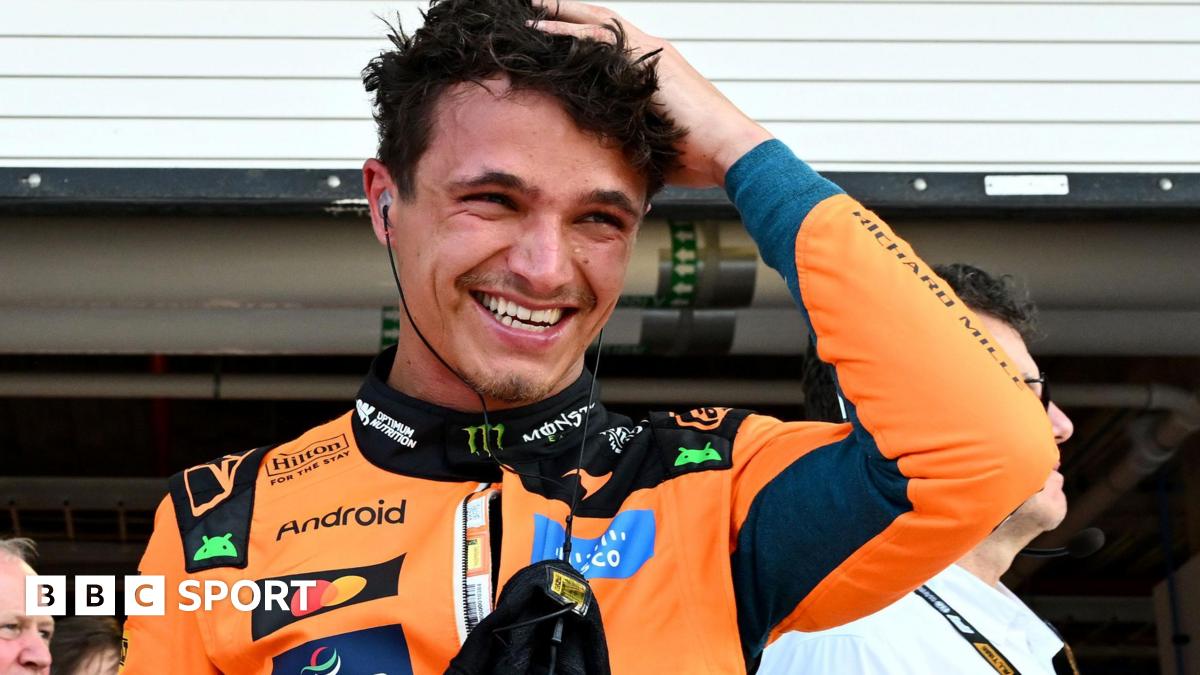
It was Norris’ first pole since Las Vegas last year, three races from the end of his championship season, and a suggestion – at the very least – that Mercedes may not have things all their own way this year, after all.
Antonelli salvaged a good result for Mercedes after a difficult session.
The Mercedes car has often struggled in the heat, and the 32C temperatures did not seem to do it any favours.
But after not looking competitive for most of the session, Antonelli ensured he was the very last car to set a time in the final session, when the track would be at its grippiest, and it paid off.
“It was a pretty messy session,” the Italian said. “I struggled a lot with the car and on the medium (tyres required in the first two sessions) I couldn’t get a lap in, and then on the soft, all of a sudden, the car became more alive. I felt more comfortable.
“We definitely felt we were expecting this weekend to be quite a bit tougher, also because those teams brought major upgrades which they closed the gap massively, or even went in front of us. McLaren have the same engine as us and they improve a lot the car, but I think we can be in the fight.”
Russell took the opposite route, running first, and he ended up 0.4secs back from his team-mate, not an ideal result given he already has to make up nine points on Antonelli in the championship.
“Pretty surprising how big a jump McLaren and Ferrari have made,” Russell said. “That’s pretty damn impressive. All day they’ve been quicker than us. From my side, I’ve been struggling all day.
“Miami is not a track I particularly love, especially in these hotter conditions, but it’s only sprint qualifying. Just overheating the tyres a lot in that twisty section in the middle. Struggling to get the right balance with the car.”
The Ferrari was very fast through practice and the first two qualifying sessions on the medium tyre, but struggled on the soft in the final session.
“The upgrades are fine,” Leclerc said. “It’s just everybody brought upgrades. McLaren did a very big step forward but I felt like they didn’t optimise their first races so they were always there but didn’t put everything together.
“On our side, we have struggled with tyres. The medium were working very well. On the soft, it was not a nice feeling, so on that we have got to look at it. We know on the race pace we are stronger but in terms of qualifying there is still work to be done.”
>
Need fantasy football lineup advice for Week 3? Use our interactive start/sit tool to help you decide.
>
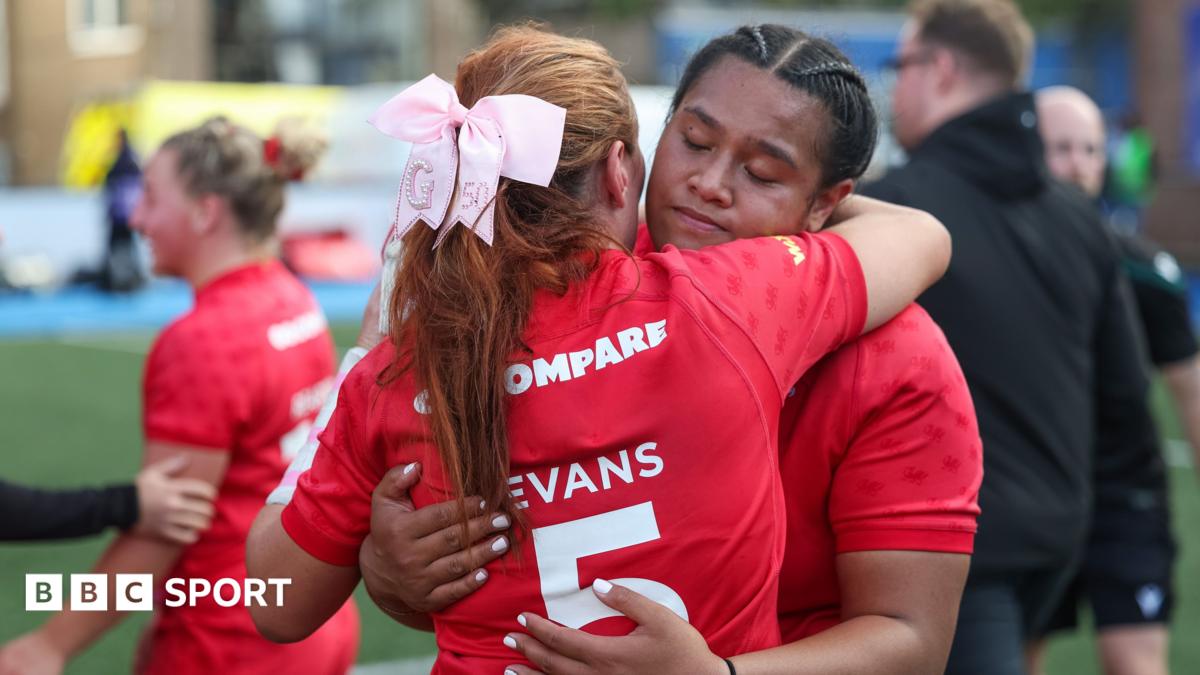
The reaction of former Wales internationals has also been positive in defeat.
Speaking on BBC One, Philippa Tuttiett said: “Wales were on a run of nine international defeats.
“The turnaround that they have done to beat South Africa and push the sixth-ranked team in the world to the end is incredible.
“It was a tough innings, but still a really proud performance.”
Dyddgu Morgan-Hywel said: “We did see the momentum from the South Africa win.
“I was a little worried, but Wales put another performance in. Yes, they’re disappointed, but there was only two points in it.”
Former captain Siwan Lillicrap said: “I was stood up in commentary and I felt gutted and proud all at the same time.
“I was gutted because they stayed in the fight and could have won it, and proud of the fight they had.
“There were errors; Test match rugby isn’t always going to be perfect, but you’ve got to remember USA are sixth in the world.
“They had an outstanding performance last week, but you learn when you win and you learn when you lose.
“We’re still seeing really good stuff and growth from what we’ve seen previously.”
>
Find out how to watch the Indiana Fever play the Las Vegas Aces, with time, TV channel and streaming information.
>
Start? Sit? Craft your best Week 3 fantasy football lineup with our tool

WXV: Why latest defeat feels different for Wales
How to watch Fever vs. Aces: Game 1 TV channel and streaming options for September 27
-

 movies4 months ago
Search For Canadian TV Actor Stewart McLean Now Homicide Investigation
-

 Fashion9 years ago
These ’90s fashion trends are making a comeback in 2017
-
Fashion9 years ago
According to Dior Couture, this taboo fashion accessory is back
-
Fashion9 years ago
Model Jocelyn Chew’s Instagram is the best vacation you’ve ever had
-
Fashion9 years ago
Emily Ratajkowski channels back-to-school style
-
Fashion9 years ago
9 Celebrities who have spoken out about being photoshopped
-

 Anime4 months ago
Rurouni Kenshin: Hokkaido Arc Manga Takes 1-Issue Break – News
-

 Anime3 months ago
HIDIVE to Stream English Dubs for The World Is Dancing, The Forsaken Saintess and Her Foodie Roadtrip in Another World, The Dangers in My Heart: The Movie Anime – News