
Tech
Insurers claim AI is already increasing healthcare costs


Hospitals’ use of artificial intelligence tools as they submit insurance claims led to an additional $942 million in healthcare spending over a two-year period, according to an analysis by the Blue Cross Blue Shield Association.
The BCBSA analysis found “a sharp increase in patients being documented as having complex conditions,” but argued there is a “clear disconnect between [medical] coding and treatment,” as there’s “no evidence of corresponding change in care delivered.”
The New York Times pointed the analysis as just the latest sign that AI is contributing to an increase in healthcare costs. While battles between hospitals and insurers over treatments and payments are nothing new, the NYT said the use of AI on both sides seems to be making it worse.
Dr. Shiv Rao, founder of AI startup Abridge, acknowledged that the use of AI could lead to “a horrible dystopic future nobody wants to live in,” with “bots fighting bots, agents fighting agents.” But Rao said it might also reduce tensions and cut costs.
And the BCBSA’s senior vice president Luke Chalker resisted characterizing the situation as a battle, claiming, “It’s not a war. It’s a completely one-sided blood bath,” with insurers on the losing side.
>
Hospitals’ use of artificial intelligence tools as they submit insurance claims led to an additional $942 million in healthcare spending over a two-year period, according to an analysis by the Blue Cross Blue Shield Association.
The BCBSA analysis found “a sharp increase in patients being documented as having complex conditions,” but argued there is a “clear disconnect between [medical] coding and treatment,” as there’s “no evidence of corresponding change in care delivered.”
The New York Times pointed the analysis as just the latest sign that AI is contributing to an increase in healthcare costs. While battles between hospitals and insurers over treatments and payments are nothing new, the NYT said the use of AI on both sides seems to be making it worse.
Dr. Shiv Rao, founder of AI startup Abridge, acknowledged that the use of AI could lead to “a horrible dystopic future nobody wants to live in,” with “bots fighting bots, agents fighting agents.” But Rao said it might also reduce tensions and cut costs.
And the BCBSA’s senior vice president Luke Chalker resisted characterizing the situation as a battle, claiming, “It’s not a war. It’s a completely one-sided blood bath,” with insurers on the losing side.
>
TikTok will pay Alabama at least $100 million in a settlement tied to allegations that the short-form video platform misled users about safety and was designed to addict children. The case was scheduled to go to trial on Monday.
According to the Alabama attorney general’s office, TikTok could end up paying the state a total of $300 million, depending on “certain conditions.” The company also agreed to introduce a two-hour daily time limit for underage users, with additional parental controls, as well as restrictions on overnight usage and cosmetic filters.
In a statement, Alabama Attorney General Steve Marshall said that parents in his state can now “rest easier knowing real protections are in place to shield their children from the dangers of social media addiction.”
TikTok also released a statement saying that the settlement “builds on our commitment and core objective to continually enhance our robust safety tools to protect teens.”
In August, TikTok reached a $400 million settlement with the Department of Justice over allegations that the platform violated child privacy laws.
>
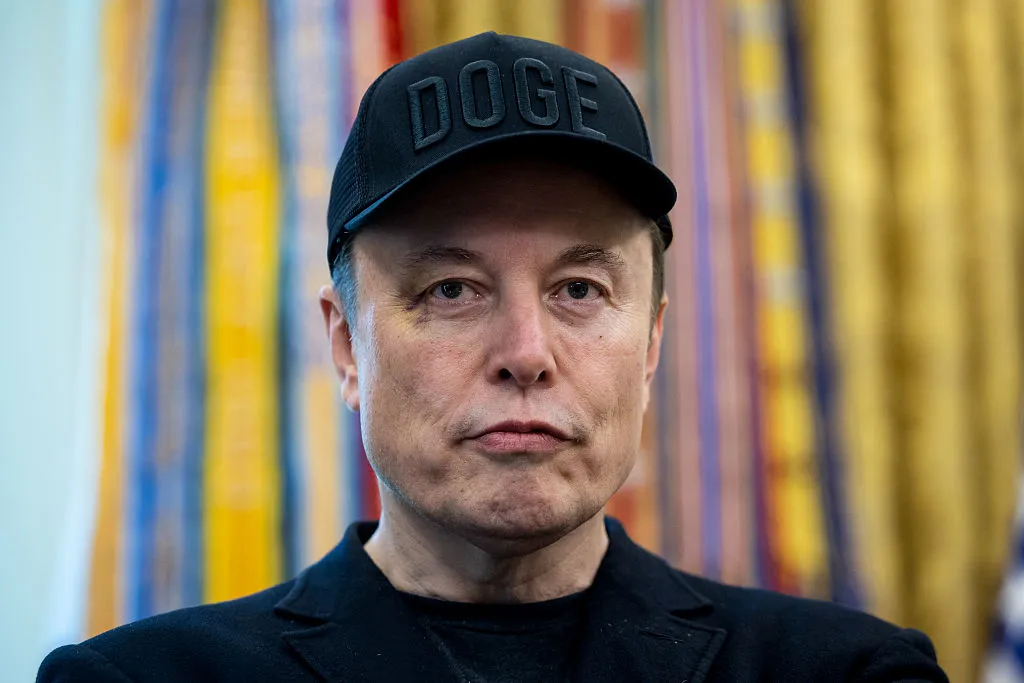
At least one social media company appears to be reversing its stance on whether it will accept advertising for director Alex Gibney’s upcoming documentary about Elon Musk.
The Hollywood Reporter published a story Friday saying that TikTok, Meta, YouTube, and X had all refused to run paid ads promoting the trailer for “Musk.” However, when TechCrunch reached out to Meta on Saturday, a spokesperson said, “This was an error and the ads are being restored.”
We’ve asked Meta for more details and will update this article if we hear back.
X’s rejection is unsurprising — Musk, who owns the social media platform, recently posted that “Dogshit is worth more respect than Gibney.”
But Meta, TikTok, and YouTube reportedly rejected the ad for “political content,” which the platforms have various restrictions on. (Meta said last year that it will stop accepting political ads in the European Union, while TikTok says it doesn’t run them at all.) It’s not clear how a documentary trailer counts as campaign advertising, and the film’s U.S. distributor Bleecker Street told the Hollywood Reporter that it’s appealing the rejections.
Gibney previously directed acclaimed documentaries including “Going Clear” (about the Church of Scientology) and “The Inventor” (about Elizabeth Holmes and Theranos), as well as a movie about Steve Jobs. “Musk,” his latest, premiered at the Venice International Film Festival earlier this month and has received almost universally positive reviews. The film currently has a 100% “fresh” rating on Rotten Tomatoes and is set for theatrical release in the United States on October 9.
Vulture’s Bilge Ebiri described the nearly four-hour movie as a revealing look at Musk’s tech career, his alliance with President Donald Trump, and his personal life, with interview subjects including ex-wife Justine Musk and former right-wing influencer Ashley St. Clair (who recently had a child with Musk but now describes him as “a nuke”).
Ebiri wrote that while the film is a “fascinating” character study, adding, “As a tale of modern business, it’s revealing. And as a warning about our future, it’s terrifying.”
Despite the initial wave of critical acclaim, The Hollywood Reporter also said that Universal Pictures was wavering in its commitment to distribute the film internationally, reportedly due to the studio’s fear of angering the Trump administration. (Universal subsequently said it will release the documentary in theaters but is still figuring out its release strategy).
TechCrunch has also reached out to YouTube, TikTok, X, and Bleecker Street for comment.
When you purchase through links in our articles, we may earn a small commission. This doesn’t affect our editorial independence.
>

‘NAZA’ Directors Call Out U.S. Funding for Israel Military at NYFF Premiere
NHL waiver tracker: Best players on the wire throughout 2026-27 preseason

Happy Harvest Moon From Around the Anime World – Interest
-

 movies4 months ago
Search For Canadian TV Actor Stewart McLean Now Homicide Investigation
-

 Fashion9 years ago
These ’90s fashion trends are making a comeback in 2017
-
Fashion9 years ago
According to Dior Couture, this taboo fashion accessory is back
-
Fashion9 years ago
Model Jocelyn Chew’s Instagram is the best vacation you’ve ever had
-
Fashion9 years ago
Emily Ratajkowski channels back-to-school style
-
Fashion9 years ago
9 Celebrities who have spoken out about being photoshopped
-

 Anime4 months ago
Rurouni Kenshin: Hokkaido Arc Manga Takes 1-Issue Break – News
-

 Anime3 months ago
HIDIVE to Stream English Dubs for The World Is Dancing, The Forsaken Saintess and Her Foodie Roadtrip in Another World, The Dangers in My Heart: The Movie Anime – News