Even after the Toronto Blue Jays acquired José Soriano, arguably the top controllable pitcher moved at the trade deadline, teams that had lost out to Toronto in trade talks with the Los Angeles Angels continued to try to acquire the right-hander.
Multiple clubs reached out to the Angels in the days before the deadline with interest in acquiring Soriano, Reid Detmers and Zach Neto. After the Jays finalized their deal for Soriano, sending a three-prospect package to the Angels built around shortstop Arjun Nimmala, the Minnesota Twins and Chicago Cubs were among the teams that then also reached out to Toronto to see if the Jays would be interested in moving Soriano again, league sources granted anonymity because they weren’t authorized to speak about deadline dealings publicly said. The Jays listened.
The Jays weren’t actively shopping Soriano after acquiring him, one source said, but did consider offers. Toronto was thrilled to land Soriano, but listening on offers — even for players teams intend to keep — is standard practice deadline due diligence for most front offices.
Already talking with Toronto about Jeff Hoffman, the Twins discussed a Soriano package built around the organization’s No. 3 prospect, infielder Kaelen Culpepper, and other pieces. The teams were clearly unable to line up when, one source said, Toronto made it clear the only way they would even consider listening further is if the Twins included top pitching prospect Riley Quick as the second piece in a multi-player package.
Minnesota promoted Culpepper to its MLB roster on Friday, and he homered in his debut. Soriano made his Jays debut on Saturday, throwing 4 2/3 innings of one-run ball against the Philadelphia Phillies.
It’s unclear where Culpepper would’ve fit with Toronto, as infielders Ernie Clement, Kazuma Okamoto and Andrés Giménez are all under team control for at least the next two seasons. But with elite young talent, it’s usually not that hard to make it work.
Pursuing Soriano is in line with how the Twins approached the deadline. A year after they traded away 10 players, including multiple talented relievers under team control and shortstop Carlos Correa, the Twins reversed course this deadline.
Open about ownership’s previous mistakes, Twins team chairman Tom Pohlad recognized his club’s need to make bold, aggressive moves that would improve the roster and perhaps capture fans’ attention at a time when attendance at Target Field continues to decline.
“This is a build-and-they-will-come situation,” Pohlad said in July. “The fans are not going to come back based on words.”
Three weeks before the deadline, Pohlad said the Twins would be buyers if they were anywhere close to the playoff picture. The team’s baseline goal was to fortify a bullpen under construction and add depth to the starting rotation. The Twins did that, adding two of their top targets, veteran relievers A.J. Minter and Hoffman, while also acquiring Baltimore’s Dean Kremer to pitch at the back end of the rotation.
But the Twins were dreaming bigger. With Minter and Kremer acquired well ahead of the deadline, the Twins spent most of the final three days in pursuit of a big fish.
Similar to many teams, the Twins saw Soriano as a prize catch, enough that they would at least consider parting with Culpepper, whom a few days later they promoted with the intent he’ll develop into the team’s long-term shortstop.

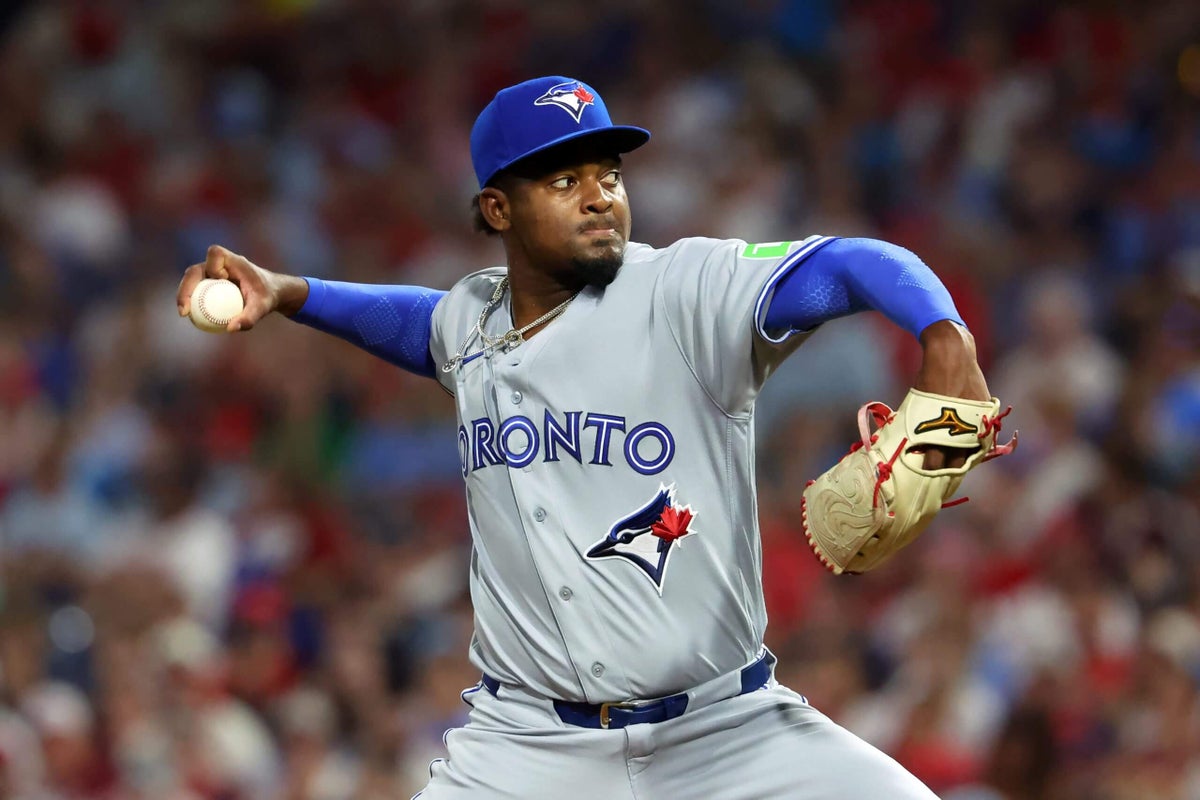
Soriano was considered a big fish at the deadline and the Twins hoped to catch him with a package that would have included Culpepper. (John Fisher / Getty Images)
Pohlad said the team’s aggressive approach to the deadline is a sign of things to come.
“We had a very clear strategy,” Pohlad said last Tuesday. “For us to accomplish the things that we want to accomplish, and be a consistently competitive team in the playoffs, and going deep, we have to make an investment into this team. We did that in a small way at the trade deadline. You’ll see more of it next year.”
Despite the Twins’ intentions, none of their talks resulted in a trophy fish. Early on, the Twins talked to the Angels about Neto, Detmers and Soriano and at least were willing to discuss some of their better prospects in deals. For Neto, who has three years of team control remaining, Los Angeles asked for a package centered around Twins top prospect Walker Jenkins, a player the Twins weren’t willing to discuss.
Soriano, the top controllable starter target for the Twins, landed in Toronto instead. He now sits behind Dylan Cease in the Jays rotation and gives Toronto a formidable top of their rotation for the next few years. So many teams talk about doing the deadline buy-and-sell, but in trading away veterans on expiring contracts (Kevin Gausman and Daulton Varsho) and acquiring Soriano, the Jays actually pulled it off.
Soriano has been one of baseball’s most reliable arms over the last three seasons, posting the 23rd-best ERA among starters with at least 400 innings pitched. Still, the Jays hope to help Soriano reach a new ceiling, as they have with Cease this year and Robbie Ray in 2021.
“He’s a different dude than Dylan,” Blue Jays manager John Schneider said, “but I think that there are some parallels there that can hopefully be picked up pretty quick.”
The Jays and Twins did ultimately line up on one trade on deadline day, finalizing a move that sent Hoffman to Minnesota for three prospects minutes before the deadline. It became the latest in several Twins-Jays deals over the past year, including Louis Varland to Toronto in July 2025 and Tommy Nance to Minnesota last month.
“I feel like sometimes it just means that there’s better alignment on how that team sees your system as opposed to big mismatches,” Twins GM Jeremy Zoll said after the deadline about dealing with the Jays. “But in certain cases, we don’t line up and you can never know exactly how each team is going to value all your players. You’re just working as hard as you can to assess the market and where those value matches and mismatches are to create alignment to get it actionable. I don’t know exactly how that has come to be with Toronto the last few years.”
— The Athletic’s Sahadev Sharma contributed to this story