
Tech
Silkroad Innovation Hub’s Road to Battlefield competition continues

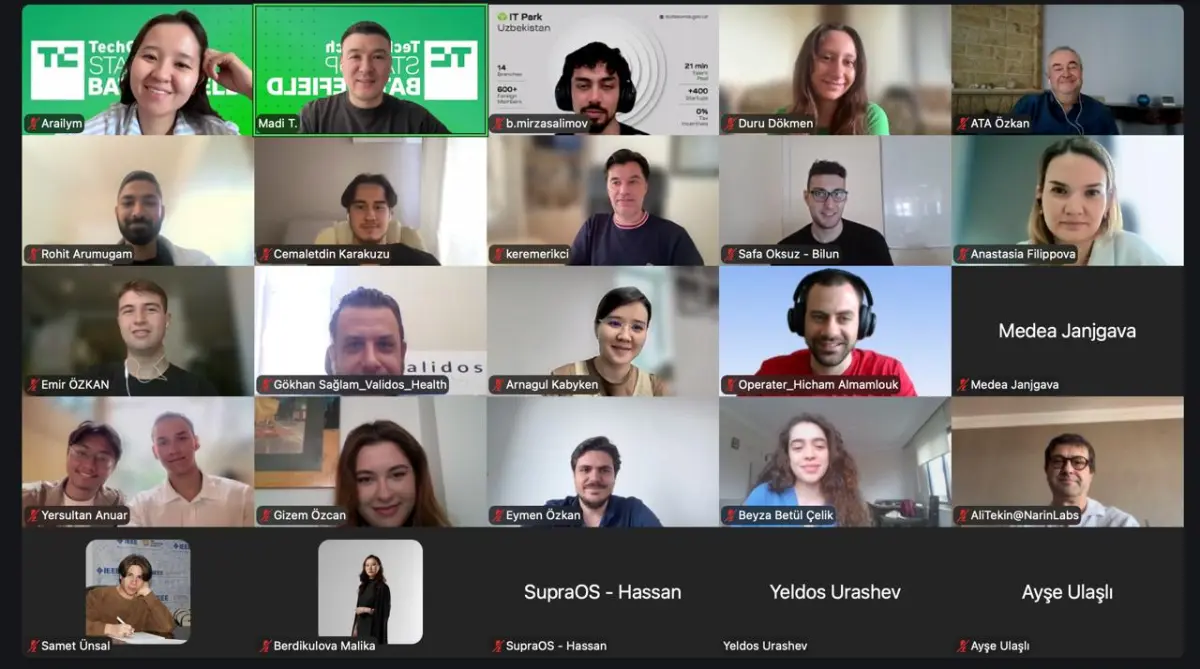
The Road to Battlefield competition, organized by Silkroad Innovation Hub in partnership with TechCrunch, Freedom Holding, Astana Hub, IT Park Uzbekistan, is now in its second year. Its purpose hasn’t changed since it launched: Give founders across Central Eurasia a direct route to TechCrunch Startup Battlefield 200 during this year’s Disrupt from October 13 – 15 in San Francisco.
“For two years now, together with our partners, we’ve been organizing Road to TC Startup Battlefield to give founders in our region a direct line to the top VCs and global ecosystems, one they didn’t have before at this scale,” said Asset Abdualiyev, founder and CEO of Silkroad Innovation Hub. “There’s a lot of talent here the world hasn’t found yet, and that’s exactly who we’re looking for, founders and ideas from every corner of the region who haven’t had their moment.”
The program’s first year, 2025, drew 485 applications from 27 countries, the largest startup pitch event the region had seen at the time. Three startups came out of it to represent Central Eurasia on the global stage: Polygraf AI (Azerbaijan/U.S.), Surfaice (Kazakhstan/U.S.), and Investbanq (Singapore/U.S.).
This year, applications jumped to 726 from 39 countries, which is up nearly 50% in submissions and a dozen more countries than last year. This is a record for the program, spanning Central Asia, the Caucasus, the Middle East, Eastern Europe, and South Asia. Founders pitched online in front of 47 judges from eight countries, drawn from top VC firms, major tech hubs, and founders who’ve scaled their own companies, alongside an AI judge, AI-Dana, as independent jury.
What makes the competition worth watching now, in its second year, is its trajectory. Central Eurasia is now producing one of the fastest-growing startup pipelines in emerging markets, and the numbers back it up.
National rounds for Road to Battlefield 2026 ran online from July 6 to 20. Twenty-two startups came out of it, and they’ll now head to a regional final on August 12. From there, judges will narrow the field to three finalists who’ll represent the region at TechCrunch Startup Battlefield 200.
Meet the Road to Battlefield finalists
Those 22 finalists are MoliyAI (Uzbekistan), Sino AI (Uzbekistan), Deepen (Uzbekistan), Fermopolis (Uzbekistan), Oqim App (Uzbekistan), Cerberus (Uzbekistan), Soup (Kazakhstan), CortexAI (Kazakhstan), Scano (Kazakhstan), 4sell.ai (Kazakhstan), WeGlobal AI (Kazakhstan), ZhanCare.AI (Kazakhstan), Kaptın Kaptın (Türkiye), Pocket eSIM (Türkiye), SeaDar (Azerbaijan), Telagri (Georgia), Admyra (U.S.), Soulward (Kyrgyzstan), Suriy (Mongolia), MVSxAI (Qatar), Looq (Japan), and Defensive Pedal (Romania).
Kazakhstan and Uzbekistan each have six startups in the regional final, a clear sign that these two now stand as the region’s largest startup ecosystems.
“We’re seeing steady growth in AI products, especially from Kazakhstan and Central Eurasia, and that tracks exactly with our vision,” said Magzhan Madiyev, CEO of Astana Hub. “This progress reflects the strengthening of our innovation ecosystem and the tremendous work being done across it. At Astana Hub, our mission is to nurture the next generation of globally competitive founders ready to scale into markets like the U.S., and it’s inspiring to see many of them take the stage, compete internationally, and move one step closer to the world’s leading startup stage.”
In fact, AI dominates the applicant pool: 609 of the 726 startups, roughly 84%, are building AI products, underscoring how quickly the technology has become the default starting point for founders in the region.
“For founders from Uzbekistan and across Central Eurasia, entering international markets is becoming part of their strategy from the very beginning, as more startups build products with the potential to compete and scale globally,” said Azamat Karamatov, CEO of IT Park Uzbekistan. “This reflects the region’s shift toward a more connected and competitive innovation ecosystem. For IT Park Uzbekistan, the priority is to strengthen the pathways that connect high potential startups with international investors, customers, expertise, and leading technology ecosystems. Road to TechCrunch Startup Battlefield contributes to this effort by giving founders from our region the opportunity to participate in TechCrunch Disrupt and the Startup Battlefield stage in the U.S., gain global exposure, build valuable international connections, and engage directly with one of the world’s leading technology markets.”
The competition’s youngest applicant is just 14, and 89 of the 726 applicants, including seven founders from Uzbekistan and Kazakhstan, are under 18. Most applicants are early stage, too: 41.6% at MVP and 38.6% pre-seed, with 14.7% at seed and 4.7% still at the idea stage.
Behind the competition is a wide network of regional partners, supported by leading regional innovation hubs and accelerators across Azerbaijan, Bulgaria, China, Georgia, Kazakhstan, Kyrgyzstan, Moldova, Mongolia, Qatar, Tajikistan, Türkiye, and Uzbekistan: Accelerate Prosperity, Activat VC, Ardventure, Bilkent Cyberpark, Bilişim Vadisi, Caucasus Ventures, CEVF, Doha Business Consulting, Future Laboratory, Future Unicorns, Global Tech Weekend Tbilisi, Hello Tomorrow Türkiye, IT Park Dushanbe, IT Park Mongolia, Khan Tengri Innovation Hub, MOST, Nazarbayev University, SABAH Angels, SABAH Fund, Silkroad Angels, Sofia Tech Park, Startup Moldova, Stanbase, StartupCentrum, and Terricon Valley, with regional media support from TheTech.
This year brought some new stakes to the table, too:
- An $100,000 investment prize pool, split $50,000, $30,000, and $20,000 across the top three finalists, is being funded jointly by Astana Hub Ventures, IT Park Ventures, and Silkroad Innovation Hub.
- The top three winners will get up to $100,000 in OpenAI API credits split the same way, while the rest of the Top 22 finalists will each walk away with $10,000 in OpenAI API credits.
“We’ve been supporting the ecosystem from the very beginning, and this year is no exception,” said Marlen Sikhayev, adviser to the president of Freedom Holding Corp. “What stands out most is how much of it is being driven by AI, solutions built right here in Kazakhstan and across our region that are no longer staying local. They’re being shown to the world, on the same stage as the biggest names in tech. That’s exactly what we set out to support when we backed this initiative, and it’s exactly what keeps us backing it.”
The three eventual winners will also get a fully paid trip and accommodation to TechCrunch Startup Battlefield 200 in San Francisco, along with access to a network of more than 1,000 founders spanning 39 countries.
When you purchase through links in our articles, we may earn a small commission. This doesn’t affect our editorial independence.
>
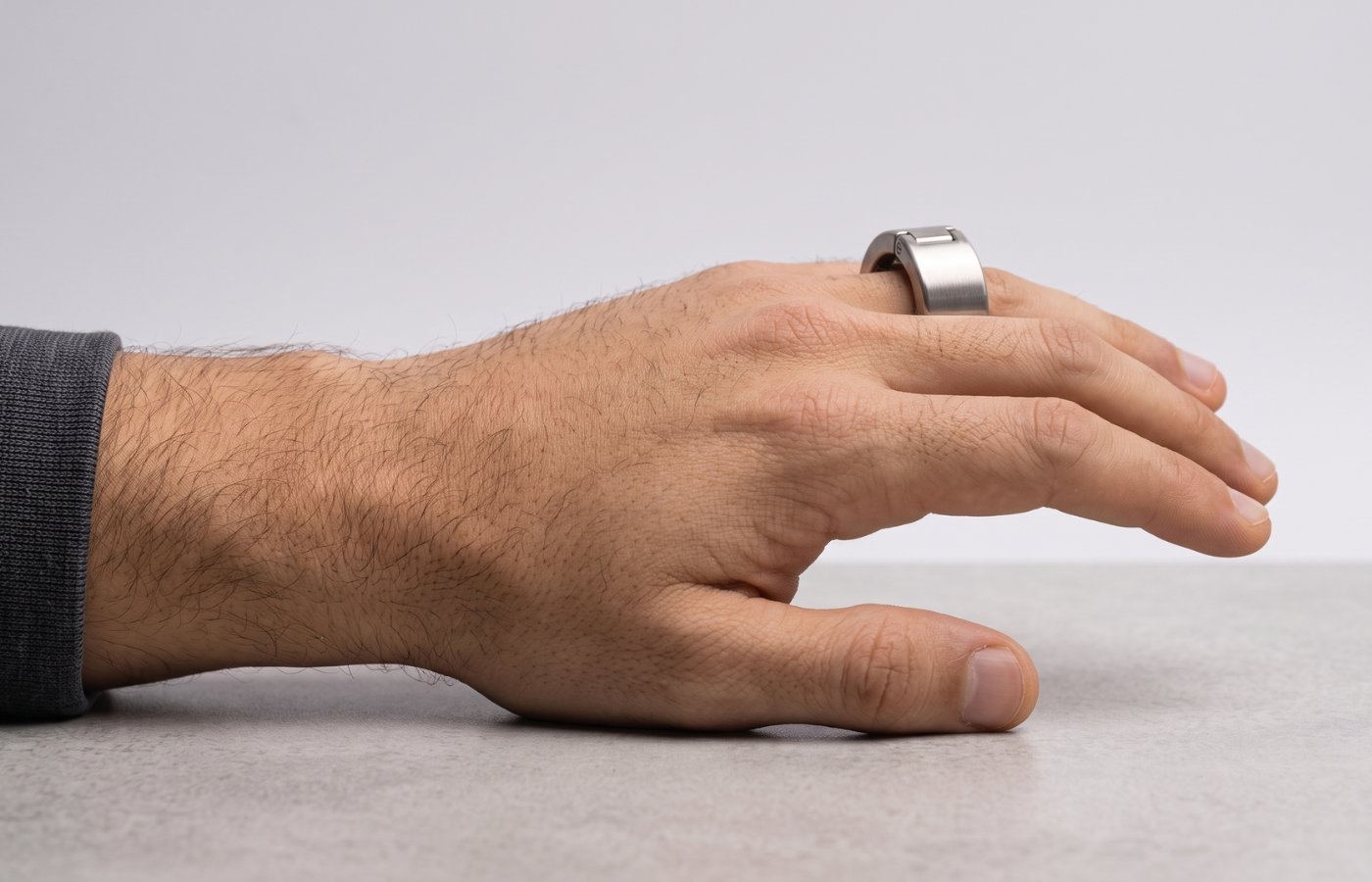
Glucose tracking may eventually be as simple as wearing a ring.
UC San Diego researchers have developed CHARM, a smart ring prototype that reads glucose from sweat collected at the finger. Early human testing compared its estimates with commercial CGMs and blood-glucose meters to see whether a finger-worn device could follow glucose changes throughout the day.
A ring could make glucose monitoring feel less intrusive and easier to fit into daily life if the technology proves reliable.
CHARM collects sweat without a workout
CHARM does not need you to work up a sweat. According to UC San Diego, a soft hydrogel inside the ring passively draws tiny amounts of fluid from the skin. A small channel carries the sweat across sensors that detect glucose.
Glucose in sweat is not the same as a blood-glucose reading. Researchers use personalized calibration to estimate corresponding blood-glucose levels, then CHARM sends the data wirelessly to a phone. People familiar with wearables for blood sugar tracking will recognize the app-connected setup.
Battery life reaches about 12 hours in the current prototype. Sensing hardware and wireless electronics fit inside the ring itself.
Early tests tracked commercial monitors closely
Researchers tested CHARM with healthy participants and people with type 1 diabetes, comparing its estimates with commercial CGMs and blood-glucose meters. Results published in Nature Communications showed that the ring captured the same meal-related rises and falls seen in the reference readings.
Some sweat-based readings lagged blood measurements by roughly 15 to 20 minutes in individual tests. Researchers also reported that personalized calibration settings remained relatively stable for about two months.
More health data fits into the same ring
CHARM can monitor ketones alongside glucose, with researchers also checking those readings against commercial blood measurements.
Sensors can be configured for lactate and uric acid. Vitamin C and alcohol are supported too, with up to four biomarkers monitored at once.
Consumer products currently take a different route. Oura Ring, for example, gets glucose data from Dexcom Stelo. Smartwatches used for glucose tracking generally display readings supplied by a compatible CGM. CHARM puts the sensing technology on the finger.
Everyday glucose tracking still has hurdles
A ring-based glucose sensor could appeal to someone tired of juggling multiple devices. People already getting blood sugar alerts on their smartwatch could benefit most if a ring reduces the gear and upkeep involved in daily monitoring.
If you are watching this category, focus on the basics before getting excited. Accuracy during fast glucose changes and calibration frequency come first. All-day battery life and water resistance will help determine whether a ring can stay on through normal routines.
Researchers still have work to do in those areas. Broader clinical testing and better water resistance remain priorities, and the prototype’s current battery life falls short of the multi-day wear people have come to expect from smart rings.
CHARM remains a research prototype and is not commercially available. FDA guidance says no smartwatch or smart ring has been authorized, cleared or approved to independently measure or estimate blood glucose without piercing the skin. Anyone relying on glucose readings for treatment decisions should continue using an FDA-authorized glucose monitor.
Read our breakdown of five smartwatch health alerts worth knowing across Apple, Samsung, Google, Garmin, and Huawei devices.
>
Virtual bands are about to get a reality check on the world’s largest music streaming platform.
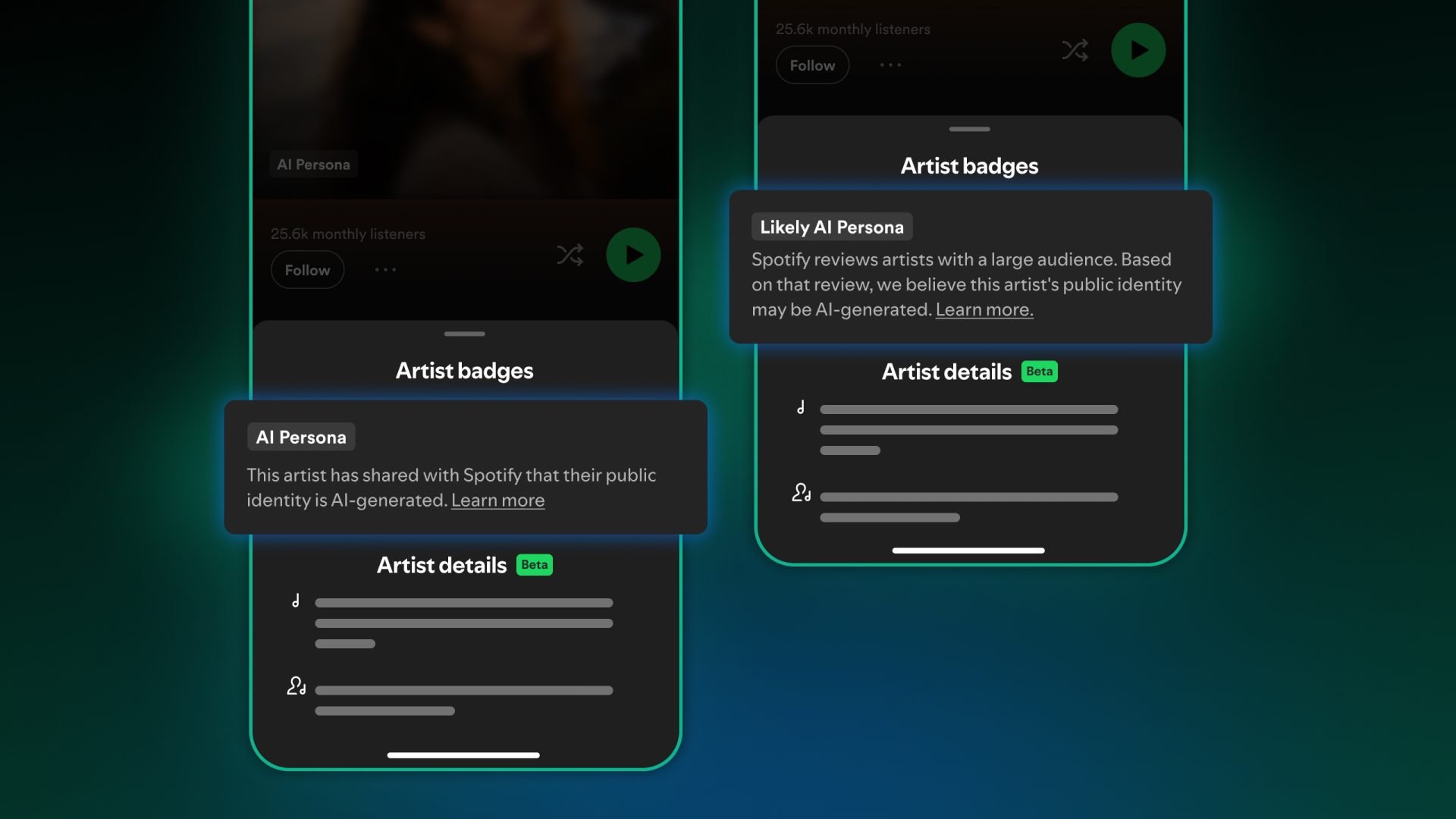
The streaming giant announced Tuesday that it will begin adding “AI Persona” badges to artist profiles that appear to represent AI-generated identities rather than human performers. The labels will start appearing in mid-September across artist pages, search results, and playlist track listings.
Spotify said the move is meant to improve transparency as AI-generated artists become more common on streaming platforms. “Listeners have been clear in telling us that they don’t like seeing an artist profile that seems human, only to find out that the persona is AI-generated,” the company said.
Artists will be able to voluntarily disclose that their profile represents an AI Persona through Spotify for Artists, but the company said it will not rely on self-reporting alone. Spotify will also review profiles whose names and images appear to depict photorealistic AI-generated identities, beginning with artists that have reached certain audience thresholds.
AI artists will lose algorithmic promotion
The biggest change is that Spotify will stop including AI Persona accounts in its editorial and algorithmic recommendations by default.
That means AI-generated artists will not appear in personalized features such as recommendation feeds unless a listener has already chosen to follow them. Users can still search for, listen to, and follow those artists. Spotify said the policy is focused on how artists present their identity, not whether AI was used during the music-making process.
“This badge is about the artist’s public identity, not about how the music was made,” Spotify said. The company will continue using separate tools, including AI Credits and SongDNA, to provide information about how songs were created and what role AI played in production.
The challenge of AI music discovery
The change comes as streaming platforms deal with a flood of AI-generated music and concerns that synthetic artists could compete with human musicians for attention and revenue.
Spotify has already introduced several transparency features, including Verified by Spotify for authentic artist identities and AI Credits that allow musicians to disclose AI involvement in their songs.
The company is also trying to balance AI innovation with concerns about low-quality, mass-produced content. Spotify has invested in AI-powered features such as AI DJ and other personalized tools while attempting to prevent recommendation systems from being overwhelmed by automated music uploads.
A new trust layer for streaming
Spotify’s approach creates a middle ground between banning AI artists and allowing them to compete equally for discovery. Instead of removing AI-generated performers, the company is limiting how easily they can be surfaced to listeners who did not actively seek them out.
That strategy could help protect human artists from losing visibility, but it also places pressure on Spotify to accurately identify AI personas. False labels could affect legitimate creators who use AI tools creatively, while missed detections could continue the same transparency problems the company is trying to solve.
The policy also highlights a growing divide in the music industry: AI itself is becoming less of the issue than whether listeners understand what they are hearing and who they believe they are supporting. Spotify said users will eventually be able to report artist profiles they believe represent AI Personas but have not been labeled, adding another layer of community oversight to the system.
Also read: YouTube is taking its own approach to synthetic content with new monetization limits for repetitive AI-generated videos and synthetic personas while still allowing creators to use AI as part of original work.
>
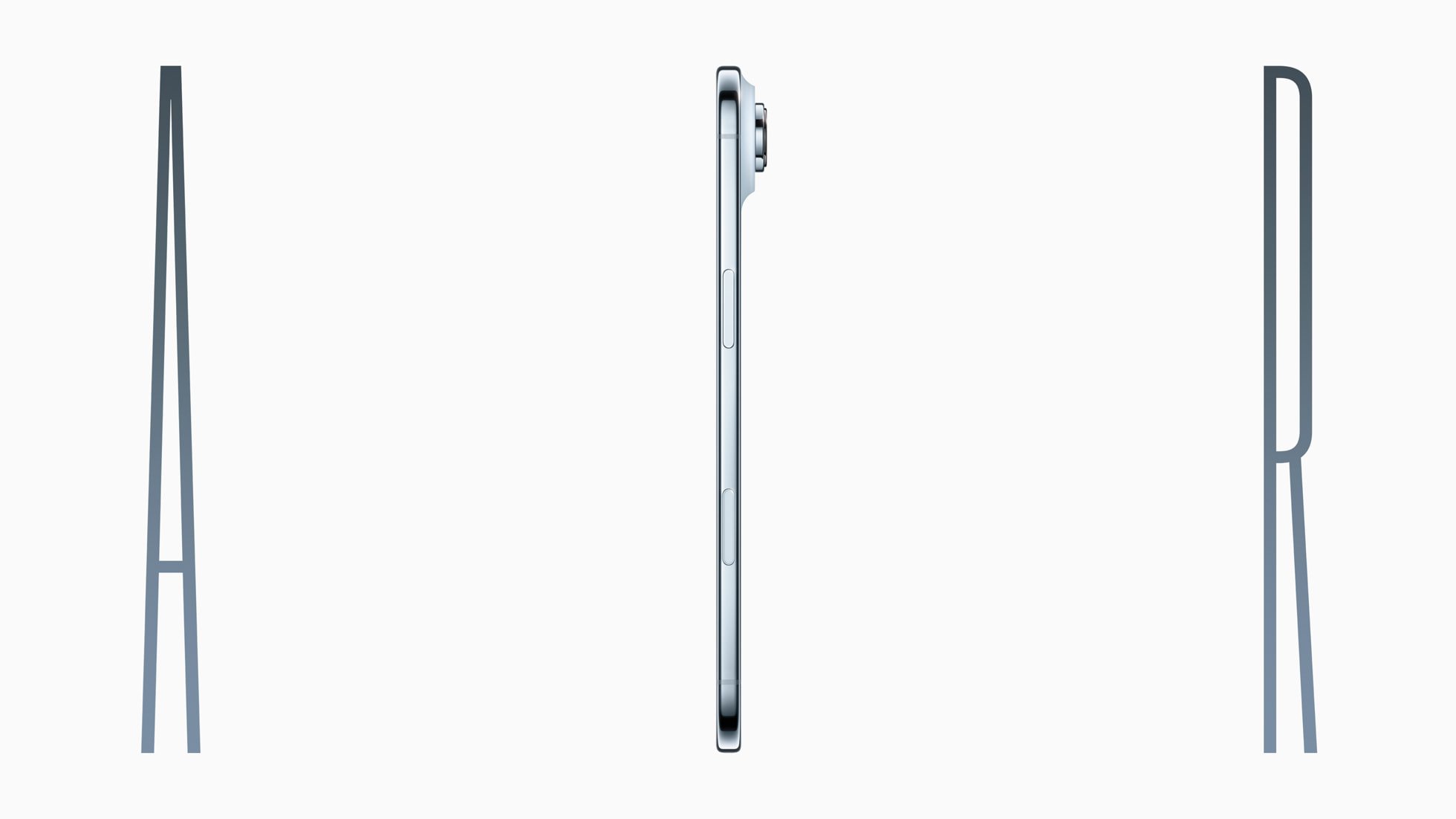
Apple’s iOS 27 beta 5 reportedly contains internal references to six unreleased iPhone models, offering an unusually broad glimpse at hardware the company has yet to announce. Macworld first reported that the identifiers appear in battery-related system files alongside references to existing iPhones.
The codes align with previous reporting that has linked them to the iPhone 18 family, a second-generation iPhone Air, and Apple’s expected foldable iPhone. They also fit reports that Apple may be preparing a wider lineup with launches spread across fall 2026 and spring 2027. The beta does not reveal final product names, specifications, prices, or release dates, and Apple has not announced any of the devices.
Six codes map Apple’s expanding iPhone lineup
The identifiers are said to be V62, V63, V64, V67, V68, and V69. The Information’s reporting on Apple’s iPhone roadmap previously linked them to these planned devices:
- V62: second-generation iPhone Air
- V63: iPhone 18 Pro
- V64: iPhone 18 Pro Max
- V67: iPhone 18
- V68: foldable iPhone
- V69: iPhone 18e
Macworld’s analysis of the beta found the identifiers in Battery Intelligence and battery-driver files. Their presence suggests the projects remain represented in Apple’s software development, although internal references do not establish whether every device will ultimately ship.
V68’s retail name remains uncertain. Reports use both “iPhone Fold” and “iPhone Ultra,” but Apple has confirmed neither. TechRepublic has been tracking Apple’s expected foldable iPhone as multiple reports have pointed to a 2026 launch window for the company’s first folding handset.
The foldable could also broaden the range of screen sizes and form factors that developers and enterprise IT teams support within Apple’s mobile ecosystem. Applications that behave differently across screen configurations or multitasking modes could require additional validation once Apple publishes specifications and developer guidance.
The codes seem to reinforce a changing release strategy
Battery-related software offered an earlier clue about Apple’s foldable plans. On July 20, iOS 27 beta 4 introduced system strings referring to multiple batteries in an iPhone. Foldable phones commonly divide battery capacity between sections of the device, although Apple has not confirmed that the strings refer to its unannounced handset. Earlier TechRepublic coverage also examined foldable-related clues found in iOS 27.
The six identifiers also align with reports that Apple may stagger its next iPhone release cycle. Current reporting points to a fall 2026 launch for the iPhone 18 Pro, iPhone 18 Pro Max, and foldable, with the standard iPhone 18, iPhone 18e, and redesigned second-generation iPhone Air reportedly targeted for spring 2027. Apple has not confirmed those launch windows.
TechRepublic previously reported that the standard iPhone 18 could shift to 2027, a change that would break from Apple’s usual practice of concentrating major numbered iPhone launches in the fall.
A split rollout could spread device testing, mobile device management validation, app compatibility checks, and procurement across separate release windows. Organizations that standardize employee iPhones could also face different evaluation and purchasing cycles for mainstream and premium hardware.
Until Apple announces the devices and publishes compatibility requirements, the six identifiers remain an early view of its development roadmap rather than a firm fleet-planning timetable.
Read more: Apple’s lineup could expand further after this cycle, with reports pointing to an even broader iPhone family in 2027 as the company reshapes how and when it introduces new models.
>

‘Don’t Say Good Luck’ Review: Melanie Lynskey & Sunny Sandler Star

Sundance Film ‘Run Amok’ Gets US Distribution With Greenwich

Everton’s Martin Sherif charged with alleged breach of FA rules over 61 bets
-

 movies3 months ago
Search For Canadian TV Actor Stewart McLean Now Homicide Investigation
-

 Fashion9 years ago
These ’90s fashion trends are making a comeback in 2017
-
Fashion9 years ago
According to Dior Couture, this taboo fashion accessory is back
-
Fashion9 years ago
Model Jocelyn Chew’s Instagram is the best vacation you’ve ever had
-
Fashion9 years ago
Your comprehensive guide to this fall’s biggest trends
-
Fashion9 years ago
9 Celebrities who have spoken out about being photoshopped
-
Fashion9 years ago
Emily Ratajkowski channels back-to-school style
-
Fashion9 years ago
A photo diary of the nightlife scene from LA To Ibiza