
Tech
WhatsApp Begins Limited Test of AI Scam Alerts for Unknown Senders

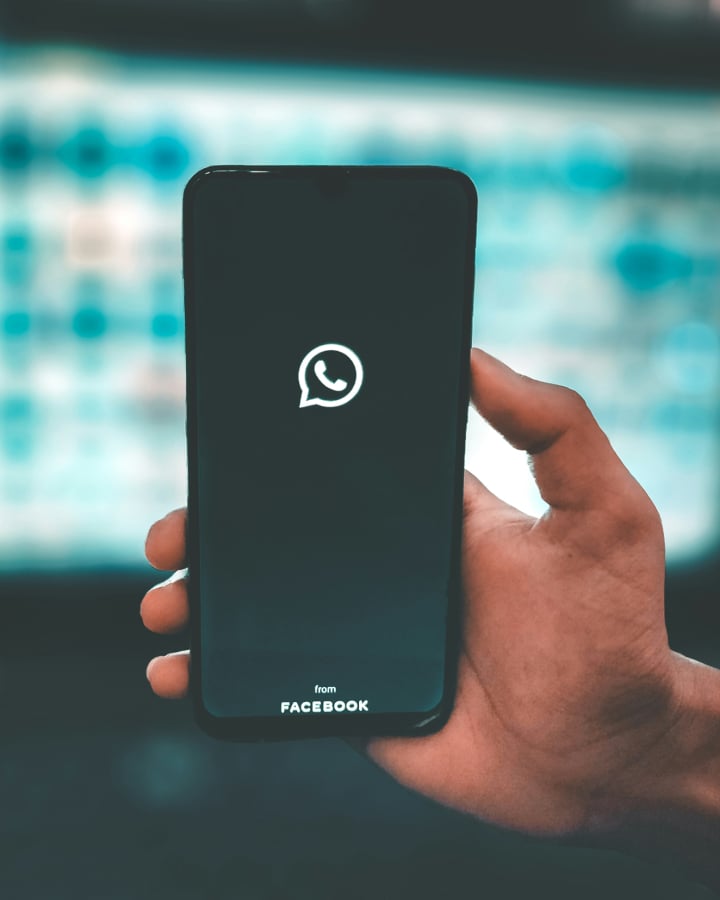
WhatsApp is adding a new layer of protection that could stop some scams before users even respond.
WhatsApp is rolling out Scam Alert, an optional feature that uses an on-device machine learning model to identify potential scams in messages from people who are not in a user’s contacts. The feature is currently available in a limited beta as Meta tests it with security researchers and gathers feedback before a broader launch.
The model looks for linguistic and conversational patterns associated with known scams. If it detects a likely scam, WhatsApp displays a warning that only the recipient can see. Users can then block or report the sender, continue the conversation, or mark the chat as trusted.
If a warning is wrong, marking the conversation as trusted removes the alert and prevents Scam Alert from flagging that chat again. Users can also voluntarily share the last five messages from a trusted conversation with WhatsApp to help improve the model.
Privacy remains central
Meta says Scam Alert was designed to work without giving WhatsApp access to users’ encrypted conversations. The detection model runs locally on the device, and message content is not automatically sent back to the company.
The company says it also cannot use the system to send a particular AI model to an individual user selectively. Each model version is recorded on a third-party transparency ledger before distribution, while devices verify published signatures and file hashes before loading a model.
WhatsApp also collects limited performance data, such as how often warnings appear and what users do afterward. According to Meta, those figures are aggregated and protected using confidential computing and differential privacy rather than exposing individual conversations.
Users will eventually be able to inspect Scam Alert activity in WhatsApp under Account > Request Info > Scam Alert Activity, including which messages were analyzed, the result, and the model version involved.
Must-read security coverage
A response to a growing scam problem
The feature arrives as scammers increasingly use messaging platforms to build trust, pressure victims and solicit money or personal information. The Federal Trade Commission said consumers reported $2.1 billion in losses from social media scams in 2025, including $425 million tied specifically to WhatsApp, according to CNET.
That makes the phone-based approach particularly significant: WhatsApp is trying to add an automated layer of protection without requiring its servers to inspect private conversations.
The tradeoff behind the warning
Scam Alert could give users a useful second opinion before they respond to an unfamiliar sender, but it is not a guarantee that a message is safe or fraudulent. Machine learning can miss sophisticated scams or incorrectly flag legitimate conversations.
Scam Alert remains an experiment, not a finished security feature. Meta says it will continue testing the system with security researchers, expand bug-bounty coverage, and refine the model before deciding whether to make it broadly available.
If the approach works, WhatsApp could gain an additional layer of scam protection without abandoning the privacy model that has defined the service — but users will still need to treat any automated warning as guidance rather than proof.
Other News: DentaQuest has disclosed a data breach affecting nearly 15 million people, with exposed information potentially including names, Social Security numbers, and health insurance details.
>

Microsoft has spent years retreating from China. AI may be a reason it does not leave entirely.
Reuters reports that the company has closed at least 15 offices and joint ventures in China and came close to executing a complete exit in 2023, as geopolitical tensions, tighter Chinese technology policies, and U.S. export controls have made the market increasingly difficult to serve.
However, Microsoft has found a narrower opportunity in the same market: selling Azure cloud and AI services to Chinese companies with international operations, including ByteDance.
That shift changes what Microsoft’s China strategy looks like. Rather than trying to remain a major foreign software provider in China’s domestic market, Microsoft is increasingly using its cloud platform and access to Western AI models to serve Chinese companies that need technology for their businesses outside the country.
That business model, too, isn’t entirely immune to the problems that led the company to want to leave, leaving Microsoft in an unusually sensitive spot.
Microsoft is facing pressure from two sides
Microsoft’s office closures are not just about reducing physical presence; they reflect a business that has become harder to justify as Microsoft’s traditional software market in China shrinks.
The country accounted for only about 1.5% of Microsoft’s global revenue in 2024, according to Reuters. That means Microsoft is being asked to bear significant geopolitical, regulatory, and operational risks for a relatively small share of its worldwide business.
Beijing already has a growing preference for domestic technology. Chinese government agencies have been encouraged to replace foreign software with Chinese alternatives. Microsoft’s own attempt to build a China-specific version of Windows for government customers also did not translate into measurable adoption.
What is equally important is the squeeze from Washington. U.S. export controls on advanced chips and AI technology have restricted what Microsoft can provide to Chinese customers and what its China-based engineers can access.
Reuters says those restrictions have also affected Microsoft’s research operations, with the company having to move some researchers outside China.
The problem is that U.S. restrictions can also strengthen the very domestic technology push that is hurting Microsoft. Beijing has also tightened restrictions to foreign businesses.
In other words, U.S. controls may directly limit Microsoft’s business in China while also giving Chinese companies and policymakers another reason to reduce their dependence on foreign technologies like Microsoft’s.
More Microsoft news
AI gives Microsoft a narrower path in China
AI and cloud services give Microsoft a reason to preserve part of its China business, but analysts have questioned how durable that opening is.
Microsoft relies on third-party AI providers, meaning a change in U.S. or AI providers’ access-to-China policy could quickly weaken one of the reasons customers use Azure.
There is another problem: the same push for domestic technology that hurt Microsoft’s traditional software business also applies to AI. Chinese companies have increasingly capable homegrown models, giving them another reason to avoid foreign providers.
That is where companies such as ByteDance and Shein become particularly important. They operate internationally and often require AI and cloud infrastructure to serve global markets. That makes Microsoft’s Azure and access to Western AI models an attractive alternative.
The old global tech playbook is breaking down
Microsoft’s China strategy shows how geopolitical tensions are moving beyond policy documents into corporate operating decisions. The company has reduced its footprint while keeping selected businesses alive, even as a Reuters source stressed there are no definitive plans to leave China.
For other multinationals, that could become the new playbook: Stay where the business still works, reduce exposure where politics raises the cost, and build around a technology environment that is increasingly split along national lines. How that plays out in the long run remains to be seen.
Other Microsoft News: The company is merging its separate Microsoft 365 Copilot and Copilot apps into a more unified experience as it continues consolidating its growing lineup of AI tools.
>

AI coding startup Cursor is now officially a part of SpaceX, according to an announcement on the Cursor blog.
Elon Musk’s SpaceX — which also acquired Musk’s xAI earlier this year — announced a deal in April for the companies to develop technology together; the deal also gave SpaceX the option to acquire Cursor for $60 billion. Two months later, as SpaceX became a public company, the companies said they were moving forward with the acquisition.
In its announcement that the deal has closed, Cursor repeatedly referenced SpaceX’s computing infrastructure, which the company has been renting out to customers including Anthropic and Google. (SpaceX also faces a lawsuit over the pollution created by its data center gas turbines.)
Cursor said that by becoming part of SpaceX, it will have “access to the largest fleet of GPUs in the world.”
“SpaceX is building the computing capacity needed to scale intelligence far beyond what exists today,” the company added. “Cursor will be one place where that intelligence becomes useful.”
>

Just like any other online service, hackers can target and break into your accounts on popular AI platforms such as ChatGPT, Claude, and Perplexity.
TechCrunch has created a comprehensive guide to help you protect yourself if you suspect someone has broken into your account on one of the internet’s most popular platforms, social networks, or messaging apps. Now, we’re here to show you how to check whether your accounts on AI platforms have been hacked.
As usual, we recommend using unique passwords stored in a password manager, and turning on multi-factor authentication (MFA), so that even if someone steals your password, they won’t be able to log in without that second piece of information.
ChatGPT and Perplexity offer MFA. Claude doesn’t, because instead of asking for a password, Anthropic’s AI chatbot sends a login link to your email address.
All three of these AI platforms offer similar ways to check if there’s a suspicious device logged into your account. Here’s exactly how each platform works.
ChatGPT
To find out if someone has broken into your ChatGPT account, open it on your computer’s browser, click on your username in the bottom left corner, go to “Settings,” then “Security and Login,” and finally click on “Active Sessions.”
You will see where you are logged into your ChatGPT account. If you see any device you don’t recognize, you can log out of that single device. You can also click on “Log out all.”

At this point, if you want to change your password, you need to log out of your account.
Then, on ChatGPT’s website, click “Log in” located in the bottom-left corner, enter your email address, click on “Forgot password,” and then “Continue.”
ChatGPT will then send you an email containing a six-digit code. Enter the code on the ChatGPT login page, click “Continue,” and then enter a new password.
You can also click “reset your password” in the email you received to see the official instructions on how to do that.
Claude
For Claude, open it in your computer’s browser, click on your username in the bottom-left corner, then “Settings,” and click on “Account.” That’s where you will see your “Active sessions.”
If you don’t recognize one of them, hover over it, click on the three vertical dots that appear on the right, and click “Log out” or “Terminate.”

If you want, you can click on “Log out of all devices.”
At that point, you’ll be able to log back into your account using your email address. You will receive an email with a link to log in. Claude does not allow you to use passwords at all, so there’s no password to change.
Perplexity
In the case of Perplexity, the AI-powered search engine does not show you where you are logged in.
So if you’re worried someone may have broken into your account, go to Perplexity in your browser and click your username in the bottom-left corner, then “All settings.” Finally, click on “Sign out of all sessions,” and then “Confirm.”

At that point, you can log back in by entering your email address. You will then receive an email with a unique six-digit code. Enter the code on the website to log in, or click on the “Sign in” button in the email to log in directly.
When you purchase through links in our articles, we may earn a small commission. This doesn’t affect our editorial independence.
>

American Kate Douglass regains women’s 50-meter freestyle world record at Pan Pacs

WhatsApp Begins Limited Test of AI Scam Alerts for Unknown Senders

The 7 Best Rom-Coms on Netflix in August
-

 movies3 months ago
Search For Canadian TV Actor Stewart McLean Now Homicide Investigation
-

 Fashion9 years ago
These ’90s fashion trends are making a comeback in 2017
-
Fashion9 years ago
According to Dior Couture, this taboo fashion accessory is back
-
Fashion9 years ago
Model Jocelyn Chew’s Instagram is the best vacation you’ve ever had
-
Fashion9 years ago
Emily Ratajkowski channels back-to-school style
-
Fashion9 years ago
Your comprehensive guide to this fall’s biggest trends
-
Fashion9 years ago
9 Celebrities who have spoken out about being photoshopped
-
Fashion9 years ago
A photo diary of the nightlife scene from LA To Ibiza