
Sports
As Roger Federer enters the tennis Hall of Fame, he is finally ready to remember

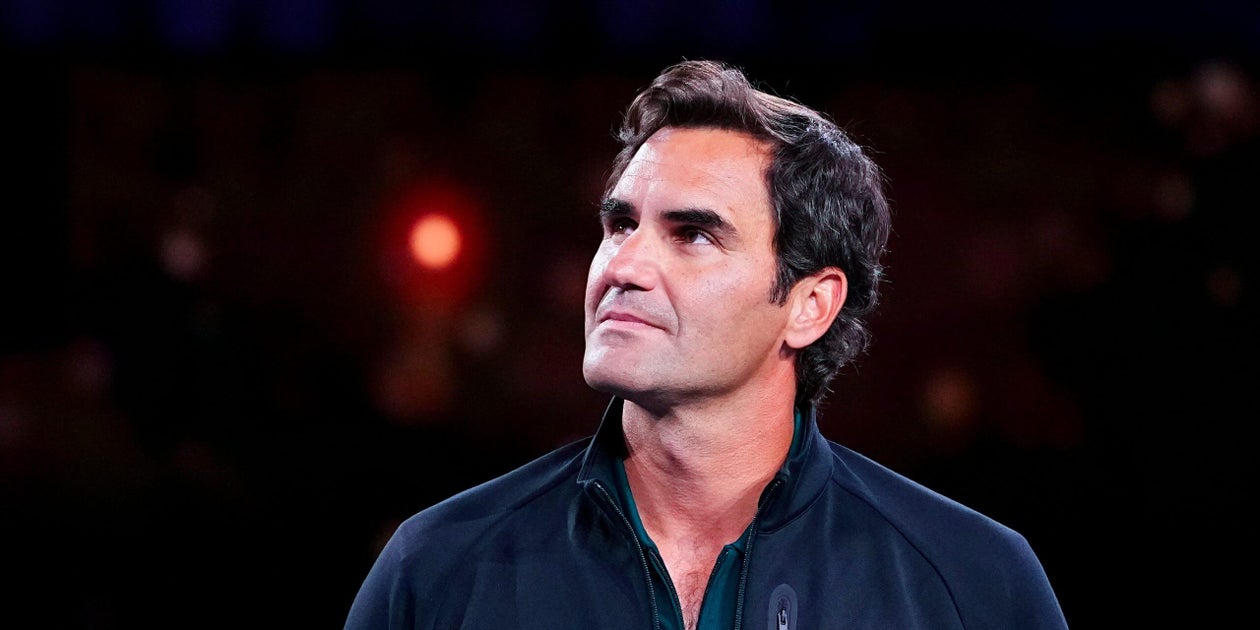
NEW YORK — As he rode past Grand Central Station the other day, Roger Federer’s mind drifted back to 1998, and his first trip to the U.S. Open.
He was playing in the boys’ event. He stayed at the Grand Hyatt, right next to Grand Central. He shared a room with his doubles partner, Olivier Rochus of Belgium.
They had won the Wimbledon boys’ title together earlier in the summer; they figured they would try to double up, but instead lost in the first round. Federer had better luck in the singles, making it to the final, where he lost to David Nalbandian.
When they weren’t at the Billie Jean King National Tennis Center, he and his coaches wandered around Midtown. Federer’s eyes were wide open, just as they had been when he was 14 and traveling to the U.S. for first time.
“It gave me a similar vibe, that I need to come back,” Federer said during another New York car ride in late August, from Flushing Meadows back to Manhattan. “I fell in love with New York and the energy. Then I came back the following year, lost in the qualies (qualifying), second round against a good friend of mine, Swiss guy. And then after that, the main draws came.
“It was a great run.”
It was. Twenty Grand Slam titles, five in a row at the U.S. Open and six in all. Still the last man to defend the title here. And that’s just in New York.
This week, Federer’s mind is doing something it doesn’t often do. He’s letting it roll back through the years. On Monday, he walked onto Arthur Ashe Stadium for the first time since 2019, the last time he played in the tournament. On Saturday, he will be inducted into the International Tennis Hall of Fame in Newport, R.I., the first of a long line of generational talents from the 1990s and 2000s to receive the honor. Rafael Nadal, Serena and Venus Williams and Novak Djokovic will have a week like this in the coming years.
Five years after his last singles match, at Wimbledon in 2021, Federer is ready to remember.
U.S. Open 2026 preview
Ava Wallace and Jen Klockner
It is proving therapeutic, even if it has all come on a bit too fast. The 45-year-old didn’t retire from tennis until 2022, at the Laver Cup in London that has gone down in tennis’ emotional folklore, all tears shed and hands held. But because his last official match was a year earlier, he met the five-years-removed criteria that the Hall of Fame imposes.
It’s an opportunity for perspective, something Federer said he needed. He’s adjusted. He’s found a way to rediscover some poetry in what he did on and off the court during his career, the poetry which came so naturally in the moment but has since been dormant.
“It’s nice for me to open the door quickly and peek inside of my past, of my tennis career, because I do very little of that nowadays,” he said, as the SUV rolled past LaGuardia Airport.
“I don’t do many interviews, I don’t think about it often. I don’t get asked that much, because I move in circles where I don’t get asked a million times about every single detail.”
This week though, is different, and he’s good with it. He is thinking about it. The memories are flowing in ways they never have, because it’s impossible to watch a movie and star in it at the same time. Even when Federer retired, the emotion of it all, the magnitude of a career that belonged to one of the most beloved players ever to swing a racket, got in the way of reflection.
“When you retire, you never truly close the book. Maybe you do it on the entirety of your career, but then … maybe New York was a part of that. Maybe your hometown tournament was a part of that. You had so many emotional spots or people that trigger you that you can never fully close it,” Federer said.
This, he thinks, will be different. The Hall of Fame is the ultimate valedictory. It enshrines a player’s individual contribution to the sport while reminding them that they are but a star in a galaxy. It even got Pete Sampras warm with nostalgia. Just wait, Federer said Sampras warned him years ago. It’s all going to hit you.
“I’m still young enough to let it come back to me. You know, I’m an emotional person, so I think the Hall of Fame allows me to really have a nice look back at everything I achieved, what I will represent. I guess the biggest thing is a giant thank you to everybody who has helped me reach today.”

Roger Federer played an exhibition at the Tennis Hall of Fame in Newport, R.I. ahead of his induction. (Joseph Prezioso / AFP via Getty Images)
New York was a good place to get the party started. He may have won his last title there nearly 20 years ago, in 2008, longer ago than his last Australian Open, French Open, or Wimbledon triumph. But his record of five consecutive U.S. Opens has a certain gravity.
Listening to him talk about New York, it’s obvious how Federer managed to stay in orbit.
He learned to feed off the energy of the city. He embraced its glitz and glamour. One year he stayed in Greenwich, Conn. Never again. Once on site, he found a little room where he could find his zone of quiet and focus on his business.
It got harder toward the end. His fame had made him as big a celebrity as the ones who gazed at him from their courtside seats. As he spent the better part of two days around the National Tennis Center, the week before the U.S. Open main draws get under way, he was still barely able to take a few steps without someone asking for a selfie or an autograph.
That even happened in the player areas. The people grinding their way through qualifying or practicing are mostly in their late teens and early 20s. They grew up worshipping Federer like any other tennis fan, but many of them, if not most of them, have never been at the same tournament site as him.
Still, that doesn’t happen in other sports. The new guy the New York Yankees just called up from the minor leagues isn’t asking for a selfie with a Hall of Famer like Derek Jeter when he walks into the clubhouse. That guy will try to play it cool, to show that he’s sort of in the same club. Figureheads are there to be emulated.
Not Federer. No one will ever be like him, the essence of drive and effort disguised by effortlessness on and off the tennis court. He handles it all in the usual way.
“People wanting to meet me, see me, take pictures and not only here, but then the city, and traffic and it’s just a lot. But I always embraced it.”
He embraced it so much that he came back just about as quickly as he could, following his retirement. Not for tennis. To host the Met Gala in 2023.

Roger Federer won five consecutive U.S. Open titles between 2004 and 2008. He remains the last man to defend a title in New York. (Don Emmert / AFP via Getty Images)
Federer was always different, in one way more remarkable than all the rest. The thing so many of the greatest of the greats crave in retirement is the thing they can’t replicate. That adrenaline rush that can only come from walking into the cauldron of high-stakes competition with tens of thousands of fans in the stands and millions watching at home, and then putting everything on the line. No business meeting or appearance will ever replace it.
Federer? He is OK with that. When he explains why, he gives something like a wince.
“I’m actually relieved I don’t have that any more. The pressure cooker and all that stuff is a lot to take,” he said. “It’s a relief not to go through those … Let’s say, knots in the tummy, time and time again. It made me … I don’t want to say tired, but — ”
He exhales. He is remembering.
Instead, he loves to watch other famous people and elite performers practice their craft. Concerts. Rugby union’s World Cup. Tennis at Wimbledon and the Laver Cup, the team competition he and longtime business partner Tony Godsick created. It’s fun to be the fan, wondering what a favorite singer or great athlete in another sport can do, or what they are thinking in the moment.
Saturday, he will get his turn. This is his first time in Newport, one of America’s storied playgrounds. Somehow, he had never made it to the Hall of Fame.
He is not exactly sure how that happened. He was one of those players who loves to geek out on tennis history. He named his team competition for Rod Laver to honor one of his heroes of the past. He’s into this stuff.
He scheduled time to look around and soak in the story of the sport and see how he fits into it. He had an idea, but it’s not something he dwells on regularly.
Then there is the small matter of his speech. He delivered the commencement address at Dartmouth’s graduation in 2024. He crushed it. It has become one of the most-quoted speeches of the genre, which usually involves famous people talking about their success and patting themselves on the back. Federer, who has had more success in his chosen endeavor than just about anyone else has had at theirs, spoke about failure.
He talked about losing nearly half the points he played. He spoke about his loss to Rafael Nadal in the 2008 Wimbledon final. He spoke about the most important thing for any tennis player, and maybe for any person — focusing on what happens next.
The Hall of Fame speech will be different.
“I’m not teaching class,” he said. “This is more of my personal perspective. It’s nice to go to these emotions.”
He’s doing what he did when he played. Visualizing. Imagining what it’s going to be like to drive to Newport, to receive the warmth and the gratitude, and to give it back. That’s important to him. It always has been.
Will he turn into a puddle once more?
Federer grew up at a time and in a place where men showing emotions, especially athletes, was not much of a thing. He can’t remember seeing a Swiss soccer or hockey player or skier, or really any sporting hero of his, cry. Maybe Michael Schumacher cried once, he thinks.
Tiger Woods cried a bit. So did Michael Jordan. He never figured he’d be like them. Then he and his Swiss teammates beat an American team that Patrick McEnroe led to the Davis Cup in his hometown of Basel. The Swiss had never beaten the Americans before. Lots of tears for that one. McEnroe is now the president of the International Tennis Hall of Fame; he will help manage the weekend’s ceremonies.

Roger Federer stepped on to Arthur Ashe Stadium for an event in his honor ahead of this year’s U.S. Open. (Garrett Ellwood / Getty Images)
A few months later, Federer beat Sampras at Wimbledon. A puddle once again. He couldn’t believe it.
“The more I tried to hold it in, the more sometimes it came out,” he said. That informs his expectations for Saturday.
“I’m not sure yet what it’s going to be like. I wish I knew, but at the same time, it’s good to be surprised. I might get through the whole speech completely at peace, or I’ll go through so many moments that I’m going to get hit by emotions.”
Earlier in the ride, somewhere just outside the Tennis Center, Federer was again trying to remember. He knew that in between retirement and this week, in those four years of letting everything he had achieved marinate, he had actually been to the U.S. Open. He couldn’t quite place it, the year and the reason. But something did stick in his head. He was in a suite in Arthur Ashe Stadium, hobnobbing the way legends of the game do. Watching the stars of today with some other players from his era.
At some point in the match, the tournament flashed Federer’s image on the big screen, his face and his suit jacket and his boldface name in lights. The 24,000-or-so fans inside cheered and whooped. Roger Federer, and all that he represented, in the same room as them.
“That wasn’t a farewell moment for me,” Federer said. “I haven’t really been here.”
He is here now. It was time.
>

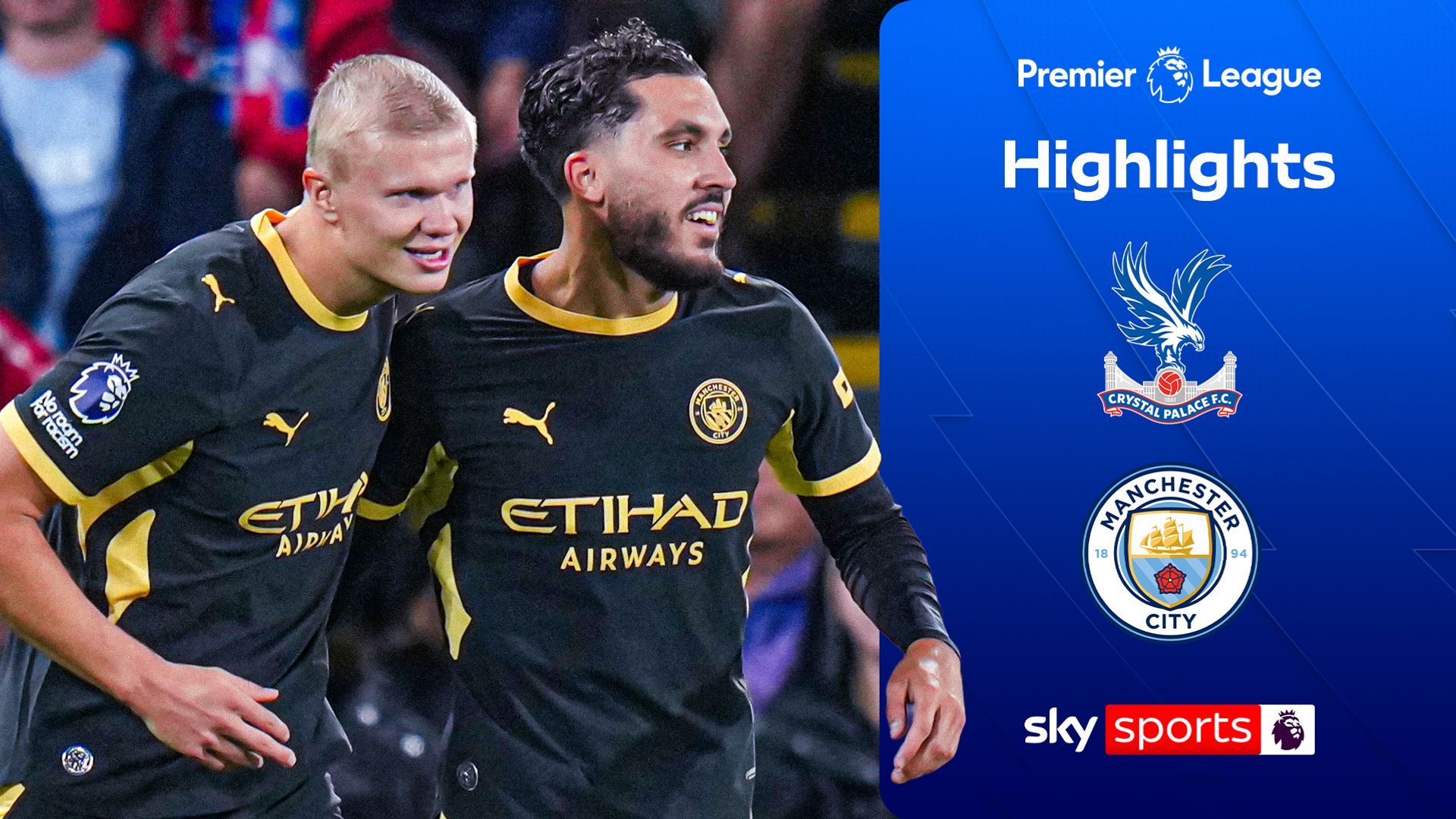
Highlights from Crystal Palace against Manchester City in the Premier League.
>

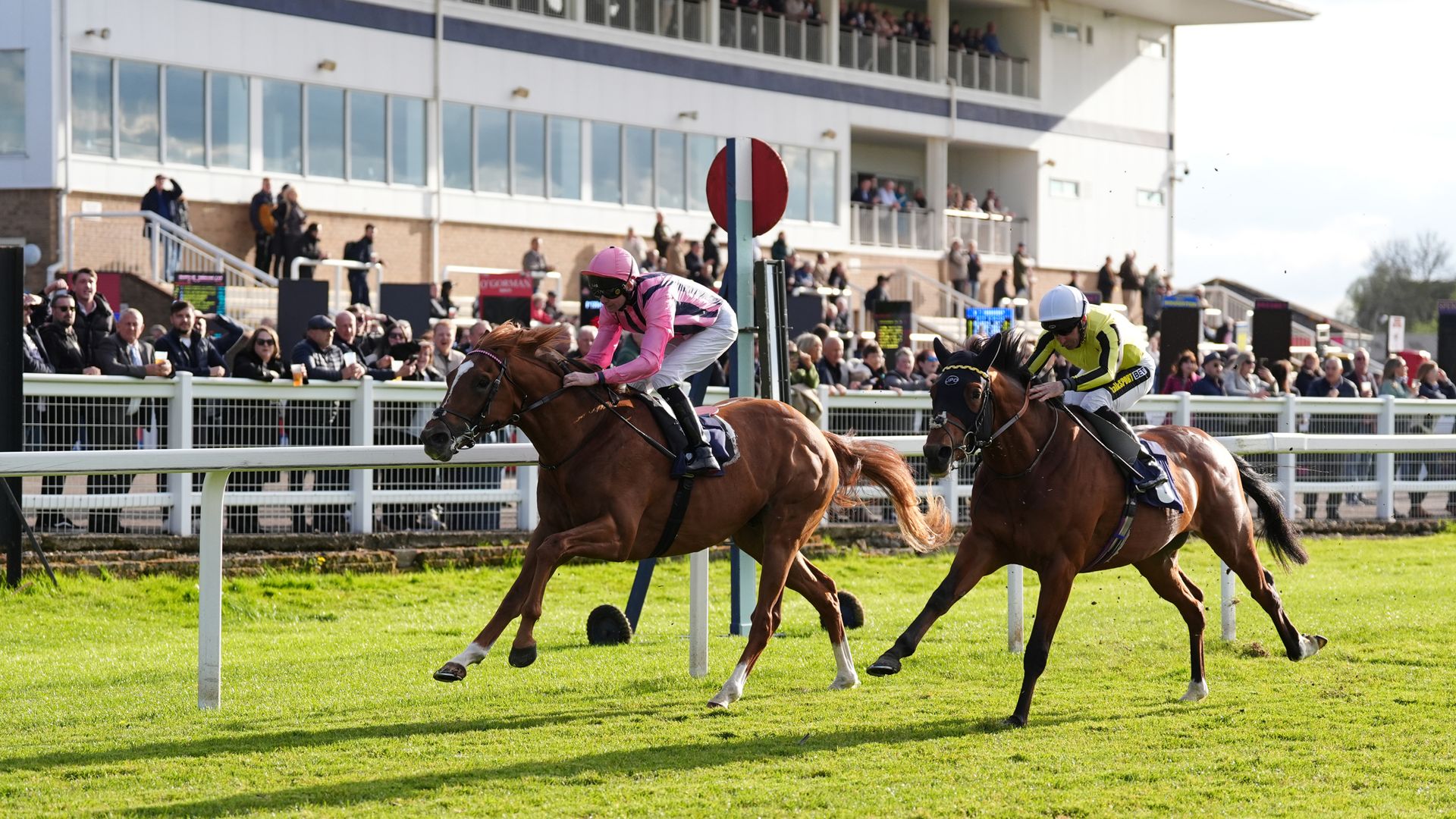
We have an action-packed day’s racing on Saturday with flat action from Chepstow, Windsor and Saratoga, live on Sky Sports Racing…
6.30 Windsor – Ghostwriter, Tenability and Silawi headline
The feature event on a splendid card at Windsor sees Ghostwriter and Tenability headline nine runners for this Listed August Stakes.
Ghostwriter has attracted a lot of attention since Amo bought him for £2 million back in June 2025 and he has yet to reward his connections. A classy operator at his peak, he showed he might be building towards a big performance when fourth at Goodwood and this looks a good fit.
Silawi, winner of the Grade One Canadian International at Woodbine last year, ran a cracker when runner-up in the Jebel Hatta in January but has not hit those highs since. Well beaten in Germany last month, he will hope to bounce back at a track that suits.
Tenability shoulders a three-pound penalty for his Tapster Stakes success at Goodwood but usually runs his race, while Warrant Holder is another for each-way players to ponder.
4.30 Windsor – Debut winner Crown And Two bids to go 2-2
Debut winner Crown And Two bids to remain unbeaten in the opening Matchbook Betting Exchange Supporting UK Racing Novice Stakes at Windsor.
The Tom Clover-trained colt created a fine impression when landing a Newmarket novice 23 days ago and he rates the one to beat if handling these slower conditions.
George Boughey’s Arthur Carrot broke slowly when second to Mithaaly at this track earlier this month and he should be sharper on this occasion.
Others to note include William Haggas’ twice-race Bulletsnap while Blue Victory remains capable of better after his debut fifth.
4.40 Chepstow – Recent winners Minster Man and Roxa Love clash
Last-time winners Minster Man and Roxa Love clash in a cracking Sky Sports Racing Sky 415 Novice Stakes at Chepstow.
Minster Man chased home the useful Evenfall on debut before landing a Musselburgh novice with plenty to spare. A fine big type, he will be expected to improve again and could defy an opening mark of 85.
Roxa Love built on her debut when outpointing Henley On Thames at Brighton and with that rival winning at York last week, she must be of interest under Pat Cosgrave.
Eve Johnson Houghton’s Crazee In Havana rates best of the rest.
Best of the rest
5.00 Windsor – The in-form Under The Twilight features among nine runners for fair Class Four contest.
5.45 Chepstow – A fascinating contest with the beautifully-bred colts Flight Tracker, Mainshock and Saxon Lodge involved.
7.10 Caulfield – Group One Memsie Stakes – Jimmysstar and Cosmic Crusader headline.
10.40 Kentucky Downs – Grade One Kentucky Downs Ladies Turf Sprint Stakes – Sayidah Dariyan represents Richard Hughes. Ag Bullet bids to win this again.
8.19 Saratoga – Grade One H. Allen Jerkens Memorial Stakes – Englishman a warm order for Cherie DeVaux.
8.55 Saratoga – Grade One Personal Ensign Stakes – Fully Subscribed and Scottish Lassie feature.
9.33 Saratoga – Grade Two Lake Placid Stakes – Charlie Clover saddles Flowerhead.
10.11 Saratoga – Grade One Forego Stakes – Book’em Danno will be a short-price fav.
10.49 Saratoga – Grade One Resorts World Casino Ballerina Stakes – Ways And Means headlines.
11.35 Saratoga – Grade One DraftKings Travers Stakes Golden Tempo, Renegade and Sea Strike contest a red-hot heat.
>
Sports
Explained: Carragher’s bankruptcy petition and why it relates to the boom of British film in the 1990s
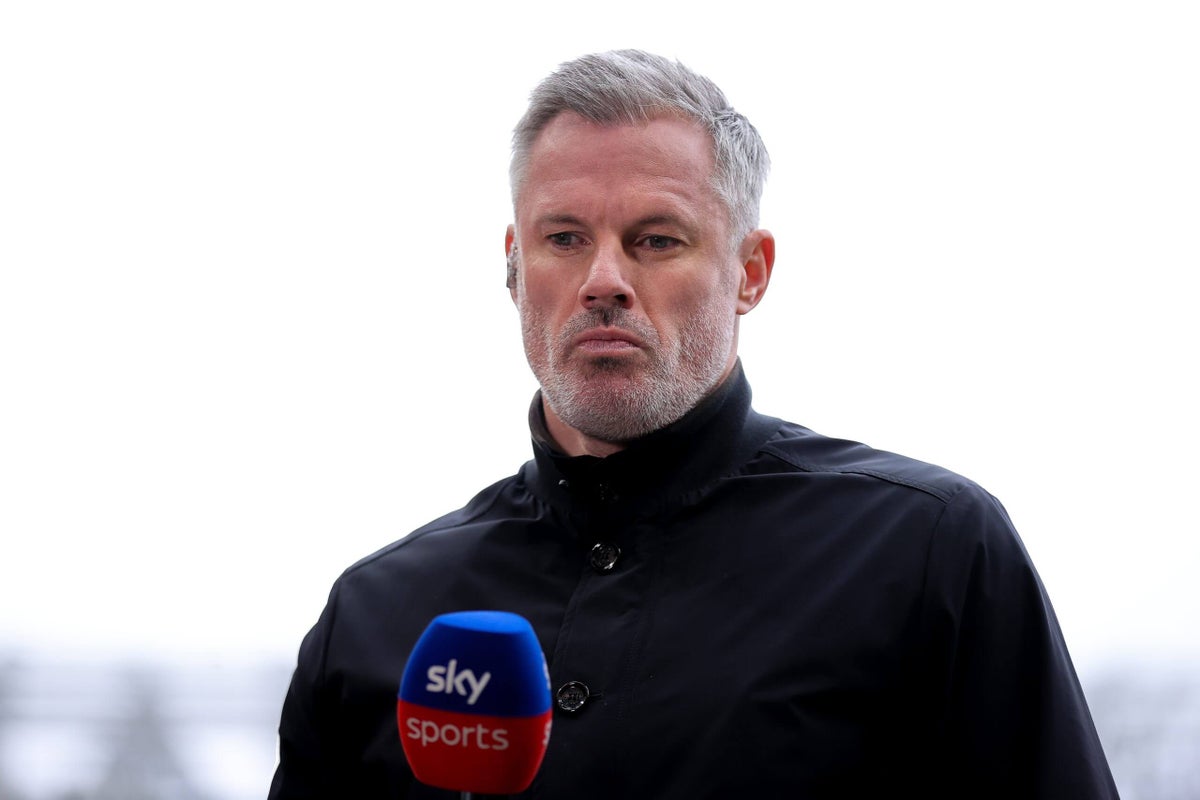
To understand why Jamie Carragher was served with a bankruptcy petition on Thursday morning, you have to go back to when he was trying to establish himself in Liverpool’s first team in the 1990s.
More recently, coverage of a campaign led by a group called “V11” has focused on a small number of the 200 or so former Premier League players who became victims of what they describe as “financial abuse” after entering tax schemes — including many linked to the film industry — promoted by the United Kingdom’s government around that time.
In April, Jo White, the Labour MP for Bassetlaw in Nottinghamshire, compared the exploitation of these schemes and subsequent tax shifts to the Post Office scandal, where more than 900 postmasters across the UK were wrongly convicted over missing cash due to false reports by faulty accountancy software.
“Working-class footballers lost hundreds of millions to financial mis-selling, but the V11 group is still being pursued for tax on money they never had,” White said during Prime Minister’s Questions, a weekly chance for MPs to seek answers from the head of their government.
Carragher expects the issue will be “resolved imminently”, with a spokesperson for the Sky Sports pundit telling the Liverpool Echo newspaper that a private tax matter “should have been resolved sooner” and that immediate steps were being taken to settle it.
That resolution with His Majesty’s Revenue and Customs (HMRC) would be similar to the one that some of his contemporaries in the game arrived at when speaking on the record for the first time last year during a BBC documentary called Football’s Financial Shame.
The Athletic has established Carragher’s situation relates to similar film finance schemes, though unlike some of the subjects interviewed for that investigation, he has not been ruined financially. Yet he can no doubt relate to the footballers who have experienced questions and challenges from the taxman, years — and in some cases decades — after they were targeted by the asset management companies and independent financial advisors (IFAs) whose guidance ended up placing them in such positions.
It is perhaps understandable why the struggle of a significant number of professional footballers, who had initially done well out of a sport that easily made millionaires out of those operating in the top flight, did not elicit the same level of public outrage eventually engendered by the Post Office scandal, which impacted involved ordinary working people and in some cases drove them to end their lives.
Until last year, only a few footballers were willing to talk about what had happened to them. In 2023, The Athletic published an article entitled “Fraud, film schemes and devastation: The financial meltdown affecting a generation of players”, in which the ex-Manchester United and England forward Andrew Cole became the highest-profile former footballer to discuss his turmoil because of investments made at the peak of his career a quarter of a century earlier.
“I just wanted to play football and score goals,” he said, adding: “I don’t know a single footballer who doesn’t feel like he’s been ripped off financially along the way.”
Before that, the sense of injustice and humiliation reflected by Cole was largely spoken about privately, with players either too embarrassed to acknowledge they had been taken advantage of or too scared of any public reaction because of the connection to tax.

Andy Cole celebrates after scoring for Manchester United during a 5-1 win against Anderlecht in September 2000 (Clive Mason /Allsport)
In 2022, a friend of a former footballer approached me and explained how an investment in one of the highest-grossing movies of all time had cost him nearly all of his savings. Despite attempts to persuade him, the player did not want to talk, even off-record, and this prompted me to start asking questions elsewhere about the issue, communicating with government officials, figures from the financial sector, filmmakers who ended up in jail, as well as other footballers who were only willing to speak on the condition of anonymity.
The findings were never published because, ultimately, it could not all be pieced together at the time.
The longer and more complex story of how Carragher and so many others arrived in similar positions, however, feels easier to tell four years later. Now one of television’s biggest football personalities, the former England defender finished his Liverpool career in 2013 second on the club’s all-time appearance list, having played 737 games. Three of those came during the 1996-97 season, which was just about to end when Labour came to power following 18 years of Conservative rule.
One of the earliest moves from the new government was by the chancellor, Gordon Brown, who resisted fierce opposition from the financial ministry to introduce a controversial tax scheme in his first budget. “Sideways relief” would allow investors in some industries to claim up to 40 per cent of their money against losses. While aviation and other sectors benefited from the scheme too, films gained more attention: in 1990, actor Richard Attenborough told the Conservative prime minister Margaret Thatcher that he’d shot Chaplin overseas because “there was hardly any British movie industry left”. The lack of funding meant some filmmakers were selling props mid-production to buy whatever they needed for later scenes.

Jamie Carragher before his final Liverpool game against Queens Park Rangers 13 years ago (John Powell/Liverpool FC via Getty Images)
Before 1997, British film was limping towards a dozen or so movies a year, but within a decade, the figure had rocketed into the hundreds. According to one filmmaker, speaking on condition of anonymity, like others in this article, to protect relationships, Brown’s decision “set off a bomb that footballers did not understand but became central to its growth”.
Following the formation of the Premier League in 1992 and the injection of television money, footballers were earning better wages than ever. Many invested in property, restaurants and hotels, but movies were more exciting. “They imagined themselves walking down the red carpet at Cannes,” said the filmmaker, who spoke of the “greasy middlemen” who only “half understood what they were doing”. He added: “The only thing they understood was the opportunity to claim back money. In the short term, that justified their role in the players’ lives.”
Footballers generally wanted to outsource the management of their finances. Independent financial advisors would arrive on the scene, but during the same deregulated period, footballers, like everyone else, did not have to declare whether they had received professional guidance about where their money was going. The filmmaker compared the early 2000s to the Wild West. He recalled players from rival clubs investing in the same project.
None of this was illegal. What was illegal were claims of dramatically inflated budgets for films that, in some cases, were never made. Meanwhile, some films were made with claims of tremendous cost, but they were not distributed. It came to be thought of as one of the most widely exploited tax credits in British history. The filmmaker described it as a “licence to print money”, but eventually, the law caught up with some of those who took advantage of the system, with charges of tax fraud and jail time following for unscrupulous producers and their accountants.
In the early years, with film booming, several legitimate schemes using sideways relief became popular, including one that had been successful in Canada: ‘sale and leaseback agreement’ (SLB). In basic terms, this enabled high earners, including footballers, to claim tax rebates on their income, provided they invested the money in film, with tax on any subsequent profits being deferred in some cases for as long as 15 years.
There was a problem with this. Few footballers, even those with long careers at the highest levels, sustained the same level of income after retirement, so it became harder for them to pay their taxes. Meanwhile, ultimately, any tax scheme is beholden to HMRC’s direction. The taxman had already started examining how film and other industries had used sideways relief when a monumental financial event changed the direction of much of the Western world’s fiscal approach.
The UK reacted to the financial crisis of 2008 by ending three terms of Labour rule within two years. With the Conservative chancellor George Osborne attempting to claw back cash under the banner of austerity, HMRC decided investors were no longer entitled to tax relief and had to pay up.
This decision fell around the time of the expenses scandal, which exposed personal claims made by a large number of parliamentarians as well as members of the House of Lords, despite UK tax law and ministerial guidance both stating such expenses were not deductible for tax purposes.
Though tax deferral might be considered differently from the rather thornier issue of tax avoidance, this was not a convenient time for any footballer, active or otherwise, to speak about concerns relating to the investments they’d made many years earlier.
One former footballer admitted to me that he wasn’t even interested in film, nor was he “clever enough” to make far-sighted decisions about potential impulses in financial systems. He was too focused on his football career to stop and think about the potential problems his money might cause, and he simply trusted an IFA to invest £250,000 in a movie he had never even watched. “With any scheme, there’s a risk, but given that the government was encouraging it and Labour was so popular at the time, I thought it was a good idea because everyone benefited,” he said. “It felt like nobody could lose and it was sold to me like a pension.”
Around 2010, the former footballer was informed that he was being investigated by HMRC. “You get a lot of people saying ‘greedy footballers’, but that wasn’t the case. Why would I claim a couple of hundred grand back when I had more in the bank at the time? It doesn’t sound nice when you put it like that, but it’s true. I didn’t need the risk, the stress or the potential inconvenience. It didn’t change anything for me financially. It just seemed like a safe investment.
“I’ve regularly had to give money back. It feels like it’s always there, dangling over you like a sword.”
>

As Roger Federer enters the tennis Hall of Fame, he is finally ready to remember

City thrash Palace to give Maresca two wins from two

Today on Sky Sports Racing: Chepstow, Windsor and Saratoga | Racing News
-

 movies3 months ago
Search For Canadian TV Actor Stewart McLean Now Homicide Investigation
-

 Fashion9 years ago
These ’90s fashion trends are making a comeback in 2017
-
Fashion9 years ago
According to Dior Couture, this taboo fashion accessory is back
-
Fashion9 years ago
Model Jocelyn Chew’s Instagram is the best vacation you’ve ever had
-
Fashion9 years ago
Emily Ratajkowski channels back-to-school style
-
Fashion9 years ago
9 Celebrities who have spoken out about being photoshopped
-
Fashion9 years ago
Your comprehensive guide to this fall’s biggest trends
-

 Anime3 months ago
Rurouni Kenshin: Hokkaido Arc Manga Takes 1-Issue Break – News