
Tech
Aaron Sorkin’s ‘Social Reckoning’ is off to a weak start

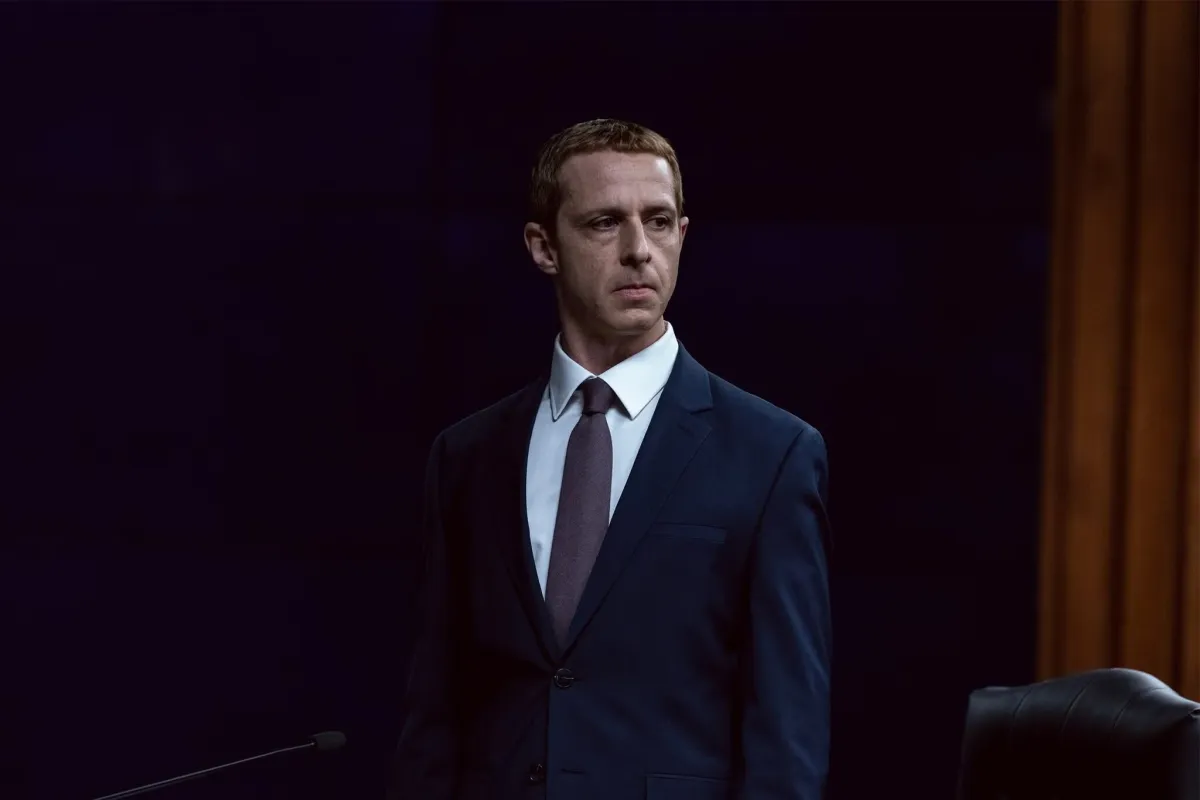
“The Social Reckoning,” Aaron Sorkin’s follow-up to “The Social Network,” is on-track to make only $5.5 million at the domestic box office this weekend, according to Sunday estimates.
That means Sorkin’s new movie is unlikely to become a “Social Network”-sized hit. The earlier film had a $22 million opening weekend and made a total of $97 million domestically (and that’s at 2010 ticket prices). It also won Sorkin an Oscar and became one of most influential on-screen depictions of Silicon Valley and startup culture.
Beyond the fate of a single film, the weekend box office could also offer hints about audience excitement, or lack thereof, as we kick off a fall full of movies starring villainous, real-world tech CEOs. There’s Alex Gibney’s four-hour documentary “Musk” (which also opened this weekend), Nathan Fielder’s apparently uncategorizable Elizabeth Holmes documentary “You Can See Everything” (coming next weekend!), and the OpenAI boardroom drama “Artificial” (which has a new distributor after being dropped by Amazon).
Outside of theaters, Netflix also has a series called “The Altruists” coming in November, telling the story of Sam Bankman-Fried and the collapse of FTX.
As for “The Social Reckoning,” while “The Social Network” was a notable success, the theatrical landscape has changed significantly in the last 16 years. And where the first film focused on the excitement and drama of Facebook’s early days, the sequel is darker and heavier — it’s all about whistleblower Frances Haugen’s decision to leak what became known as the Facebook files.
So maybe a movie about Senate hearings and algorithm changes was never going to be a big hit. Or maybe “The Social Reckoning”’s real audience is among older moviegoers who have only returned sporadically to theaters. And I wonder if critiquing Facebook feels a bit less urgent to audiences who are more likely to be losing sleep over AI.
Maybe just as importantly, the new movie’s reviews just aren’t very good. (For what it’s worth, I enjoyed “The Social Reckoning” but will fully admit that it’s overloaded Sorkin’s trademark speechifying. And I couldn’t help dreaming about a version directed — like the original — by David Fincher, with a score by Trent Reznor and Atticus Ross.)
“Musk,” meanwhile, made $69,000 during its opening weekend in four theaters. It will roll out more broadly in the coming weeks, but given its length and subject matter, the documentary will probably reach many more viewers once it starts streaming on HBO Max.
When you purchase through links in our articles, we may earn a small commission. This doesn’t affect our editorial independence.
>

In less than 48 hours, the doors open for TechCrunch Disrupt 2026 at San Francisco’s Moscone West. Save up to $100 on your ticket before prices increase at the door. Don’t forget to get a second pass at 50% off. Register now.
On October 13-15, more than 10,000 founders, investors, and tech leaders will be showing up to make the connections that’ll change their trajectory. More than 250 speakers are getting ready to take the stage across 200+ sessions. Discover 300+ startups showcasing what’s next. Register now before rates hike at the door on October 13, 8 a.m. PT.

Hear the conversations shaping tech right now
If you’re coming for the conference program, 200+ sessions across six stages, roundtables, and breakouts will bring you closer to the people making decisions inside some of technology’s most talked-about companies.
Hear from leaders including RJ Scaringe of Rivian, Mark Wahlberg, Alexa von Tobel of Inspired Capital, Andrew Feldman of Cerebras Systems, Cat de Jong of Anthropic, Les Karpas of NVIDIA, and many more — with conversations spanning AI, robotics, infrastructure, investment, startup growth, fintech, climate, and the realities of building at scale.

Explore what will make waves in the tech ecosystem
If your priority is discovery rather than sessions, spend your time in the bustling Expo Hall, where you can see tomorrow’s breakthroughs, speak directly with the companies behind them, and find out where big ideas are already becoming real products and businesses. It’s here that you’ll also meet the top 200, hand-picked startups that made it into Startup Battlefield.
Disrupt gives you the flexibility to focus on the experience that matters to you — or mix both across three days.

Clock is ticking. Get your pass before Disrupt doors open.
The global startup ecosystem is gearing up for TechCrunch Disrupt 2026, and the countdown is almost over. Will you be there?
Don’t miss your chance to save before door prices take effect! Grab your pass now to save up to $100 and get a second pass of the same ticket type at 50% off. Bringing a group of four or more? Unlock additional group discounts.
Recently laid off? Don’t miss out on the opportunities at Disrupt. Take advantage of our Layoff to Liftoff Ticket Program and get an Expo+ Pass for just $75.

When you purchase through links in our articles, we may earn a small commission. This doesn’t affect our editorial independence.
>
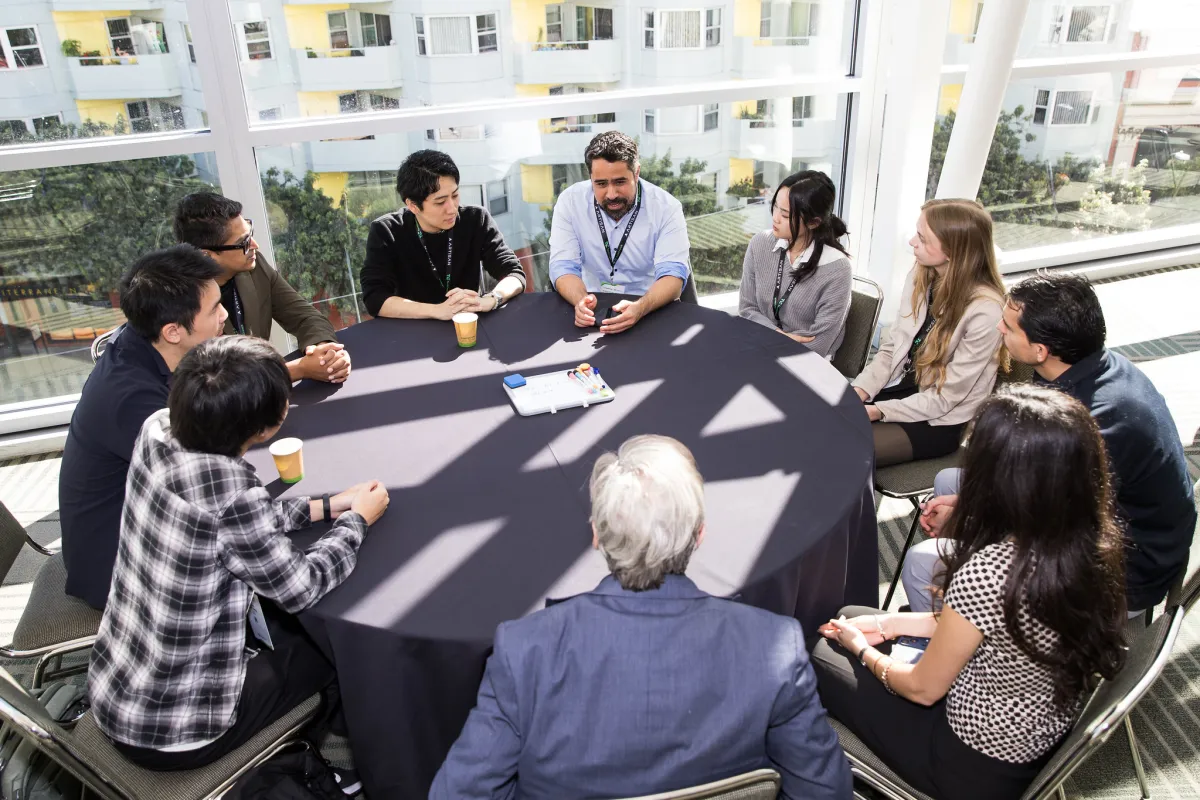
TechCrunch Disrupt 2026 is built around one question for founders: How do you build an enduring company in the AI era? For investors, it’s the opposite: How do you find that company before someone else does?
At Disrupt, the volume and competition are the point for investors, not a drawback. Year after year, investors who’ve explored the Expo Halls, met founders, and learned from peers at panels and Side Events have proven why you need to be on the ground to get ahead of the curve.
Consider that every founder pitching during the Startup Battlefield competition does so in front of a packed room of VCs. Why? Because they know their next cohort could be sitting right there. All it takes is making the trip to San Francisco this October 13-15.
This guide is for the investors who recognize that three days spent at Moscone West are well worth it and who plan to walk away with the insights and prospects that yield returns.
And speaking of returns, we have up to $100 in savings with our current ticket tiers, which end Monday, October 12 at 11:59 p.m. PT, so act swiftly to get an even greater ROI on Disrupt. And if you’ve recently been laid off, we have a $75 Expo+ Pass offer to help you make more connections to find your next opportunity.
Let’s dive in!
How Disrupt works for different investors
Disrupt features numerous tracks, depending on the check sizes you’re able to write and the stage of startup you specialize in.
Angel, pre-seed, scout
If you’re coming to build out your portfolio of early bets and get in on rounds before they’re priced, prioritize the Startup Battlefield 200 semifinalist pitches, the Builders Stage, and the Expo Hall.
Seed, Series A
Disrupt will be all about volume and speed of qualified deal flow. Prioritize the founder list, our curated 1:1 meetings, and the Deal Flow Café.
Growth, late stage
This stage is best suited for those coming to the event as much for market intelligence and strategic partnership scouting as for deal sourcing. Prioritize the Smart Money and Smart Systems Stages, as well as the exclusive StrictlyVC investor-only session.
Why Disrupt?
More than 20,000 curated meetings take place over just three days, within dedicated environments like investor receptions and structured networking sessions. Investor-founder connections aren’t hallway luck –they’re built into Disrupt’s infrastructure.
You get direct access to 200 pitch-ready, TechCrunch-vetted startups through Startup Battlefield 200. And we’ll put an emphasis on “vetted.” Our Startup Battlefield team, working alongside TechCrunch’s incredibly discerning team of editors and writers, has done a significant amount of diligence for you already.
Past speakers have included investors like Elad Gil and Vinod Khosla, and this year’s lineup puts you in the room with the operators you’re underwriting, too. We’re talking Rivian’s RJ Scaringe, Amazon’s Panos Panay, Replit’s Amjad Masad, and Cerebras’ Andrew Feldman, just for starters.
The Disrupt crowd is your signal. With a mix of 10,000 founders, investors, and operators filling Moscone West, the companies worth knowing will get discovered by someone. This is your chance to make sure it’s you.
Startup Battlefield 200 is a sourcing engine, not just a pitch competition

For founders, Startup Battlefield is a visibility engine and a trial by fire. For investors, it’s a filtered shortlist that the TechCrunch team has spent months narrowing down for you.
Consider that:
- 200 pre-Series A startups, handpicked by our Startup Battlefield and editorial teams and sharpened through the SB 200 program, are competing for $100,000 in equity-free funding.
- Battlefield alumni have collectively raised over $32 billion and produced 250+ exits, which is evidence we produce fundable companies.
Startup Battlefield is intensely competitive. Thousands of global startups apply, while just 200 make the cut and only a handful reach the finals. That funnel is doing your top-of-pipeline filtering for you before you ever take a meeting. If you’re not circling around these startups, your competitors are.
The exclusive access that an Investor Pass grants
We have several different passes for Disrupt, and by joining the community via an Investor Pass, you get access to perks like…
The Deal Flow Café
This is a space exclusively for founders and investors, fostering impromptu run-ins with founders actively seeking capital. Grab coffee or a beverage of choice, explore opportunities, and start conversations that can turn into your next deal.
The founder list
You’ll get early access to the full list of Disrupt founders looking for connections with investors. The next addition to your portfolio can be identified before the event even begins, giving you more time to find even more opportunities.
Curated meetings
Through the Disrupt app, you can schedule 1:1 and small-group meetings with founders matching your focus areas, with AI helping match you by mutual interests instead of waiting on fate.
The investors who make the most out of Disrupt don’t leave sourcing to chance — they’ve already scanned the available resources and set up their agendas in advance.
The Disrupt programming that matters most to Investors

Our editorially curated programming, including all three days of sessions and panels, is available here, stretching across six stages, breakout sessions, roundtables, and Side Events. Here are some of the stages that might be of interest:
The Smart Money Stage: Interested in capital markets, embedded finance, and stablecoins? Everything within the fintech realm, especially within the intersection of AI, is included.
The Smart Systems Stage: It’s all about compute, infrastructure, and energy economics. If you need to build a justification for underwriting AI infrastructure bets, this is the place to start.
The AI Stage and Real World AI Stages: Get market intelligence on where the fastest-growing startups are deploying, not just building.
The Disrupt Stage: This is where operators and CEOs set the narrative your current and future portfolio companies will be measured against.
Is Disrupt 2026 worth it?
Disrupt’s value isn’t found in the size of the crowd, though that certainly helps. It’s in the potential, the expertise, the value of that crowd and the feedback it gives you. With so much overlapping investor attention, the companies worth knowing are getting found fast — regardless of whether you’re in the room. The cost of attending is a ticket and three days of your time. The cost of not attending is finding out about your next portfolio company from someone else’s term sheet.
Disrupt 2026 logistics for investors
We’ve gone in depth about the benefits to you, your portfolio, and the opportunities Disrupt offers you. But there are always matters of hotels, expenses, and travel to sort out. Our Disrupt site has the bulk of these issues covered, but to tackle some common questions and pressing opportunities:
Disrupt passes are discounted until October 13, after which we’ll have higher walk-up rates. That means up to $100 discounts on tickets relative to their final prices.
For your hotel needs, we have partnerships with several stellar hotels near Moscone West. You’ll get exclusive discounts, easy access to Disrupt and anything else you might want to explore in San Francisco, and yes, you’ll get points for your accommodations.
If you’re bringing a large cohort or are interested in having a company in your portfolio take part in our Expo Hall to get wider visibility, check out our bulk ticket options here and our Exhibit Table options here.
For all other questions, you can explore our full Disrupt page to find more specific FAQs, and we hope to see you in San Francisco this year!

When you purchase through links in our articles, we may earn a small commission. This doesn’t affect our editorial independence.
>
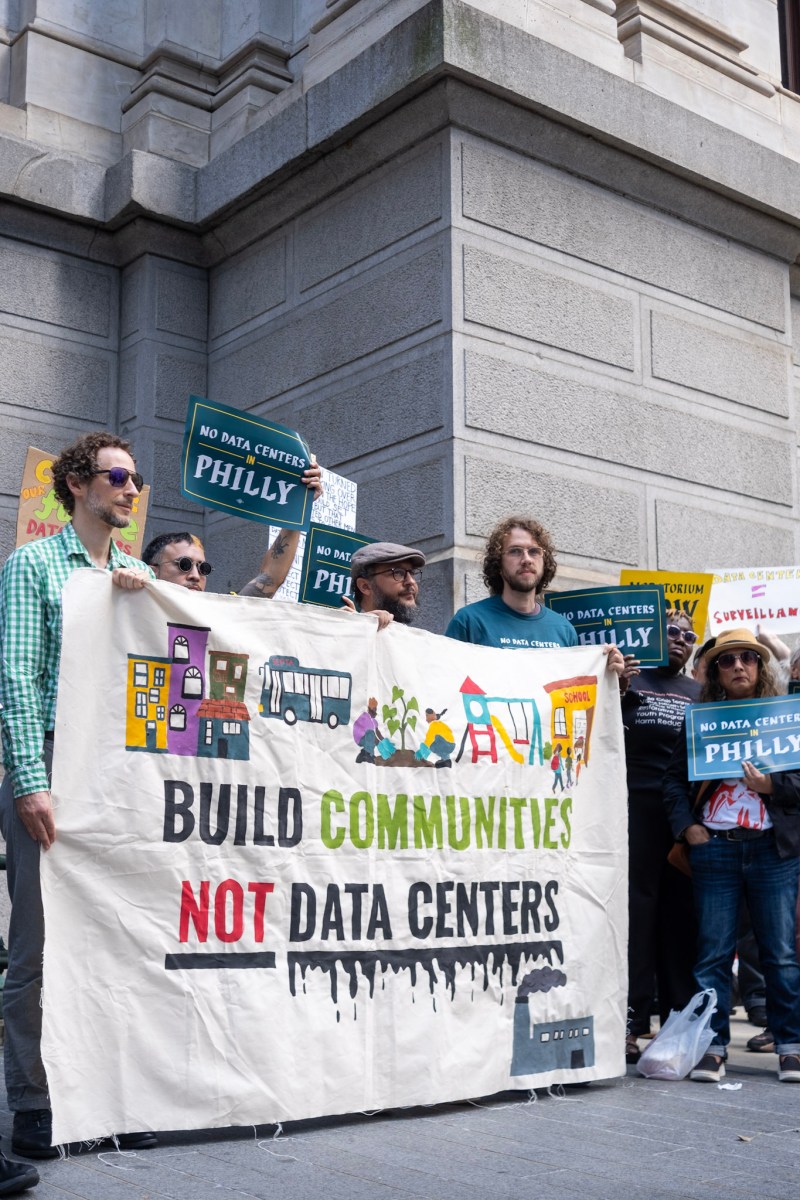
Amazon recently followed Microsoft’s lead and said it will no longer use nondisclosure agreements (NDAs) while negotiating with local governments over data centers.
On the latest episode of TechCrunch’s Equity podcast, Sean O’Kane, Rebeccan Bellan and I discussed Amazon’s announcement, which came in the middle of a longer blog post making the case that data centers are actually good for communities.
Rebecca was a bit skeptical that the recent spate of data center moratoriums will have a lasting effect, especially since the moratoriums only last for a year or two and “these data centers aren’t coming online for the next two, three, four, five years,” though I countered that data center backers definitely seem worried.
Sean, meanwhile, suggested that a big reason for the backlash is the industry’s poor communication.
“We’ve seen, through a lot of the controversy and backlash to AI and data centers, that the industry just does a really poor job explaining itself, and that they are obviously and constantly frustrated with the fact that most people can’t envision a world in which this stuff is useful for them,” he said.
Keep reading for a preview of our conversation, edited for length and clarity.
Sean O’Kane: It’s an interesting thing that it was sort of buried in the blog post and part of a larger story that Amazon’s clearly trying to tell. I guess I understand why they weren’t putting it in the foreground, but to me, this is at the root of so many of the problems that the tech industry currently faces when it comes to AI broadly, but data centers in particular.
There are so many things that could be said about whether or not people should be worried about the effect that data centers have on their property values, on their electricity bills, on their water usage in the area, and whether or not those things are real problems, inflated problems, etc. etc.
I think so much of that just really goes back to the fact that a lot of these projects are being negotiated essentially in secret. Sometimes they’re being negotiated [with the public knowing] that it’s a data center, but just not knowing who’s actually going to use it or occupy it at any point.
This is a long-standing issue with the tech industry. I always go back to the mid-2010s when Uber was expanding really fast. Uber was one of the companies that really used this tactic a ton when it came to working with local governments. In particular, I remember I was working at The Verge at the time and we had a freelancer write a story about a city outside of Orlando where Uber was trying to negotiate tax subsidies to subsidize rides for people to use public transit after the Uber trip.
The whole thing was negotiated in secret. And not only that, which was frustrating on its face, but also, because of the secrecy, you could just see Uber getting really comfortable with asking for a lot of other stuff, too.
So there needs to be more of this. I’m glad Amazon’s doing this. We’ll see if it actually does have any positive effect, but people are pretty entrenched right now.
Rebecca Bellan: Yeah, I’m curious about what effect this will have and whether it will lead to communities successfully delaying or or killing any infrastructure that the companies need to build. What I’ve heard from some people I’ve spoken to, who deal with data centers every day, a lot of these moratoriums that are getting passed — and there are a significant number of them, including one recently in San Francisco, which is pretty ironic — but they’re only for like a year or two years.
But these data centers aren’t coming online for the next two, three, four, five years. All of the buildouts are going to be massively delayed for a number of reasons from zoning to funding. Of course, if the pushback keeps going, then it might have an effect, but I often wonder just how much of an effect this political pushback is having on this.
Anthony Ha: The moratorium I’m most familiar with is the one in New York. I believe it’s a one year moratorium, and that’s on permits for large projects. [Technically, it’s until the state finalizes an environmental review process, which is expected to take a year.]
So already, there’s some wiggle room within that. And often, they’re framed as: “It’s not like we think [data centers are] bad, let’s not do this. It’s [that] we need to take the time to study this.” Which gives them a lot of room to say later on, “Actually, we’ve decided this is great. We love it.”
But you can tell that the people trying to build these data centers are worried, which is why you have these unhinged tweets from people like Trump or David Sacks. Only time will tell in terms how long and how deep that [community] resistance is, but I do think they are worried.
It’s also noteworthy that Microsoft, earlier this year, made a similar announcement about not using NDAs. I don’t think that getting rid of the NDAs automatically is going to make the people who opposed these data centers be like, “Great, let’s let’s do it. I’m in.” But I think the beginning of that conversation is, “Well, we don’t even know what the heck you’re doing, because you’ve negotiated all this stuff in secret.” So it does seem like a good first step.
Sean: The larger problem here is just a communication problem, right? This is a problem I think that goes across the entire tech industry, but it’s especially acute now, because we’re living in the era of “going direct” and “you don’t need to talk to the media, the media is dead,” etc.
And I’m not trying to beat that horse, because we’re in the media and [we] think we’re still relevant. But we’ve seen, through a lot of the controversy and backlash to AI and data centers, that the industry just does a really poor job explaining itself, and that they are obviously and constantly frustrated with the fact that most people can’t envision a world in which this stuff is useful for them. And that’s because, a lot of time, the [technological] ability’s not there, and in part because they’re just not explaining it well.
I wrote a story last week about how it’s been a year since we’ve really heard Tesla beating its own drum about building towards what it originally was calling “sustainable abundance” and is now “amazing abundance” as its mission statement. It’s just wild to me that we’re a year into that, and the company still doesn’t have a very good definition of it, especially considering that they released this whole multi-page PDF laying it out when they announced this, and even Tesla’s biggest fans criticized Elon Musk and Tesla for how unspecific it was. It read like LLM nonsense.
Anthony: One of the things this has made me think about is just the narrative and this sense that for a while, it really felt like it was being pushed down our throats — this idea of, “This is inevitable, this AI-driven future, and get on board or you’re just going to be left behind.”
Obviously that future is barreling ahead in a lot of ways, but in a few key ways, there have been these obstacles. What I’ve really liked about that is this sense of “No, you actually have to make the case for it.” You can’t just say, “This is the future, shut up.”
And then specifically about Tesla and the abundance thing, what was shocking to me is not so much that they haven’t come up with a definition of abundance, but that that was a promise that they were making in the first place. I think [that] speaks to how strange our relationship to Tesla, and particularly the people who are invested and ride-or-die for Elon, [has become.] It’s not about, is this company going to sell a lot of cars? It’s about this vision for remaking society. Or at least, that’s what they’re being sold.
When you purchase through links in our articles, we may earn a small commission. This doesn’t affect our editorial independence.
>
Bengals drop feeble Dolphins in get-right game as Samaje Perine makes statement in backfield

Aaron Sorkin’s ‘Social Reckoning’ is off to a weak start
Braves offseason outlook: 4 key questions Alex Anthopoulos must answer
-

 movies5 months ago
Search For Canadian TV Actor Stewart McLean Now Homicide Investigation
-

 Fashion9 years ago
These ’90s fashion trends are making a comeback in 2017
-
Fashion9 years ago
According to Dior Couture, this taboo fashion accessory is back
-
Fashion9 years ago
Model Jocelyn Chew’s Instagram is the best vacation you’ve ever had
-
Fashion9 years ago
Emily Ratajkowski channels back-to-school style
-
Fashion9 years ago
9 Celebrities who have spoken out about being photoshopped
-

 Anime4 months ago
Rurouni Kenshin: Hokkaido Arc Manga Takes 1-Issue Break – News
-

 Anime3 months ago
HIDIVE to Stream English Dubs for The World Is Dancing, The Forsaken Saintess and Her Foodie Roadtrip in Another World, The Dangers in My Heart: The Movie Anime – News