Got an old TV, a pair of good speakers, or a bulky monitor gathering dust? Before you replace them with the latest smart, AI-powered model, consider a cheaper and smarter fix: a Raspberry Pi can make almost any old device smart again — without the bloat, the ads, or the forced accounts that come with buying new.
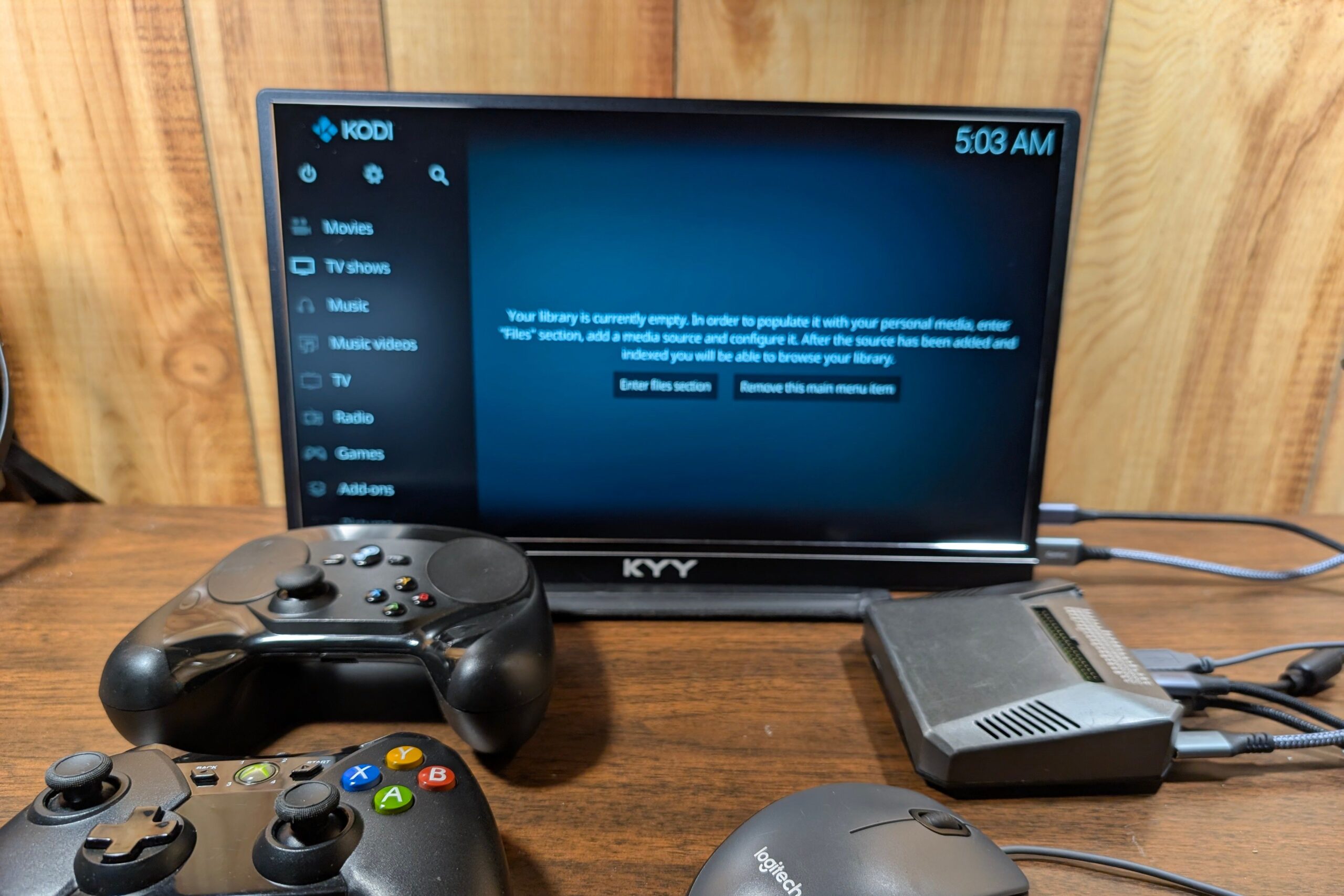
Raspberry Pi with old tech (Credits: How-To Geek)
Why Old Tech Ages Out Before It Breaks
Most outdated gadgets still work fine. What ages badly is their connectivity or their software: a TV whose apps stop updating, speakers whose wireless standard falls behind, a monitor that predates modern streaming. The hardware is sound; the brains are obsolete.
The default answer is to buy a replacement. But modern smart devices bring their own drawbacks — bloated interfaces, ecosystem lock-in, intrusive advertising, and account requirements just to use hardware you already own. A Raspberry Pi sidesteps all of that by supplying the smart components yourself.
How a Raspberry Pi Revives Old Devices
Every smart device is, at heart, a computer. A smart fridge runs on a very simple one; a smart TV may pack something close to a smartphone. A Pi can take over that role. A Pi Zero 2 W is more than capable of powering a smart fridge or washer, while a base-model Pi 5 can serve as the brain for more demanding setups. Either way you get networking, Bluetooth, and access to a huge range of software.
The gains are concrete. Passive speakers and amplifiers barely age at all — it is the digital gear driving them that goes stale. A Pi paired with a decent USB DAC often outperforms the built-in audio in budget smart speakers. For retro gamers, CRTs and older TVs remain popular for their near-zero latency and period-correct look, and a Pi turns them into a full retro gaming station.
Pick Your Own Software, Not the Manufacturer’s
Buy a modern TV or AV receiver and you are stuck with the manufacturer’s software — your app choices and privacy settings are out of your hands. With a Pi, you choose. Install LibreELEC for a general-purpose media center, Batocera for dedicated retro gaming, or one of dozens of specialized Linux distributions built for a single job.
The result is old hardware with new tricks, no subscription, and no one else’s terms and conditions. That dusty TV or speaker set is not obsolete — it was just waiting for a new brain.
Also Read: 5 Things a Raspberry Pi Can Do That a Mini PC Can’t: GPIO Pins, Gadget Mode and More
Source: How-To Geek — read the full story there.