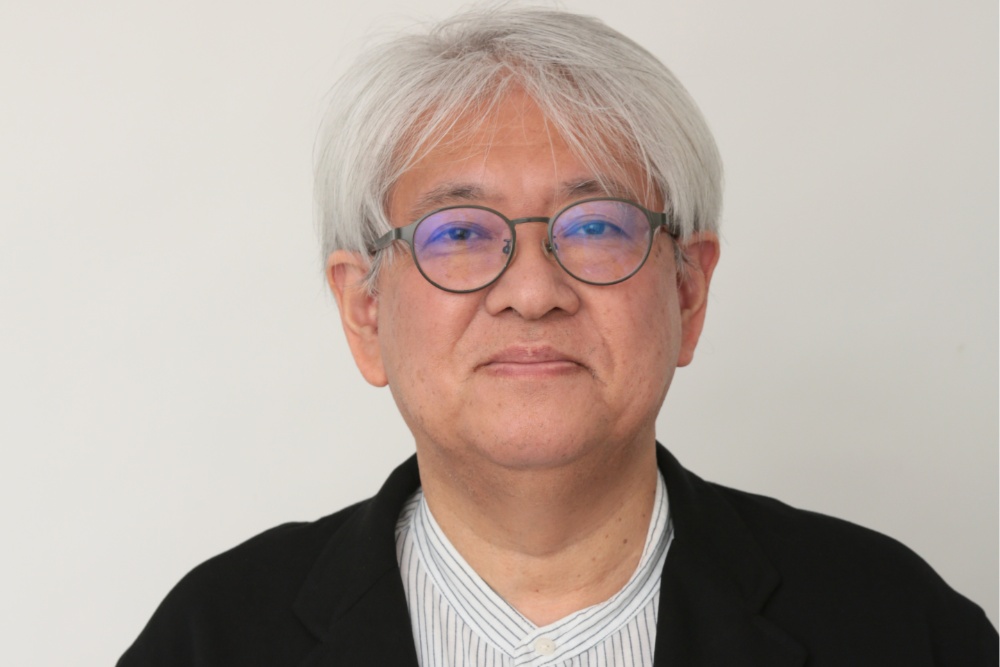
China’s low profile at international film festivals this year is not an accident, according to the Tokyo International Film Festival‘s programming director. Ichiyama Shozo points to a combination of star-driven box-office flops, slowing investment and a reportedly more complicated censorship process.
Ichiyama Shozo (Credits: Variety)
The explanation matters because Chinese cinema was once a reliable presence on the festival circuit, with major titles regularly competing at Cannes, Venice, Berlin and Tokyo. This year, Ichiyama says, that presence has thinned — and the reasons lie as much in the domestic film business as in festival programming.
China’s Thin Festival Presence: Star Flops and Slowing Investment, Says Ichiyama
The first factor is the box office. “In the past, casting a star in the leading role could guarantee a certain degree of success, but this year, many films featuring star actors have flopped at the box office,” Ichiyama tells Variety.
That shift breaks a long-standing assumption in Chinese commercial cinema: that a famous face could carry a film regardless of its subject or quality. When star vehicles stop working, the whole financing model wobbles. Producers become more cautious, investors pull back, and fewer ambitious projects get made — which in turn means fewer films strong enough, or visible enough, to travel to festivals.
Slowing investment is the second piece of the puzzle. Film production depends on confidence: money flows when backers believe a film can recoup its costs, whether through cinemas, streaming or international sales. When the domestic market cools and star-led bets fail, that confidence fades, and the pipeline of festival-ready work narrows.
How Censorship and Caution Shape What Reaches Festivals
The third factor Ichiyama cites is a reportedly more complicated censorship process. For filmmakers, a harder approval path does not just affect whether a film can be released at home; it affects what gets attempted in the first place. Projects that might once have been pitched as bold, festival-friendly work may be softened, delayed or abandoned before they ever reach a programmer’s desk.
Together, the three pressures create a feedback loop. Fewer successful films mean less investment, less investment means fewer risks, and a tougher approval environment means the risks that are taken tend to be safer ones. The result is a thinner, less distinctive slate — exactly the kind of slate that struggles to stand out in a crowded international festival calendar.
None of this means Chinese filmmaking has stopped, or that its absence from festivals is permanent. Festival programmers, including Ichiyama, have long experience tracking Chinese cinema through its cycles, and domestic hits and independent voices continue to emerge even in difficult years. But Ichiyama’s comments offer a useful corrective to a simpler story: a country’s festival presence is not just about which films programmers choose. It is also about which films get financed, approved and released in the first place.
For audiences, the implication is patience. If the current downturn is driven by economics and process rather than a lack of talent, recovery will depend on the same factors — a steadier box office, renewed investment, and a clearer path for filmmakers to make the work they want to make.
Also Read: Tokyo Film Festival to Reassess Its Global Standing Ahead of 40th Edition, Says Director Hisamatsu Takeo and Family Dramas Dominate Tokyo Festival’s Asian Lineup Amid Geopolitical Volatility
Source: Variety — read the full story there.