
Sports
Australia v South Africa T20 World Cup: Highlights as Australia start with impressive win at Old Trafford

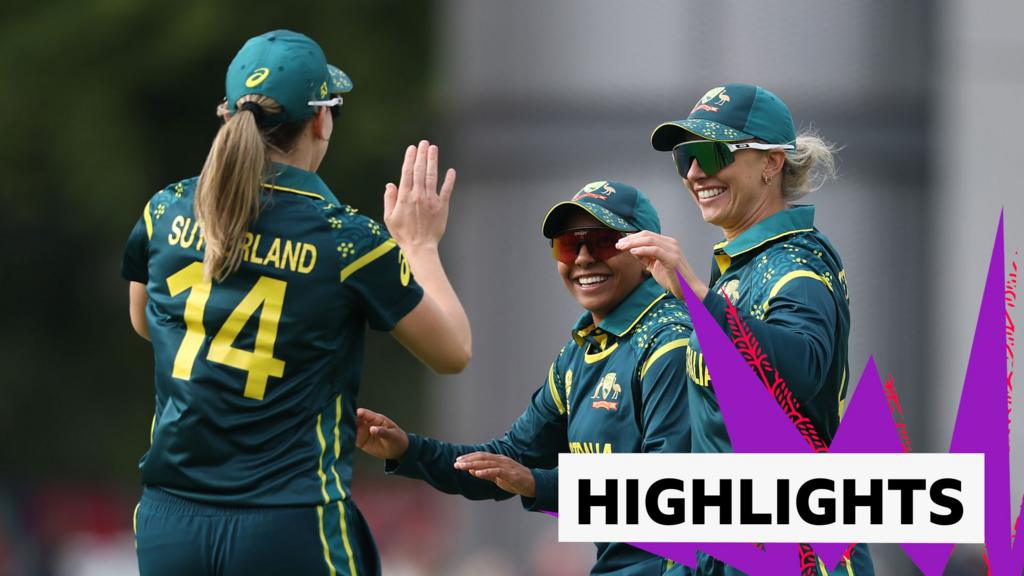
Australia started their ICC Women’s T20 World Cup with a statement win after they beat South Africa by 65 runs at Old Traford in their opening match of the tournament.
FOLLOW LIVE: Australia begin World Cup with win over South Africa
Available to UK users only.
>
Sports
Inside Man City’s pre-season tour: A change in club culture, ‘unbearable’ heat and making chopsticks
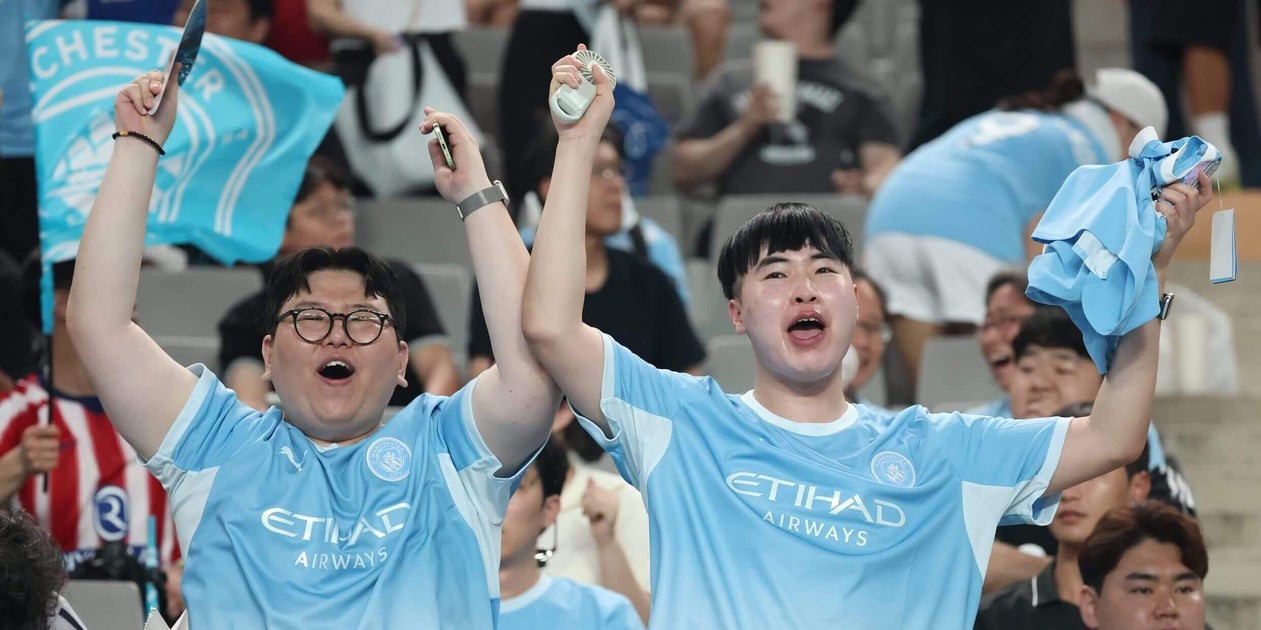
It was so hot in Seoul, South Korea, last Wednesday that the players involved in Manchester City’s friendly with the K-League All Stars could barely breathe.
Towards half-time, City left-back Josko Gvardiol had to lean on team-mate Gianluigi Donnarumma for support, and it turned out he was suffering from blurred vision. Marcus Bettinelli, who replaced Donnarumma in goal for the second half and has admittedly not played a minute of football since joining the club last summer, said he was out of breath just from yelling at his defenders.
“The heat was unbearable,” Bettinelli said. “I was shouting instructions and stuff, and it was taking me four or five times to get my breath back, so it was really hard. I don’t know how the (outfield) boys managed to do it, because I was stood still, so a massive credit to the lads.”
The ‘feels like’ temperature was 45C (113F) at 8pm local time, and it was hard enough to sit in the stands and watch that match, let alone play it. Severe heat alerts buzzed on mobile phones every few hours throughout the week City spent in South Korea, but mercifully the temperatures dropped somewhat for their tour’s final fixture, against Atletico Madrid on Sunday.
The weather dominated conversations throughout City’s fortnight in Asia; during the first week, in Hong Kong, a thick, dark cloud hung above the city, as it had done for the previous month, and did not shift.
Hong Kong is always humid and wet at this time of year, but this summer was different; it rained heavily for 80 per cent of each day while City were there and the ‘felt like’ approached 40C.
Somehow, it stopped raining long enough for the launch of their new away kit, which took place at Victoria Harbour and featured a floating football pitch, which had to be repeatedly squeegeed and towelled to avoid any costly slips-ups before City players Phil Foden, Ryan McAidoo and Abdukodir Khusanov stepped onto it.
Foden was the star of this tour, with fans shouting his name loudest at events and open training sessions.
On the first night in Hong Kong, he took a stroll to see the famous Bruce Lee statue, but was immediately recognised and mobbed by fans. When hundreds of supporters queued outside the fancy Rosewood hotel before the trip’s opening game against Inter, he went out and posed for every picture and signed every autograph — he even signed a dog’s sky-blue coat.
In the very first days of City’s time in Hong Kong, a fan asked their new manager Enzo Maresca for his autograph. The only problem was that it was not Maresca at all, but a similar-looking Puma employee wearing club training gear.
While the rain was usually relentless, the city’s new Kai Tak Stadium has a roof and air conditioning, meaning preparations for the match against Inter, and the game itself, went perfectly. A City-themed playlist, featuring Oasis, Inspiral Carpets and club anthems, blared out of the venue’s speakers as the players were put through their paces, with Maresca working on his game plan without a care for who was watching.

There has been a relaxed feel to Manchester City’s tour under Enzo Maresca (May James/AFP via Getty Images)
When the tour moved on to Seoul, City generally had to train in the evening, although temperatures then were rarely any cooler than in the middle of the day. Sessions in the morning were not really an option because players generally struggle to sleep on these trips.
Fans benefitted from Maresca putting on full sessions as he looked to get his ideas across to the players, but the simple fact he is the new man in charge has brought notable changes behind the scenes, too.
There was a much more relaxed feeling around the first team, with a more welcoming attitude to outsiders, including those who work for the club or their sponsors. Even before the tour began, staff had remarked upon how the first-team building at the training ground was a more welcoming place at meal times, and the access granted to players and the manager himself has been vastly different in East Asia, too.
To provide one striking example, in the six years City had been running their ‘matchday live’ show on official channels during the Pep Guardiola era, the staff producing those programmes were never given access to the Catalan or any first-team players. During the very first open training session in Hong Kong, they were able to conduct live interviews with Antoine Semenyo and Maresca himself.
The manager also sat down with travelling journalists for a coffee. The last time Guardiola did that was in 2016, his first year at the club — he told reporters after his final pre-match press conference in Manchester that he decided during his time as Barcelona coach not to do interviews so journalists could maintain their impartiality.
Access to players on this tour was provided in a way that had not been seen since before Guardiola arrived.
In recent years, City staff have had to facilitate interviews by stealth, finding time for Manchester-based journalists to speak to players after contractual obligations with local media and sponsors. On tour in Tokyo in 2023, reporters huddled around a phone at the bottom of a stairwell to ask Nathan Ake questions about his new contract — a call that had been arranged surreptitiously.
This summer, players were brought over to reporters after matches and one open training session, while Foden spoke for 10 minutes after unveiling the new away shirt. Those things simply would never have happened previously.
The chief reason for all of that is Guardiola’s right-hand man, Manel Estiarte, who ensured the players were off-limits to anybody and anything that was not stipulated in their contracts, has departed with him. Estiarte would refer to himself, half-jokingly, as “the bad guy”, with those around the club saying he was the one who says ‘no’, enforcing boundaries around Guardiola and the players.
It was part of a culture that aimed to keep the squad protected from distractions and as rested as possible, and it cannot be argued it was not successful, given City’s dominance on the pitch, but it has been apparent all summer that things have changed.
The atmosphere among the squad is said by one well-placed observer to be as fun and relaxed as it has been in years. Maresca has seemingly made a good impression with his players and the backroom staff he inherited from the Guardiola era, both in Manchester and while on tour.
Players generally got to explore their surroundings while attending the various events that City lay on during these long-haul trips. The club are keen for them to be accessible to fans as much as possible, whether that was Savinho and Claudio Echeverri at a Puma event, Omar Marmoush playing Mahjong in Hong Kong or Gvardiol and Mateo Kovacic making chopsticks in Seoul’s Jongno district.

Omar Marmoush plays Mahjong in Hong Kong (Manchester City)

Mateo Kovacic and Josko Gvardiol make chopsticks in South Korea (Manchester City)
The squad had just two days off during the trip and spent a lot of time in their hotels, playing table tennis and passing the time as best they could. There was scope for some exploring, and opportunities to taste the local street-food, but conditions did make moving around cities difficult, even more so for instantly-recognisable footballers.
Some did squeeze in a quick trip to the Chinese city of Shenzhen for a sponsorship event with car manufacturer BYD, which had paid top whack for access to City’s star players; Ruben Dias and Donnarumma were on the junket and, in previous commercials, the same company has been able to use Rodri, Foden, Rayan Cherki and Erling Haaland.
The high-end mall underneath the Rosewood did present some opportunities to get out and about, to some extent, while Dias made it to Seoul’s Gyeongbokgung Palace, built in 1395, which is a short walk from the Four Seasons hotel where the squad were staying. City brought their own chefs with them and Riyad Pasta — the dish popularised by the club’s then winger Riyad Mahrez during the 2022-23 season, featuring chicken, cheese, onions and peppers — is still on the menu.
During the closing stages of the 3-1 win against Atletico — during which the Spanish club’s players raged at the referee when replays showed that Semenyo was clearly offside in the move that led to them going two up — City fans behind the goal broke out into the Norwegian rowing routine that took this summer’s World Cup by storm.
There was a slightly surreal moment before that game when South Korean singer San did a dance and a ceremonial kick-off, and every one of the 50,078 supporters inside the stadium, City and Atletico, cheered when South Korea international Lee Kang-in came off the bench for Diego Simeone’s men — it was like the ovation Haaland got three years ago, a rare summer when City could call upon all of their big hitters.
What team should you follow after the World Cup?
Laia Cervelló Herrero and more
The stadium announcer regularly shouted out the names of players who had done something notable, which really highlighted how well Semenyo has been playing, while one Korean fan behind the goal had nailed the English accent on an impassioned “Come on Cityyyyy’ that he bellowed every now and again.
Overall, the Atletico match was a livelier affair than the midweek sweatfest against K-League All Stars, where supporters fanned themselves down and were blasted by mist machines. Around 28,000 turned out for that one, a number surely affected by the extreme temperatures, and as the players laboured, one supporter was interviewed on the big screen during the second half and shouted a message of support to Tijjani Reijnders before breaking out into a rendition of Hey Jude.
City are a big pull in these parts, thanks not only to their success in recent years but also to how many events they put on in the cities that host them. These tours are always going to be more valuable to the financial department than the football side of the club, as conditions are usually less than ideal for training and matches, and this summer was a glaring example of that.
Hundreds of fans welcomed the squad when they flew in to Seoul’s Gimpo airport and it was a similar story when they departed for England on Sunday night.
The Maresca era is off and running.
>

Every season, millions of football fans around the world take part in Fantasy Premier League (FPL).
Whether you’re trying to beat your friends, climb the overall global rankings or simply want to make watching the matches more exciting, FPL is one of the best fantasy games available.
If you’ve never played before, don’t worry. It might look complicated at first but once you understand the basics, it’s incredibly easy to get the hang of.
This guide explains everything you need to know to get started.
What is Fantasy Premier League?
FPL is a free online game where you build a squad from the real Premier League players.
Your selected players earn fantasy points based on how they perform in their club’s games. Goals, assists, clean sheets, saves and bonus points all contribute to your score.
It’s important to note that FPL points only come from matches in the Premier League itself — not any other competitions that they play in for their club, or indeed national team.
The aim is to score more points than everyone else playing FPL over the course of the season, which for the game’s purposes is divided into 38 gameweeks.
You compete against millions of managers worldwide in the overall table but can also create private mini-leagues with friends, family members or work colleagues.
Building your squad
Every manager is given a £100million budget to build a squad of 15 players.
This must consist of:
- Two goalkeepers
- Five defenders
- Five midfielders
- Three forwards.
There are also a couple of important rules:
- You can only own a maximum of three players from the same club
- Your total squad must always stay within that £100m budget.
One of the biggest challenges in FPL is deciding where to spend your money.
A good starting strategy is to spend heavily on a few premium assets — the expensive, big-name Premier League players — while surrounding them with good-value picks and budget options.
Finding those bargains is often the key to having a successful FPL season.

Manchester City goal machine Erling Haaland is FPL’s most expensive player this season with a price of £15.5m (Justin Setterfield/Getty Images)
Picking your starting XI
Although you own 15 players, only your starting XI score points each gameweek.
Before every gameweek’s deadline, you’ll need to select your starting team and decide which four players among your 15 will sit on your bench.
These (though not the second goalkeeper) also need to be set up from first- to third-choice substitute, as FPL will automatically elevate players into your team in that order if someone in your starting XI doesn’t participate in a gameweek.
You can use any valid formation, provided you always start with:
- At least one goalkeeper
- At least three defenders
- At least two midfielders
- At least one forward
Popular formations include 3-4-3, 3-5-2 and 4-4-2.
Choosing your captain
One of the most important decisions every gameweek is who will be your captain.
That’s because your chosen captain scores double points, meaning a player who gets 10 points will instead earn 20 if they are your skipper — making the right call here goes a long way to accumulating a hefty points total in any given gameweek.
You also choose a vice-captain. If your captain doesn’t play any minutes, the vice-captain automatically assumes the captaincy and his points are doubled instead.
How players score points
As mentioned earlier, players earn FPL points for their real-life performances.
They can do this by:
- Playing 60 minutes or more in a match
- Scoring goals
- Providing assists
- Keeping clean sheets (goalkeepers and defenders only)
- Making saves (goalkeepers only)
- Defensive Contributions
- Bonus Points.
Bonus Points are awarded to the three best-performing players in each match, while Defensive Contributions (also known as DEFCON) points are rewards for actions such as tackles, clearances, interceptions and recoveries.
This means defenders and defensive midfielders can still score well even if they don’t contribute goals or assists.
It’s important to note that players can also receive minus points for certain actions:
- Receiving a yellow or red card
- Missing a penalty
- Scoring an own goal
- Conceding goals (goalkeepers and defenders only).
Which teams should you follow after the World Cup?
Guillermo Rai, James McNicholas and more
Making transfers
Once the season starts, you’ll receive one free transfer every gameweek.
Transfers allow you to replace your players. You are free to use them as you wish but usually they are best used to replace squad members who are injured, suspended or simply out of form.
Unused free transfers roll over, allowing you to build up a maximum of five.
If you make more transfers than your free allowance, you’ll receive a four-point deduction for each additional change.
These deductions are known as taking a ‘hit’, and experienced FPL managers usually avoid them unless they expect the player they are bringing in to quickly make up those lost points.
Using chips
One of the most exciting parts of FPL management is the chips.
These are effectively boosters that can improve your score, however only one chip can be used in any gameweek.
The four chips are:
Wildcard
- This allows you to make unlimited transfers without any points deductions. This is usually saved for fixture swings — where you look to capitalise on a club having a favourable run of games — or if your squad is in really bad shape.
Free Hit
- This lets you make unlimited transfers for one gameweek only, before your squad automatically returns to its previous state.
Bench Boost
- Normally, only your starting XI score points but Bench Boost allows all 15 players in the squad to earn them during the gameweek concerned.
Triple Captain
- Instead of scoring double points, your captain’s total is tripled.
It is important to note there are two sets of these chips available to you during a season: one to use in its first half and one in the second. You have to play your first set of chips by Gameweek 19, which is at the beginning of January. If you don’t use them before then, sorry, you lose them.

Manchester United’s Bruno Fernandes broke the Premier League assists record last season – and was therefore excellent in FPL (Molly Darlington/Getty Images)
Double and blank gameweeks
Double and blank gameweeks are key parts of the FPL season.
A double gameweek is when a club have two matches in that period, giving their players two opportunities to score points. A gameweek becomes known as a blank gameweek when there are one or more teams who don’t play at all, meaning that any of their players that you have selected will not score points that gameweek.
Planning your transfers and using chips such as Triple Captain, Bench Boost and Free Hit during these gameweeks can provide you with a significant advantage over your rivals.
Deadlines
Every gameweek has a deadline.
This is always 90 minutes before the first match of a gameweek. Once it passes, you can no longer make changes to your team.
Join and create mini-leagues
While competing in the overall rankings is fun, many FPL managers care most about their mini-leagues.
You can create private leagues with friends, family or work colleagues, or join public leagues featuring thousands of other managers.
Quick tips for beginners
When starting out, try not to overcomplicate things.
Focus on selecting players who:
- Start every week for their club
- Play for the best attacking or defensive teams
- Have favourable fixtures
- Are likely to be involved in goals, assists or clean sheets.
Perhaps the biggest mistake new managers make is chasing last week’s points. Just because a player scored twice in one match doesn’t necessarily mean they’ll do it again in the next one.
Instead, think long term and trust good players who have kind upcoming fixtures.
Final thoughts
The best FPL managers aren’t necessarily those who make the most transfers or constantly change their team. They’re the ones who stay patient, plan ahead and make informed decisions based on fixtures, form and underlying stats.
Whether you’re aiming to finish inside the top 10,000 overall — considered the mark of an elite manager — or simply do better than your friends, family members or colleagues, FPL adds another layer of excitement to watching Premier League games.
Most importantly, do remember to enjoy it.
>
There has been a small slice of Wales in Argentina for more than 150 years.
About 160 Welsh emigrants sailed to Patagonia in 1865 to create a new settlement, ‘Y Wladfa’, where their language, culture and religion could flourish free from English influence and dominance.
The language is still actively spoken there, while more than 50,000 Patagonians can claim Welsh ancestry.
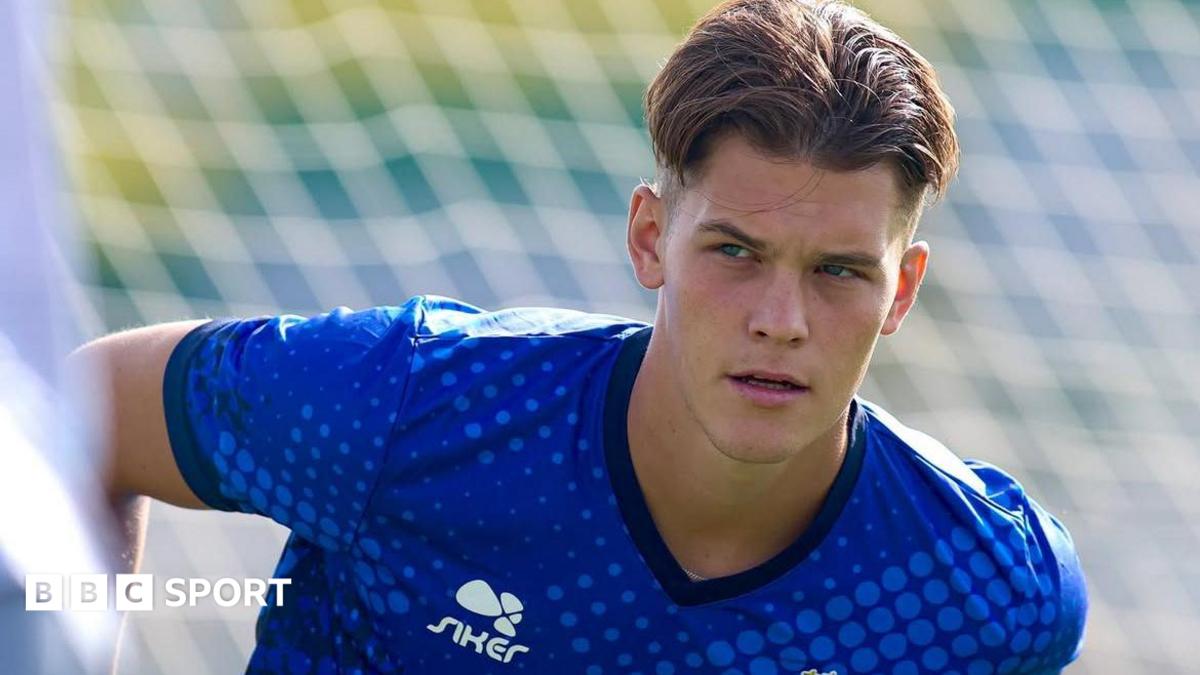
One of those is Jeremias James.
James was born and raised in Trelew, a city founded in 1886 by Welsh settlers in the Chubut province.
Its name translates from Welsh to “Town of Lewis” in honour of its founder, Lewis Jones.
“I’m part of a Welsh family, a Welsh colony that settled in southern Argentina, specifically in Chubut,” James told BBC Sport Wales.
“Five generations of my family were born in Trelew, and I’m part of the the fifth generation.
“Over the years my family settled in Chubut and that’s where my story, my family, and all my descendants come from.”
>

Inside Man City’s pre-season tour: A change in club culture, ‘unbearable’ heat and making chopsticks

Tedde Moore Dead: Actress Played Ralphie’s Teacher in A Christmas Story

How to play Fantasy Premier League: A beginner’s guide with everything you need to know
-

 movies3 months ago
Search For Canadian TV Actor Stewart McLean Now Homicide Investigation
-

 Fashion9 years ago
These ’90s fashion trends are making a comeback in 2017
-
Fashion9 years ago
According to Dior Couture, this taboo fashion accessory is back
-
Fashion9 years ago
Model Jocelyn Chew’s Instagram is the best vacation you’ve ever had
-
Fashion9 years ago
Your comprehensive guide to this fall’s biggest trends
-
Fashion9 years ago
9 Celebrities who have spoken out about being photoshopped
-
Fashion9 years ago
Emily Ratajkowski channels back-to-school style
-
Fashion9 years ago
A photo diary of the nightlife scene from LA To Ibiza