
Entertainment
Only One-Third of Speaking Roles in 2025 Movies Were Women

Despite making up half the population, only one-third of speaking roles in 2025’s Top 100 grossing movies were women. This according to the latest study from Dr. Stacy L. Smith and the USC Annenberg Inclusion Initiative, “Inequality in 1,900 Films.”
The dataset begins in 2007, and across those 19 years, the number of female speaking roles has hovered around one-third in Hollywood’s highest-grossing movies. Last year’s figure was 33.6%, identical to 2024’s number and up from 2023’s 31.7%. The highest percentage of female speaking roles in the nearly two decades that USC Annenberg has been tracking came in 2022, with 34.6%.
Broken down by genre, women had the most speaking roles in comedies in 2025 with 38.7%, compared to 28.6% of characters in animation and 30.4% in action/adventure.
“While we’ve seen pockets of progress for women on screen, the pace of change has been slow. Year after year, many of the same patterns remain,” said Dr. Smith. “Incremental improvement is important for achieving meaningful transformation, but after nearly 2 decades of research and advocacy from many groups, it is clear that the industry is content to wait for change to find them rather than pursuing solutions.”

Of the top 100 grossing films in 2025, nine of the directors were women — an increase from only three in 2007, but less than the 16 reached in 2024. Across all 19 years, 7% of all directors were women.
Women writers and producers filled 16% and 24.4% of their respective roles in 2025, and the greatest change was observed for women composers, where it grew from zero in 2007 to 8.5% in 2025.
There has been progress made in terms of racial representation. In 2025, 41.5% of all speaking or named characters were from an underrepresented racial/ethnic group, reaching proportional representation, the fourth time in 19 years that this has occurred. Since 2007, the percentage of white characters fell by 19.1 percentage points.
Still, 30 movies did not have any Black characters, 46 were missing Hispanic/Latino characters, and 26 did not have any Asian characters.
Nearly one-quarter of directors were from an underrepresented racial/ethnic group in 2025, a significant gain from 2007 (12.5%), but on par with 2024 (23.2%).
LGBTQ+ representation remained static overall from 2024 with than 1% of all speaking characters in 2025 from the community. Not one transgender character appeared on screen in the top films of 2025.
The percentage of characters with a disability remained stable in 2025 at 2.8%.
“Nineteen years of data show that change is possible, but they also show how fragile that progress can be,” said Dr. Smith. “This is not the first time this report has shown that meaningful gains are followed by a return to business as usual. At a moment when the industry is redefining its future, inclusion can be part of the solution, not a casualty of contraction. The question is no longer whether the industry can change. It’s whether it will.”

>

While Paramount Skydance labors to swallow the grand meal that is Warner Bros. Discovery, Lionsgate stands out as a morsel waiting to be plucked.
Some aggressive investors can’t wait for Lionsgate to surrender to the inevitable. A good home could be found with a bigger studio, or a tech giant could pick it up and add its AI know-how to its production. For now, the studio’s next act has yet to be written.
Meanwhile, venture capital activity slowed in July, according to data from PitchBook, and the Paramount-WBD saga continues to generate gallons of ink in the press.
Thanks for reading.

THE DEEP DIVE
Anson Funds Roars at Lionsgate to Sell Studio
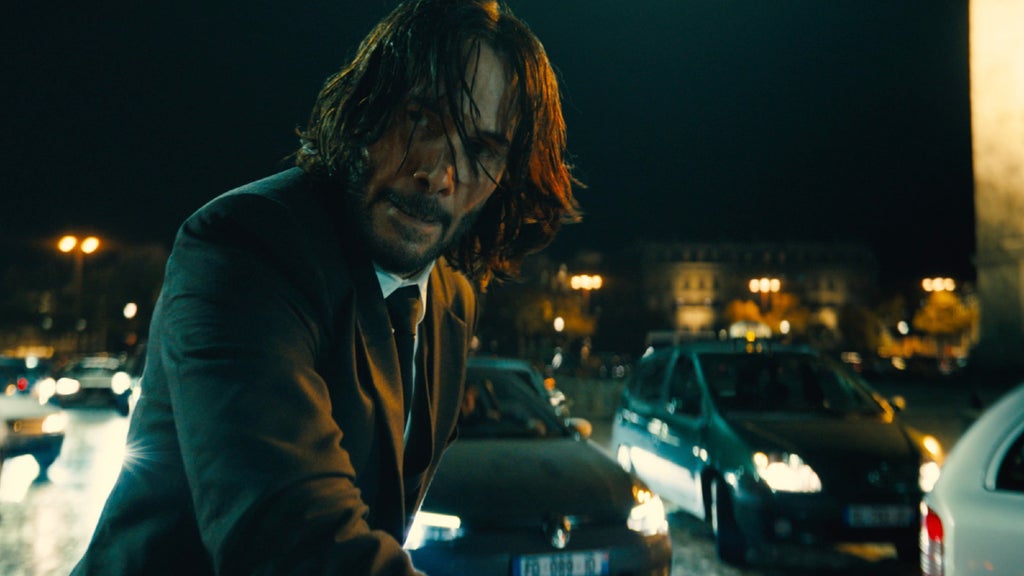
The story of Lionsgate being acquired has had as many sequels as “John Wick.” This week, a new chapter emerged amid reports that Anson Funds, which owns 6.1 million Lionsgate shares, is urging the studio to sell.
With a market cap of $3.5 billion, it would be pretty easy to swallow up. And rumors that someone’s looking to buy it seem to come up every six months.
“Why is it that someone hasn’t already bought Lionsgate?” asked Eric Clark, Portfolio Manager at LOGO ETF, a fund that focuses on consumption, including the experience economy.
- Lionsgate has a scaled movie and TV studio and is one of the few independent ones left standing.
- Helped by the hit “Michael,” Lionsgate had a strong quarter. One analyst boosted his revenue forecast for Lionsgate in 2027 but reduced his earnings-per-share expectations.
- Plenty of companies, from rival studios to tech companies, could be a suitor for Lionsgate. One fund manager sees Netflix as the best fit.
While Lionsgate shares did see some movement this summer and spiked at above $16 as the takeover chatter heated up, they’ve largely moved within a tight band. It started the year above $9 and closed at $11.72 on Thursday.
Sagar Gupta, who leads activism strategy at Anson, wrote a letter to Lionsgate warning that Wall Street thought the studio was “more likely to be an AI casualty than an AI beneficiary.”
The firm noted that Amazon bought MGM and Microsoft bought Activision Blizzard. “Technology and streaming players are already willing to acquire premium IP rather than simply license it,” said the letter, as first reported by Semafor.
Anson bought into Lionsgate in 2024, before the spinoff, but selling the studio was already in its sights.
Anson declined to comment, but a slideshow presentation made in December 2024 said “As a high-quality pure play of digestible size, we believe Lionsgate is one of the best-positioned public assets for a potential takeout.”
Even after hits like “Michael” boosted Lionsgate’s earnings, Anson still believes its shares are undervalued, said an insider who confirmed the contents of the letter. The firm called for Lionsgate to more effectively use AI to help the studio run more efficiently and boost the value of its inventory, even as many in Hollywood continue to push back against the technology.
“If (Lionsgate) shares do not rerate appropriately following the full separation, we believe the board should consider a sale of the company, along with potential divestitures of unscripted TV and 3 Arts as interim steps to maximize value,” the firm laid out in its presentation.
On Lionsgate’s earnings call last week, CEO Jon Feltheimer said the company’s pure-pay content strategy is working. Asked about M&A, Vice Chairman Michael Burns said, “In spite of what the headline suggests, we haven’t engaged in any substantive conversations.”
Burns added that “given the strength and the breadth of our IP and our franchises, we remain one of the most compelling assets in a rapidly consolidating marketplace. We also recognize that scale matters more than ever in this environment, and that’s precisely why the value of our portfolio only becomes more relevant over time. And given the M&A backdrop, the strength of our assets and our stand-alone operating performance, we believe we have real strategic optionality, and that’s something we’re focusing on every single day.”
As for potential buyers, Anson listed in its presesntation 16 potential acquirers for Lionsgate including Netflix, Google, Paramount Skydance, Comcast NBCUniversal, Disney, Apollo/Legendary, Open AI and Anthropic.
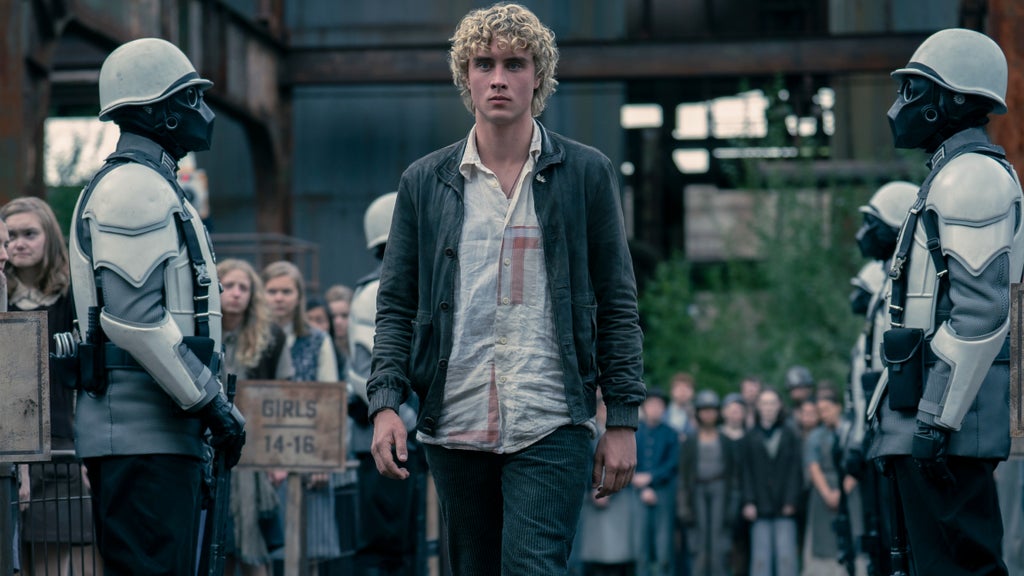
“Netflix would be the best buyer,” said Clark. By bidding for Warner Bros., Netflix has already tipped its hand, and the streamer is well equipped to create new content from franchises like “John Wick,” “Twilight” and “The Hunger Games.”
“It’s probably absurdly cheap,” said Clark. “I just wonder what is it that keeps it independent.”
LOGO ETF holds stock in Netflix. It’s other entertainment holdings include Spotify, TKO and Formula One.
DEAL SHEET
- Former Disney CEO Bob Iger and Joshua Kushner led a group that has agreed to buy the Los Angeles Lakers from Mark Walter in a deal that values the NBA team at $12.5 billion, a record for a sports franchise sale. Iger is a fan and at Disney oversaw ESPN, which had a rights deal with the league. “We have immense respect for the leadership and vision of [former Laker owners] Jerry and Jeanie Buss,” Iger and Kushner said. “Our long-term commitment is to build on that foundation, compete at the highest level, and serve this extraordinary team, its fans, and the city of Los Angeles.”
- Ari Emanuel’s events company Mari agreed to acquire Broadway and London theater company ATG Entertainment from Providence Equity Partners. Terms were not disclosed, but the Financial Times reported the deal was worth £4.5 billion or about $6 billion. ATG operates 70 venues and hosts productions including “The Lion King,” “Wicked” and “Harry Potter and the Cursed Child.”
- Apollo Sports Capital made a $2.6 billion financing deal with New York Yankees’ holding company Yankee Global Enterprises. The agreement is a mix of credit and equity, and the proceeds will be used to grow the franchise and refinance debt. Apollo Sports CEO Al Tylis will join the YGE board. The Steinbrenner family keeps full control of the Yankees, the companies said.
- National CineMedia, an in-theater ad company, agreed to buy Captivate Holdings, which sells digital video advertising in elevators and lobbies, in a deal that values Captivate at $275 million. The deal “allows NCM to leverage its national and local sales organizations, creating cross-sell opportunities; and injects needed growth and enhanced earnings visibility into the legacy biz,” said B. Riley analyst Drew Crum.
- Patrick Whitesell’s WTSL made an investment in Alex Cooper’s Unwell Media Company, that values the “Call Her Daddy” podcaster’s firm at $400 million. “With WTSL’s backing, the company is now also poised to accelerate our media platform’s growth through acquisitions and investments,” Cooper said.
WRAP 20 INDEX
It was a stronger week for the Wrap 20 Index now that we’ve had a chance to digest the quarter’s earnings results.

FUNDING FILE
Venture capital activity in media and entertainment cooled in the heat of July.
According to data from PitchBook, there were 35 deals in the U.S. Entertainment Software, Publishing and Media and Information category worth $119.2 million in July, down from 52 deals worth $582.5 million in June.

A year ago, there were 52 deals worth $412 million.
The biggest deal involved Ursa Space, a satellite intelligence company, which raised $27.9 million in venture growth funding.

Fluxco Media and Information Services, which helps companies locate power transformers, raised $26 million in pre-seed funds.
In the U.S. Media Companies category, there were 16 deals worth $42.3 million in July, compared to 17 deals worth $420.3 million in June.
A year ago, 29 deals worth $405.4 million happened.
FINANCIAL ROUNDUP
The Paramount-WBD Saga (Continued)
The battle over Paramount Skydance’s bid to acquire Warner Bros. Discovery reached the bargaining stage this week.
Paramount CEO David Ellison put a big chip on the table, threatening to move the company out of California if the lawsuit, led by California Attorney General Rob Bonta, isn’t settled quickly.
With a trial scheduled for March, Paramount is looking to resolve the dispute and close the acquisition or face daily “ticking fees” to WBD of $7 million starting Oct. 1.
“We would be delighted to engage” in talks “in order to repair the industry, create more jobs, bring more jobs and production back,” Paramount Chief Legal Officer Makan Delrahim said.
Bonta noted that Paramount is “eager” to settle, and said the states are open to good faith proposals, but “we’re focused on litigation and going to trial for the time being.”
Ellison has contended that the key reason the deal is being held up is political concerns about his company owning CNN. Ellison’s father and bankroller Larry Ellison is close to Trump and has reportedly promised changes at CNN if it is acquired, a charge that Paramount has denied.
Congressman Jamie Raskin (D-Maryland) sent Ellison a letter accusing him of “colluding” with President Trump and urging him to answer questions.
To assuage concerns about political influence on CNN, Paramount has discussed creating an editorial board and other ways of safeguarding its independence, according to the Wall Street Journal.
“We always remain open to internal improvements to journalistic integrity,” Paramount said in a statement.
FROM THEWRAP
Forbes Fired Top Editor Over Secret $6 Million Payment
Former Disney CEO Bob Chapek Writing Tell-All Memoir
Why Publishers Need Live Events Strategies to Thrive
HEARD AROUND
How Candy Crush Beat the Mobile Game Curse
BDG CEO Bryan Goldberg’s Plan for Media After the Pageview
Roger Federer Is No Longer a Billionaire After Sneaker Brand Shares Slump
This Summer’s Hottest Arm Candy Is a Private Equity Boyfriend
>
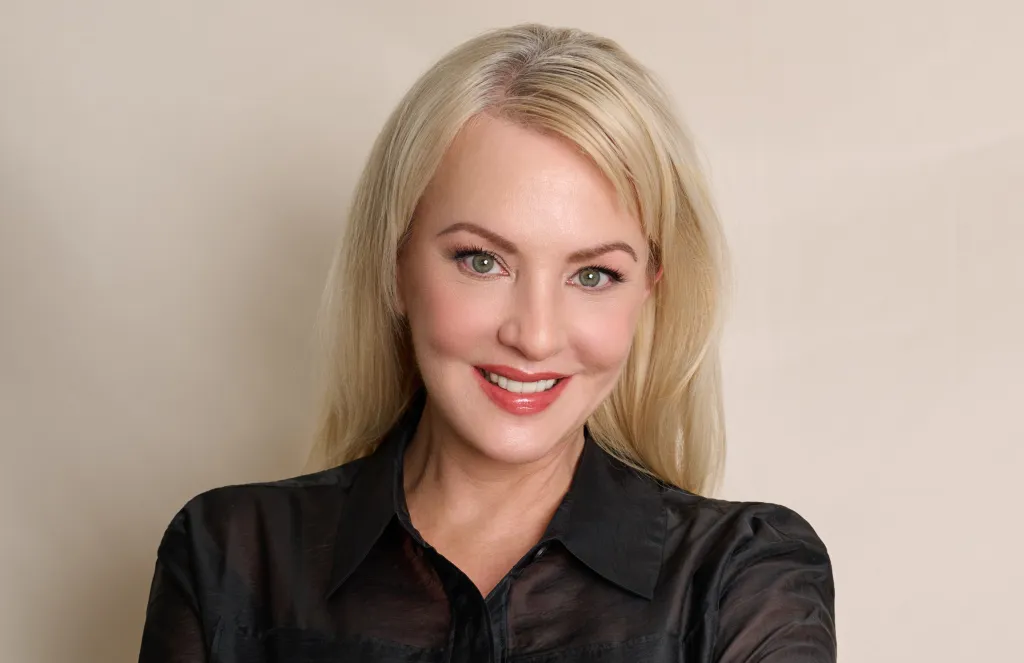
EXCLUSIVE: 20th has rounded out the cast of its sequel to cult classic comedy Romy and Michele‘s High School Reunion with the addition of St. Denis Medical‘s Wendi McLendon-Covey.
Character details are being kept under wraps, as is the plot of the sequel, which began shooting in Los Angeles in June.
Released in 1997 by Disney’s Buena Vista, the original film follows two inseparable friends (Lisa Kudrow, Mira Sorvino) who attempt to reinvent themselves as successful career women — the inventors of the Post-it note, specifically — to impress former high school classmates at their 10-year reunion in Tucson.
The sequel, starring Kudrow and Sorvino, will stream as a Hulu Original in the U.S.
Cast set to reprise alongside the duo includes Alan Cumming, Janeane Garofalo, Camryn Manheim and Julia Campbell.
Others set for new roles include Keegan-Michael Key, Rob Huebel, Breckin Meyer, Patrick Warburton, Nathan Lee Graham, Anna Baryshnikov and Sofia Wylie.
Tim Federle is directing from a script by Robin Schiff, who penned the original 1997 film. He’s also producing alongside the original film’s Laurence Mark, with Barry Kemp, Sorvino, Kudrow and Schiff exec producing, Kimberly McCullough co-producing, and Sarah Shepard overseeing for 20th.
McLendon-Covey currently stars in NBC’s hit workplace comedy St. Denis Medical, which returns for its third season on November 2. Previously, she starred in and exec produced ABC’s sitcom The Goldbergs, which completed a 10-season run in 2023. The comedic multi-hyphenate got her start in improv and sketch comedy at the Groundlings Theater in Los Angeles. She is repped by UTA, manager Gladys Gonzalez and attorney David Krintzman.
>
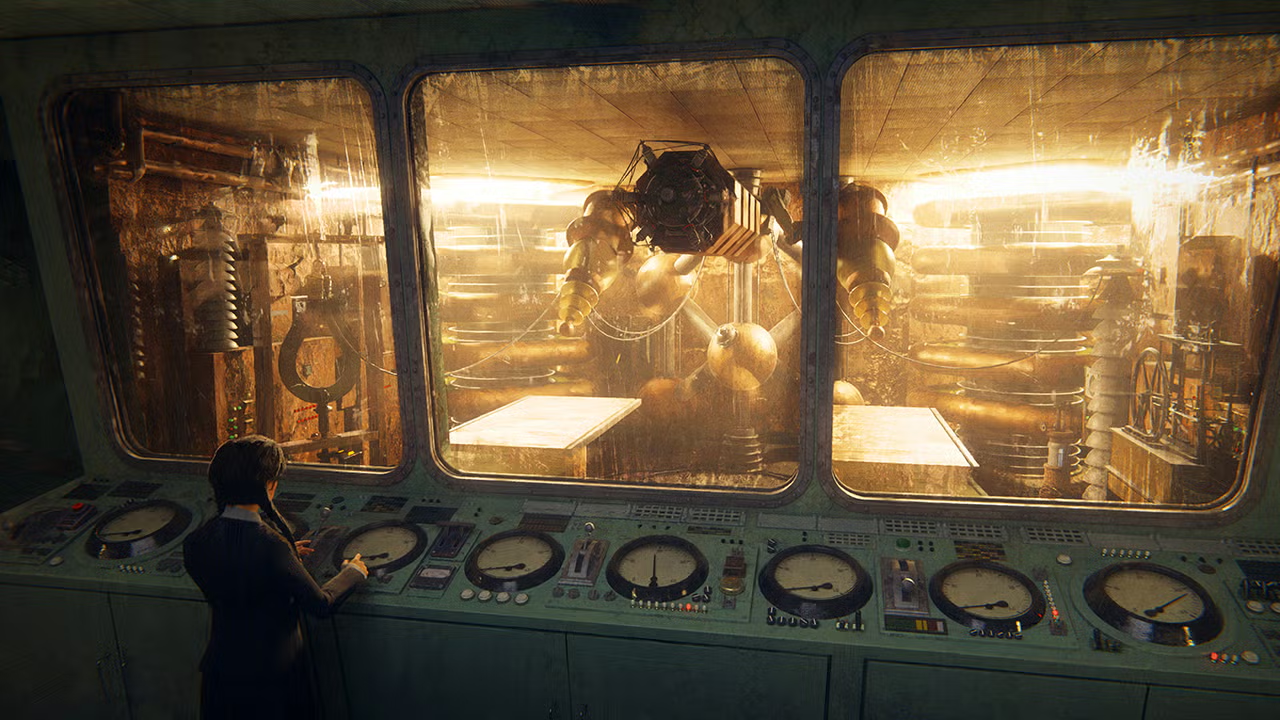
Heading into the second season of Netflix’s “Addams Family” spinoff “Wednesday,” production designer Mark Scruton had a simple question for showrunners Alfred Gough and Miles Millar and executive producer/director Tim Burton: We created the world in Season 1. Now what?
“That was the first question I had when we sat down to get going on this season,” Scruton said, laughing. “We had to take a surprisingly successful show that everybody has seen and give them something new that doesn’t betray what you’ve done but keeps the story moving in the right direction.”
He received some unexpected help with the production’s move from Romania in Season 1 to Ireland in Season 2. “We got to revisit things,” he said, “And we weren’t tied to our sets from the first season, some of which we’d already destroyed. We could dig in and explore what worked, what didn’t work, what we wanted to keep and what we wanted to explore in a different way.”

Much of the new work focused on Willow Hill, a foreboding asylum rife with mysterious deaths and disappearances. The season was broken into two four-episode blocks, with the “If These Woes Could Talk” episode serving as a grand finale for the first block, and as a showcase for Willow Hill.
“We’d been dipping our toe into Willow Hill through the other episodes, but it came to a big crescendo in that episode,” said Scruton, who earned his second Emmy nomination (alongside supervising art director Shane McEnroe and set decorator David Morison) for “If These Woes Could Talk.”
The production found an abandoned seminary in Dublin, and Scruton’s team built entrance gates and transformed multiple levels into an ominous house of horrors that stands in contrast to Nevermore, the school that Wednesday Addams attends. “Willow Hill is a scary, terrifying place, in many ways the opposite of Nevermore, because Nevermore was bizarrely meant to be a quite warm, nurturing place,” he said. Parts of the asylum look benign, but it also contains dark hallways, forbidding cells and a laboratory in the basement where Wednesday discovers unspeakable experiments.
“We had to build the lab in the studio, mainly because we blew it up in the end,” Scruton said. “Otherwise, we would have built it at the location.”
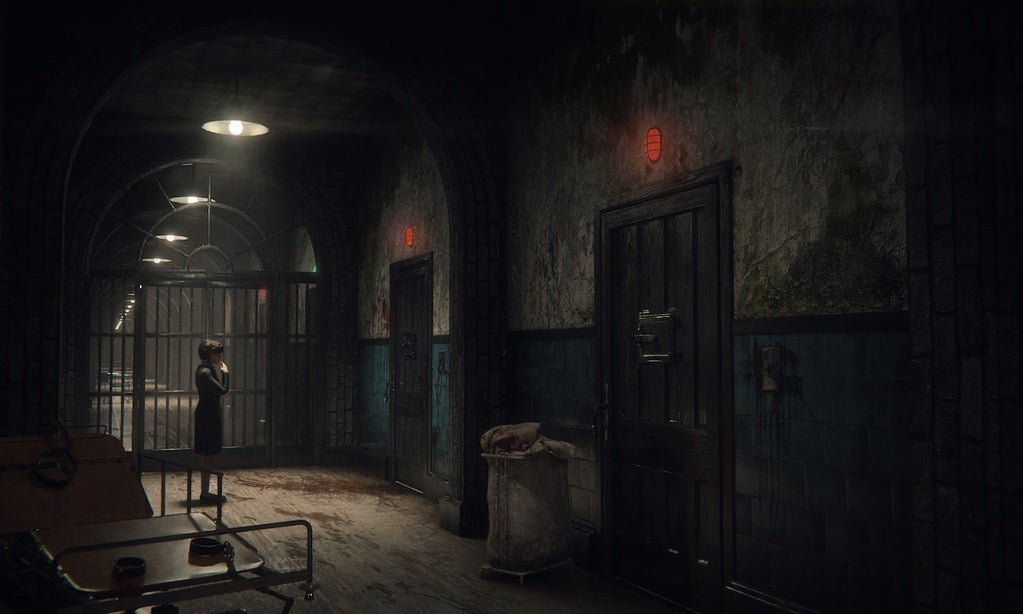
He added, “I really like the scariness in the mundane. You could roam around and explore different levels, which was one of the joys of this job. We get to have a secret door behind a secret wall that leads down a spooky staircase into a secret chamber. Designing those sorts of things never gets old.”

He also embraced the idea of “dead tech,” littering the sets with forgotten machinery that hadn’t worked in years. “In a lot of locations, I built in weird conduits or electrical systems that were clearly defunct,” he said. An aviary was made to look like an 18th- or 19th-century Faraday cage used to block electromagnetic fields, while a four-level clock tower with a working lift was likewise jammed with decaying machines.

Of course, Season 2 didn’t skimp on some of the old “Wednesday” standbys. “We do love a gargoyle on the show,” he said with a laugh. “The bar keeps moving up every year when we do another fireplace or another gargoyle.”
Wednesday’s brother, Pugsley, has a fireplace inspired by Caliban’s cave in “The Tempest,” while the variety of creature designs used for gargoyles and grotesque sculptures kept growing. “We end up with a library of them,” he said. “There’s all sorts of different creatures on the walls, so it’s good to have a big catalog of that stuff up your sleeve.”
Additional designs:
The Willow Hill entrance
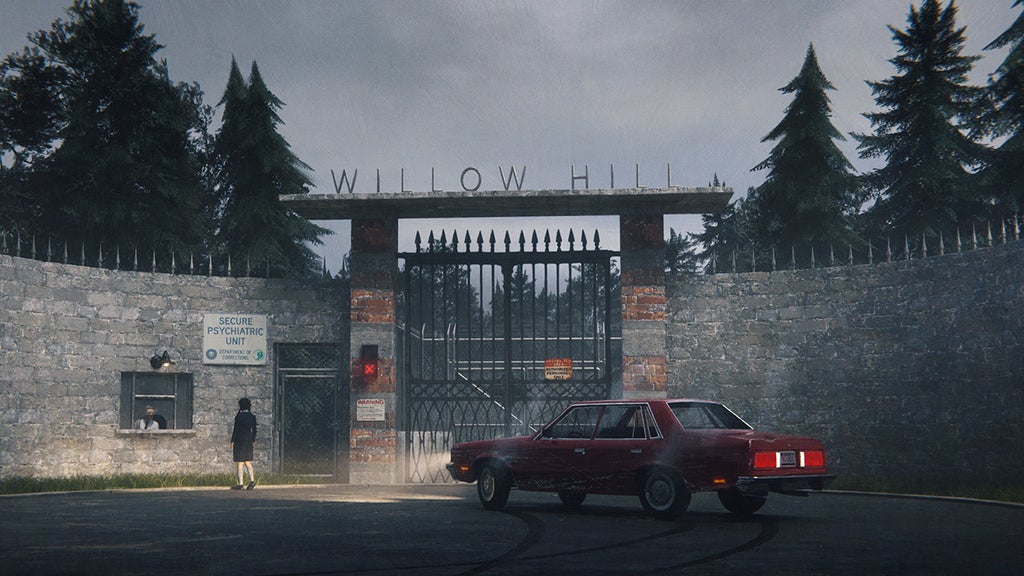
“We built the entrance gates and the main road in, because it gave us scope and a beautiful symmetry,” Scruton said of the asylum entrance. “You could drive through the gates, drive up to the front door, go inside and explore the different levels.”
The Clock Tower
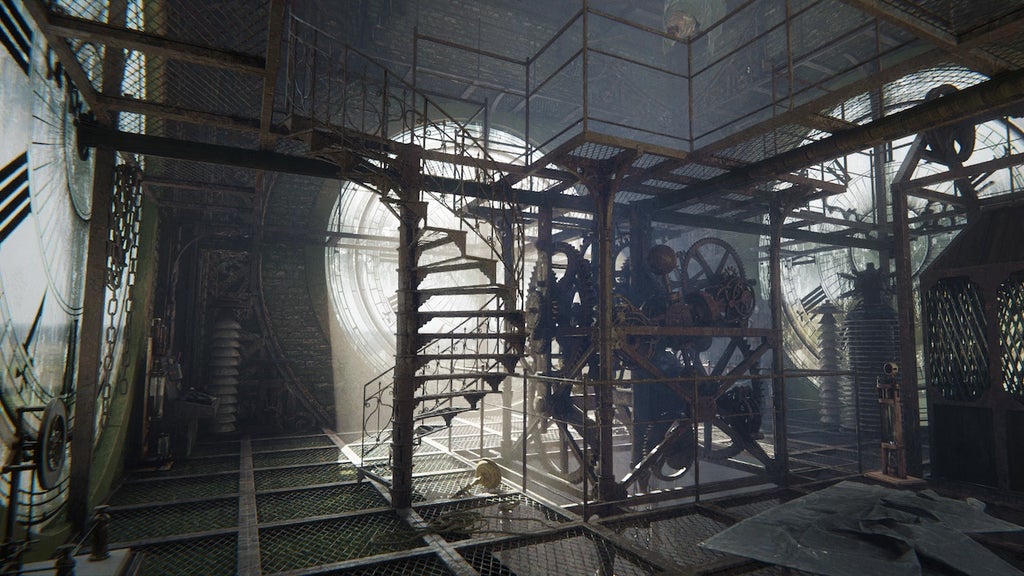
“I don’t think people realize how much detail there is in the clock tower,” Scruton said of the space, which is one of his favorite creations. “There were four levels you could move through, with ladders and spiral staircases. It wasn’t the easiest set to shoot in, because it was very complicated. But we like environments where the actors can roam around.”
The Nevermore courtyard
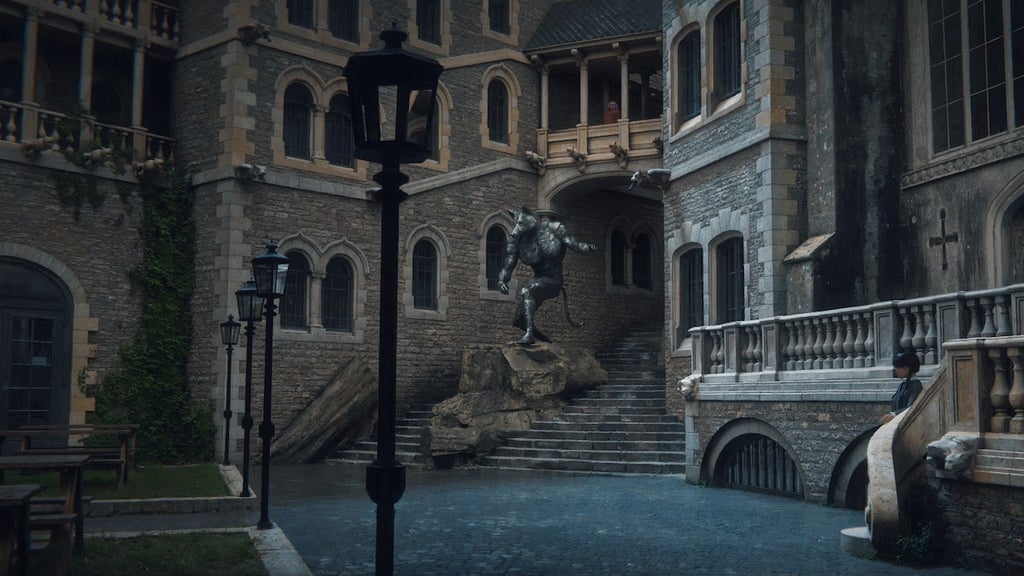
The production’s move from Romania to Ireland forced the production design team to create a new Nevermore, the school that Wednesday attends. “The courtyard was a big new set,” Scruton said. “It was one of the first things I did. It had to be covered with gargoyles and rotten with that sort of world.”
This story first appeared in the Down to the Wire: Comedy issue of TheWrap’s awards magazine. Read more from the issue here.

>

Will Lionsgate Be Sold?

‘Romy And Michele 2’ Cast Adds Wendi McLendon-Covey (EXCLUSIVE)

‘Hockey Night in Canada: Punjabi Edition’ ends after 18-year television run
-

 movies3 months ago
Search For Canadian TV Actor Stewart McLean Now Homicide Investigation
-

 Fashion9 years ago
These ’90s fashion trends are making a comeback in 2017
-
Fashion9 years ago
According to Dior Couture, this taboo fashion accessory is back
-
Fashion9 years ago
Model Jocelyn Chew’s Instagram is the best vacation you’ve ever had
-
Fashion9 years ago
Your comprehensive guide to this fall’s biggest trends
-
Fashion9 years ago
Emily Ratajkowski channels back-to-school style
-
Fashion9 years ago
9 Celebrities who have spoken out about being photoshopped
-
Fashion9 years ago
A photo diary of the nightlife scene from LA To Ibiza