
Sports
Kate Douglass is looking like an Olympic force, and more Pan Pacs takeaways

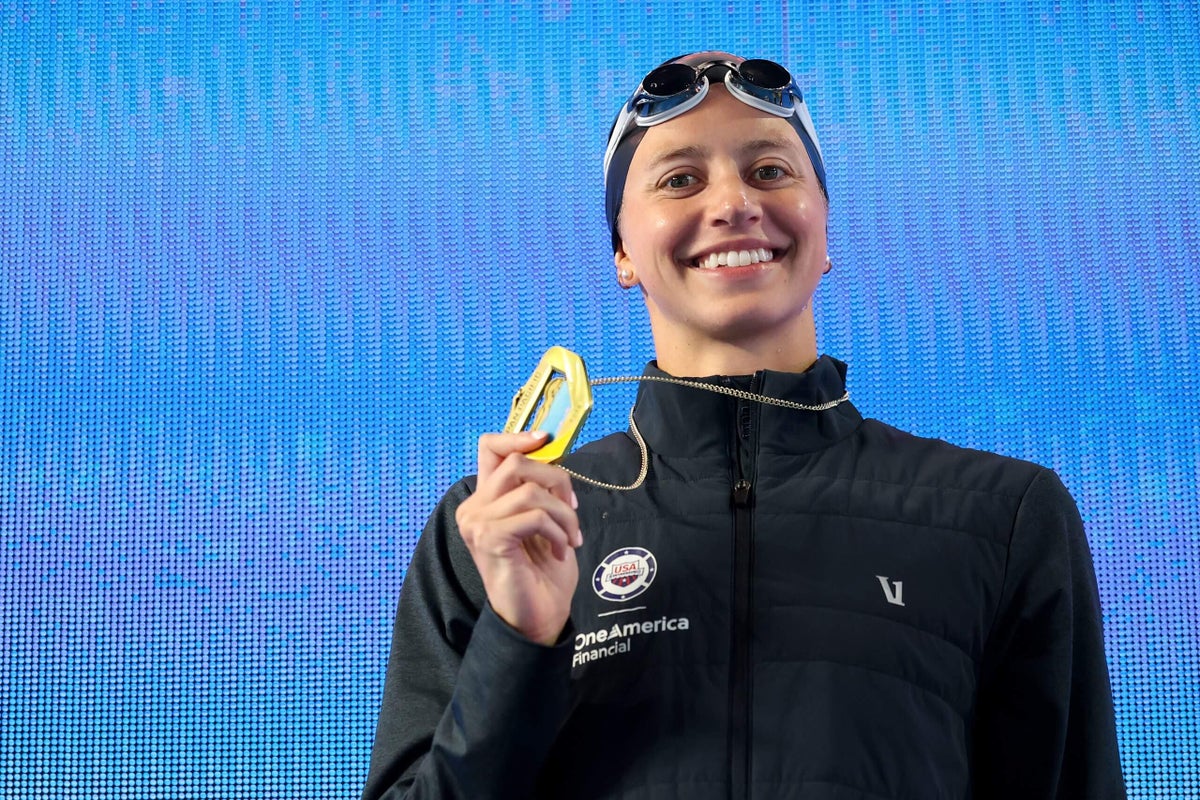
IRVINE, Calif. — Taylor Ruck heard the crowd roar when Kate Douglass set a new world record in Saturday’s 50-meter freestyle at Pan Pacific Championships, but she didn’t know the time, 23.19 seconds, until a few minutes later when she walked through the media mixed zone toward the warm-up pool.
“She went 23.1? She went 23.1?!” the Canadian standout repeated, shock spreading across her face. “Holy s—!”
Her reaction matched that of just about everyone at the Woollett Aquatics Center. Douglass’ swim was stunning: an explosion of speed that put her well ahead of American teammate and University of Virginia training partner Gretchen Walsh, who held the world record entering the meet. Douglass finished long into the wall, too, meaning she has potential to swim even faster in the future.
Douglass is now the fastest woman alive, breaking the world record in morning preliminaries with a 23.49 and then lowering it by 0.3 seconds at night. The 24-year-old — set to be one of Team USA’s faces at the 2028 Olympics — also boasts one of the most distinct event repertoires in the world. She raced the 200 breaststroke, an event in which she’s the reigning 2024 Olympic and 2025 world champ, less than 30 minutes after the 50 free, taking silver.
Worlddddddddd Recordddddddd🚨 https://t.co/5QxL9X9PRH pic.twitter.com/YeZsiMNAR3
— USA Swimming (@USASwimming) August 16, 2026
“There’s a lot of versatile swimmers out there, but the combination of breaststroke and freestyle is really, really rare,” Virginia coach Todd DeSorbo said. “The 200 breaststroke and sprint freestyle is even more rare.”
“Literally, I can’t even put it into words,” Ruck added. “It’s just amazing. She’s a legend.”
Douglass also won a silver medal in the 50 butterfly earlier at Pan Pacs and is also a world-class 200 individual medley swimmer. She took bronze and silver in the event at the 2021 and 2024 Olympics, respectively. That race was also Saturday, and even for Douglass it would have been too much to compete in three consecutive events. Plus, DeSorbo said entering the meet, she doesn’t like swimming backstroke outdoors.
She tested her endurance even more, anchoring the winning 4×100 medley relay for her sixth and final medal of the meet. Thanks to the men’s 1,500 free and women’s 800 free finals, she had a bit more rest before that race than she did for the 200 breaststroke, but the triple still took its toll. She split a 52.23, well off her 51.69 the night before, which was only one-hundredth off the world record.
With Canadian star Summer McIntosh faltering and having a difficult meet by her standards, Douglass and Australian Lani Pallister — who beat Katie Ledecky in a pair of individual races (the 400 and 800 freestyle) and McIntosh in another (the 200) — were the two most impressive women’s swimmers at the meet. Douglass finished with six medals, four of which were gold, and set three world records: two in the 50 and another in the 4×100 mixed medley relay. Her efforts were enough for her to win women’s swimmer of the meet.
“I was just so fired up (by the 50),” Ledecky said of Douglass. “She’s become such a leader for our team, along with so many of those younger swimmers that are coming up and really setting the tone for all of us.”
Douglass’ heroics and what they portend for the 2028 Los Angeles Games lead off our Team USA takeaways from Pan Pacs. Here are four others.
U.S. men in good shape with 200 free, 800 free relay
When Gabriel Jett looked at the scoreboard following the 200 freestyle, his jaw managed to both drop and find its way into a smile. He gazed around the pool, seemingly shocked as much as he was elated. His time of 1 minute, 43.96 seconds had won silver to American teammate Luke Hubson (1:43.85), and he’d cut nearly a second off his entry time.
“That was just so much faster than I ever could have thought,” he said afterwards, still stunned. “I just can’t believe I went 1:43. That’s so fast. You have no idea. That’s crazy, dude. I’m so excited.”
The race not only cemented the 23-year-old Jett as a potential Olympian but also highlighted how strong a position the American men are in for the 200 freestyle and, by extension, the 4×200 freestyle relay, a race in which they failed to make the podium at 2025 worlds. Hobson, who won bronze in the 200 at the 2024 Olympics and silver at 2025 worlds, is the leader of the charge. Aaron Shackell, only 21, showed his potential by throwing down a 1:44.23 split on the 4×200 relay, which won gold and came within a second of the Americans’ 2009 world record (6:58.55).

Gabriel Jett reacts after his 200-meter freestyle swim on Wednesday at Pan Pacs. Jett’s time of 1:43.96 was a personal best and puts him in good position to be an Olympian. (Sean M. Haffey / Getty Images)
“We have these young athletes that are coming up in this event and just getting better and getting more confidence and starting to race each other more and more,” said Dave Durden, who coaches Jett at Cal and was on the Team USA Pan Pacs staff. “That’s just going to help our 4×200 free relay as we get closer and closer to L.A.”
That record is within reach in the coming years. In Hobson’s words, “It’s coming soon.” To break it, the Americans will have to average better than 1:44.63. Hobson, Jett and Shackell have already cleared that mark, either on a flat or relay start, and others either have been or could get close. At U.S. Nationals earlier this summer, three swimmers went under 1:46. With two more years of prep, the Americans should be able to piece together a more-than-potent relay.
“I feel like ‘finally,’ right?” said national team director Greg Meehan, who shared Durden’s excitement about the Americans’ youth in the event. “We haven’t had depth in that event in some time.”
Michael Phelps — who was on the world record-holding relay — was pleased with what he saw.
“I was very happy to see two 1:43s,” said the 28-time Olympic medalist, who attended multiple sessions of Pan Pacs as a spectator. “Those guys, if they can continue to repeat those times and go 1:43, go 1:42, watch what happens. Especially being on your home soil (in 2028), you’re going to feel that adrenaline more than anything else.”
50s add new flavor — and open new doors
The 50-meter races of the backstroke, butterfly and breaststroke will be introduced to the Olympic program in 2028 with qualification beginning at 2027 World Cup stops. The inclusion of the 50s, already contested at world championships, offers more medal opportunities to strong sprinters like Douglass and Walsh and also creates pathways for swimmers like Van Mathias, who won silver in both the 50 butterfly and 50 breaststroke at Pan Pacs.
“It’s big,” said Mathias, who took two years off swimming before coming back in 2025. “Opens up the competition, allows more people to get back in the sport.”
“It elongates the career for some of these athletes, which is great and puts them in a spot where they can be potential medalists at the Olympic Games,” added Durden, who mentioned Mathias as a potential 50 specialist. “And it doesn’t matter the event, man. If you’re a medalist at the Olympic Games, no one really gives a damn what (event it’s) in.”
At Pan Pacs, Mathias established himself as having more range than just 50s. He won the 100 breaststroke, helped set a world record on the 4×100 mixed medley relay, and took gold again by swimming the breaststroke leg of the men’s 4×100 medley relay.

Gretchen Walsh is among the U.S. swimmers who have extra Olympic medal possibilities thanks to the addition of 50-meter events in every stroke. (Sean M. Haffey / Getty Images)
The prospect of Olympic 50s was encouraging to Americans at the meet.
“Just having another opportunity for the Olympic Team and winning a medal, it’s huge,” said Katharine Berkoff, who won the women’s 50 backstroke. “Super helpful.”
“It’s everything,” added Michael Andrew, a 2021 U.S. Olympian who competed in all four 50s at Pan Pacs and regularly did the events early in his career. “I’ve always been the fastest four 50s added up. … The fact I can swim all four strokes is pretty awesome. I think it’s something I’m going to lean heavily into.”
Walsh — who called the 50 butterfly “probably my favorite event” — said it hasn’t changed her training much, though she has added a little extra focus to her power butterfly work.
“It’s great for the sport,” Meehan said. “We can’t rest as a sport and just think that what we’ve always done is going to be what the public wants. … It’s opened up opportunities.”
U.S. men’s 100, 200 backstroke in transition period
From Aaron Peirsol to Matt Grevers to Ryan Murphy, the American men have consistently had at least one elite backstroker in the 100 or 200. But that stroke, at least above the 50-meter level, looked like a bit of a weakness coming out of the Pan Pacific Championships, at least in light of the country’s past standard.
Will Modglin, who trains at Texas, was the most successful 100 backstroker for the U.S. at the meet, helping set a world record in the 4×100 mixed medley relay and winning silver in the individual 100. But his time (53.37) was off his seed time (52.54) and would not have even made the finals at the European Championships.
At 22, he’s still a promising athlete for the U.S., and conditions for backstrokers were difficult at Irvine. Multiple swimmers said it was difficult to go straight while on their back, especially during the night sessions when there aren’t clouds.
“Even if it’s not the swim that I wanted, I know there’s a couple tenths in there just from that,” he said. “I think it definitely gives me some more motivation.”
The U.S. also failed to medal in the men’s 200 backstroke. Keaton Jones, an Olympic finalist, finished fourth with a 1:58.00, but his preliminary time (1:55.24) would have won gold. The 50 was the Americans’ most successful men’s back event at Pan Pacs, with Quintin McCarty winning gold and Modglin taking bronze.
Meehan stressed that there are still two years until the Los Angeles Games and a lot can change in that span.
“Literally a year ago, we were in a different spot in men’s breaststroke, and look where we are now,” he said, alluding to Mathias’ emergence and how much more favorable it has made the stroke’s outlook for the U.S.
Murphy also looks like he will still be a factor. The nine-time Olympic medalist is back racing after a post-Olympic break and dropped a 52.80 in the 100 at the Indianapolis Pro Swim Series in June. That would have won gold at Pan Pacs.
Swimmers not at Pan Pacs show out
There was no American qualification meet for Pan Pacs this summer — the U.S. announced its roster in 2025 — so several swimmers who weren’t at the meet cemented themselves as potential 2028 Olympians at U.S. National Championships a few weeks before Pan Pacs.
— Anna Moesch: Another swimmer from the Virginia training group, Moesch looks like she’ll be a major factor in both the 100 and 200 freestyles, winning both at Nationals. That makes her a prime relay candidate, too.
— Caeleb Dressel: This is a familiar name. After taking time off following the 2024 Paris Games, the 10-time Olympic medalist looked to be in good form at Nationals, posting times that would have medaled in the 50 and 100 freestyles and butterflies at Pan Pacs. Though he isn’t the force he was at his peak, he still looks capable of contending for individual medals and contributing to relays.
— Ilya Kharun: Kharun, a 2024 Olympian for Canada, is switching nationalities for competitive purposes and will be eligible for Team USA by the 2028 Games. He won bronze in the 100 and 200 butterfly in Paris and will immediately become arguably the Americans’ top swimmer in the stroke. He won the 50 and 100 butterfly at Nationals and was second to Pan Pacs gold medalist Luca Urlando in the 200.
— Ryan Erisman: Only 20, Erisman could be a factor in the Americans’ quest for 200 freestyle gold. He blasted a 1:45.23 at Nationals and also won the 800.
— Luka Mijatovic: The 17-year-old looks like a budding star and won the 400 freestyle in a time (3:43.45) that would’ve missed the Pan Pacs podium by only one-hundredth of a second. If he continues to improve, look out.
— Isabelle Stadden: The former Cal swimmer, now training at Virginia, posted a monster 200 backstroke time (2:04.76) and could also contend for an Olympic spot in the 50 and 100 backstroke.
>
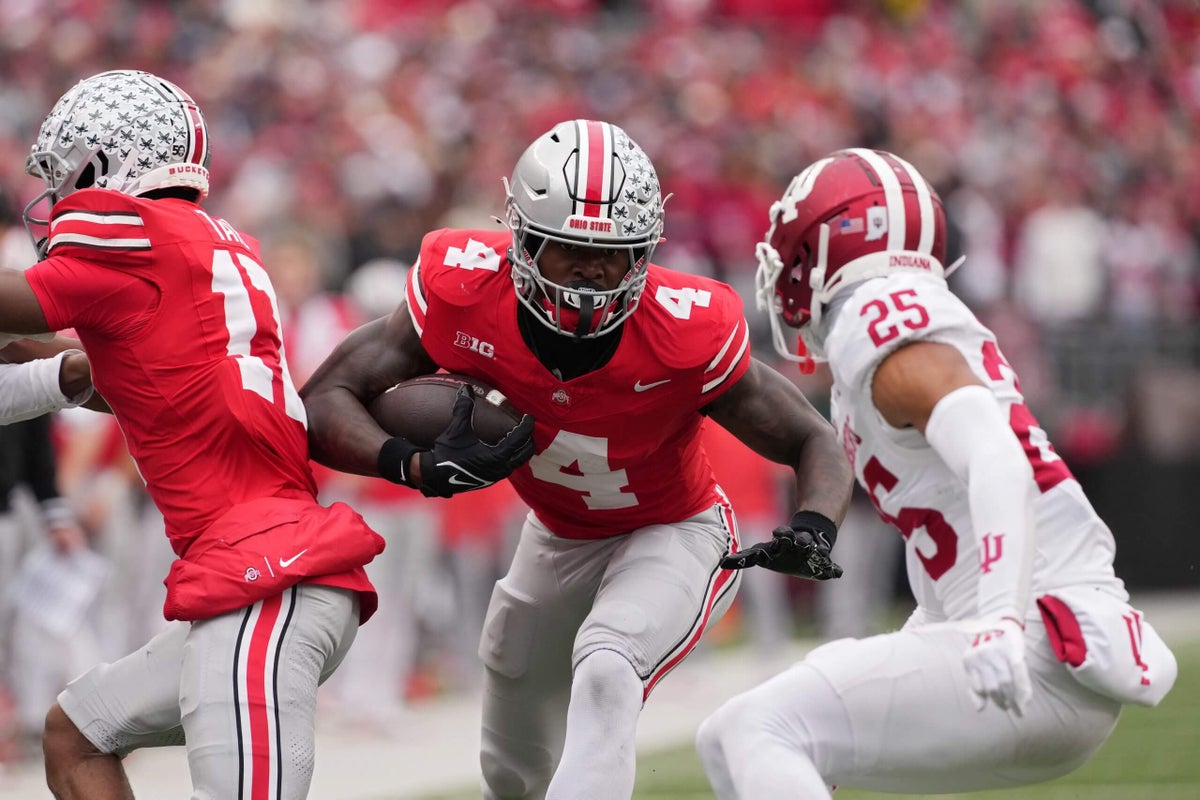
Ohio State is No. 1 in the AP Top 25 and Oregon is No. 2, making the Big Ten the first conference to hold the top two spots in the preseason poll since 1987.
Following three straight national titles for the Big Ten, the league will start the 2026 season with the Nos. 1 and 2 teams in the AP poll for the first time in 65 years. In 1961, Iowa was preseason No. 1 and Ohio State was No. 2.
The Buckeyes are No. 1 in the preseason for the first time since 2015 and the ninth time in program history, matching Alabama for second-most behind Oklahoma (10).
Ohio State snapped a string of 10 straight seasons in which either an SEC team or Clemson was preseason No. 1. The SEC led the way with nine teams in the preseason poll, but none received first-place votes. The Big Ten had eight teams in the poll. The Big 12 had four and the ACC three.
The Buckeyes were one of five teams to receive first-place votes in the poll released Monday, getting 40 and 1,672 points from the media panel. Oregon received 14 first-place votes and 1,597 points and has its highest preseason ranking ever. The Ducks were preseason No. 3 four previous times and have never won a national championship.
No. 3 Georgia had 1,513 points but no first-place votes, and No. 4 Notre Dame had six first-place votes and 1,510 points. The Fighting Irish have their best preseason ranking since starting No. 2 in 2006.
Texas, last year’s preseason No. 1, was fifth with 1,483 points, and defending national champion Indiana was No. 6. The Hoosiers received eight first-place votes and have their highest preseason ranking in program history. Indiana’s previous best preseason ranking was No. 13 in 1968. This is only the fifth time the Hoosiers have been ranked in the preseason. Last year, they started 20th.
Among recent champions, the Hoosiers are the third since 2012 to start the following season outside the top five. Michigan was preseason No. 9 after winning it all in 2023, and LSU started the 2020 season No. 6 after winning the title and going 15-0 the previous season.
AP Top 25 vs. Ralph’s ballot
|
Rank
|
Team
|
Ralph’s vote
|
2025 record
|
|---|---|---|---|
|
1 |
3 |
12-2 |
|
|
2 |
1 |
13-2 |
|
|
3 |
4 |
12-2 |
|
|
4 |
2 |
10-2 |
|
|
5 |
5 |
10-3 |
|
|
6 |
6 |
16-0 |
|
|
7 |
7 |
13-3 |
|
|
8 |
17 |
11-2 |
|
|
9 |
13 |
13-2 |
|
|
10 |
11 |
10-3 |
|
|
11 |
8 |
7-6 |
|
|
12 |
9 |
12-2 |
|
|
13 |
14 |
11-4 |
|
|
14 |
10 |
9-4 |
|
|
14 |
15 |
12-2 |
|
|
16 |
12 |
9-4 |
|
|
17 |
16 |
9-4 |
|
|
18 |
24 |
7-6 |
|
|
19 |
20 |
9-4 |
|
|
20 |
NR |
8-5 |
|
|
21 |
NR |
11-2 |
|
|
22 |
NR |
9-4 |
|
|
23 |
21 |
10-3 |
|
|
24 |
18 |
9-4 |
|
|
25 |
NR |
8-5 |
|
|
NR |
19 |
4-8 |
|
|
NR |
22 |
8-5 |
|
|
NR |
23 |
9-4 |
|
|
NR |
25 |
11-2 |
Others receiving votes: Clemson 112, Florida 51, Boise State 43, Arizona 32, TCU 11, Navy 10, South Carolina 10, Illinois 9, Oklahoma State 8, Vanderbilt 8, Pittsburgh 7, Virginia Tech 6, Minnesota 5, UNLV 4, New Mexico 4, Georgia Tech 4, Louisiana 4, James Madison 3, Auburn 3, Memphis 2, California 2, Liberty 1, Western Michigan 1, Tulane 1, Virginia 1
No. 7 Miami received a first-place vote and has its best preseason rankings since 2004, when the Hurricanes started sixth.
No. 8 Texas A&M, No. 9 Ole Miss and No. 10 Oklahoma round out the top 10, followed by LSU and Texas Tech. The SEC has six of the top 11 teams.
No. 13 Alabama is outside the preseason top 10 for the first time since 2008. The Crimson Tide started No. 24 in Nick Saban’s second season as coach and ended up reaching No. 1 before finishing sixth. Clemson is unranked in the preseason poll for the first time since 2011.
The last time the same conference held No. 1 and No. 2 in the preseason? Oklahoma and Nebraska from the Big 8 in 1987.
Why Oregon is Ralph Russo’s No. 1 team in the AP poll
Ralph D. Russo
How I voted
There were seven teams I considered for No. 1, and they created a tier that I could have tinkered with endlessly.
I landed on Oregon, but a case could be made for Notre Dame, Ohio State, Georgia, Texas, Indiana and Miami.
Texas was the most difficult in that batch to settle on. Being apprehensive about the Longhorns because they disappointed last year as preseason No. 1 — I was among those who tabbed Texas — is understandable but can also lead to bad process.
This is not the same team. Texas added some serious firepower around Arch Manning through the transfer portal, and it’s not a stretch to think some high-caliber holdovers — Manning included — will improve.
When I began putting my ballot together, I thought I had narrowed No. 1 down to Oregon, Notre Dame or Texas. And then visions of the Longhorns getting pushed around by Georgia and losing to Ohio State flashed through my head and I slotted Texas behind those two as well. I almost did the same with Indiana and then at the last second flipped the Longhorns and Hoosiers.
Miami was the easiest to slot as the last of that tier of seven because of all the Hurricanes lost on their offensive and defensive lines.
But in the end, any order of those seven teams would be fine by me.
I comfortably had LSU at No. 8, fully understanding the wild-card nature to Lane Kiffin’s team. The Tigers are the eighth team I’d put into the bucket of those I think can win a national title this season, but also the most variable of that group.
Texas Tech was an easy No. 9, as I think the Red Raiders fall short of the ceiling of the teams ranked ahead of them while still being in that range.
No. 10 was where things got difficult. I would have liked to skip 10 to 12 and picked back up at No. 13.
USC was my No. 10. I don’t love it, but I felt the same way last season when I reached a little and ranked Texas A&M 10th in the preseason. That worked out OK.
After assessing my preseason ballot from last year, I tried to lean into first instincts and not tinker as much this year. I also proceeded with a little more caution with teams replacing a lot of offensive line experience.
That explains me going from last year’s most bullish Texas A&M voter to one of the most bearish in 2026 at No. 17. The Aggies are flipping their entire offensive line this season.
Allow me to explain Florida at No. 19. I want to take at least one flyer on the back end of my ballot.
Last year it was Utah, coming off a five-win season. The Utes improved to 11-2 and finished 14th. This season, I’ll put some chips on a healthy turnaround for the Gators under new coach Jon Sumrall. Let’s say 4-8 to 8-4.
Minnesota was my other sleeper, if you will. I’m banking on a nice season by quarterback Drake Lindsey and just a little more success than usual out of the Gophers. P.J. Fleck’s team has won eight or nine games in four of the past five seasons. That includes bowl victories. I don’t think it’s a stretch to get the Gophers to a 9-3 regular season.
And, yes, I try to reserve No. 25 for the top Group of 6 team. Hence, Navy.
The history of No. 1
The AP began ranking teams in the preseason in 1950. Since then, only 11 preseason No. 1 teams have finished the season No. 1. The last was Alabama in 2017.
Only two teams have gone wire-to-wire as No. 1: Florida State in 1999 and USC in 2004.
The last time the Buckeyes were preseason No. 1 in 2015, they were coming off a national championship but failed to reach the four-team version of the College Football Playoff. Ohio State went 12-1 and finished No. 4.
The Buckeyes have never finished No. 1 in a season after being preseason No. 1. Their best finish in those previous eight seasons was No. 2 in 2006 and 1998. Ohio State also extended its record string of appearances in the preseason poll to 38.
Last year’s Texas team became the first preseason No. 1 to finish outside the top 10 since USC in 2012. Those Trojans are the only team to start No. 1 and finish unranked when the poll has included at least 20 teams.
Seventeen teams that have been preseason No. 1 have finished with at least three losses, including the past two (Georgia 11-3 in 2024, Texas 10-3 in 2025), though in the expanded Playoff era, that could become far more common.
>
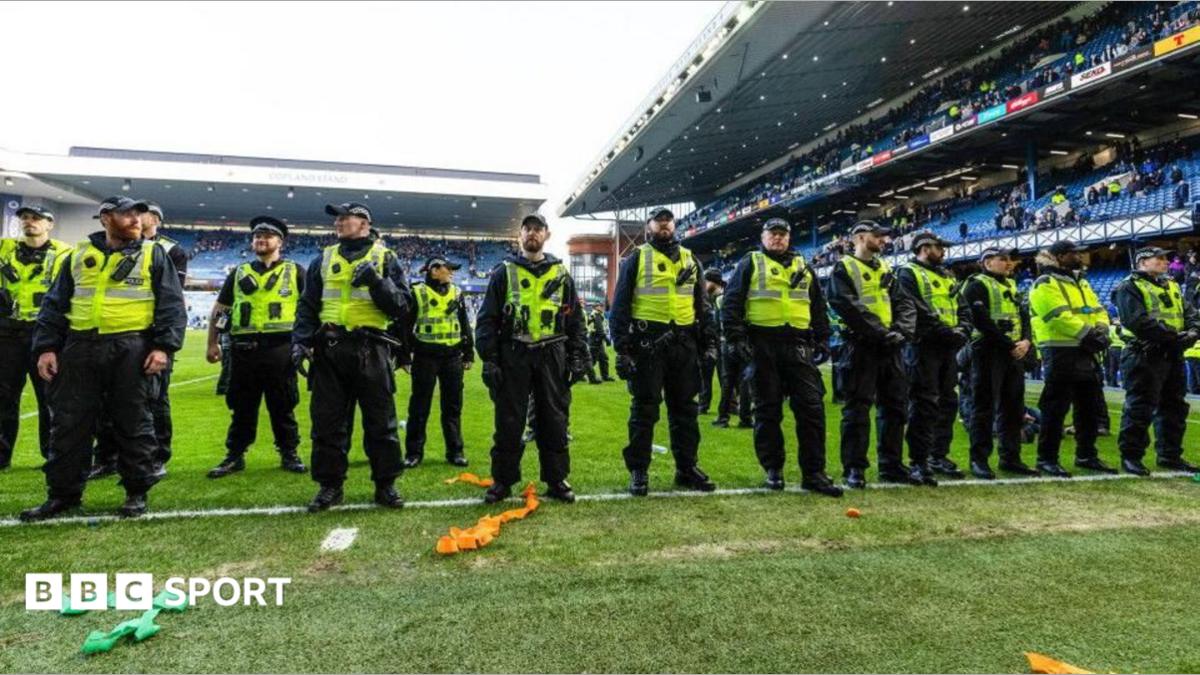
Theoretically, Celtic could be offered next to no visiting tickets for the match at Ibrox – at least according to the rules and regulations set out by the Scottish Professional Football League for their primary cup competition.
For confirmation of this, BBC Scotland took a deep dive into the books. The relevant information is listed in Annex 2 – The Scottish Professional Football League Cup Competition Regulations – and section 11, Admission Arrangements for Visiting Clubs and clubs.
This is where it becomes clear that, in theory at least, Rangers are only required to make 50 tickets available to Celtic – 10 for the directors’ box and 40 for the stand, as detailed in sub-section one:
“11.1 The Home Club shall forward to the Visiting Club ‘without charge’ tickets, in the numbers set out below, so that they will be in the hands of the Visiting Club on or before the fifth day before the Match (unless under circumstances which render this impracticable) – 10 for Directors’ Box, 40 for the Stand.”
Further to this, the only other official stipulation in the competition guidelines that applies to tickets (at least up to and including the quarter-final stage) is in the next section of the rulebook:
“11.2 No Official or Player of the Visiting Club shall be entitled to enter the Home Club’s Ground without a ticket.”
It would therefore appear to be within Rangers’ gift, according to the strictest reading of the rules, to have very few Celtic supporters at Ibrox.
>
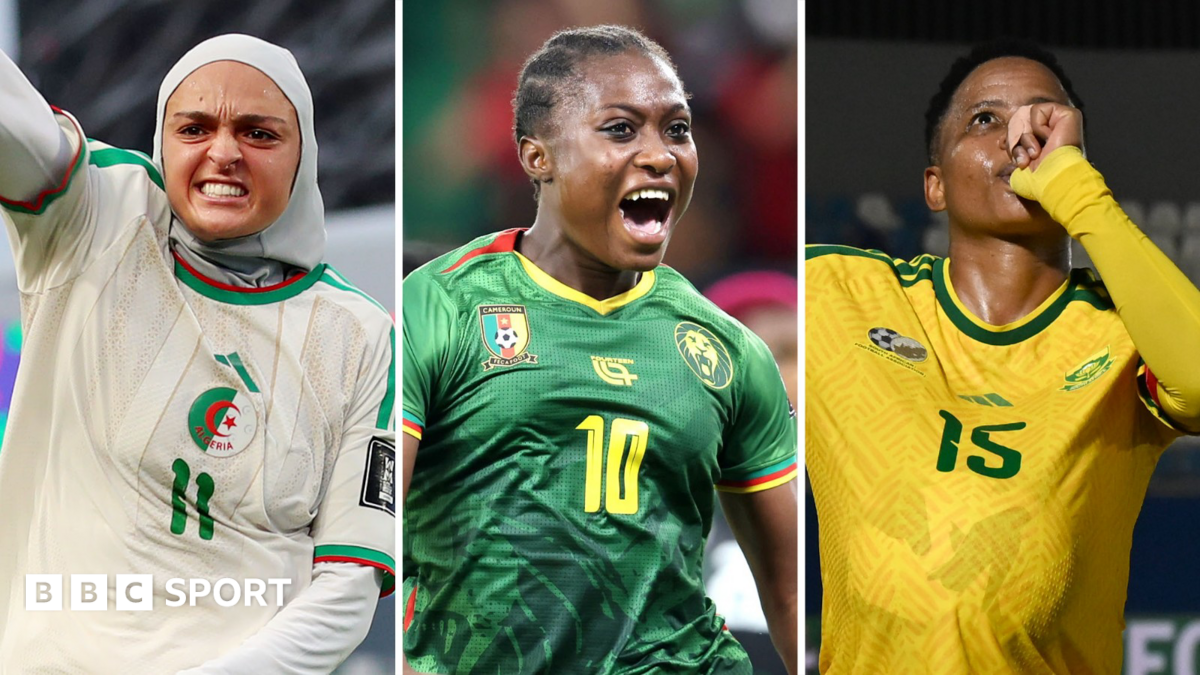
Where the 2024 Wafcon saw few upsets, this tournament provided greater competitiveness and several shock results.
Tanzania bridged a gap of 65 places in the world rankings to upset South Africa in the group stage and the 2022 champions then needed a 99th-minute equaliser to salvage a point against Ivory Coast.
Debutants Malawi were the fairy tale story, upsetting 10-time champions Nigeria with a 3-2 win in their opener before seeing off Ghana and Algeria to reach the final.
Their success was built on the attacking prowess of the Chawinga sisters, but the Scorchers will certainly climb from 153rd in the world – and 32nd in Africa – when Fifa updates its rankings.
Zambia were unfortunate not to reach the knockout stage despite amassing six points in Group C, while Mali were eliminated on goal difference after finishing level with Ghana on four points in Group D.
Cape Verde, Egypt and Kenya were the only sides not to win a game, with the North Africans conceding 15 goals and the Harambee Starlets failing to find the back of the net.
There were 90 goals scored in 32 games (excluding the two Women’s World Cup play-offs) with the average of 2.81 goals per game an increase on the average of 2.54 from the 2024 edition.
>

‘Miami Vice’ Pic Starring Michael B. Jordan Adds Whitney Peak To Cast

Ohio State wins AP Top 25 battle for No. 1 ranking. Here’s how I voted in preseason poll

Feedly attributes weeklong slowdown to bug, not its AI pivot
-

 movies3 months ago
Search For Canadian TV Actor Stewart McLean Now Homicide Investigation
-

 Fashion9 years ago
These ’90s fashion trends are making a comeback in 2017
-
Fashion9 years ago
According to Dior Couture, this taboo fashion accessory is back
-
Fashion9 years ago
Model Jocelyn Chew’s Instagram is the best vacation you’ve ever had
-
Fashion9 years ago
Emily Ratajkowski channels back-to-school style
-
Fashion9 years ago
9 Celebrities who have spoken out about being photoshopped
-
Fashion9 years ago
Your comprehensive guide to this fall’s biggest trends
-
Fashion9 years ago
A photo diary of the nightlife scene from LA To Ibiza