
Entertainment
Emerson’s Jay Bernhardt and Ken Rogers on Their Bicoastal Bet Amid Industry Contraction


Look out USC, UCLA and NYU, because Emerson is having a Hollywood moment.
The school counts Henry Winkler, Jay Leno, Jennifer Coolidge, Denis Leary and Norman Lear among its alumni, along with “Everything Everywhere All at Once” Oscar winners Daniel Kwan and Daniel Scheinert.
Emerson Los Angeles, the Boston school’s satellite campus located on Sunset and Gower in the heart of Hollywood, recently broke out new signage that overlooks the Hollywood sign, a visible marker of its growing footprint in the town.
The milestone lands alongside two leadership moves. Veteran cable exec Doug Herzog, an Emerson alum from the class of 1981, was named chair of the school’s Board of Trustees. And longtime media scholar and educator Ken Rogers, class of 1991, was named the inaugural dean of Emerson Los Angeles.
Emerson College President Jay M. Bernhardt and Rogers spoke with Office With a View about the appointments, how the bi-coastal film school is adapting its curriculum to AI and industry contraction, and what industry jobs students are actually chasing now that didn’t exist five years ago.
How does Doug Herzog becoming chair of your board, and alumni like Pam Abdy, affect the organization?
Bernhardt: Emerson has been an incredibly accomplished media and film school for many decades, and given our size and our history, we absolutely punch above our weight class in terms of our impact in Hollywood. That’s reflected in the alumni who have come out of Emerson, but right now it’s very reflected in two incredible leaders who are Emerson grads. Doug Herzog is our brand new chair of our Board of Trustees, so my boss and the person at the top of the letterhead. Doug is what I sometimes call the king of basic cable. He has had a legendary career greenlighting some of the biggest shows and stars ever on television, in both comedy and music, as the head of MTV and Comedy Central. We’re incredibly lucky to have Doug and the other trustees we have from Hollywood and beyond, who have brilliant experience and ideas. What they share in common is a deep love of Emerson and all that Emerson stands for. I think Pam Abdy (co-chair of Warner Bros. Entertainment) is an extension of the same conversation. She’s coming off an incredible run, not just making beautiful films that touch us on many levels, but also that sell a lot of tickets. We couldn’t be more proud of Pam. She spoke to our board last year, and we’re in regular contact with her. What she and Doug and all the other alums have in common is they really love Emerson and what it gave to them, what doors it opened for them, and they care about ways to give back.

What are the three to five jobs that students want who are leaving school and going into the industry that they didn’t want three to five years ago?
Bernhardt: In terms of what are some of the newer types of jobs that students want to go into, I think it’s the full range of what’s available. We’re beginning to incorporate AI more into our work. We have core principles around AI, and courses that teach students how to use it, but all of them keep human creativity and human imagination at the center. That said, some students are exploring technology-oriented opportunities as more companies and startups are created around this. We’re unique in that we teach students how to shoot on analog as part of their experience, all the way through using AI in current workflows or even new workflows that leverage the technology and everything in between.
Rogers: I’m the dean of the L.A. campus, and here we focus on career readiness and industry engagement in the later stages of a student’s path. What we’re finding is we’re able to adapt to the new directional trends of the industry because we’re here in the heart of Hollywood. The areas students are looking at right now are things like sports media, sports communication, games, podcasting, live events, even unscripted. We’re looking at ways to build the curriculum and student internship experience around those, and of course the creator economy and verticals is a very strong space right now. What’s interesting is how all of these things are integrating with the traditional legacy forms of media, and affecting both their business models and production processes. We’re trying to capture that and make sure students have an edge over other people entering the workforce.
Bernhardt: Live events, live activities and live television are all definite growth areas. Emerson’s been in that space a long time, and we have a lot of alumni who’ve made incredible careers around live performance and live directing. I think there’s going to be a lot more growth around live in the future, not only for film and television but music and other media. A second area that’s really unique to us is comedy. We’re the only college in the country, and the first, with a comedic arts major, which is now 10 years old. This is actually the 50th anniversary of the Emerson Comedy Workshop that Denis Leary started as a freshman here. We’ve been doing comedy at the highest level for decades, and I think we have more alumni working in comedy than probably any other school.
Ken, what are some of the things you are doing to uniquely prepare students, and how does that compare to USC, UCLA or even NYU?
Rogers: I think what’s unique about the Emerson experience is that you’re going to a four year communication, professional, liberal arts-based film school on the East Coast, but you also have the opportunity to get your West Coast legs and figure out how to launch your career from our L.A. platform. We have the largest satellite campus of any major film school that isn’t based here, so we offer the best of both worlds. Right now the direction is integrating career readiness structurally with the academic curriculum, so everything students do here supports the development of their skill sets for entering the workforce directly. We’re also expanding our offerings to recent grads, one to three years out, because the need to adapt, support and reskill is ongoing. We pioneered the satellite internship experience about 40 years ago. This is the 40 year anniversary of Emerson College Los Angeles. We started as a modest program run out of the Oakwood Apartments, and now we have a world class building with 210 beds and a regular cycle of students through it. There are about 30 schools that have satellite programs now, and we’re looking to expand experiential education beyond the internship into lab-based classes, studio integrated learning and team-based collaborative work.
So on that note, how does a bi-coastal education uniquely suit students to the rigors of the modern industry?
Rogers: Film schools are, in some ways, regional. The East Coast experience, the college-going experience of being in Boston, gives you access to incredible intellectual context, the core experience of a small liberal arts college, while also being at a top five industry school. Being able to balance those two experiences only enriches both, and I don’t think there are many schools that can offer that with the same richness and depth. It’s also our scale. Most major film schools are embedded in large, cumbersome research universities, and because we’re a small college, we can give a certain attentiveness to students. We know our students by name. It’s a very intimate school, and that creates a strong affinity among our alumni.
Bernhardt: Ken can answer that not only as our dean of L.A. but as a student. He was an undergrad here in film, then went on to his storied career, so he speaks from personal experience. I’ve worked at universities around the country, and there’s no better place to be a college student than Boston. There’s a reason there are more than 40 colleges and universities throughout New England, because it has so many incredible resources and opportunities that build on and connect to each other. Combining that with the hands-on L.A. experience as an ELA student gives the full picture, and that advantages us over many of our peers.

You previously mentioned AI. What about AI most concerns students who are entering film, television and the agencies today?
Bernhardt: A lot of the concern that everyone has about AI, not only students but faculty, staff and alumni, is the amount of uncertainty around how much disruption it’s going to create. We know it will create change in a lot of different ways, but no one quite knows yet, including the people investing in the technologies, exactly how that’s going to play out. What we focus on here is AI literacy, making sure everybody is aware of what it is, how to use it, and what the ethical and unethical ways to use it are as students. In parallel, we create conditions for AI fluency, where people can become experts, usually in existing workflows. How do we use AI as a tool, much like other technologies before it, to do new things in more productive and creative ways. The anxiety largely comes from a fear of the unknown. People worry about displacing jobs and opportunities, and we worry about that too, which is why we think it’s so important to have AI literacy so students can be competitive. Many employers now tell us they want and expect students to come out with some understanding of how AI works, which is why we lean toward AI literacy for all and AI fluency for those most interested in the technology.
Finally, how do you calm students and parents when all they ask about is contraction, consolidation and so on, and you’re selling an industry that won’t even look the same in five years?
Bernhardt: Part of it is around, even through every disruption and technology innovation in the industry, from silent films until today, it’s grounded in great storytelling, in great human creativity. Humans have been telling stories around the campfire since the beginning of the species, and storytelling is who we are. Hearing stories is what inspires us and touches us emotionally, no matter the media used. Those aspects have not changed, and we don’t think they’re going to change. When we talk to parents or families, or teach students across the courses we offer, it’s still all grounded in story, character and emotion, the things that have always been the basis of the work we do. We also tell them we’re going to help their students position themselves for the most competitive jobs of the future. Our career design center is built so that from the first semester students are here, they’re already thinking about their careers and how to position themselves. And one thing Emerson has as good as or better than anyone else is our alumni network. Our alumni are fiercely loyal to each other and to the college. They call themselves the Emerson Mafia, because they really take care of their own. They watch each other, and they open the doors behind them so others can come through. That’s something I’ve never seen at any other school.
Rogers: We’ve been here before. There have been other moments of disruption and consolidation in this industry, and every time it’s happened, from the coming of sound to the move from film to digital, there’s been a contraction, and we’ve come out of it through growth, expansion and new creative opportunities. We’re working hard to prepare our students to think about where the opportunity creation is in this moment of disruption. We’re thinking about the fundamentals of storytelling, but platform agnostic storytelling. Whether you’re telling that story on verticals, in long form scripted, for unscripted, whatever the platform, there are foundational fundamentals you have to be able to adapt if you’re doing a short form one-minute episode or a multi-season show for a major streamer. It’s about the adaptation, creating new kinds of portfolios. We mentioned AI literacy, making sure students understand new tools, and also business fluency, because the business models are changing, the different ways you can make a living at this are changing. We’re adapting along with that. Students are best prepared to adapt and capture change, so we don’t want to just hunker down and worry. We know there’s growth in these opportunities, and we’re trying to seek that out and prepare students for a future that may seem uncertain right now.

>

After spending 60 years in Hollywood, Robert De Niro admitted this week that he feels a bit guilty for not always being present for his family.
While talking with People, the acting icon touched on being a dad to seven children after having welcomed his youngest in his 80s. When asked if there was any advice he had to share, De Niro explained you just having to lean in and learn to manage everything – while also admitting that he was not always there for his kids when he felt he should be.
“I don’t know if there is a secret,” De Niro said. “It’s just managing it all.”

He further conceded: “There’s no way around not feeling a little guilty about not being there at times you should or you think you should.”
De Niro has seven kids in total, ranging from their 50s all the way down to a toddler born back in 2023. His oldest, Drena, is 54 and was adopted when the actor was married to Diahnne Abbott. The pair then later had their son Raphael, who is 49. The actor welcomed twins Julian and Airyn – who are both 30 – while with Toukie Smith. De Niro then married Grace Hightower and had two kids with her – Elliot, who is 28, and Helen, who is 14. Finally, the actor welcomed his daughter Gia back in 2023 with Tiffany Chen.
“It’s a new experience. It’s not like you’ve taken courses on it and stuff,” De Niro added about becoming a new father again. “You can, of course, but you don’t. You just jump in and you have the child and you got to … That’s it.”
De Niro has not slowed down his acting, either. He can next be seen alongside Adam Scott, Michelle Monaghan, Hamish Linklater and Michael Keaton in “The Whisper Man” this weekend, followed by “Focker-in-Law” opposite Ben Stiller and Ariana Grande this Thanksgiving.
“The Whisper Man” opens in theaters Aug. 28.
>

EXCLUSIVE: LA and Germany-based producer-financier Alliance Cinema, whose credits include My Big Fat Greek Wedding and Dark Tide, has joined David Mamet’s Speed The Plow as an equity financier.
Speed The Plow, currently in post-production, marks Pulitzer Prize-winning playwright David Mamet’s return to directing. Adapted from his acclaimed Broadway play, the feature stars Anthony Mackie, Ben Mendelsohn, Sharon Stone, Emily Alyn Lind, Chris Bauer, and Rebecca Pidgeon.
As we told you earlier this year, the new film will diverge to an extent from the play and will be set at the fictional American Prestige Studios, where junior executive Bob Grant (Mackie) is appointed to a head of production role. Grant is emotionally and philosophically unsuited to a job overseeing the production of schlock, but is aided, or impeded, by a studio time server, Charlie Fox (Mendelsohn); an office temp, Karen (Lind); and crazed movie star Gemma Speed (Stone).
The film, which also had help from A.I. on its journey through production, is produced by Tyler Payne, together with Douglas Riggs (Steak & Rosé), Jiarui Guo (Incandescent Productions), Vince Jolivette, and Richie Hill of Filmopoly. International sales are being handled by The Solution Entertainment Group, while Milestone Studios will oversee U.S. sales.
Separately, Alliance Cinema’s Jeanette B. Milio and her producing partner Iris Ramos have secured the exclusive worldwide adaptation rights to the Brazilian novel Diary Of A Weird Girl, written by author Thalita Rebouças and published by HarperCollins Brazil.
The plan is for the YA novel to be developed as a TV series for global audiences with Alliance now deciding on the best creative team to take it forward.
The book follows Carol, a 13-year-old girl who feels “weird” and navigates the ups and downs of pre-adolescence. The story takes in first crushes, school pressures, friendship conflicts, parental separation, and loneliness.
“We’re thrilled to bring one of Brazil’s most beloved young adult novels to television,” said Jeanette B. Milio. Iris Ramos added. “Thalita Rebouças has created unforgettable characters that resonate across cultures, and we look forward to introducing this inspiring story to audiences around the world through a high-quality international television series.”
Thalita Rebouças commented: “The love that Brazilian readers have shown Diary Of A Weird Girl has been the greatest gift. Some stories are simply meant to travel, and I’ve always believed this was one of them. I’m delighted to be partnering with Jeanette Milio and Iris Ramos to bring the novel to the international screen, and I can’t wait for audiences around the world to meet her.”
>
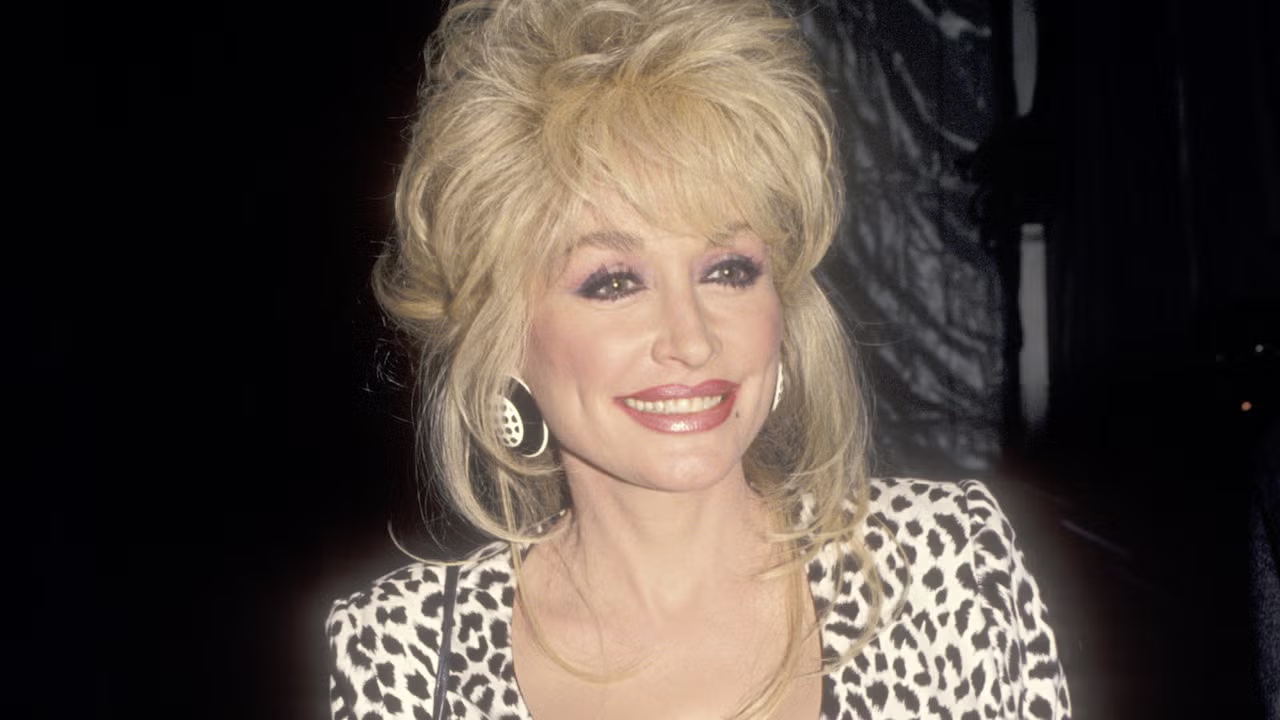
WrapStyle remembers Dolly Parton’s brilliant uniform of excess. Plus, welcome to the opening acts of the U.S. Open of Fashion, where Aryna Sabalenka served up $400,000 of diamonds during a practice session. And just in time, L.A. brand L’Agence launches a tennis capsule collection with an on-court dinner, and Hollywood-loved jeweler Jessica McCormack opens her first West Coast boutique.

Remembering Dolly Parton’s Singular Style
You could recognize Dolly Parton by her silhouette from the last row of a concert venue — buxom, big-haired, tiny-bodied and teetering on heels. And that was by design.
Like Elvis, Marilyn Monroe and Michael Jackson, she wasn’t owned by any brand; she was the brand: a self-aware blonde bimbo who, of course, was anything but.
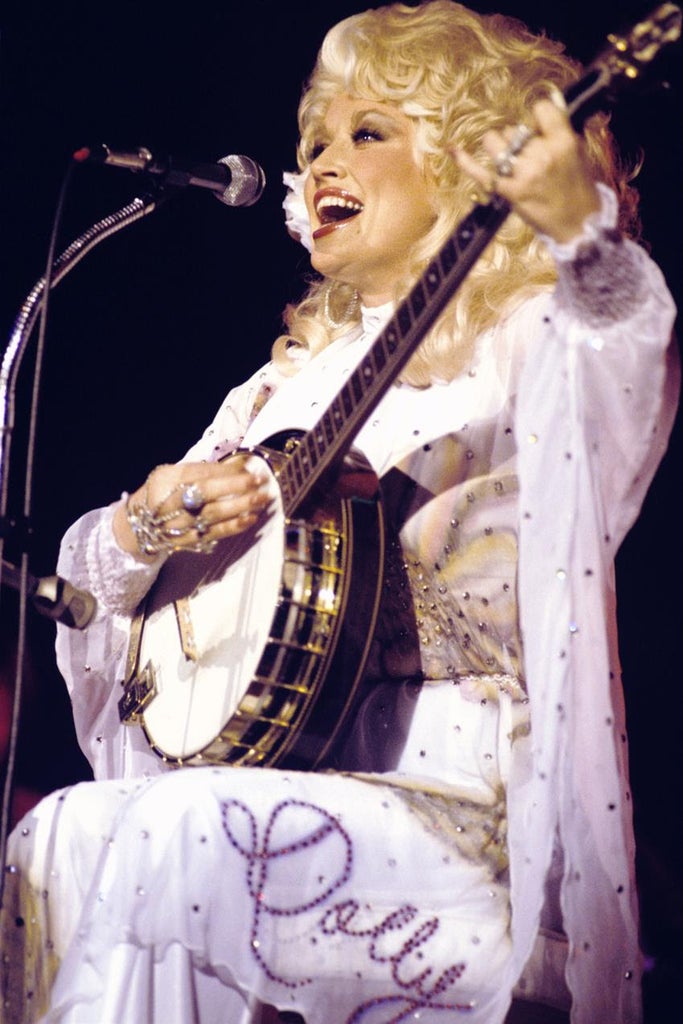
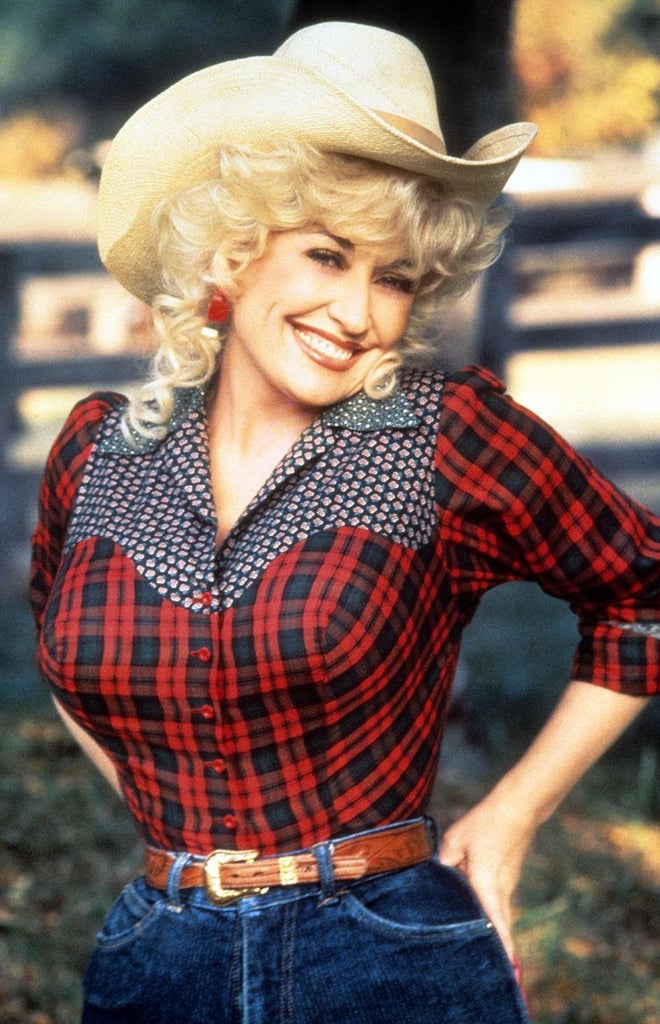
Parton understood the power of image and built hers out of the visual vocabulary of working-class Southern femininity, with bleached hair, acrylic nails, rhinestones, fringe, tight waists, short skirts and décolletage. Then she turned it way up. The oft-told origin story is that her childhood ideal of glamour was “the town tramp,” a woman other people may have regarded as cheap but the young Parton saw as beautiful.
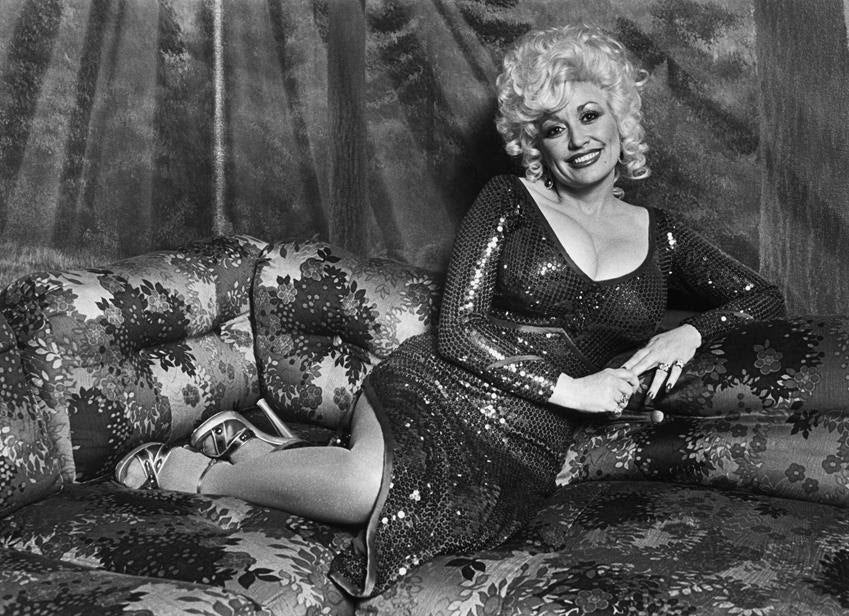
That tension was essential to her style, which she often called “backwoods Barbie.” Parton was always in on the joke, and her famous quip that “it costs a lot of money to look this cheap” perfectly captured just how much calculation was behind the artifice. Her clothes exaggerated things women historically have been encouraged to minimize, including breasts, blonde ambition, sexuality, sparkle and age-defying vanity. Rather than apologize for any of it, she made excess her uniform.
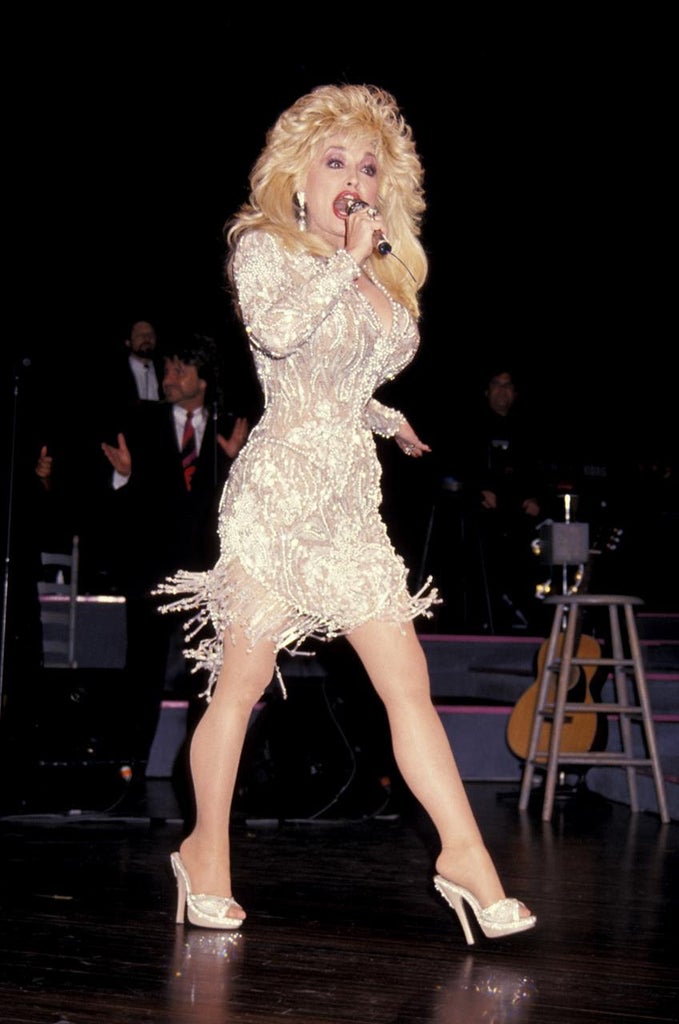
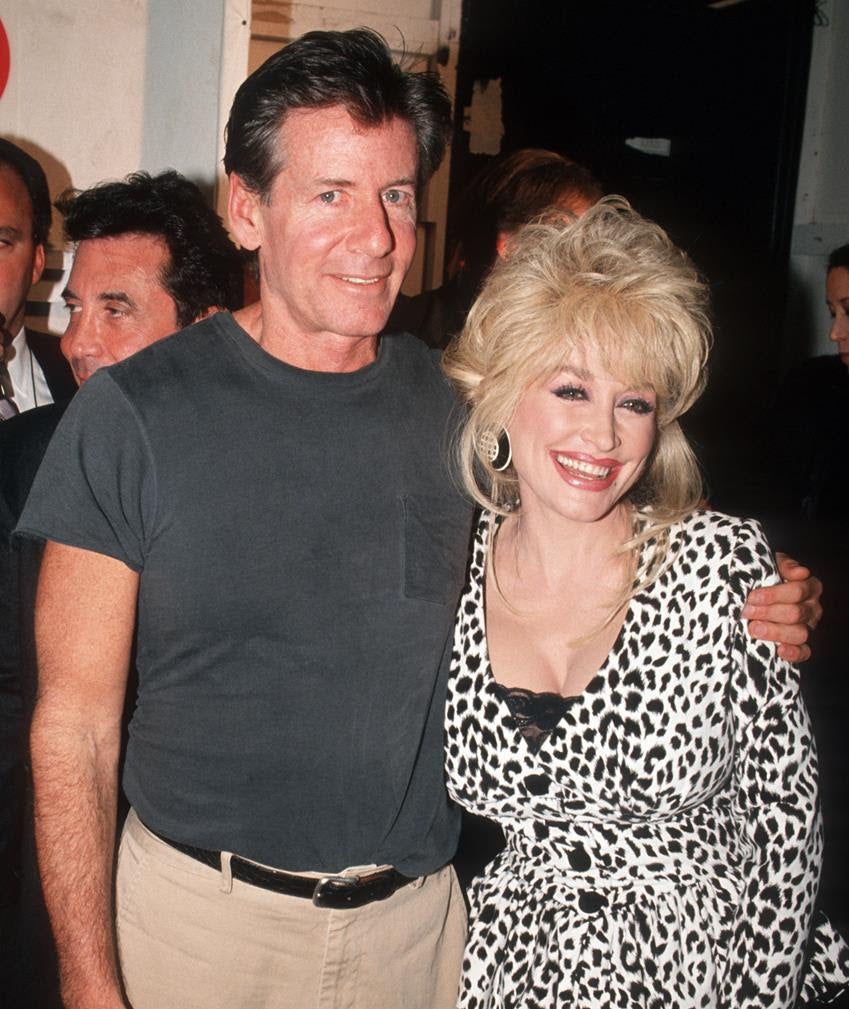
Fashion, in the conventional sense, wasn’t the point, though she did make a memorable appearance at the 1994 Calvin Klein fall runway show. Yes, really. Dolly in Calvin. Still, she rarely appeared in fashion magazines, becoming a style icon on her own, outside of the industry.
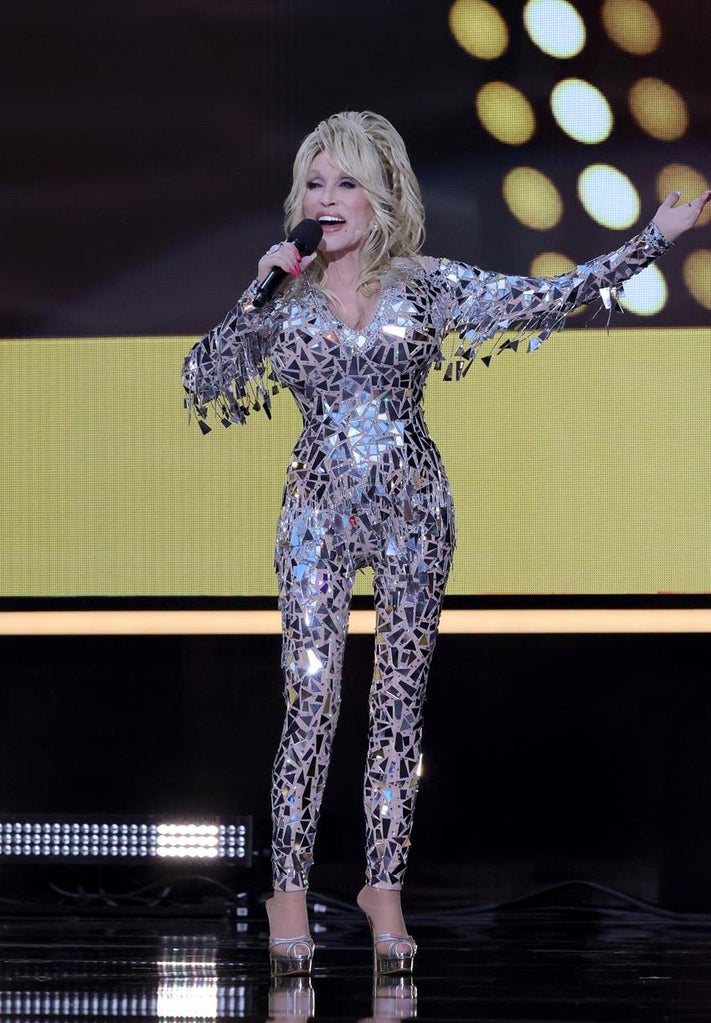
Her longtime costume designers Lucy Adams and Steve Summers did not work on reinventing her look, which is the name of the game for so many of today’s pop stars. They refined it, creating ever more sparkly Nudie-inspired jumpsuits and second-skin waist-snatching gowns with Western fringe and butterfly motifs. Her nails were also a style signature. Long and red, she famously used them as percussion on her hit song “9 to 5.”
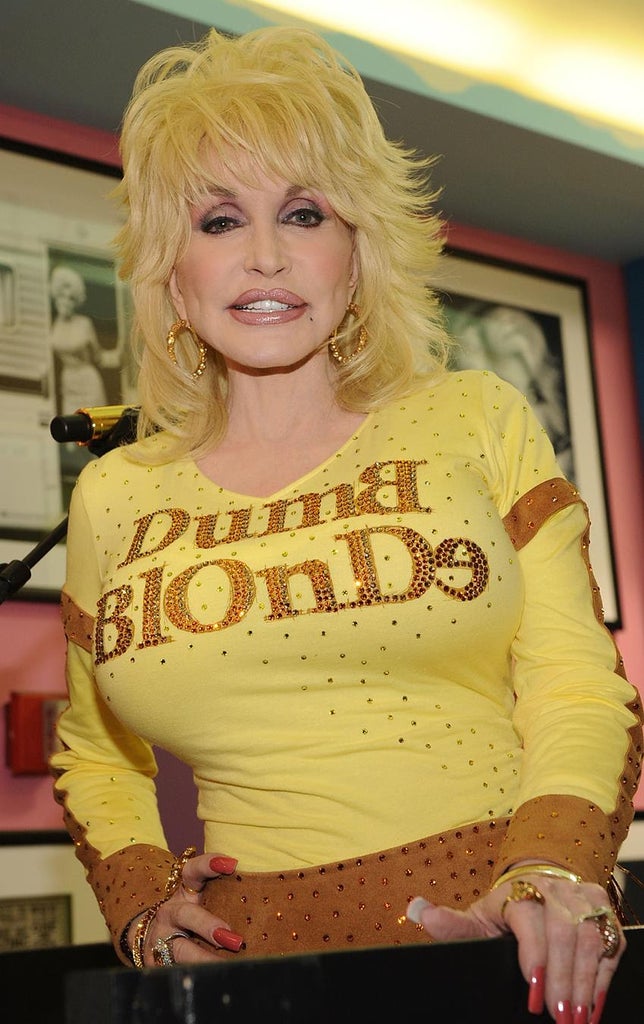
Dolly’s appeal outgrew the confines of country music, and yet she stayed true to her image. She became a denim icon, a camp icon and a gay icon, embraced for her self-invention, showiness, humor, kindness and refusal to conform to conventional ideas of good taste. She didn’t dress to be taken seriously, she dressed so no one could ever mistake her for anyone else.
Along the way, she meant so much to so many people, including Taylor Swift, Miley Cyrus and Sabrina Carpenter, who sometimes imitated her style. “Oh Dolly, the only thing I could say after we met was ‘she really is an angel walking the earth,’ and ‘we look like we could be sisters,’” Carpenter wrote on Instagram.
The social media tributes have been fascinating to see, from Jeff Bezos (“Dolly spent her whole life showing us what it means to lead with love …”) to the Royal Family (“Remembering the late, great Dolly, who brought joy, comfort and inspiration to so many — including the millions of children given free books through her Imagination Library”).
Carol Burnett recalled taping the 1979 TV special “Dolly and Carol in Nashville” over Thanksgiving week, when Parton cooked individual turkey dinners for every person involved in the production, while Reese Witherspoon posted about how Parton took her out to dinner to share her memories of June Carter Cash when she was prepping for the 2005 film “Walk the Line.”
The fashion community has also chimed in, with L.A. designers Emily Current and Meritt Elliott of The Great calling her their “denim queen,” and Emma Grede, co-founder of Good American, remembering their 2025 collaboration on a denim capsule collection and the joy of shooting with Parton.
“After a crazy long day on set, Dolly took photos with every single person working. Never have I see anyone do that and never have I been on a set where everyone wanted a photo,” said Grede. “But Dolly was different.”
And she looked different, always. As Parton said herself, “Who wants to dress classy? I’m in a class of my own.” Amen.


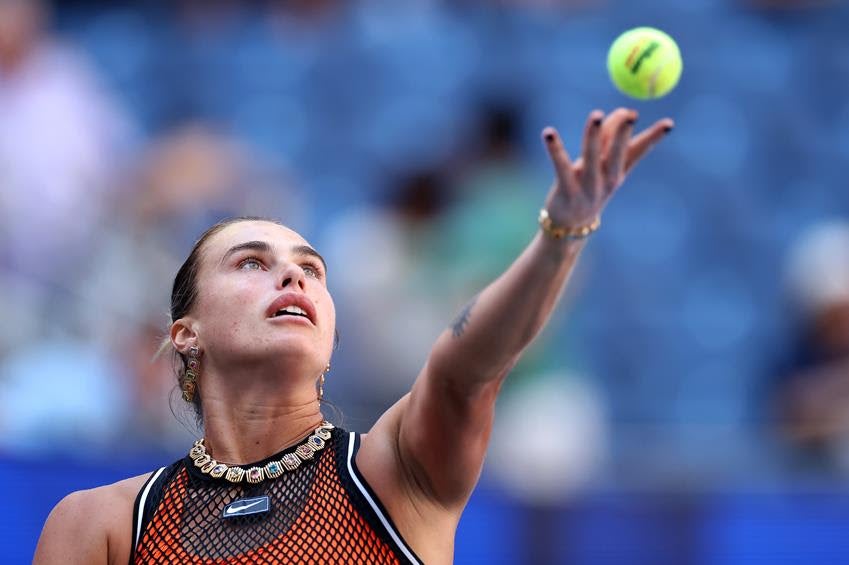
U.S. Open of Fashion Brings Stars and Sparkle to Queens
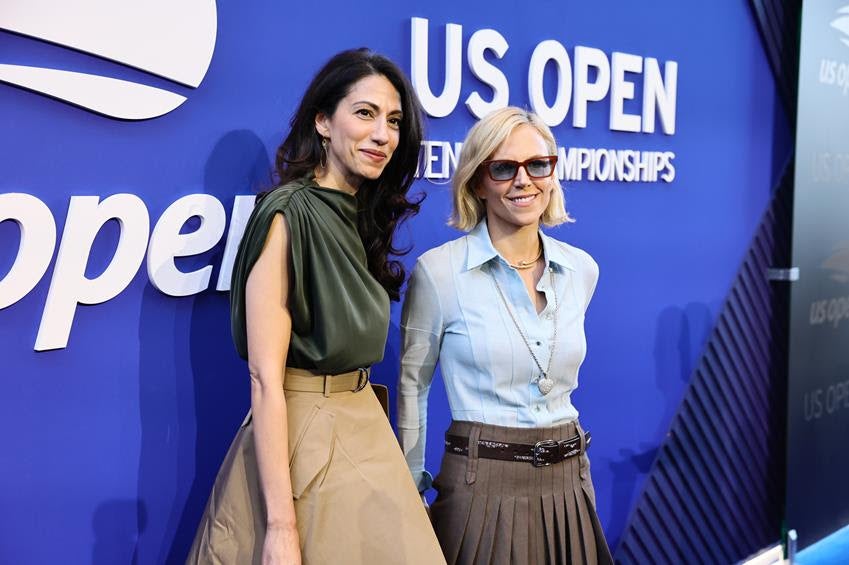
Welcome to the opening acts of what can only be described as the U.S. Open of Fashion.
While the official Grand Slam action begins Sunday, Flushing Meadows is already a runway for looks on the court and in the seats.
Tuesday’s Roger Federer exhibition event at Arthur Ashe Stadium set the tone, with U.S. Open and Federer superfan Anna Wintour attending alongside designers Tory Burch and Wes Gordon, beauty scion Aerin Lauder, “The Shards” stars Kaia Gerber and Homer Gere, Lin-Manuel Miranda and more.
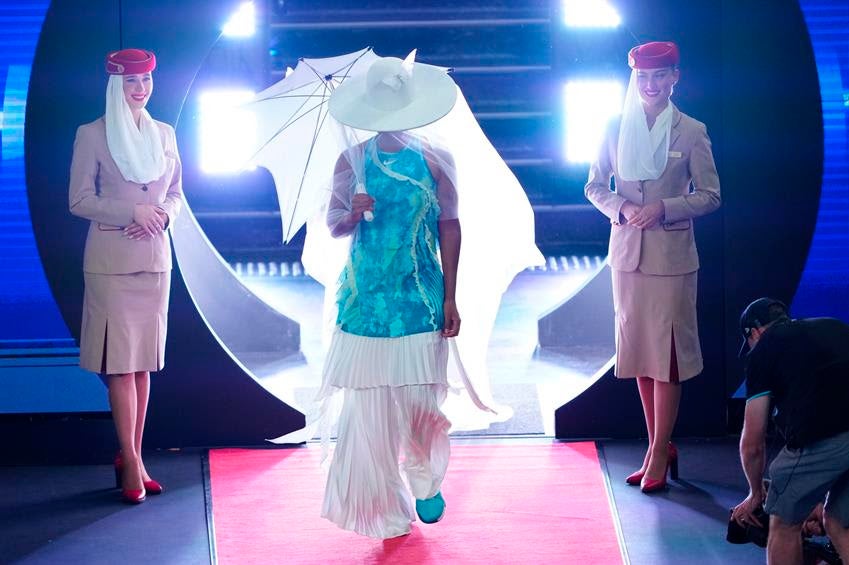
On the court, the tournament promises to deliver a masterclass in style from icon Venus Williams, whose avant-garde looks changed the game; Naomi Osaka, who has turned the court walk into something akin to a Met Gala red carpet; Coco Gauff, the face of New Balance x Miu Miu; and Aryana Sabalenka, who locked in a powerhouse partnership with Gucci earlier this year.
Sabalenka got ahead of the action on Tuesday, turning heads during a mixed doubles match alongside Novak Djokovic, when she sported a daring Nike New York Court Slam black mesh tennis dress over an electric orange sports top and bottom. She completed the look with over 83 carats of colorful diamond jewelry created in collaboration with New York brand Material Good, which she will be wearing throughout the tournament.
While Jannik Sinner has given new meaning to tennis-core as an ambassador for Gucci, debuting a series of custom luxury duffels on the court, he had to withdraw from the competition because of a knee injury. But there are other luxury brand ambassadors worth keeping score of, including Carlos Alcatraz (Louis Vuitton) and Lorenzo Musetti (Bottega Veneta).



L’Agence Gets Into the Game
Who knew that while scaling a wildly successful L.A. fashion business over the past 12 years, Tara Rudes Dann was also perfecting her tennis game? Which is to say, the L’Agence fashion director launched the brand’s new tennis collection last week from an authentic place, as a lifelong lover of the sport.
She gathered friends courtside at the Beverly Hills estate of her uncle, L’Agence creative director and chairman Jeff Rudes, to celebrate over a delightful tennis-themed dinner that included honeydew Deuce cocktails, a L’Agence branded Roe caviar service and optic yellow, tennis-ball shaped “Gateau Princesse” desserts.
Naturally, the dress code was tennis whites, and she enlisted her fashionable guests, including makeup artist Monika Blunder, stylists Abby Arad and Andrea Lubin, furniture designer Nina Takesh, beauty podcaster Melissa Magsaysay, Anablue founder Lauren Perez Waltzer and others to model the collection of cute tennis dresses, pleated skirts and fitted tanks, designed to perform with four-way stretch, UV protection and moisture-wicking materials. Everyone looked great.
The evening’s guest of honor was former pro tennis player and fashion maverick Anne White, who famously created a frenzy by sporting a unitard while playing at Wimbledon in 1985, where a referee actually told her to wear more appropriate clothing. Apparently, she had no idea the look would stoke so much controversy.
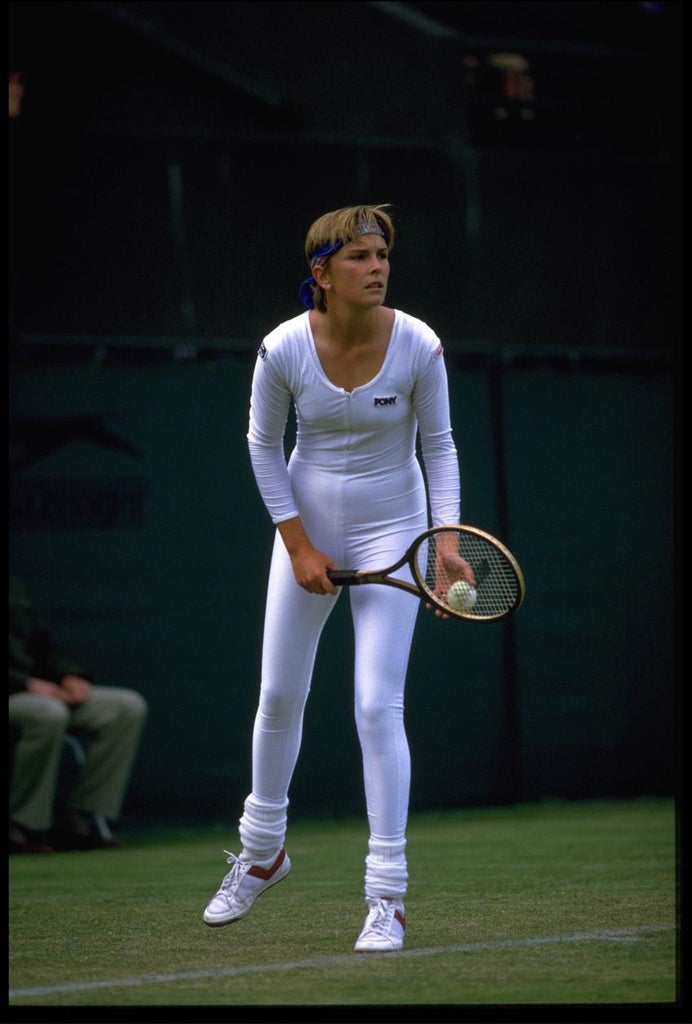
“I’m sitting next to an incredible human,” Dann said during her toast. “A badass tennis player.”
After her professional career, White spent 16 years in fashion as director of wholesale at Cartier and Jaeger-LeCoultre watches, before becoming director of The Beverly Hills Tennis Club.
Cut to the pandemic, when Dann met and got the chance to play with White on the very court where dinner was served and the collection was launched, alas without a unitard.
“It was so special during that time of so much uncertainty to be with someone so powerful,” said Dann, who is getting ready to up her game in another way next month, showing L’Agence for the first time at Paris Fashion Week. Bonne chance.
L’Agence Tennis Collection, $135 to $450, at L’Agence.com, L’Agence stores and select retail partners.


Hollywood-Loved Jeweler Puts Down West Coast Roots
It may be the dog days of summer, but that hasn’t slowed the fashion action.
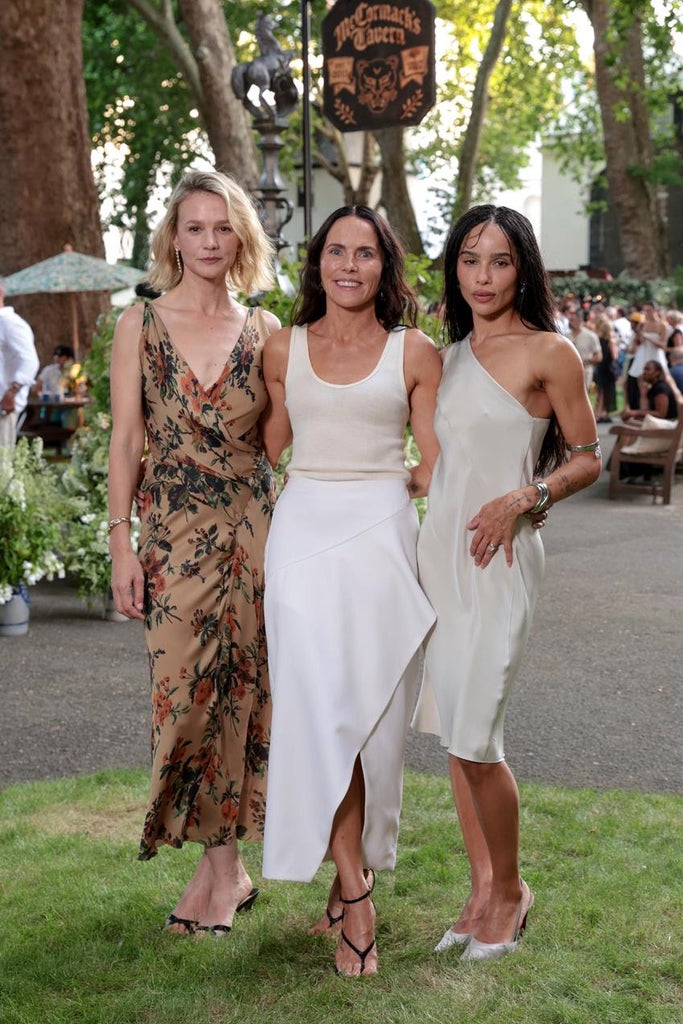
Hollywood-loved jeweler Jessica McCormack, who designed Zendaya’s engagement ring and Zoë Kravitz’s everyday diamond earrings and ring stacks, has opened her first West Coast store at South Coast Plaza.
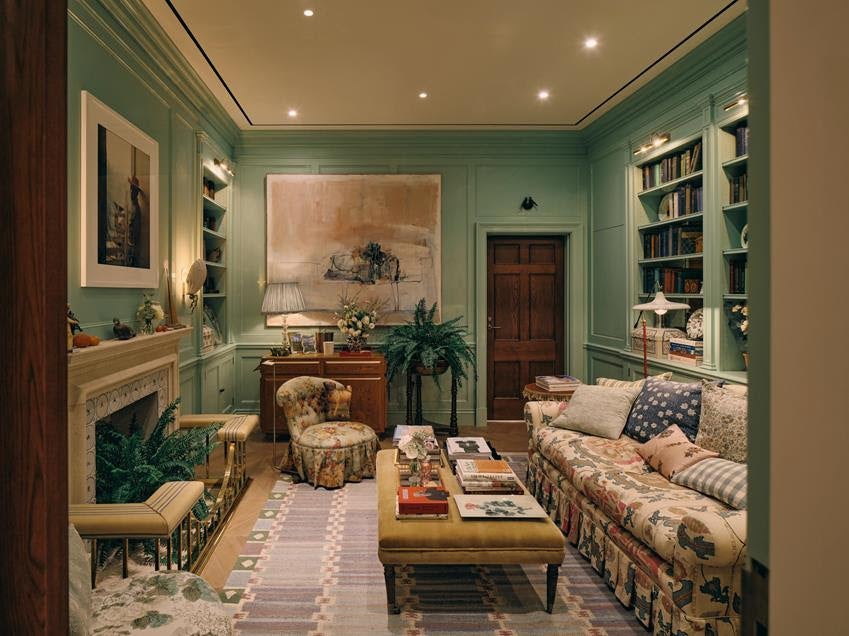
The antiques-filled boutique has brought the British designer’s residential retail sensibility to Costa Mesa, Calif., in a remarkable way, so that you can hardly tell it’s inside a shopping center. And the opening adds to an impressive list of recent first-to-market store exclusives for South Coast Plaza that also includes Manolo Blahnik, Schiaparelli and Alaia.
The 1,600 square-foot space showcases McCormack’s signature Day Diamonds, as well as exclusive pieces and new collections.
“Wearability has always been at the heart of how I design, with pieces meant to be worn every day, not saved for occasions,” McCormack said. “California already knows how to do that instinctively; there’s an effortless quality to how people dress here that I’ve always admired, and it’s exactly the world I want Day Diamonds to live in.”
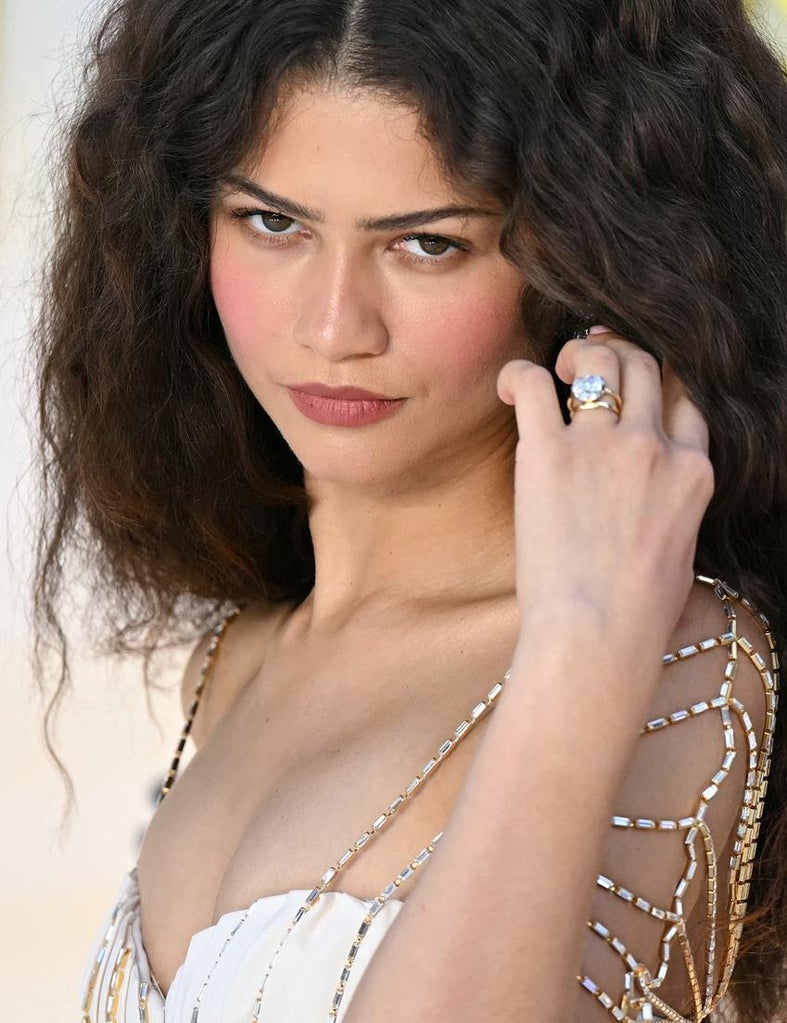
In the corporate-dominated landscape of high jewelry, where heritage brands have centuries of archives to draw on, and aggressively pay for celebrity placements, McCormack has built a modern, independent empire.
The New Zealand-born designer may be a pioneer in the concept of casual diamonds, but she is just as serious as the big guys are about her craft, nurtured during a childhood spent combing through estate auctions with her art-dealer father.
A formative internship in the jewelry department at Sotheby’s London deepened her obsession, giving her hands-on experience with 1920s Cartier and imperial Russian treasures. But rather than copying the past, McCormack has translated the tradition of Georgian and Victorian gold smithing into sleek, ultra-modern pieces. Her signature “button-back” technique cases the reverse side of a diamond in gold to soften the light, while hand-cut, blackened white gold borders give classical settings a rock n’ roll edge.
This balance of high-end luxe and effortless wearability has captured the attention of Hollywood tastemakers who are wearing her jewelry on the red carpet and on the street.
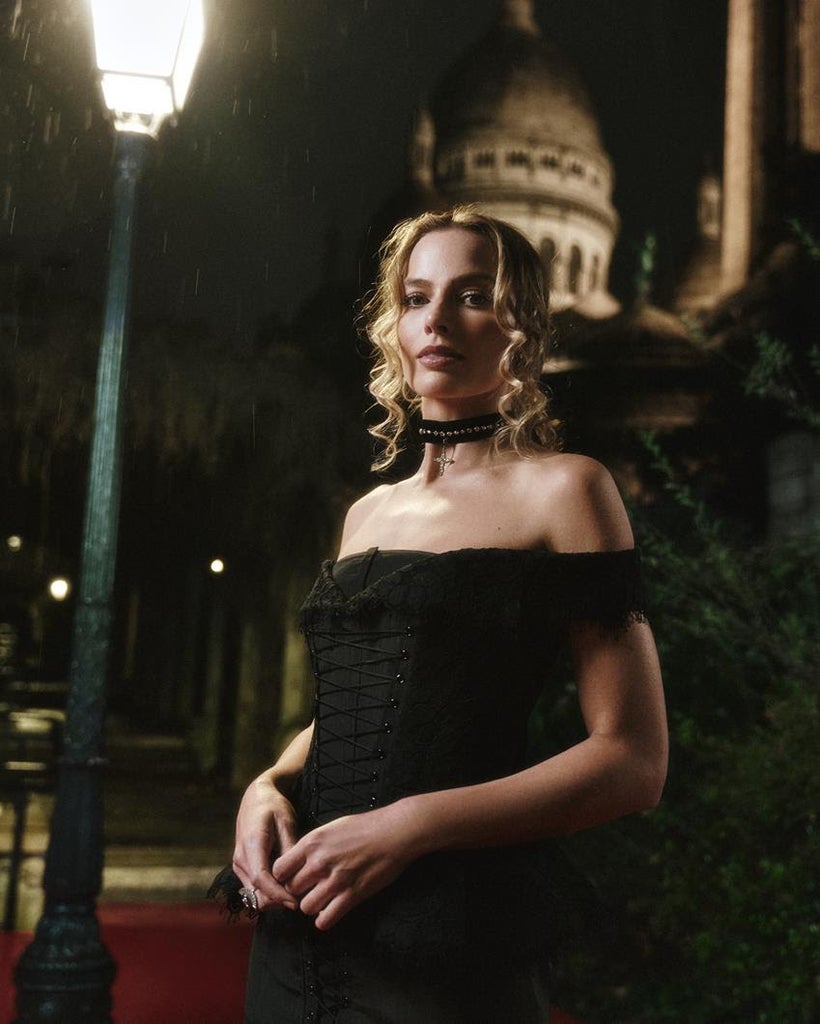
When Kravitz, who is the ultimate arbiter of effortless, downtown cool, signed on as the first brand ambassador in 2024, it cemented the brand’s position at the intersection of high fashion and street style.
Following a successful American debut with a townhouse on New York’s Madison Avenue, McCormack is doubling down on Southern California with a standalone Rodeo Drive flagship planned by 2027. So expect lots more Hollywood hits to keep coming.
Jessica McCormack, 3333 Bristol Street, Costa Mesa, Calif.


Forwarded this newsletter?
Subscribe here to get WrapStyle directly every week!
Have a news story for our readers? Please email booth.moore@thewrap.com
Interested in partnership opportunities? Please email Alex.vonBargen@thewrap.com
>

Pope Leo poses with White Sox ‘Pope Hat’ in Vatican

Reds’ Eugenio Suárez and TJ Friedl clear waivers, will join team in Chicago

Robert De Niro Feels ‘A Little Guilty’ for ‘Not Being There at Times’ for His 7 Kids
-

 movies3 months ago
Search For Canadian TV Actor Stewart McLean Now Homicide Investigation
-

 Fashion9 years ago
These ’90s fashion trends are making a comeback in 2017
-
Fashion9 years ago
According to Dior Couture, this taboo fashion accessory is back
-
Fashion9 years ago
Model Jocelyn Chew’s Instagram is the best vacation you’ve ever had
-
Fashion9 years ago
Emily Ratajkowski channels back-to-school style
-
Fashion9 years ago
9 Celebrities who have spoken out about being photoshopped
-
Fashion9 years ago
Your comprehensive guide to this fall’s biggest trends
-

 Anime3 months ago
Rurouni Kenshin: Hokkaido Arc Manga Takes 1-Issue Break – News