
Anime
Always a Catch! Anime Casts Daiki Hamano, Wataru Komada – News


The staff for the television anime of Mayo Momoyo‘s Always a Catch! (Nigashita Sakana wa Ōkikatta ga Tsuriageta Sakana ga Ōkisugita Ken) light novel series announced two new cast members on Thursday.

© ももよ万葉・三登いつき・ながと牡蠣/SQUARE ENIX・逃げ釣り製作委員会
Daiki Hamano plays Goffredo (left in image above), and Wataru Komada plays Macchio (right above). The two are loyal servants of the Annovazzi family, and they appeared in the fifth episode on the same day.

©ももよ万葉・三登いつき・ながと牡蠣/SQUARE ENIX・逃げ釣り製作委員会
Square Enix Manga & Books publishes the manga adaptation in English and describes the story:
A zany romantic comedy starring a duke’s daughter, who’s more of a fighter than a lady, and a prince who happens to be into that!
Maria, the daughter of a duke, grew up believing she would one day inherit her father’s dukedom. Accordingly, she focused her attentions on honing her martial arts prowess, while thoughts of marriage fell by the wayside. But the arrival of a baby brother in her family means she’s losing her role as heir! Now that she’s decided it’s time to marry after all, she’s arrived a little late to the game! Are there even any eligible bachelors left?
Upon going to study abroad in a neighboring country where she might still stand a chance at getting hitched, she’s bewildered when the crown prince there declares before all that his engagement to her is null and void! Wait…what engagement?!
Apparently, he’s mistaken her for the wrong girl! But once that’s all cleared up and he catches sight of her knocking out a whole pack of bandits, it turns out that this prince may have a thing for ass-kicking young ladies after all…
The anime stars:
Akira Oguro (Giant Beasts of Ars, Namu Amida Butsu! -Rendai Utena-) is directing the anime at TROYCA. Michiko Yokote (Ao-chan Can’t Study!, Call of the Night) is in charge of series scripts and Isamu Suzuki (Shinobi no Ittoki) is designing the characters.
HoneyWorks feat. Airi Suzuki perform the opening theme song “Chikai wa Kyun to.” Singer Yoshino performs the ending theme song “DEAD OR LOVE.”
The anime premiered on April 1
on Tokyo MX and BS 11 at 24:00 JST (effectively Thursday
at 12 midnight).
Momoyo launched Nigashita Sakana wa Ōkikatta ga Tsuriageta Sakana ga Ōkisugita Ken as a short story on the “Shōsetsuka ni Narō” (Let’s Become Novelists) website in 2020. Momoyo started the story’s sequel series on the website in 2020. Square Enix started publishing the novels with illustration by Mito in 2021.
Kaki Nagato launched the manga adaptation on Square Enix‘s Manga UP! service in April 2022.
The novels’ seventh volume and the manga’s 10th compiled book volume both shipped on April 7.
Square Enix‘s Manga UP! Global, Kadokawa‘s BookWalker Global Store, and Comikey publish the manga digitally in English.
Sources: Always a Catch! anime’s X/Twitter account, Comic Natalie
>

Newspapers Mainichi Shimbun and Yomiuri Shimbun both reported on Thursday that film director and screenwriter Toshio Masuda died of old age on August 26. He was 98.
Masuda was born in Kobe in October 1927. He made his directorial debut in 1958 with the film Kokoro to Nikutai no Tabi while working at Nikkatsu, which he joined in 1954 after working for Shintoho. At Nikkatsu he also directed such films as Rusty Knife, Red Handkerchief, and Red Quay.
He is perhaps best known outside of Japan for co-directing the Japanese sequences of the 1970 Japanese-American war film Tora! Tora! Tora!. Some of his other famous works include High Teen Boogie, Katayoku Dake no Tenshi, and Prophecies of Nostradamus, and he was nominated for the Best Director Award at the 4th and 13th Japan Academy Film Prizes for his films The Battle of Port Arthur and Company Executives, respectively.
In anime, Masuda oversaw the scripts and supervised the 1974 Star Blazers TV series. He later directed the 1977 Space Battleship Yamato film compilation of the series. He was one of the directors and scriptwriters for the 1978 film Farewell to Space Battleship Yamato, the 1979 film Space Battleship Yamato: The New Voyage, and the 1980 film Be Forever Yamato.
Additionally he was the chief supervisor and one of the scriptwriters of the 1983 film Final Yamato, and was the general supervisor for the 2009 film Space Battleship Yamato Resurrection.
He also co-directed the Future War Year 198X film, and was the chief director and one of the screenwriters for the Odin – Starlight Mutiny film.
Masuda directed 82 total films in his career, and was praised as “a craftsman among craftsmen.” He received the Award for Distinguished Service from the Chairman at the 41st Japan Academy Prizes in 2018. He was awarded with the Medal of Honor with Purple Ribbon in 1993, and with The Order of the Sacred Treasure, Gold Rays with Rosette in 1999.
The Japan Academy Film Prize Association posted its condolences on Friday.
舛田利雄監督の訃報に接し、謹んでご冥福をお祈り申し上げます。
1950年新東宝入社し、54年に日活に移籍。58年「心と肉体の旅」で監督デビュー。「赤いハンカチ」「紅の流れ星」などを手掛け、日活アクション映画の全盛時代を築きました。68年「トラ・トラ・トラ!」以降フリーとなりました。 pic.twitter.com/ayVn33WtUc
— 日本アカデミー賞協会 (@japanacademy) September 25, 2026
Sources: Mainichi Shimbun, Yomiuri Shimbun via MyAnimeList
>
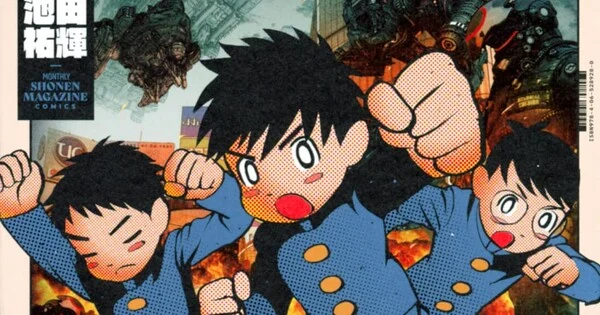
Series ended on June 5

©Yuki Ikeda, Kodansha
Manga creator Hiroya Oku (Gantz, Inuyashiki, GIGANT) confirmed on social media on Thursday that he created the Thunder 3 manga under the pen name Yuki Ikeda. He said that he wrote the series under a pen name in order to maintain a story surprise in the first chapter for first-time readers, a surprise that would have been lessened if readers saw the Hiroya Oku name.
Kodansha USA publishes the series in English and describes the story:
Three ordinary schoolboys come into possession of a DVD that supposedly opens a gateway to a parallel universe, but when their backs are turned Pyontaro’s little sister Futaba passes through and gets kidnapped by the aliens that have overrun that version of Earth! Discovering that their cartoonish bodies make them supermen in the hyper-realistic parallel universe, the boys set out to rescue Futaba.
Ikeda launched the series in Kodansha‘s Monthly Shonen Magazine in May 2022. The series entered its climax in January 2025, then went on hiatus in March that same year due to Ikeda’s health. The manga returned from its hiatus in February. The manga ended on June 5. Kodansha published the manga’s 10th volume on August 17. Kodansha USA shipped the eighth volume on February 10.
The anime premiered on the +Ultra programming block on Fuji TV and other channels on July 8 at 24:45 JST (effectively July 9 at 12:45 a.m. JST). The anime is exclusively streaming worldwide on Netflix starting on July 8.
Oku announced in an interview with Courrier Japon in August that he plans to retire after he finishes his latest manga Kanrekihime (The Sweet Sixty Princess).
Oku launched the Kanrekihime (The Sweet Sixty Princess) manga in Shogakukan‘s Big Comic Superior magazine in December 2025. Shogakukan published the manga’s first compiled book volume on May 29.
Oku’s Gantz manga ran from 2000 to 2013. The manga inspired a television anime, a CG anime film, two Japanese live-action films, and two spinoff manga. Dark Horse Comics released the manga in North America. Oku launched the GANTZ:E historical spinoff manga with artist Jin Kagetsu in January 2020. Shueisha‘s Jump TOON vertical-scrolling manga service launched a new vertical-scrolling full-color edition of the manga titled GANTZ: T in July 2025. The Deadline website reported a Hollywood live-action of the manga in November 2021.
Sources: Hiroya Oku‘s X/Twitter account, Thunder 3‘s X/Twitter account
>
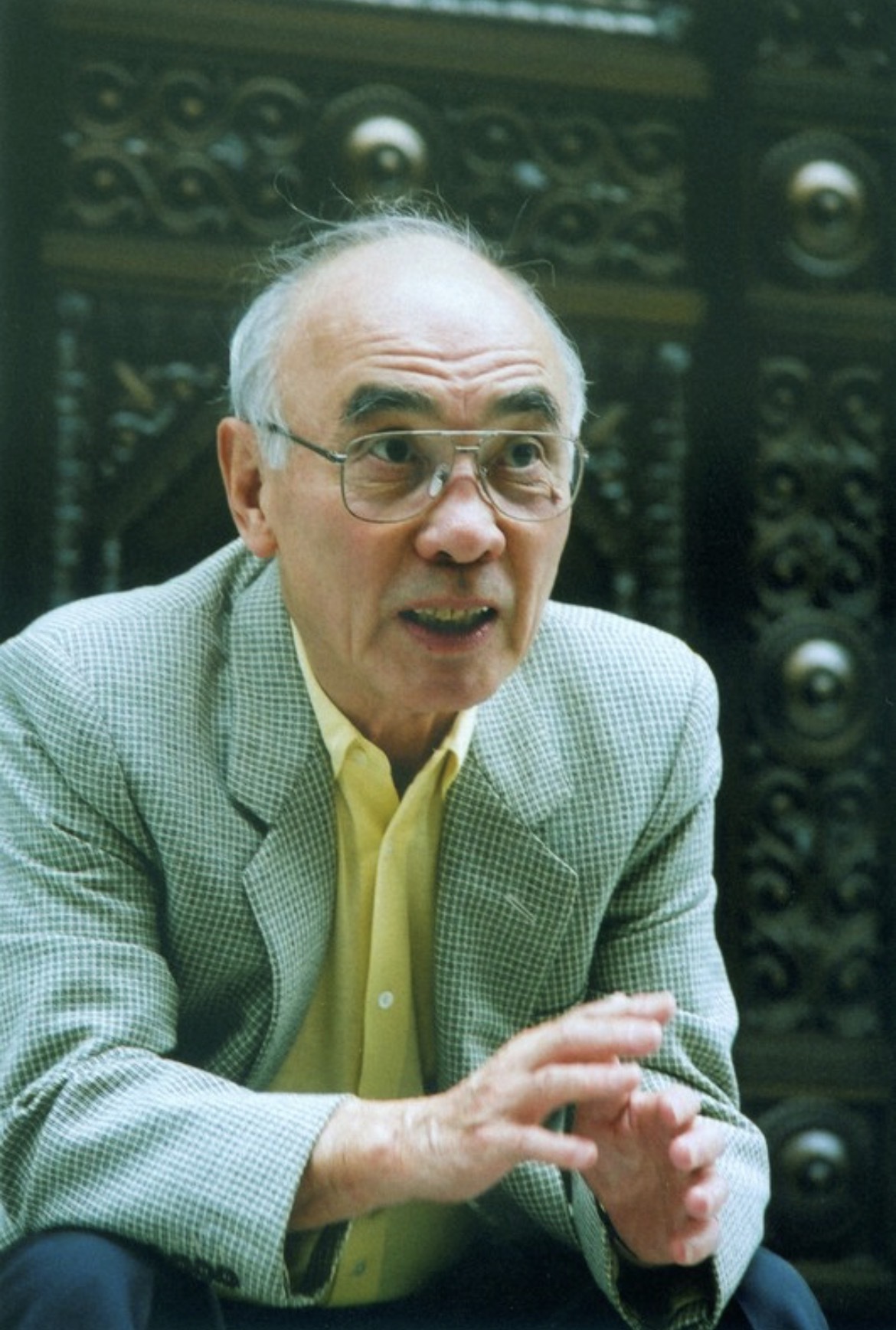
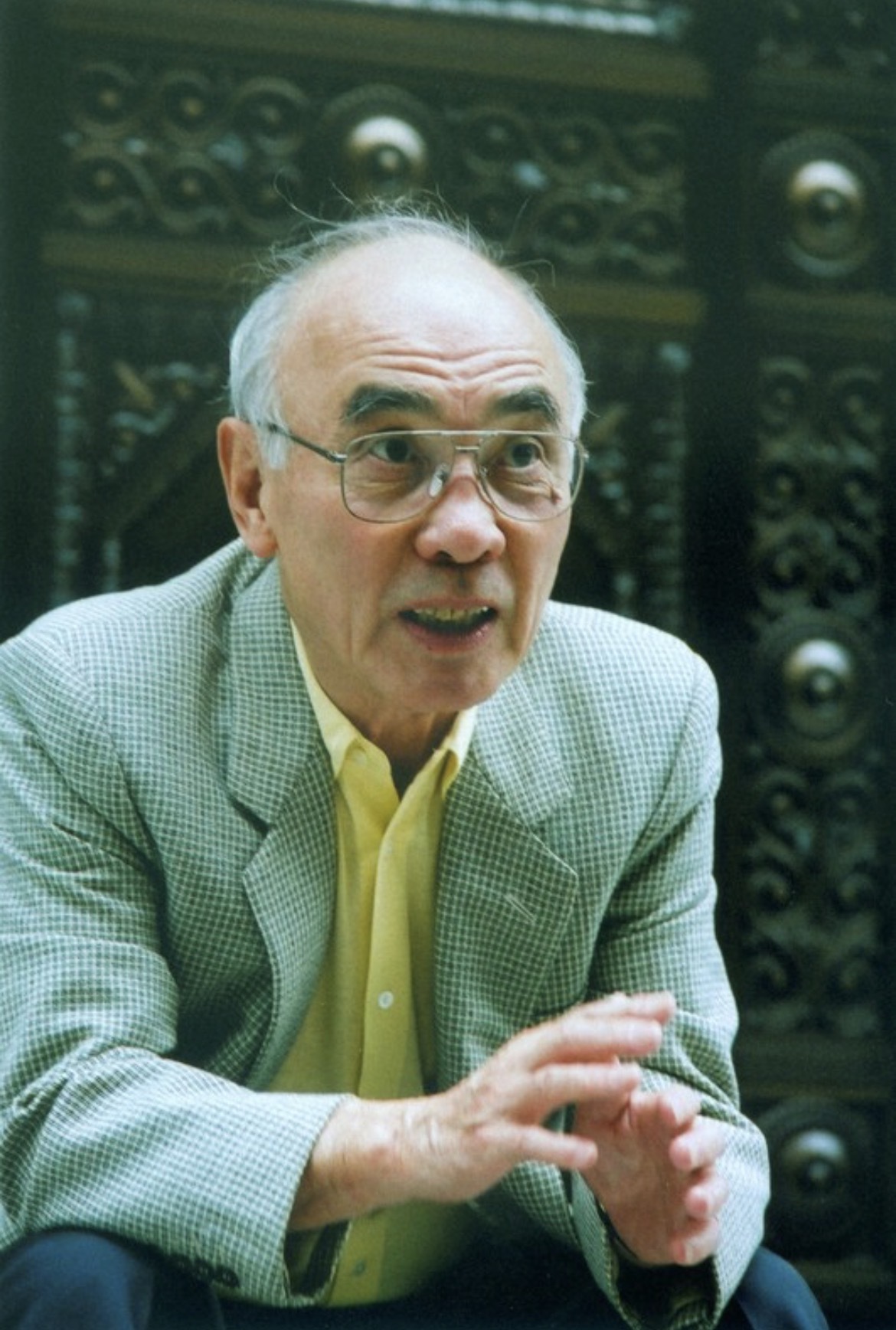 Toshio Masuda, the director behind Uchuu Senkan Yamato (Space Battleship Yamato) movies, died on August 26 due to natural causes. He was 98.
The Directors Guild of Japan announced the news on Thursday, stating that Masuda died at a hospital in Tokyo. A private funeral service has been held by his close relatives.
Born in Kobe in 1927, Masuda was expelled from a technical training school in July 1945 due to a mismatch with its military indoctrination. He later attended the Osaka University of Foreign Studies (now Osaka University), where he studied Russian literature. His interest shifted toward filmmaking after becoming enamored with French cinema, alongside a desire to avoid a career as a salaryman. Following his graduation in 1949, he moved to Tokyo to study screenwriting at the Shintoho Studio’s Scenario Academy.
In 1950, Studio film Shintoho hired Masuda as a screenwriter and assistant director under Umetsugu Inoue, Nobuo Nakagawa, and Mikio Naruse. He served as the second assistant director on Naruse’s Ginza Cosmetics (1951) and Mother (1952). Inoue became a mentor to Masuda, leading to script collaborations and Masuda writing rough drafts for several of Inoue’s projects.
Masuda made his directorial debut at Nikkatsu studio in 1958 and directed numerous live-action movies throughout the 1960s. In 1970, he co-directed the Japanese segments of the Hollywood World War II film Tora! Tora! Tora! alongside Kinji Fukasaku.
Masuda entered the animation industry in 1974, handling the supervision and original planning for the television anime Uchuu Senkan Yamato and its 1978 sequel Uchuu Senkan Yamato 2. He made his anime directorial debut with the 1977 compilation movie Uchuu Senkan Yamato.
Within this franchise, he directed and wrote the scripts for Saraba Uchuu Senkan Yamato: Ai no Senshi-tachi and Yamato yo Towa ni, and handled the script and chief supervision for Uchuu Senkan Yamato: Kanketsu-hen. He also supervised Uchuu Senkan Yamato: Aratanaru Tabidachi, Yamato 2520, and Uchuu Senkan Yamato: Fukkatsu-hen.
Outside of the Yamato franchise, Masuda directed Toei Animation‘s Future War 198X-nen and co-directed and wrote the script for Odin: Koushi Hansen Starlight. His other anime credits include handling supervision for the compilation movie of Umi no Triton and the Sangokushi trilogy between 1992 and 1994.
Masuda was awarded the Medal with Purple Ribbon in 1993 and the Order of the Rising Sun, Gold Rays with Rosette in 1999 for his contributions to Japanese cinema.
Source: The Mainichi
>

'That’s being generous!' – England player ratings vs Spain

Adam Jones: Former Wales prop sheds five stone in Cardiff half-marathon challenge
Dan Lanning outclasses Lincoln Riley, Ole Miss gets humbled and 18 more college football thoughts
-

 movies4 months ago
Search For Canadian TV Actor Stewart McLean Now Homicide Investigation
-

 Fashion9 years ago
These ’90s fashion trends are making a comeback in 2017
-
Fashion9 years ago
According to Dior Couture, this taboo fashion accessory is back
-
Fashion9 years ago
Model Jocelyn Chew’s Instagram is the best vacation you’ve ever had
-
Fashion9 years ago
Emily Ratajkowski channels back-to-school style
-
Fashion9 years ago
9 Celebrities who have spoken out about being photoshopped
-

 Anime4 months ago
Rurouni Kenshin: Hokkaido Arc Manga Takes 1-Issue Break – News
-

 Anime3 months ago
HIDIVE to Stream English Dubs for The World Is Dancing, The Forsaken Saintess and Her Foodie Roadtrip in Another World, The Dangers in My Heart: The Movie Anime – News