
Anime
Publisher Uncivilized Launches Manga Imprint Mangalith with Hideko Mizuno’s Fire! Shōjo Manga – News

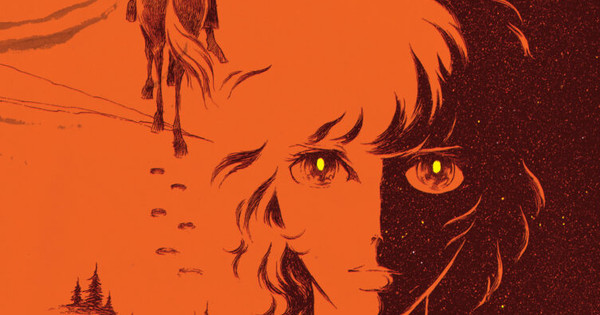
Compiled volume ships October 13
Minneapolis-based independent publisher Uncivilized Books announced on April 27 it has launched the new manga imprint Mangalith, which will launch with an English release of Hideko Mizuno‘s 1969 Fire! manga. The compiled book volume with 896 pages will ship on October 14 and will retail for US$49.99.

© Hideko Mizuno, Bungeishunjū, Uncivilized Books
The publisher describes the story:
Fire! follows the meteoric rise and fall of Aaron Browning, a troubled and poor Ohio teenager. In juvenile detention, Aaron meets the magnetic delinquent Fire Wolf—a motorcycle-riding rebel with an extraordinary musical talent. Their intense bond awakens a fiery passion for music in Aaron.
Aaron moves to Detroit’s gritty factories and underground scene, where he forms the band Fire! to channel his emotions, rebellion, and raw energy. As fame explodes, he plunges into the era’s excesses—sex, drugs, rock ‘n’ roll, Vietnam-era shadows—embodying the intoxicating yet destructive pursuit of freedom.
Mizuno launched the manga in Shueisha‘s Seventeen fashion magazine in 1969 and ended it in 1971. The series won the 15th Shogakukan Manga Award in 1970.
Bungeishunjū published a reprint of the manga for the first time in 23 years in January 2023. The release was compiled across two volumes, each containing a short story that had never previously been released in tankōbon format: “Pink Floyd” in the first volume and “Keith Jarrett” in the second.
Also known for creating the classic shōjo manga Honey Honey no Suteki na Bōken, Hideko Mizuno won the Literary Giant Award at the 39th Japan Cartoonist Awards. She was a resident of Tokiwasō, an apartment building famous for housing some of Japan’s most renowned early manga artists, including Osamu Tezuka (Astro Boy), Fujio Akatsuka (Tensai Bakabon), Fujiko Fujio (Doraemon) and Shōtarō Ishinomori (Kamen Rider).
Tom Kaczynski from Uncivilized Books and Sean Michael Robinson from Living the Line founded Mangalith in 2025. Mangalith’s production team was also behind Drawn & Quarterly‘s release of Sanpei Shirato‘s The Legend of Kamuy manga.
Thanks to Kim P. for the news tip.
Source: Uncivilized Books (Tom Kaczynski)
>
Anime
‘Sekai Saikyou no Majo, Hajimemashita’ Reveals Additional Cast, Staff, Theme Songs, First Promo

 The official website for the television anime adaptation of Mochimaru Sakaki‘s Sekai Saikyou no Majo, Hajimemashita: Watashi dake “Kouryaku Site” wo Mireru Sekai de Jiyuu ni Ikimasu (The World’s Strongest Witch: I’m Starting My Free Life in a World Where Only I Can See the Online Strategy Guide) revealed additional cast, staff, the theme songs, and first promotional video on Thursday.
The anime series is scheduled to premiere on October 7 at 10.00 p.m. on Tokyo MX, followed by BS11, TV Aichi, and MBS on October 8.
Voice actor Yuuto Uemura (Bungou Stray Dogs 2nd Season) is joining the cast as Reinhardt Highwind.
Staff
Art Director: Asuka Komiyama (Otome Game no Hametsu Flag shika Nai Akuyaku Reijou ni Tensei shiteshimatta…)
Color Design: Megumi Aoi (Kimi wo Aishita Hitori no Boku e digital paint)
Director of Photography: Toshiyuki Sadamatsu (Isekai Izakaya: Koto Aitheria no Izakaya Nobu)
Editing: Kumiko Sakamoto (Boku no Hero Academia)
Music: Alisa Okehazama (Jujutsu Kaisen), RYOSHI TAKAGI (Isekai Tensei Soudouki)
Sound Director: Takeshi Takadera ([Oshi no Ko])
Sound Production: Bit Grooove Promotion
Music group HoneyWorks (Naruto: Shippuuden) is performing the opening theme “Eikyouryoku∞Idol feat. HaKoniwalily.” Rokudenashi (Shuumatsu Train Doko e Iku?) is performing the ending theme “Hoshi wo Meguru.” Both theme songs are previewed in the first promotional video below.
Jouji Furuta (Shaman King (2021), Nanatsu no Taizai: Imashime no Fukkatsu) is directing the anime at Bridge and Aisle. Shouji Yonemura (Hotel Inhumans, Kiseijuu: Sei no Kakuritsu) is handling the series composition. Yuuki Morimoto (Bad Girl, Miss Monochrome The Animation) is designing the characters.
Sakaki began penning the fantasy adventure series on both the Shousetsuka ni Narou and Kakuyomu websites simultaneously in May 2022. Square Enix began publishing the novel through its SQEX Novel imprint in December 2022, featuring illustrations by riritto. The fifth volume went on sale in May 2025.
Tamaki Toga began drawing a manga adaptation in Getsumaga Kichi magazine in May 2023. The 13th volume was released on August 7.
Yen Press licensed the light novel in English in May 2025, and published the second volume on April 14. The third volume is scheduled to go on sale on November 10.
PV 1
Source: Mantan Web
News Submitted by NokkiMal
>
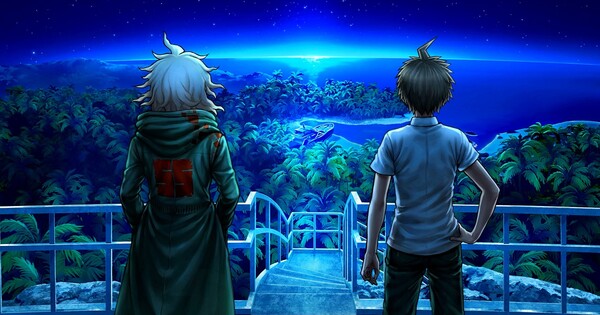

© Spike Chunsoft Co., Ltd.
Spike Chunsoft announced on Wednesday that the Switch 2 release of Danganronpa 2×2, a version of its Danganronpa 2: Goodbye Despair game that includes the original title as well as a new alternate scenario, will shift to a game-key card release instead of a full game card.
Pre-orders for the Danganronpa 2×2 Psycho Tropical Vacation Package version of the game from the Spike Chunsoft Official Store US will be cancelled, and each customer must make a new pre-order for the game-key card version of the package. People who pre-ordered this package through other means will receive the game-key card version.
The company said that “this decision was not taken lightly and follows careful consideration,” and added that this decision does not “affect the game’s release or pre-orders for any other game platforms, or any other games.”
Game-key cards are physical cartridges that do not actually contain a game, but rather, a key to unlock and play the digital version from Nintendo‘s eShop.
Danganronpa 2×2 will launch in early 2027 for Nintendo Switch 2, Nintendo Switch, PlayStation 5, Xbox Series X|S, and PC via Steam. The game was originally scheduled for 2026.
The release features a new alternate story featuring different victims and culprits from the original game, all stemming from a certain incident. The new scenario is titled “Slayhem” mode and will be about 35 hours long, five hours longer with 20% more content than the original game. Spike Chunsoft stated that the new story’s content size is “on par” with the original. The original version of the game also receives new visuals and improved production value with the release.
The Danganronpa 2×2 Psycho Tropical Vacation Package includes am RSVLTS Reversible Psycho Tropical Hat, Kidrobot 3″ Psycho Tropical Monokuma and Monomi Figures, a soundtrack, and a clamshell-style outer box.
The company announced last November that Kinuta Ōshiro will voice Monomi in place of late voice actress Takako Sasuga, and also announced last October that Wasabi Mizuta will voice Monokuma in place of late voice actress TARAKO.
Spike Chunsoft describes the original game:
Jabberwock Island – once a popular tourist destination, this now uninhabited island remains oddly pristine. You and your classmates at the elite Hope’s Peak Academy have been brought to this island by your super-cute teacher for a “lovey-dovey, heart-throbbing school trip.” Everyone seems to be having fun in the sun…until Monokuma returns to restart his murderous game! Trapped on this island of mutual killing, your only hope of escape rests in solving the island’s mysteries. But be warned—sometimes the truth can be its own despair…
Danganronpa 2: Goodbye Despair originally launched in July 2012 for PlayStation Portable in Japan. The game launched for PlayStation Vita in Japan in October 2013 and in the West in September 2014. The game has received multiple ports since.
The Danganronpa Decadence game collection, which includes Danganronpa: Trigger Happy Havoc Anniversary Edition, Danganronpa 2: Goodbye Despair, Danganronpa V3: Killing Harmony, and the Danganronpa S: Ultimate Summer Camp bonus board game, shipped as a physical exclusive on Switch in North America and Europe in December 2021. The collection launched in Japan under the title Danganronpa Trilogy Pack + Happy Danganronpa S: Chōkōkōkyū no Nangoku Saikoro Kasshuku in November 2021. The games are also available separately digitally on Switch.
The franchise also includes a manga series, three television anime series, an anime special, and an original video anime (OVA) project.
The characters in Danganronpa 2 also star in the 2016 anime Danganronpa 3: The End of Hope’s Peak High School: Despair Arc.
Source: Press release
>

The official website for the television anime of Mochimaru Sakaki‘s The World’s Strongest Witch: I’m Starting My Free Life in a World Where Only I Can See the Online Strategy Guide (Sekai Saikyō no Majo, Hajimemashita: Watashi dake “Kōryaku Site” o Mireru Sekai de Jiyū ni Ikimasu) light novel series presented the main promotional video and main visual for the anime on Thursday. The video announces another cast member and additional staff members, and it also announces and previews the theme songs.

Yûto Uemura voices Reinhardt Highwind, the town’s gatekeeper.

The newly announced staff members are:
HoneyWorks feat. HaKoniwalily perform the opening theme song “Eikyōryoku∞Idol” (Infinitely Influential Idol), and the group Rokudenashi performs the ending theme song “Hoshi o Muguru” (Traversing the Stars).

©坂木持丸・riritto・戸賀環・講談社/「世界最強の魔女、始めました」製作委員会
Yen Press is releasing the light novels in English, and released the second volume on April 14. Yen Press describes the story:
When Lorna manifests a completely useless ability, she’s labeled an embarrassment to her family and kicked out of the house. With no money or food, she’s about to hit rock bottom. But then, she figures out how to use her supposedly worthless SSS-Rank skill, “Internet.” This cheat-level talent gives her the know-how to gather an unlimited amount of valuable items and easily acquire rare equipment. Armed with godlike knowledge, Lorna’s free to do anything she wants! If only she could figure out what “lmfao” means…
Previously announced cast members include:
Azusa Tachibana as protagonist Rona Hermit

©坂木持丸・riritto・戸賀環・講談社/「世界最強の魔女、始めました」製作委員会
Fairouz Ai as Erimina, the master of the adverturers’ guild known as the “Inferno Witch”

©坂木持丸・riritto・戸賀環・講談社/「世界最強の魔女、始めました」製作委員会
Honoka Inoue as Eruna, an elf princess who worries over her sick mother

©坂木持丸・riritto・戸賀環・講談社/「世界最強の魔女、始めました」製作委員会
Kana Hanazawa as Aries Tear Bluemoon, a guildmaster in the port town of Aquas

©坂木持丸・riritto・戸賀環・講談社/「世界最強の魔女、始めました」製作委員会
Maria Naganawa as Ruru Ru Rie, the young water dragon princess of the underwater kingdom

©坂木持丸・riritto・戸賀環・講談社/「世界最強の魔女、始めました」製作委員会
Jōji Furuta (ēlDLIVE, Double Decker! Doug & Kirill, Bad Girl) is directing the anime at the studios Bridge and Aisle. Shoji Yonemura (Pokémon Journeys: The Series, One Piece 2013-onwards, Bad Girl) is in charge of the series scripts. Yūki Morimoto (Cardfight!! Vanguard GZ, Boarding School Juliet, Bad Girl) is designing the characters.
The anime will premiere on the Tokyo MX, BS11, and TV Aichi channels on October 7, and on MBS on October 10.
Mochimaru Sakaki began serializing the original story in the Shōsetsuka ni Narō website in May 2022. Square Enix published the first print novel volume in December 2022, with illustrations by riritto. The fifth novel volume shipped in May 2025.
Tamaki Toga launched a manga adaptation in Kodansha‘s Getsu Maga Kichi/Comic Days website in May 2023. Kodansha published the manga’s 12th compiled book volume on May 8.
Comikey publishes both Daisuke Takashima‘s manga adaptation of Sakaki’s The Strongest Swordsman Has Zero Equipment Slots novel series, as well as Namiki Tsukiyama‘s manga adaptation of Sakaki’s Final Boss Fake-out novel series in English. Square Enix also publishes both manga in English on its Manga UP! Global website.
Sources: Sekai Saikyō no Majo, Hajimemashita anime’s website, Comic Natalie
>

BBC Sport weekly quiz: What was wrong with the Sydney Marathon medals?

Lewis Koumas waited 907 days for a second Liverpool appearance. His third should come sooner

Tour Championship: Alex Fitzpatrick on leaving Matt’s shadow
-

 movies3 months ago
Search For Canadian TV Actor Stewart McLean Now Homicide Investigation
-

 Fashion9 years ago
These ’90s fashion trends are making a comeback in 2017
-
Fashion9 years ago
According to Dior Couture, this taboo fashion accessory is back
-
Fashion9 years ago
Model Jocelyn Chew’s Instagram is the best vacation you’ve ever had
-
Fashion9 years ago
Emily Ratajkowski channels back-to-school style
-
Fashion9 years ago
9 Celebrities who have spoken out about being photoshopped
-
Fashion9 years ago
Your comprehensive guide to this fall’s biggest trends
-

 Anime3 months ago
Rurouni Kenshin: Hokkaido Arc Manga Takes 1-Issue Break – News