
Sports
Did You Notice: Victor Lindelof is a midfielder now — and it’s working well


The Butterfly Effect — which is, loosely, when minor changes to the initial conditions of a complex system can result in radically different outcomes — was most prominently researched in relation to weather models in the 1960s.
But it can, perhaps, also be applied to football teams — and Victor Lindelof.
Did you notice that the Swedish centre-back is a midfielder now, which is working out quite well? And while this is an interesting development in its own right (and much more on this later), it also tells us something about what it means for the systems used in the game.
Let’s take Aston Villa, whose central midfielders play an important role in their build-up. Operating at the tip of the deep triangles that Unai Emery sets up on either side of the goalkeeper, their task is to help regulate the progression of the ball from Villa’s own third into their opponent’s half.

There are two different ways this occurs, generally governed by the way the opposition chooses to approach Villa’s build-up. If they opt to put the Villa players under pressure in this deeper build-up phase, then these triangles act almost like mini rondos, where the players are able to retain possession despite the opposition’s pressing and then look to find escapes into the space behind this pressure.
Given the fact that it’s quite risky to invite pressure like this close to your own goal, Unai Emery’s system provides the players with many escapes. These are either vertical or horizontal. When it comes to vertical escapes, if the Villa players can work their way around an opponent’s press, then they may look to play the ball into the feet of players dropping deeper, who will then allow a tempo shift to generate a quick attack through the centre of the pitch.

If this isn’t possible, a more direct vertical escape might be preferable, especially if the player on the ball is under pressure. In this instance, a ball played into the channel for the striker or one of the forwards to run on to will get them out of trouble and also present a potential route to goal.

The other option available when the opposition pressure is too great is to take the horizontal escape. By feeding the ball across the pitch — often using the goalkeeper who should generally be free — to the other deep triangle, Villa should be able to reset and attempt to construct a different escape route.

The role of the central midfielders in this process is key. Not only do they need to possess the requisite level of technical ability to receive the ball in small spaces with their back to the opposition goal under opposition pressure, but they also need to be able to move the ball on quickly with as few touches as possible.
In the games against Nottingham Forest and Burnley, where he has been used in this role, Lindelof has been up to this task. Of course, as a more traditional centre-back, he doesn’t possess perhaps the same level of technicality as a more traditional midfielder.
On the one hand, this is forgivable: he’s been deployed in the role because of injury to Amadou Onana and Boubacar Kamara, with Douglas Luiz and Lamare Bogarde out of favour or form. But on the other hand, it’s worth noting that, to return to our butterfly-effect metaphor, a seemingly inconsequential tweak to one part of Villa’s system can produce other effects elsewhere.
One of these areas shows up in those moments where opponents choose not to press as aggressively against Villa. Rather than using the deep build-up phase as a chance to bait an opponent and then play through them into the space behind, the Villa players will often use their wide triangles to force the opponent deeper until they have settled possession around the halfway line.
In these moments, we’ve been seeing Lindelof drop out of midfield to the right side of the Villa centre-backs.

This allows Villa’s full-backs to push up higher than they might if there were only two centre-backs guarding the space behind them. With Lindelof in midfield, Matty Cash, the Villa right-back would stay alongside the centre-backs, with the left-back free to roam forward. But with Lindelof dropping, the full-backs can offer width on both sides.

On top of this, the movement of the various players — Lindelof dropping deeper, Cash pushing on, the nominal wide forward coming inside to help overload the middle — can cause a destabilisation of the opposition’s defensive structure, which can lead to space to exploit.
Sharp-eyed Villa fans might be clamouring to remind me that this isn’t a novel tactical setup. Emery has used this approach before, using Kamara as the third centre-back out of midfield.
Here’s a sequence from Villa’s home game against Leicester City last season, where Kamara starts out in a midfield position with Villa in settled possession around the halfway line.

As the play progresses, Kamara drops out of the middle, a movement which prompts Cash to jump forward in the wide area.

With Kamara now on the ball, he sits in the outside centre-back slot on the right, looking for a passing option into the middle.

And because of the space that has opened out with Kamara moving deeper, Youri Tielemans can receive the ball, all as a result of Villa’s rotation.

But despite the lack of structural novelty, there is a big difference between using a more traditional centre-back in this role than a traditional midfielder.
There will be downsides, of course. You would expect a midfielder to play the in-possession side of the role slightly cleaner and with more variation, although Lindelof has shown himself adequate in this against Forest and Burnley.
But there are upsides too. A centre-back playing as a midfielder and dropping into the backline means a team pushing their full-backs higher should feel more secure. And, in deeper defensive moments, when Villa sink into box-defending mode, the addition of an extra defender alongside their nominal centre-back pairing will add a level of aerial cover for opposition boxes.
Equally, dropping in to defend the ‘seam’ between the full-back and centre-back, the additional centre-back from midfield means Villa’s other nominal defenders can retain a good position in the box.
Here’s an example of that from the second leg of the Europa League semi-final against Forest. James McAtee makes a seam run, which is tracked by Lindelof and Ezri Konsa, before playing the ball out wide to Neco Williams in the left channel.


Notice how, in the second image here, Lindelof is able to track McAtee, while Konsa and Pau Torres take up a defensive position in the box, anticipating a cross. When the cross comes in, Lindelof is well-positioned to intercept it.

One final upside that Lindelof offers: the ability to play as an aerial presence in front of a back four against teams who look to go long and hit their striker.
This is what Forest tried to do at times in their Europa League semi-final, given the return of Chris Wood. In this sequence, we can see Villa setting up to press high against a Forest goal kick.

Now, Villa generally set up in a 4-4-2 shape out of possession, but with this higher pressing shape, they’re actually in more of a 4-4-2 diamond structure, with Tielemans ahead of Lindelof helping with the press. You can see that as the camera pans back around once Stefan Ortega, the Forest goalkeeper, has kicked it long.

Although by this point, Tielemans has retreated a little to help out, we can see Lindelof adopting a more zonal position ahead of his backline, ready to deal with the long ball should it arrive.
This means that, when Chris Wood drops off the Villa backline to challenge for the ball, he’s battling with a centre-back, not a central midfielder.

Of course, many central midfielders are good aerially, but in this instance, coming up against a natural centre-back means Wood comes off much worse and Villa end up with the ball.

Perhaps it’s a bit of a stretch to suggest Emery’s small change to his regular team is what has led the charge to the Europa League final — that this is the gentle flap of a butterfly’s wings in one part of the world that helps set off a tornado in another.
But by playing Lindelof as a midfielder, the overall effect on the Spaniard’s system might just create the conditions in Istanbul for Villa to lift a first trophy in 30 years.
>
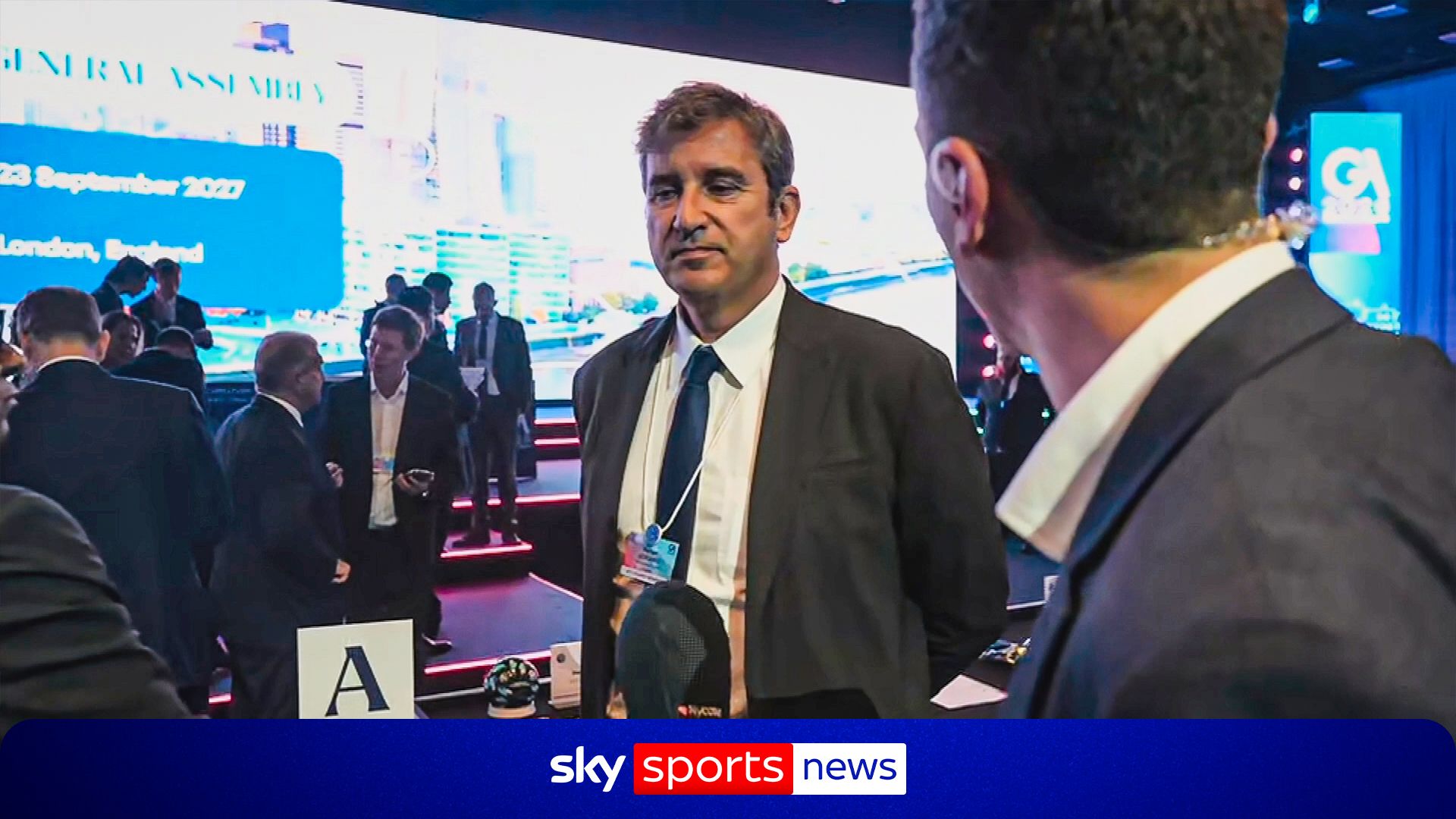
Manchester City CEO Ferran Soriano refuses to answer questions after the club was found guilty of serious breaches of the Premier League’s financial rules.
>
Sports
Matt Fitzpatrick on Open de France victory, his ‘best period of golf’ ever and Alfred Dunhill Links Championship hopes | Golf News
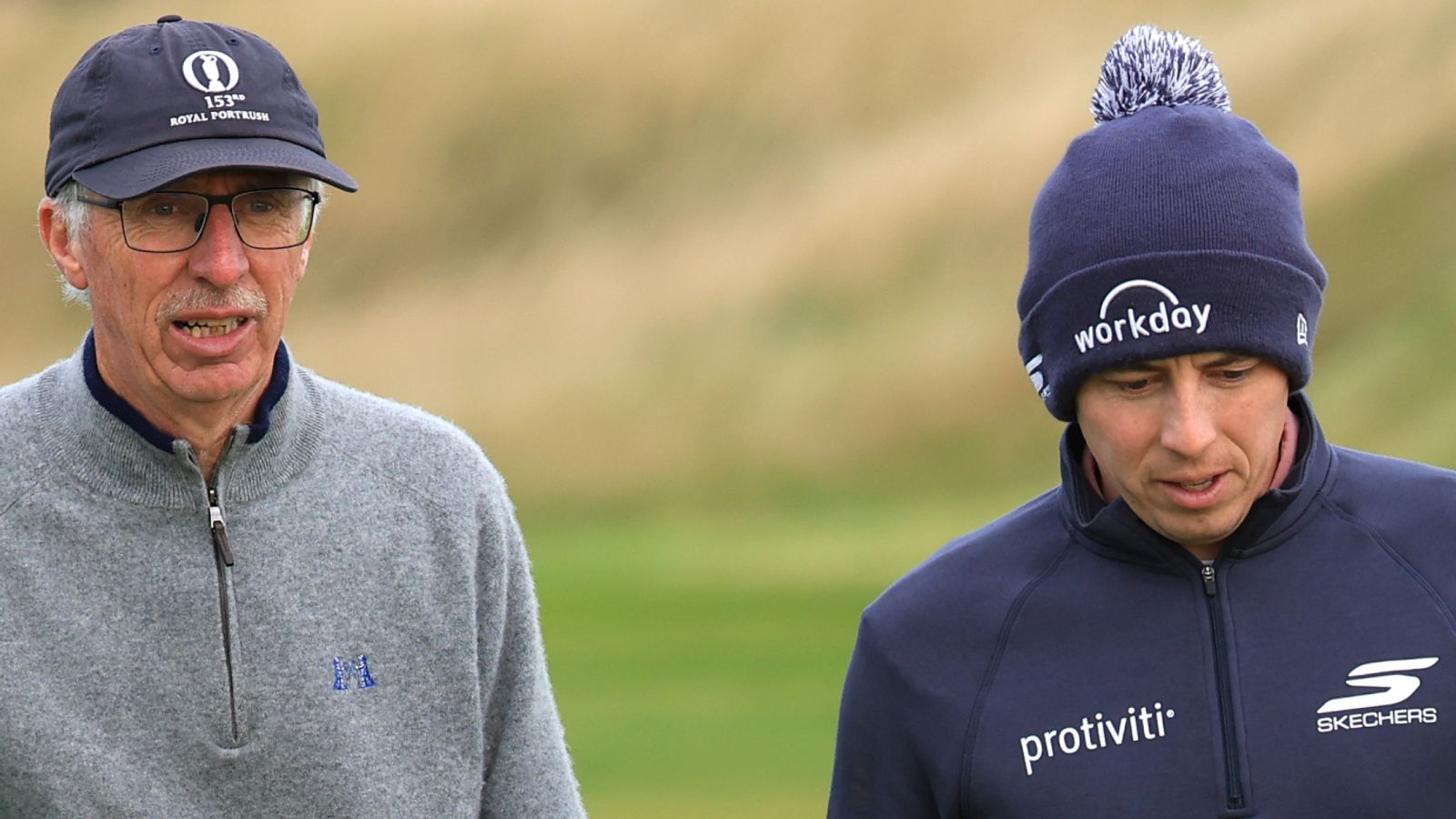
Matt Fitzpatrick believes he is currently playing the best golf of his career, ahead of the world No 4 teeing it up alongside his father at the Alfred Dunhill Links Championship.
Fitzpatrick registered a fourth worldwide win of the season with a three-shot victory at the FedEx Open de France on Sunday, having already won three times on the PGA Tour during an impressive campaign.
The Englishman failed to finish higher than 14th in any of the majors in 2026 but still had six worldwide top 10s along with his victories, with Fitzpatrick proud of his season and contending so frequently.
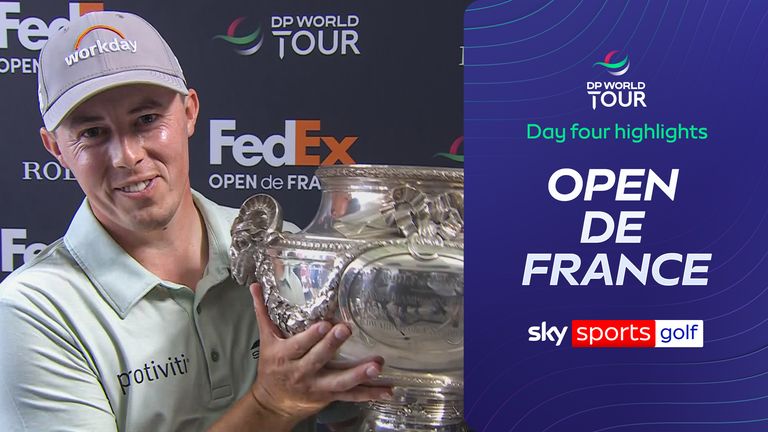
Highlights of the final round of the FedEx Open de France, where Fitzpatrick closed out an impressive victory
“This is the best period of golf I’ve played for sure,” Fitzpatrick told the Sky Sports Golf podcast. “2022 was right up there, but I’ve had three wins and obviously a fourth now. I think just the sustained consistency has been the big thing really.
“Obviously that [a disappointing major season] is a disappointment. It’s the goal of anyone’s at the start of the year to contend in the majors – those are what mean the most and those are what matter.
Subscribe now on: Apple Podcasts | Spotify | Spreaker
“It’s disappointing not to do that this year. Just felt a couple days off pretty much during three of the four, then in the last one I just didn’t play great and I got my strategy wrong.
“At the same time, that doesn’t really take anything away from the season as a whole. I have contended a lot in a lot of golf tournaments and that’s all you could ask for in a year.”
Fitzpatrick’s latest victory moved him top of the Ryder Cup qualification standings and inside the top 10 in the DP World Tour’s Race to Dubai rankings, while the 32-year-old could move to a career-high world No 2 with a strong showing in Scotland.
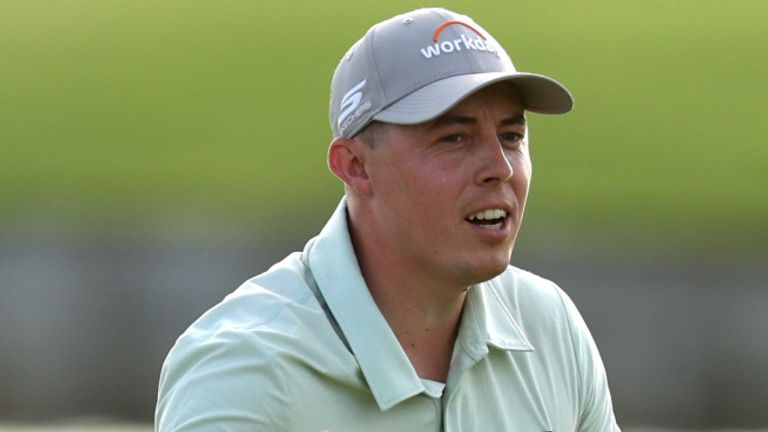
Fitzpatrick has won the Valspar Championship, RBC Heritage, Zurich Classic of New Orleans and Open de France already this year
When asked on whether there are areas where he can still improve, Fitzpatrick added: “I think there’s various bits and pieces that we’ve looked at. We’re coming to the year end and making those decisions on what the off-season plan needs to be.
“There’s a few things that we’ve got down already to go to – it’s just about how you go about that and how that’s structured.”
Fitzpatrick previously won the 2023 Alfred Dunhill Links Championship with his mother Sue as his partner in the pro-am team event, with Fitzpatrick teaming up with dad Russell for this year’s contest.
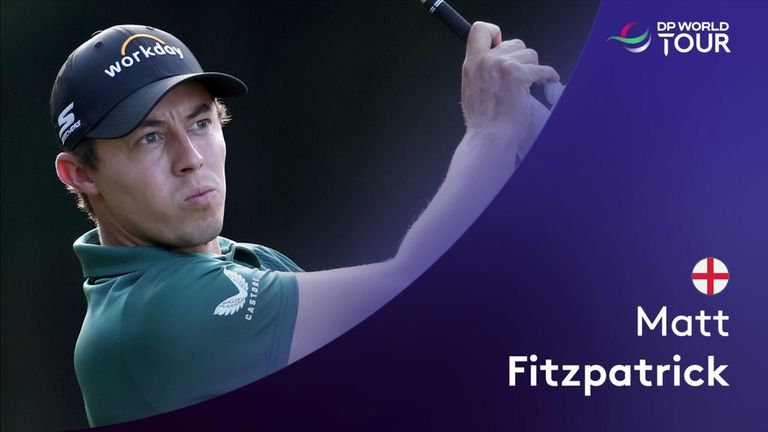
Fitzpatrick and his mum Susan won the 2023 Alfred Dunhill Links Championship
“I think he might get a few more strokes – he’d probably say that himself!” admitted Fitzpatrick, who also won the Zurich Classic of New Orleans alongside his brother Alex Fitzpatrick in April.
“We’re going to need a big few days I think, to get us in some form of position. Hopefully, Johan [Rupert, tournament organiser] doesn’t cut his handicap too much after this past week!
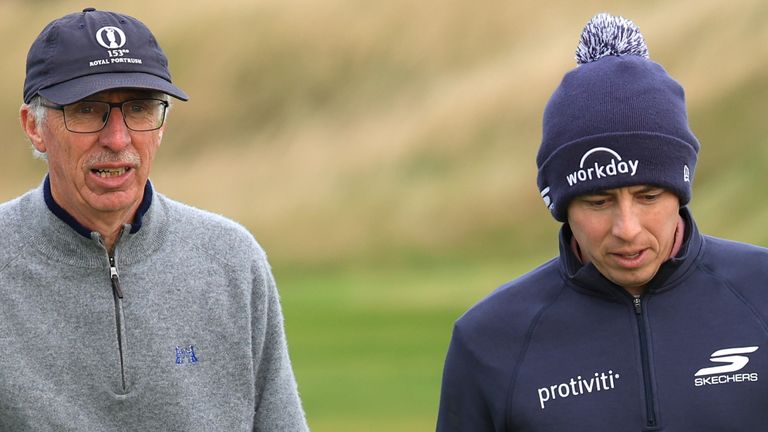
Will Fitzpatrick more success alongside a family member this week?
“I think he’s been playing quite nicely, so you never know – when the pressure’s on, it can be a little bit different, but we’re there to have a good time and enjoy ourselves.”
Listen to the full Matt Fitzpatrick interview on the latest edition of the Sky Sports Golf podcast, hosted every week by Jamie Weir. Subscribe now on Apple Podcasts, Spotify or Spreaker, while vodcast editions can be found on the Sky Sports Golf YouTube channel.
Who else is playing the Alfred Dunhill Links Championship?
Matt’s brother Alex is partnering mum Sue in the team element of this year’s event, played across Carnoustie, Kingsbarns Golf Links and the Old Course at St Andrews.
Scotland’s Robert MacIntyre returns as defending champion, while Tommy Fleetwood, Tyrrell Hatton and Justin Rose are other Ryder Cup players in the field, with Brooks Koepka and Cam Smith among the past major winners also in action.
Who will win the Alfred Dunhill Links Championship? Live coverage begins Thursday from midday on Sky Sports Golf. Get latest Sky Sports deals or stream with no contract on NOW.
>
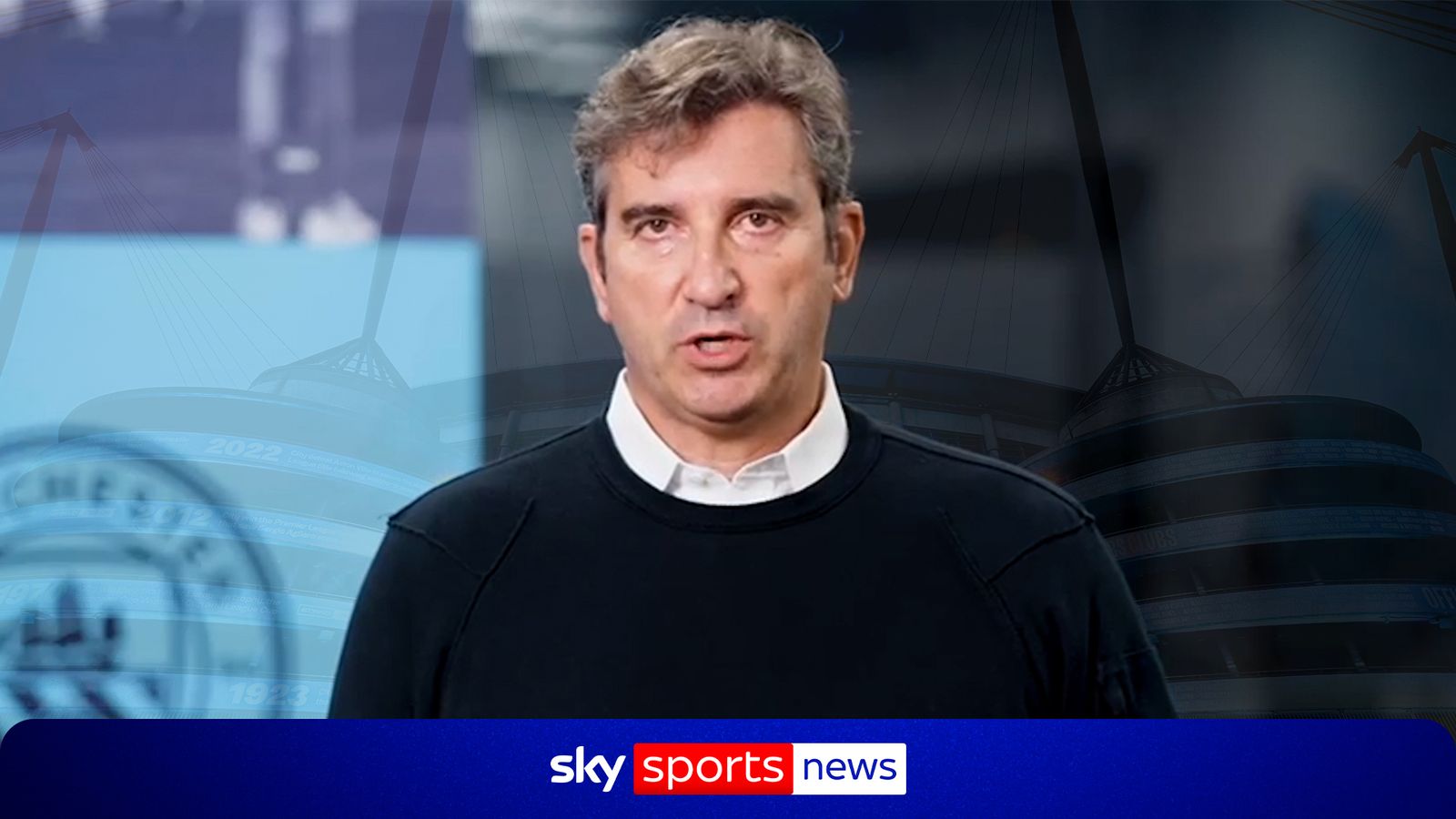
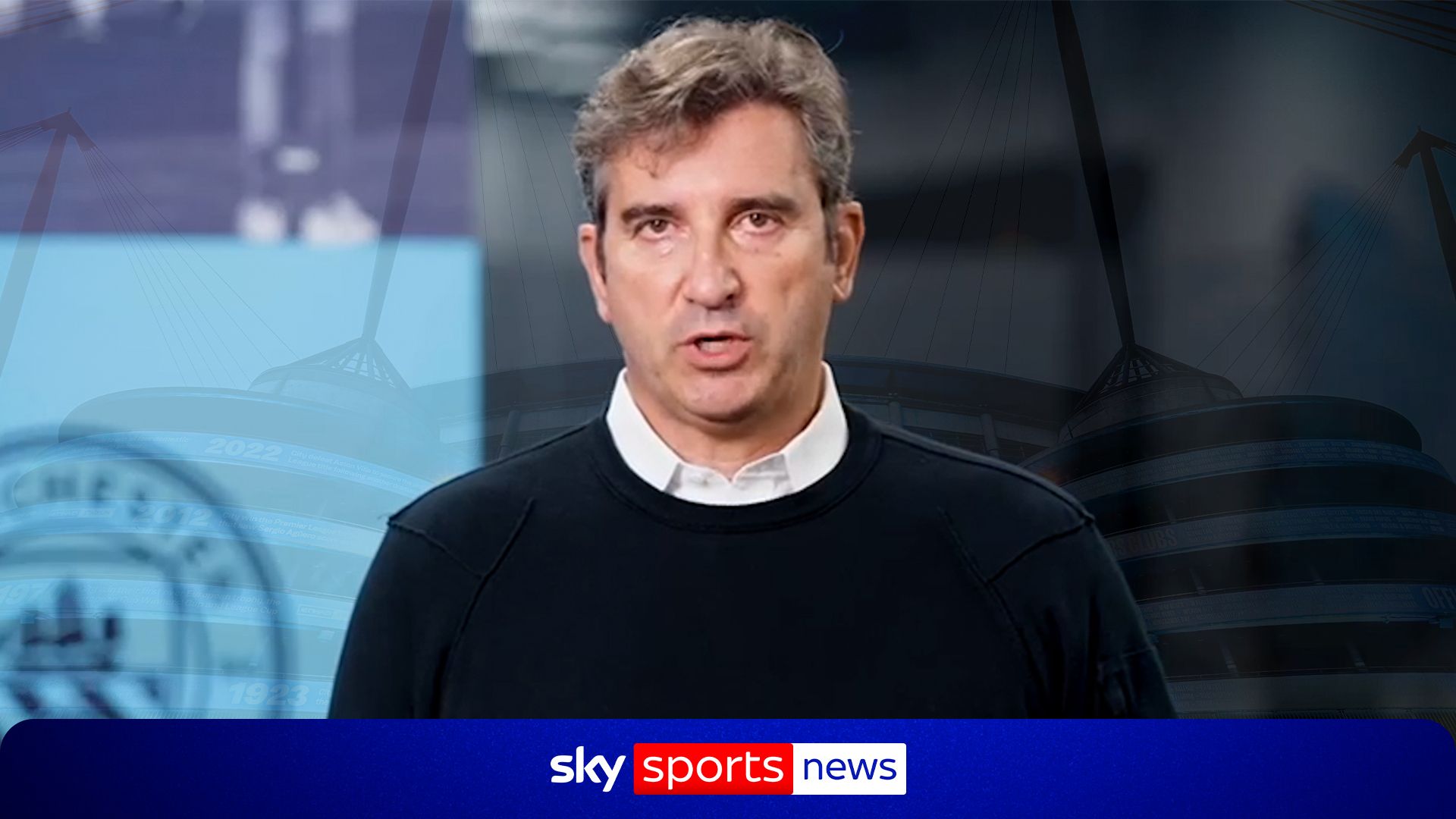
Sky Sports News has obtained a video of Manchester City CEO Ferran Soriano that has been sent to internal staff and players at the club after the guilty verdict in relation to allegations of serious breaches of financial rules.
>
Watch as Man City chief quizzed on guilty verdict

‘Daily Show’ Mocks Trump Admin for Denying Repurposed Ad Is a Campaign Spot

Matt Fitzpatrick on Open de France victory, his ‘best period of golf’ ever and Alfred Dunhill Links Championship hopes | Golf News
-

 movies4 months ago
Search For Canadian TV Actor Stewart McLean Now Homicide Investigation
-

 Fashion9 years ago
These ’90s fashion trends are making a comeback in 2017
-
Fashion9 years ago
According to Dior Couture, this taboo fashion accessory is back
-
Fashion9 years ago
Model Jocelyn Chew’s Instagram is the best vacation you’ve ever had
-
Fashion9 years ago
Emily Ratajkowski channels back-to-school style
-
Fashion9 years ago
9 Celebrities who have spoken out about being photoshopped
-

 Anime4 months ago
Rurouni Kenshin: Hokkaido Arc Manga Takes 1-Issue Break – News
-

 Anime3 months ago
HIDIVE to Stream English Dubs for The World Is Dancing, The Forsaken Saintess and Her Foodie Roadtrip in Another World, The Dangers in My Heart: The Movie Anime – News