
Entertainment
Hollywood Unions Race to Protect CA’s Film Incentive From New Tax Credit Cap


As the final weeks of California’s legislative session tick down, Hollywood unions are racing to secure an exemption for film and TV productions from a new law that they warn could derail the state’s efforts to halt the decline of jobs available for entertainment workers.
On June 29, Gov. Gavin Newsom signed Senate Bill 122 into law as part of the state’s budget package. Included in that law is language that caps the amount of tax credits that a business can receive annually to 70% of its liability or $5 million, whichever is greater. The bill was passed in an effort to reduce strain on California’s budget by preventing companies, particularly those in the tech sector, from completely erasing their tax liability through research and development credits.
The Entertainment Union Coalition warns that this rule would make it prohibitive for productions, particularly high-budget productions that employ a significant number of actors and crew members, to film in California as it would take several more years for studios to receive the full value of the tax credits they earn based on eligible in-state spending compared to other major production hubs like New York, Illinois, Canada and the United Kingdom.

This comes a year after lawmakers voted to dramatically increase the size of California’s production incentive program from $330 million to $750 million, leading to more than 110 film, television and animation projects to qualify for credits. While the expansion has yet to have a major impact on California production — ProdPro reported a 5% year-over-year increase in production spending in the state last quarter — the EUC says that it expects more progress but only if producers and studios can be certain that they can reap the benefits of the program after completing payments to workers and vendors.
“This back-end cap on tax credits only makes it more difficult for productions to fully monetize the credits that were already accounted for in the state budget. The back-end cap will also make it harder for independent productions to sell their tax credits to buyers or even get financing from banks, making it difficult for them to secure the financial backing necessary to start projects,” the Entertainment Union Coalition wrote in a memo.
Over the past two months, Hollywood unions have raised alarms to members over SB 122, urging them to get in contact with their representatives. The EUC says that over 350,000 letters have been sent by union members to Sacramento lawmakers.
The drop-dead date for lawmakers to pass some form of exemption for productions is August 31, the final day of the legislative year in Sacramento, with all bills required to be submitted in writing at least three days prior. Hollywood Asm. Rick Chavez Zbur tells TheWrap that he and his colleagues do not want to run up against that deadline.

“We’re currently in the process of discussing all of this with the independents, the studios, the Entertainment Union Coalition, and with Gov. Newsom and legislative leaders, and now we are in the process of building out a fix that would mitigate the impacts that SB 122 has on this program,” he said.
Union insiders say that several options are being weighed, including an outright exemption from SB 122 for independent productions that would allow producers to continue the current practice of transferring the credits to buyers as part of financing deals for their projects.
But there are still disagreements over extending such an exemption to major studio productions. Proponents such as the EUC and the Motion Picture Association have argued that a full production exemption from SB 122 is necessary for the expanded incentive program to fulfill its intended purpose as a jobs program at a time when entertainment workers have moved out of California in search of employment or switched career paths entirely.
But insiders tell TheWrap that there is concern that offering such an exemption would lead to outcry from other major industries, including tech companies, who would call for SB 122 carveouts of their own.
Another bill expected to come up for a vote before the session adjourns is AB 2319, a bill that would create a 35-50% refundable tax credit for productions that do their post-production work in California, even if principal shooting is done outside of the state.
The bill was passed through the State Assembly earlier this summer and is expected to receive a floor vote by the State Senate in the final week of the session with the hopes of also securing as much as $100 million in funding as part of a separate budget trailer bill.

>
movies
Robin Williams’ Kids Fight Against AI Slop Reactivating His Instagram: “As Technology Evolves, We Want This To Be A Safe, Trusted Place”
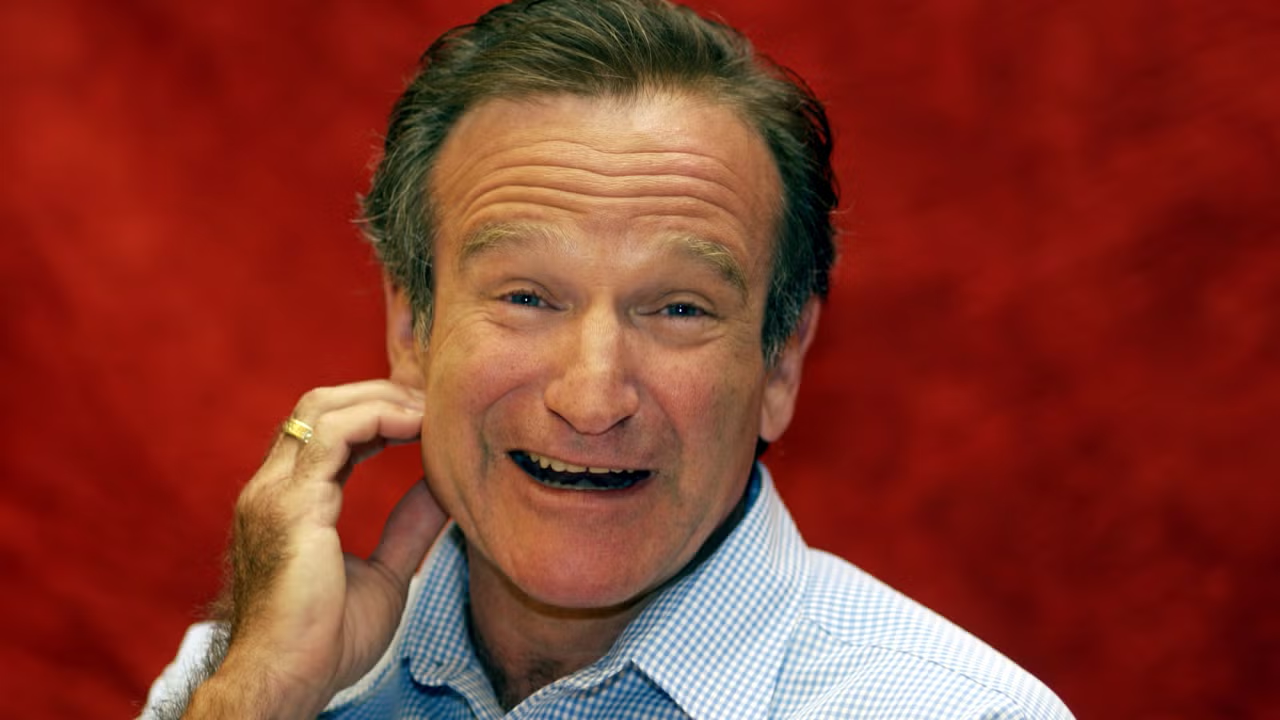
Robin Williams‘ three children have taken a step in the fight against AI slop using their father’s likeness by reactivating his Instagram account.
The social media platform had been dormant since 2014, when the actor died.
“As we recognize what would be our Dad’s 75th year, we’re grateful to see new generations discovering his work while longtime fans continue to celebrate the joy he brought into their lives,” read the statement signed by Zak, Zelda and Cody Williams.
The statement continued, “As technology evolves, we want this to be a safe, trusted place where the stories, photos, videos, and memories shared reflect his legacy with authenticity, warmth, and care.
Zak, Zelda, and Cody’s intentions are to share Williams’ “unique talent and humor with the world, including the moments that made us and so many of you laugh, as we remember our Dad’s extraordinary life and work. He continues to inspire us and delight people all over the world.”
The Instagram profile also has links to social media platforms like TikTok, Facebook, and YouTube, where the message from Zak, Zelda, and Cody was also shared.
Last year, Zelda took to social media to ask people not to send AI-generated videos of her late father, saying in a statement, “If you’ve got any decency, just stop doing this to him and to me, to everyone even, full stop. It’s dumb, it’s a waste of time and energy, and believe me, it’s NOT what he’d want.”
Zelda said that seeing AI slop of her father was “gross” and “maddening,” adding, “To watch the legacies of real people be condensed down to ‘this vaguely looks and sounds like them so that’s enough,’ just so other people can churn out horrible TikTok slop puppeteering them is maddening. You’re not making art, you’re making disgusting, over-processed hotdogs out of the lives of human beings, out of history of art and music, and then shoving them down someone else’s throat hoping they’ll give you a little thumbs up and like it. Gross.”
>
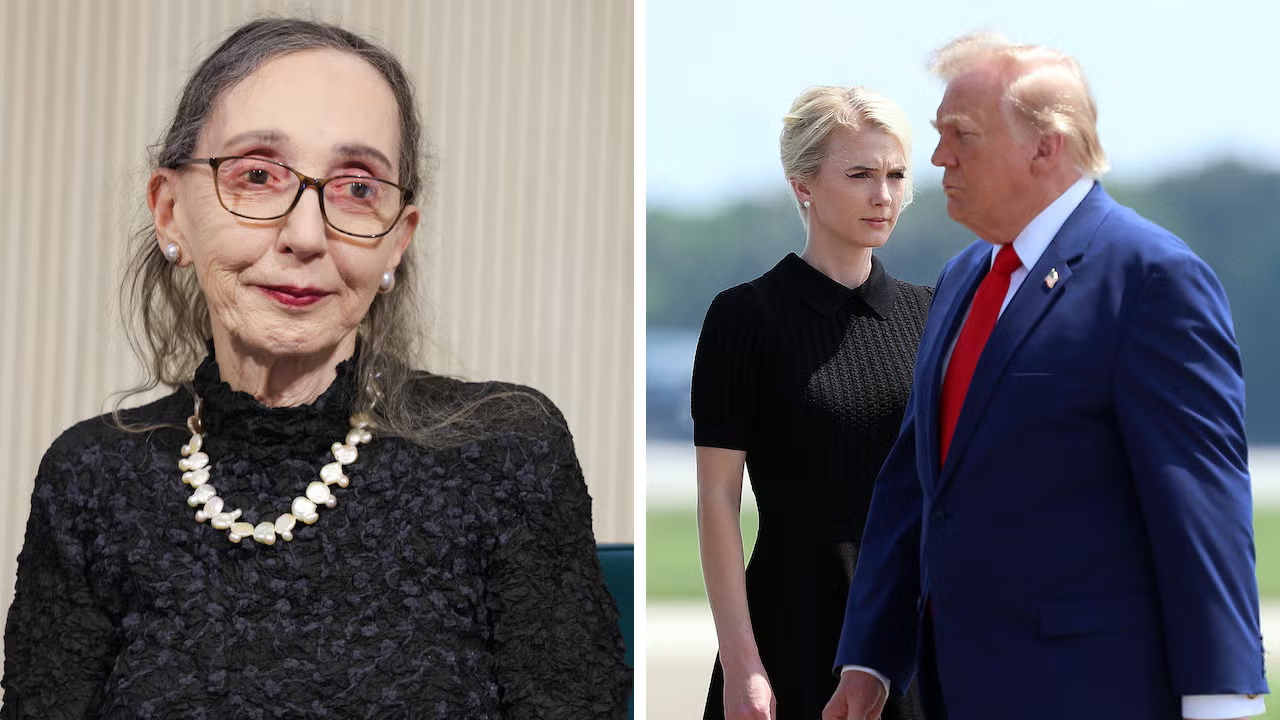
As scrutiny around Donald Trump’s relationship with 35-year-old aide Natalie Harp amplified Tuesday, author Joyce Carol Oates took to social media to compare the assistant’s devotion to the president to Charles Manson and his young female followers.
“The more one learns about Manson, the more disturbing. But Manson himself was very damaged; believed to have been brain-damaged in childhood,” Oates wrote on X, retweeting what she called a “fascinating” comparison that exclaimed Manson’s murderous cult of brainwashed young women may help to “understand the Natalie Harps and Trumpettes.”
“Whatever Trumpettes and the Natalie Harps and Manson girls didn’t get from their father, mother or family they found it in Trump the sex assaulter/Manson the murderer,” the X account @NationGrandma tweeted Monday. “That’s how that works. We are watching the brainwashing live in living color during the 21st century.”

Oates commented elsewhere on Harp as the presidential aide set the internet aflame Tuesday, writing on X that it would have been “easier just to go to graduate school and get an advanced degree” rather than commit her life to Trump. She added that as a fiction writer, she found Harp’s rise to prominence in the public eye “fascinating.”
“Quite a tale to tell of the young woman so bereft by life (apparently) that she has a sort of religious conversion fixing her life upon an elderly ‘father figure’ — (I know, it is absurd to think of T***p as fatherly or familial in any way, but what we call ‘transferences’ are illogical),” Oates reflected, adding that the story would best serve a movie adaptation or a “first-person novella.”
“Having never experienced the phenomenon called ‘transference,’ I can only speculate on its power to transform a life; often, to give meaning to a life bereft of meaning, even suicidal,” she wrote.
Read the author’s tweets in full below:
Oates was just one of the innumerable voices online weighing in on Harp and Trump’s relationship this week after Sen. Jon Ossoff (D-Ga.) name-dropped her briefly during a campaign rally on Sunday. The senator said Trump wants to “build his ballroom and travel with Natalie” instead of doing his duties as president.
The nonspecific mention of “Natalie” led to a widespread effort to untangle what Ossoff meant by the aside — with many on the right railing against the senator for insinuating an inappropriate relationship between the president and his staffer simply for pointing out the fact that they travel together. Harp, after all, was reportedly the only female companion brought on the president’s secret third plane out of Turkey at the NATO summit last month while others, including former Press Secretary Karoline Leavitt, were left on a decoy Air Force One flight while under threat from Iran.
White House officials responded to Ossoff’s Sunday speech by labeling him a “feminine theater kid” and “lightweight” (spokesperson Davis Ingle) and coining the term “Jon Jackoff” (communications director Steven Cheung).
In short, Harp is a devoted personal aide to Trump who began working at the White House in January 2025. She’s a former host from the One America News Network and memorably said at the 2020 Republican National Convention that Trump saved her life via his signing of the Right to Try Act that allowed her experimental treatment for Stage 2 bone cancer. (There have since been reports that Harp’s experience with the treatment was fabricated.)
“When I failed the chemotherapies that were on the market, no one wanted me in their clinical trials,” Harp said at the time. “They didn’t give me the right to try experimental treatments, Mr. President. You did, and without you, I’d have died waiting for them to be approved.”
That mentality has appeared to fan Harp’s desire to serve the president — and according to biographers Maggie Haberman and Jonathan Swan, Trump knows it. In “Regime Change,” their book on Trump 2.0, the authors recount the president telling other staffers that “all of you will go off and make money. She’ll never leave me.”

>
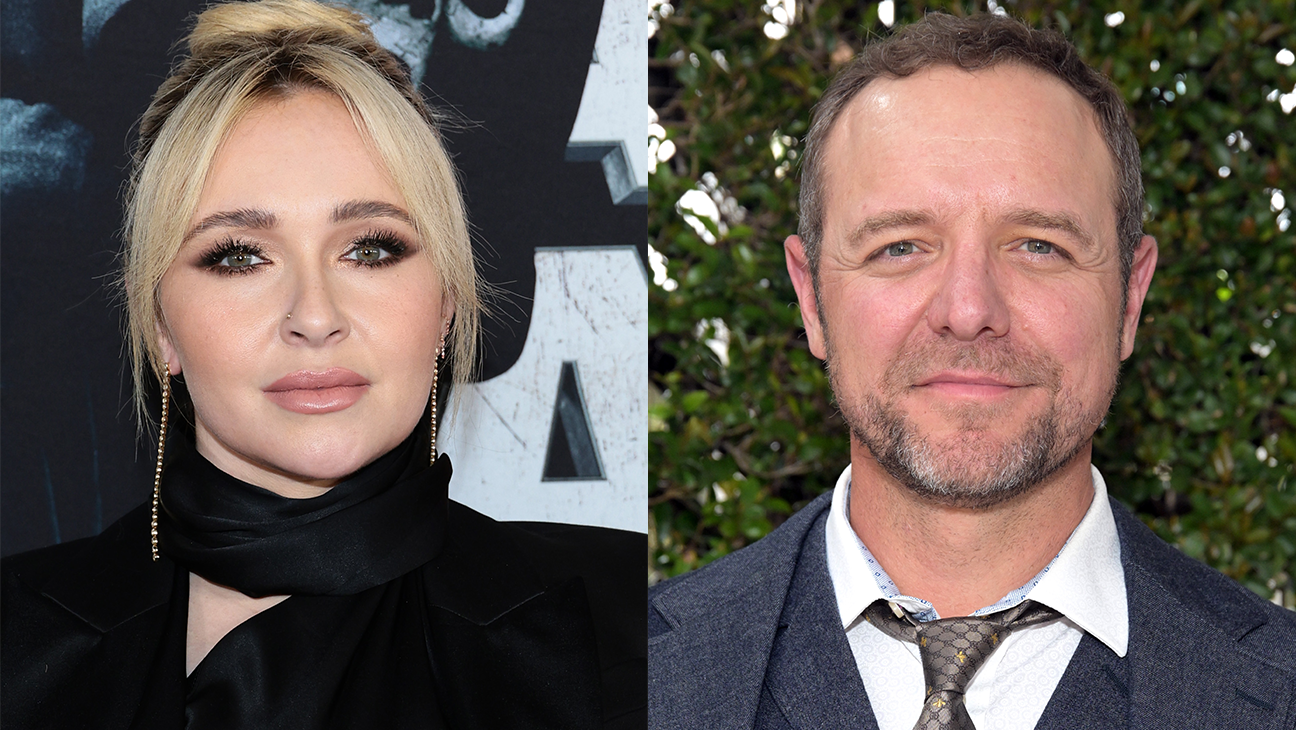
In the wake of Hayden Panettiere’s death, the director of one of her last films is opening up about his experience with her on set, saying the “energy in her room was pretty dark” at the time.
The actress, who worked with Griff Furst on his 2025 film A Breed Apart, died on Sunday at age 36 at an apartment complex in Greenville, South Carolina.
“I had met Hayden about 10 years before that and I knew that she was insanely talented, so when she signed on to do this picture that we were shooting, I was psyched,” Furst began in a video recently posted on Instagram. “I really wanted to work with her.”
He then recalled realizing “something was off” with Panettiere while filming, making a point to mention the actress’s on-again, off-again boyfriend Brian Hickerson’s presence when he would visit the A Breed Apart set.
“So I’m on set, and I get word from the movie’s security team who picked her up from the airport that something was off,” Furst continued. “I didn’t think much about it, and so I left set and I walked over to greet her and her boyfriend Brian. He opened the door. Hayden was incredibly sweet and gracious and excited to work, but she was not OK.”
“I’m not going to get into the details of why that was, but having worked on over 100 movies and seeing just about everything, it was pretty clear that she wasn’t okay and the energy in her room was pretty dark,” the director added.
Amid the investigation into Panettiere’s death, a police report said Hickerson and his brother were at the scene when the actress was pronounced dead by authorities. The Greenville County Coroner’s Office said that her cause and manner of death remain pending further investigation, and that there were no obvious signs of trauma. However, officials were reportedly heard discussing an “overdose” and “cardiac arrest” on the 911 call at the time of her death.
Panettiere had been open about her struggles with alcohol and opioid addiction, further detailing her experiences in her memoir, This Is Me: A Reckoning, released earlier this year. In the book, she also detailed physical abuse by Hickerson.
The actress’ mother, Lesley Vogel, also recently broke her silence on her daughter’s death, criticizing Hickerson, saying, “This person in her life that we have been trying to get rid of for quite some time was with her at her death and that was Brian Hickerson.”
In Furst’s Instagram video, the director added that he “believed she was getting better” and that he and Panettiere “talked about doing another picture together recently, which is what makes this shitty news hit even harder.”
>

Hollywood Unions Race to Protect CA’s Film Incentive From New Tax Credit Cap

Robin Williams’ Kids Fight Against AI Slop Reactivating His Instagram: “As Technology Evolves, We Want This To Be A Safe, Trusted Place”

Ball to the face? Another lost game? | What causes Medvedev to throw racket at LED boards?
-

 movies3 months ago
Search For Canadian TV Actor Stewart McLean Now Homicide Investigation
-

 Fashion9 years ago
These ’90s fashion trends are making a comeback in 2017
-
Fashion9 years ago
According to Dior Couture, this taboo fashion accessory is back
-
Fashion9 years ago
Model Jocelyn Chew’s Instagram is the best vacation you’ve ever had
-
Fashion9 years ago
Emily Ratajkowski channels back-to-school style
-
Fashion9 years ago
9 Celebrities who have spoken out about being photoshopped
-
Fashion9 years ago
Your comprehensive guide to this fall’s biggest trends
-
Fashion9 years ago
A photo diary of the nightlife scene from LA To Ibiza