
Ms. Pat Show
Paramount+


Nielsen is rolling out a number of changes in an effort to make its rating more accurate, including shifts to the way the company captures co-viewing and demographic details.
Beginning Sept. 1, the company will incorporate data collected from Nielsen’s smart watch-like devices that are worn on panelists’ wrists. The devices, which were piloted earlier this year, capture audio from TV events, shows and movies, enabling a more passive measurement that doesn’t require panelists to log in.
Similarly, Nielsen is boosting its methodology surrounding demographics with its household demographic assignment model (HDAM), a machine-learning tool that determines the makeup of households from big data providers.
The company is also seeking a more representative picture of Spanish-speaking households by combining data from two surveys: the U.S. Census’ American Community Survey and the National Hispanic Enumeration Survey.

After adopting the ARF’s DASH Universe Estimates into its currency earlier this year, Nielsen will fix timing delays in survey data as well as adjust its universe estimates to reflect recent trends in consumer behavior.
Additionally, a year after kickstarting its big data plus panel measurement system, Nielsen will improve its weighting process to combine the panel and big data more effectively.
Nielsen will also make adjustments to the sources used in the ACR (Automated Content Recognition) providers measure versus the sources that Nielsen measures in its panel as well as the model it uses to group together its big data devices into individual households.
“We are relentless in our pursuit of delivering the most accurate measurement possible for our media and advertising clients,” Nielsen CEO Karthik Rao said in a statement. “We’ve spent months working hand in hand with them and industry experts to make Big Data + Panel even more accurate.”

>
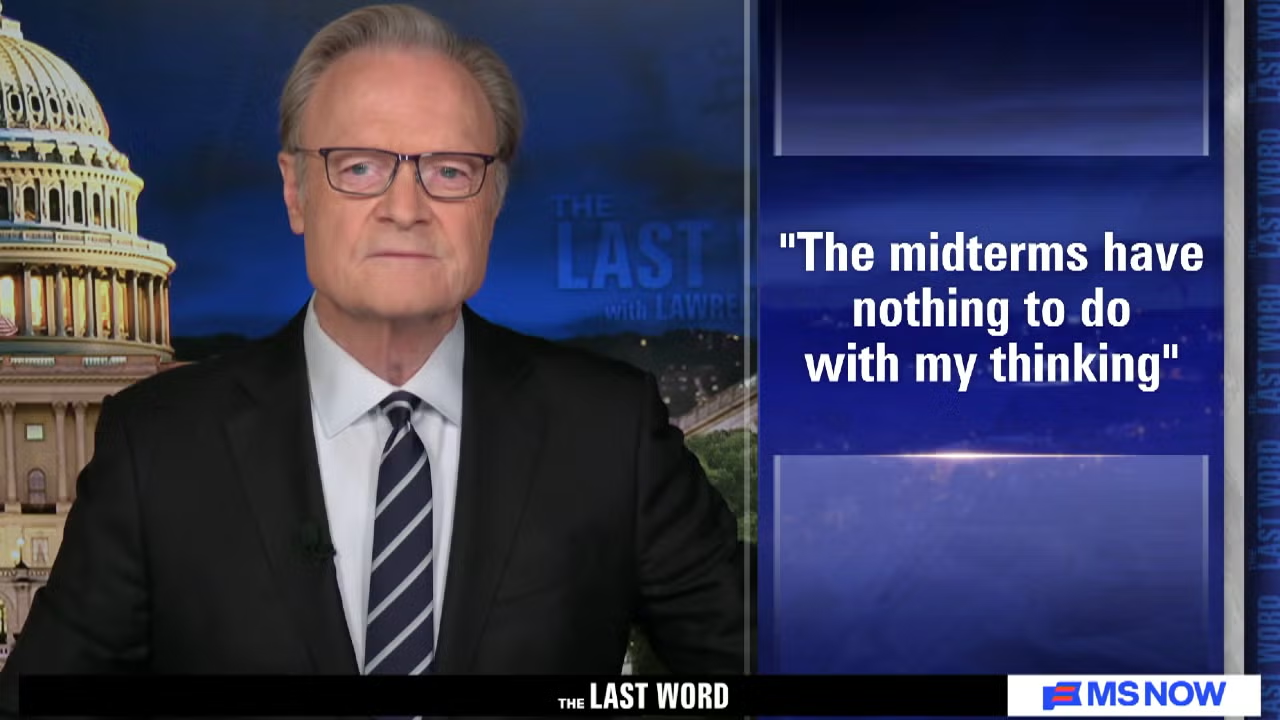
Lawrence O’Donnell celebrated Florida Congressman Cory Mills’ loss in his Republican primary race, asserting Tuesday night that it proves President Trump has “lost his magical powers with Republican voters, even in Florida.”
Trump endorsed Mills’ bid for reelection, even as the Florida representative remains under investigation by the House Ethics Committee for possible domestic violence and campaign finance violations. O’Donnell said Mills’ loss marks a change amongst Republican voters, even though Trump himself claimed in a recent interview that this year’s midterm elections have “nothing to do” with his current thinking.
“He is, of course, lying about that,” the MS NOW host told his “Last Word” viewers. “When Donald Trump says the midterms have ‘nothing to do with my thinking,’ what he might really mean is, ‘I can’t think of anything to do that will help in the midterms.’ Donald Trump has not done a single thing to help Republicans win in November. He has only joined in Republican versus Republican primaries, and Donald Trump hasn’t been able to win all of those.”
“We are not even halfway through Donald Trump’s presidency and Republican voters are increasingly saying, ‘We don’t care who Donald Trump endorses,’” O’Donnell further observed. “Imagine what that might mean in the next presidential election, if Donald Trump’s endorsement loses value.”
The anchor then wondered what the implications of Trump’s diminishing reputation could be for cabinet members like Vice President JD Vance and Secretary of State Marco Rubio, who have “been betting their entire political futures on the idea that Donald Trump will be the kingmaker in the next presidential election.” With that in mind, O’Donnell asked, “What if he isn’t?”
“What if Donald Trump’s endorsement for president is worth nothing two years from now?” he asked again. “Anything is possible between now and then, especially if Donald Trump’s war is still going on then.”
“Donald Trump feels helpless,” O’Donnell concluded. “Donald Trump feels lost. Donald Trump feels weak. Donald Trump feels there’s nothing he can do to stop the Democrats from winning in November and there’s nothing he can do to stop his war [in Iran].”
>
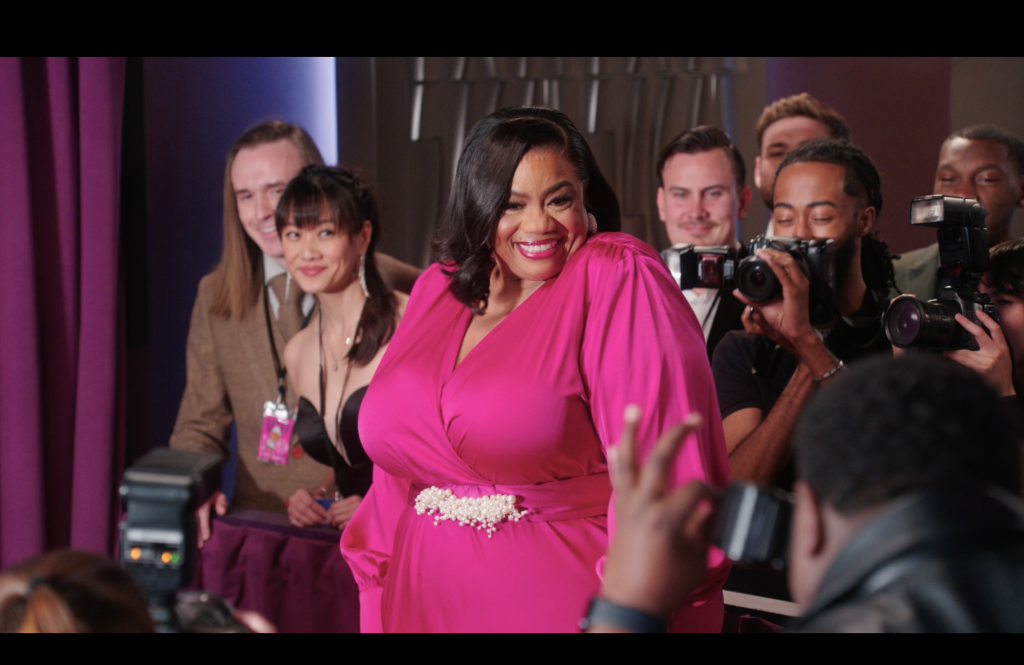
Veteran director and EP Mary Lou Belli wasn’t looking to return to the world of multi-camera sitcoms when The Ms. Pat Show came along until she saw something diverse and unique enough to bring to life on TV.
Based on the life experiences of comedian Patricia “Ms. Pat” Williams, the Paramount+ series follows a former drug dealer and convicted felon turned suburban mom as she navigates life with her modern, multigenerational Black family against the backdrop of today’s cultural chaos. Its unfiltered approach blends big laughs with social commentary and emotional gut punches, a combination that immediately drew Belli in. Now, Belli has earned her fourth Emmy nomination for directing the Season 5 episode “Give It a Rest.”
Below, she teases what’s to come for Season 6 and discusses balancing comedy and drama, her continued collaboration with Williams, and the state of the multi-cam sitcom industry.
DEADLINE: This is your fourth Emmy nomination for this series, right?
MARY LOU BELLI: In primetime, yeah.
Ms. Pat Show
Paramount+
DEADLINE: What do you think is resonating with people about the storytelling on The Ms. Pat Show?
MARY LOU BELLI: There is nothing like this on TV. And I think what makes it special is the authenticity. We always illicit, literally, the guffaw kind of laughs. We have physical comedy, but on top of that, we’re often making a social or political statement. And then on top of that, there’s always what we call the “Ms. Pat moment,” which is a heartfelt moment. It’s what I used to say Whoopi Goldberg did with the first Broadway show she ever did.
She would have you laughing, laughing, laughing, but at the end of almost every single sketch she’d go in like this [Belli makes a stabbing motion]. We do that on our show all the time. We set you up for, “Oh, you’re just going to have fun on this show and people are going to curse and swear and it’s going to be like nothing you’ve ever heard on television,” but it’s exactly the way I felt when I saw the pilot. I didn’t direct the pilot but Debbie Allen did, and I just thought of it like this was something Norman Lear was doing with All in the Family.
I had done 125 episodes of sitcoms and had no intention of going back to them. I had earned my stripes, so they identified me as an action director. A person referred to me as, “That little girl who likes to blow shit up.” That was me. I liked that title because it was getting me in on shows like NCIS: New Orleans and True Lies and many others. Then my agent said, “Would you want to do a sitcom?” Again, I went, “If it was the right one.”
Occasionally, I would stay in town and do something for Disney Channel because I got to stay home and wasn’t in New York or Atlanta. I’ve done 12 series in Atlanta. I thought, “It’d be nice to sleep in my bed and see my husband and actually eat the vegetables out of the garden I planted.” And then I met Jordan [E. Cooper] and Pa [Williams]. First of all, Pat has the biggest heart of almost anyone I’ve ever met. There’s a tough lady outside, but there’s a heart of gold underneath. She’s generous. She’s amazing. I can’t even begin to explain.
And then Jordan. Listen, I’ve worked with a lot of talented people. I’ve worked with a lot of people where I go, “Wow, their brains work different from mine and they’re amazing.” Jordan’s a genius. People recognized it. Lee Daniels recognized it when he was 24 years old and was at the New School and had a play at the Public Theater already. Creating with him, because as a producer-director on the show, I’m always creating the space for him to do whatever he has on paper already and more.
DEADLINE: How do you decide which directing method or style works best for you when you’re highlighting comedy vs. drama?
BELLI: Giving people physical things to do. In the sitcom world, we have many names: bits, business or shtick. It goes back to the Commedia dell’arte when they had what they called business, or lazzi. It’s giving people things that fit the character they’re doing.
Sometimes I’m literally calling my prop master the weekend before we even have the first rehearsal or read-through and saying, “I want these props ready, or a substitution for them, on the first day.” Because the moment that an actor touches a prop, it makes them alive in the scene. It says, “I’m not just delivering funny lines, I’m a person living in a space doing something.” That’s one of the contributions. But also, once they have the words in their mouth, knowing how pacing will make a huge difference. Slow ain’t funny. It’s not. But also finding authentic moments so that people are laughing because they’re seeing something in themselves that they recognize. I’m looking for that authenticity for all those moments.
And also heightened moments. I’ve been in a position where I have suggested that we fire an actor. You have to understand, I love actors. But people who aren’t willing to take that risk and get egg on their face and go a little bit bigger… some of them come from drama, and I’m not saying they’re not good actors. They’re fabulous actors. But that naturalistic kind of, “I’m understated, you can’t hear me, but I’m truly in the moment,” is fine. It often doesn’t work for comedy because comedy is saying it’s this and a little bit more. People who make you laugh at a funeral is something. You just go, “Why would people laugh?” Well, because we’ve heightened the stakes. So I’m always looking for that. And also creating a place, a playground, where actors can try things.
What’s great about a real live audience is that the audience tells you immediately, “That works. That doesn’t work.” I was in L.A. for four days and I was working. Steve Martin was the executive producer of a sitcom I was doing. Martin Mull was the star of it. I remember I was sitting behind them and overheard this conversation. Martin had done an entrance. He had done it four times. Everyone on the stage had laughed every single time. Steve and Martin were there discussing which one was the best. So it wasn’t which one was funny— they were all funny — but which one was the funniest. And I went, “Oh, that’s a whole other level of excellence.”
So I’m always looking to create a playground where an actor can try things. I think that’s always served me because I came from being an actor. I understand their process. I remember directing Jenifer Lewis in something, and sometimes protecting them because sometimes an actor has to go from A to B. Sometimes they have to go too big, and then their natural tendency is, “Oh, that was big.” Then they’ll go too small and find their happy place. My job is to just let them do that, especially when they have a skill like Jenifer Lewis or many of the other actors on my show right now. She was playing an alcoholic who had been sober for decades and was going off the wagon in this episode. She had to be falling-down drunk.
I was getting some, in this case, pressure from producers that, “Oh, that was too bad.” I go, “It’s her process. She’ll be fine.” All I had to do as the director was my job: protect her and protect her process. I think that’s still how I see my job; protecting the actor’s process.
Ms. Pat Show
Paramount+
DEADLINE: You’re nominated for Season 5, Episode 4’s “Give It a Rest.” But, in general, what kind of conversations are you having with Pat about how an episode will go? You’ve been with this show since day one, and have directed the most episodes so far. What are you both learning about your partnership? Or is it a well-oiled machine?
BELLI: It’s a well-oiled machine. You would be surprised at how little I have to say, but that’s because I don’t interfere in the process too early. I don’t think I give Pat any acting notes the first two days of rehearsal. If she doesn’t understand something, I’m going, “Oh, Pat, I think it’s this and we want to hit on this.” But I’m not micromanaging her. I’m also dealing, especially with Pat, with someone who comes alive in front of an audience from being a stand-up. There are other people who I will say, I think of Vince Swann, who plays Brandon. Vince is ridiculously creative. I’ll say, “Vince, I need a little bit here.” And he literally understands. He’ll look me in the eye and go, “Got it.” He might not know what he’s going to do, but he will come up with something.
The way he fell down in that episode in the hospital waiting room — all Vince. Yes, we had a stuntman there and we knew which way. But exactly the way he did it, which was very Jerry Lewis-like, he’s kind of like a rubber band. As long as we did it safely and Tisha Campbell knew what he was doing, I just let him go within the parameters. He’s amazing.
And listen, regarding Tisha, I don’t need to tell her anything. Tisha’s an old pro. Tisha knows exactly what to do. In terms of that, the only thing I colored a little in that particular episode was creating that space that Tisha and Tami [Roman] have a real heart-to-heart and realize that they have so much in common, which is where she becomes the advocate for the family, saying, “This is a good thing. This is a good relationship.” So I had to have them have those kind of moments, which they might’ve done exactly the way they did without me, but just creating the space where they could.
I mean, we start silly and get serious. But knowing that all of us know what has to be accomplished in that scene is that they need to bond and they need to trust each other before the end of the scene.
DEADLINE: What have you seen in the industry in terms of multi-cam? How have things changed in the last couple of years?
BELLI: I think things are always cyclical. I’ve been here a long time, so I’ve seen up, down, and people go, “Oh.” I remember when Malcolm in the Middle came out and I thought, “No one’s going to do a multi-camera sitcom ever again because it’s all filmic.” And listen, it was a brilliant show. I just saw Bryan Cranston do All My Sons in London. It was the only show I wanted to see. I mean, it was a brilliant show. But there was this kind of snobbery about, “Oh, we don’t do multi-cam anymore.” And then something like Friends comes along and everybody goes, “Oh, that’s what we want.”
There’s also a whole generation that has grown up now on Disney Channel, and those people want to see comedy. They want to see what they grew up with, but an adult story with it. And that’s what we’re giving them. So I’ve seen it go up and down, but I think especially now, with everything in the world being so serious from natural disasters, the fires and floods and hurricanes, to wars in other countries and a political landscape that may displease a lot of us — we want to laugh. We want an escape. And what’s nice about our show is we give you the escape, but we give you a little spoonful. The spoonful of sugar makes our medicine go down.
DEADLINE: And finally, Season 6 just wrapped. What are you excited for people to see next?
BELLI: Well, the cliffhanger is a cliffhanger. Can’t tell you anything more than that. But we teased a lot in terms of Denise getting engaged at the end of that. So I think you’ll see a lot from Tami Roman’s character and her journey through what happens as a person who’s exploring being not a single person, but a person who is part of a couple. I loved working with Khalil Kain because he and I go back to Girlfriends together.
And there’s some great, amazing guest stars who I can’t mention, who are also coming on. But also it’s always that constant thing of: What is Pat learning? And it’s the first season that Brandon is completely out of the house. I mean, he comes and visits and people come in. And we’re also exploring a big storyline with Ashley [Brittany Inge], which again, I can’t tell you what it is, but it will be so relatable to everyone. And it has both funny and heart in it.
>
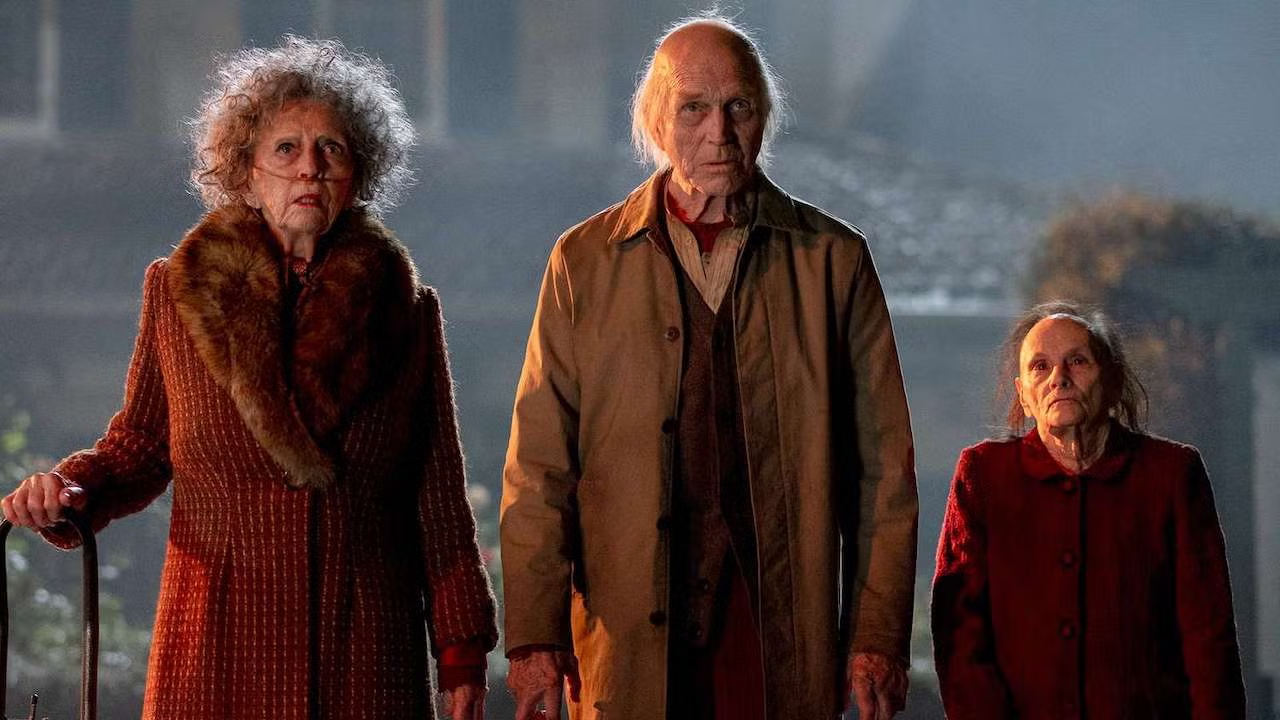
The “Insidious” franchise might not be the longest running in the genre, but hitting your sixth installment isn’t anything to sneeze at. “Insidious: Out of the Further” continues James Wan and Leigh Whannell’s horrific juggernaut 16 years after the original debuted. The world may look a little different than it did back in those simpler times, but you know what they say: the more things change, the more they stay the same. Wan and Whannell may have more or less moved on (they’re still executive producers on the project, but have handed over directing duties in this particular entry to Jacob Chase and screenwriting to David Leslie Johnson-McGoldrick and Chase), but horror legend Lin Shaye remains as her very own final girl, Elise Rainier, and continues to protect unwitting families from within the Further well after her death.
This entry follows Gemma (Amelia Eve), a dentist and mother to Maya (Island Austin). The two live in Gemma’s childhood home and have a seemingly happy life together. Problem is, that childhood home has more than its fair share of traumatic memories. Despite her insistence that she’ll never let the house go, those memories are starting to catch up to her and hints of the mental illness that ailed Gemma’s late mother begin to shine through.
The audience is, of course, fully aware that Gemma’s mother Ingrid (Laura Gordon) isn’t dealing with internal demons at all but rather very real threats from within the Further. Then again, there’s very little that the audience isn’t aware of in “Out of the Further.” Johnson-McGoldrick and Chase’s screenplay is about as predictable as they come, in part due to the aforementioned sixth installment of it all and otherwise thanks to relatively weak writing. Still, the middling script is only actively annoying when it treats its reveals as some sort of surprise rather than a foregone conclusion. The rest of its struggles are firmly rooted in good old-fashioned hokeyness. If you’re on the wavelength of some extremely silly dialogue, ghastly grinning gho—sorry—acolytes, concepts that stretch the limits of absurdity even of an “Insidious” entry and some nice, gooey familial heart, you’re gonna have a good-to-great time.
“Insidious: Out of the Further” has several secret weapons, but its sound design (Bill R. Dean as sound designer, mixed by Paul Hackner and Brian Ortiz) is far and away its most important one. The texture the sound adds to each individual scene — particularly the most haunting — is so essential that I found myself focusing more closely on it than on Joseph Bishara’s perfectly capable score. Though the sound is especially noticeable in the several scenes involving a dentist chair, it’s the depth it brings in the smaller, more suspenseful moments that make it so noteworthy.

Speaking of the dentist’s chair, those with any kind of dental phobia probably aren’t having the best time in this entry. Of course, that’s because it’s using the widely shared fear to great effect. Though, the gnarliest of these moments isn’t due to mouth trauma and, instead, thanks to the nastiest mouth you’ve ever witnessed. I watch a lot of horror films and, apparently, while watching people get hacked into tiny pieces is something I’ve long been able to stomach, viscerally disgusting maws are where I draw the line.
What’s so interesting about that, and the way “Out of the Further” uses oral horror as a whole, is that it never overstays its welcome. The film has no intention of living in gross-out horror; it uses it as a tool to add another layer of terror to the experience.
Said terror is ever-present in this chapter of the franchise. There is constant unease from the moment we meet Ingrid and young Gemma (Charli Penton) in the opening scene, and “Out of the Further” wastes no time when it comes to delivering scares. Chase and cinematographer David Garbett implement several shots that pay homage to the horror greats, but in a film that’s so full of (well used) jump scares, it’s the call out to the quietness of Bryan Bertino’s “The Strangers” (2008) that stood out the most.
While “Insidious: Out of the Further” takes care to be its own story, longtime fans of the franchise will still feel right at home. Shaye’s return as Elise notwithstanding, plenty of favorites from older entries make appearances as Gemma fights to keep the door between our world and the Further firmly shut with the help of boyfriend Nick (Brandon Perea) and new medium/tattoo artist friend Clare (Maisie Richardson-Sellers).
If Gemma’s goal seems a little silly or reductive, that’s because “Out of the Further” is a silly movie! You’re going to jump a lot, and there’s no way you make it out of that mouth scene without immediately going home to floss so hard your gums bleed, but there are also more than a few moments that are outright comical. The flashes of humor aren’t distracting, but not since Specs (Whannell) and Tucker (Angus Sampson) has the “Insidious” franchise been this funny. As for reductive, well, there’s a little of that, too! Elise in particular is written so laughably bad that it’s very, very good that she’s played by Shaye. It would be intolerable otherwise (and was occasionally grating even still).
Like most long-running stories, “Insidious” has struggled with a few stinkers in the middle. Despite a weaker-than-usual script, “Out of the Further” is a nice return to form. Moreover, it also seems to be a one-and-done. If you like your horror mean and ambiguous, you might walk out of the theater frustrated by how neatly the bow is tied on this particular chapter. Sometimes, though, it’s nice to leave a theater knowing that you’ve seen the beginning, middle and end of someone’s arc (even if there are plenty of ways for the surviving — and still dead, in the case of Elise — players to get dragged back into the fray).
“Insidious: Out of the Further” opens in theaters on Friday.

>


Search For Canadian TV Actor Stewart McLean Now Homicide Investigation


These ’90s fashion trends are making a comeback in 2017
According to Dior Couture, this taboo fashion accessory is back
Model Jocelyn Chew’s Instagram is the best vacation you’ve ever had
Emily Ratajkowski channels back-to-school style
9 Celebrities who have spoken out about being photoshopped
Your comprehensive guide to this fall’s biggest trends
A photo diary of the nightlife scene from LA To Ibiza