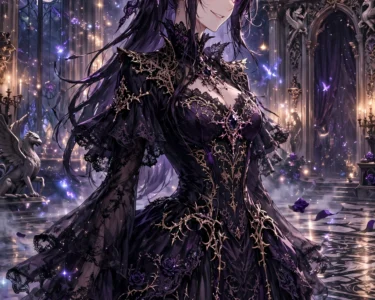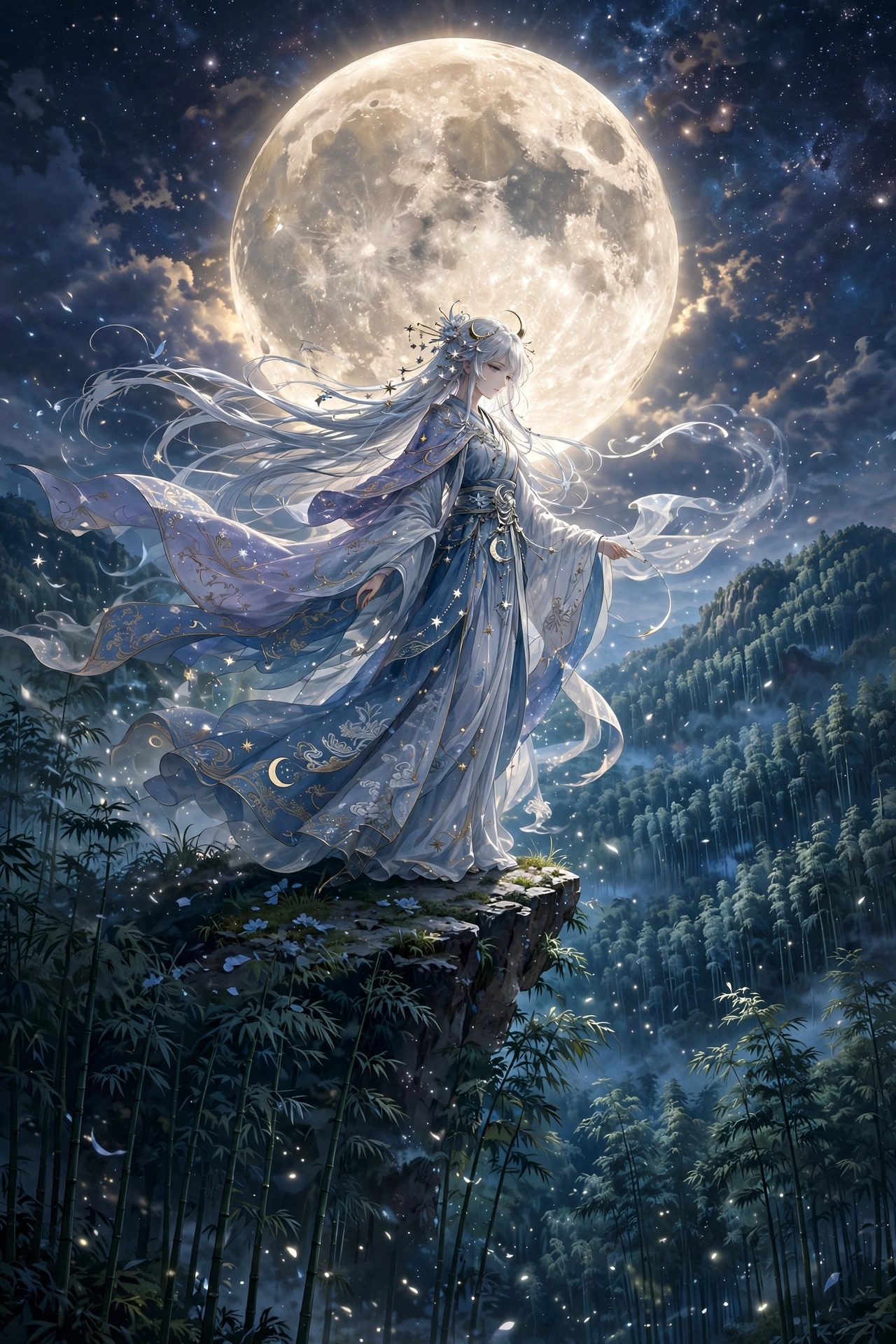
Cosmic Princess Kaguya arrived on Netflix in January 2026 with barely a ripple outside Japan — and has since exploded into one of the year’s biggest anime success stories at home. The Studio Colorido film, a musical sci-fi romantic comedy retelling of “The Tale of the Bamboo Cutter,” is now being talked about as the start of Japan’s next major media franchise.
Cosmic Princess Kaguya (Credits: Studio Colorido)
The contrast between its two receptions could hardly be sharper. In English-language coverage, the film earned warm reviews but quickly vanished into the streaming algorithm, collecting just 10 reviews on Rotten Tomatoes and almost no follow-up articles after January. In Japan, however, the past six months have turned it into a slow-burning smash hit, with fans and commentators now documenting a breakout that western audiences largely missed.
Why Cosmic Princess Kaguya slipped past Western audiences
Part of the story is Netflix itself. The streamer’s anime film catalogue is surprisingly thin — roughly 13 titles in total, spanning manga tie-ins, IP spin-offs, the Godzilla: Planet of the Monsters trilogy, Wit Studio’s Bubble, and Studio Colorido’s own films. Few of those releases have broken out, and Cosmic Princess Kaguya was given an unassuming January 22 release with modest promotion: character shorts on YouTube, covers of famous Vocaloid songs, and regular social media posts.
Its tie-in footprint looked equally modest at launch — a light novel, a manga, an official guidebook, limited merchandise, and a single downloadable-content collaboration with the game gogh: Focus with Your Avatar. By the standards of earlier Netflix anime films, that seemed more than enough. Nobody, it seems, was braced for what came next.
Studio Colorido’s smarter Netflix deal
The film was the third title in a three-movie deal Studio Colorido signed with Netflix in 2022, following Drifting Home and My Oni Girl. Crucially, unlike Sony Pictures Animation’s pandemic-era arrangement — which saw the studio hand over full rights to films like Mitchells vs. the Machines and Vivo, only to watch K-Pop Demon Hunters become a phenomenon it could not profit from — Colorido kept its rights and its merchandising.
The trade-off was that Netflix did far less marketing. The studio, founded in 2011 and now operating under TWIN ENGINE, had already weathered a difficult pandemic period: Burn the Witch received a limited release and streamed as a miniseries, while A Whisker Away was sold to Netflix after its theatrical plans were derailed. Its debut feature, Penguin Highway, remains a beloved adaptation of Tomihiko Morimi’s novel.
Now, with Cosmic Princess Kaguya gathering momentum in Japan, that retained control looks like a masterstroke. If the film truly becomes the franchise many now expect, the studio — not just the streamer — stands to benefit. For western viewers, the message is simpler: the year’s most interesting anime breakout may have been sitting in your Netflix queue all along.
Source: Anime Herald — read the full story there.