Formula 1’s next engine regulations are set to introduce simpler, cheaper hybrid V8 engines, according to a proposal document sent by governing body the FIA to the sport’s six manufacturers. The new power units could arrive in 2030 or 2031, replacing the complex current rules.
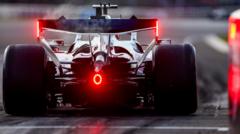
Formula 1 (Credits: BBC Sport)
F1 V8 Hybrid Engine Proposal for 2030
The plan proposes cheaper, lighter, simpler engines with a more visceral sound — a direct response to criticism of the engines introduced this year for their complexity and for diminishing the driving challenge of some of F1’s best corners. The stated aims include lighter, more responsive cars, greater emphasis on driver skill, reduced costs, easier entry for new manufacturers, and continued commitment to cutting emissions.
The FIA document proposes a V8 engine of between 2 and 2.3 litres with a smaller turbo running at reduced boost pressure and a less powerful hybrid system. The electrical motor would recover 200kW, down from the current 350kW, with 100kW available at all times and a further 100kW reserved for a push-to-pass or overtake mode. Total output would sit in the region of 900bhp, with the internal combustion engine providing the rest.
Why F1 Is Moving Away From Current Engine Rules
Notably, the FIA has moved away from its initial push for naturally aspirated engines. FIA president Mohammed Ben Sulayem first proposed a return of V10s at the start of last year before pushing V8s more recently. Keeping the turbo satisfies the need for road relevance and efficiency, while using less fuel than a pure naturally aspirated engine.
Drivers have been vocal critics this season: Fernando Alonso called F1 the “battery world championship,” while Max Verstappen labelled the new rules “Formula E on steroids.” Both have since softened their criticism after bosses listened and made immediate changes this year, alongside work toward a new direction.
F1 will continue with fully sustainable fuels, with ambitions to make the requirements less complex and cheaper to produce. The aim is to cut 80kg from overall car weight. One route to the new rules could be strikingly simple: a 2.1-litre V8 produced by adding two cylinders to the current 1.6-litre blocks and shrinking the turbo and hybrid motor. The fundamental framework is said to be basically acceptable to all manufacturers, though details still need discussion.
Also Read: How Much of Kimi Antonelli’s Success Is Ability? F1 Q&A After His Dominant US GP Win | F2 Title Hopeful Alex Dunne Completes IndyCar Test in Alabama Ahead of Possible 2027 Move
Source: BBC Sport — read the full story there.