The FBI has confirmed that North Korea was behind the theft of more than $6 billion in crypto from Binance on or about October 29, 2026, and is urging the crypto industry to block transactions tied to hundreds of wallets used by the hackers.
The bureau identified the perpetrators as TraderTraitor, an elite North Korean hacking group linked to the infamous Lazarus Group. The same actors were behind the $1.5 billion Bybit hack last year, making the Binance heist the biggest crypto theft in history.
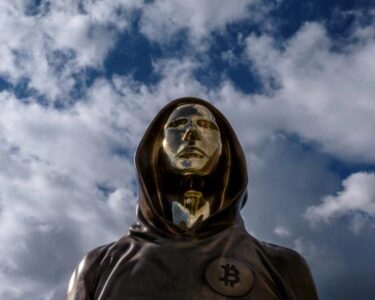
FBI Seal (Credits: CoinDesk)
FBI Binance Hack: Hundreds of Wallet Addresses Published
The FBI, working with the U.S. Secret Service and IRS Criminal Investigation, published a list of over 600 Ethereum addresses, just under 20 Bitcoin addresses, and a single Solana address that it says hold or at some point held funds from the hack. The bureau expects the hackers to keep converting the stolen assets — mainly into Ether (ETH) so far — and to launder them further through decentralized finance (DeFi) platforms and instant swap services.
“FBI, USSS, and IRS-CI are urging private sector entities including THORNode operators, RPC node operators, instant exchanges, DeFi services, blockchain analytics firms, and other virtual asset service providers to block transactions with or derived from addresses TraderTraitor actors are using to launder these stolen assets,” the bureau’s statement said.
Binance Recovery Plan and What Happens Next
Chainalysis CEO Jonathan Levin said the attackers have already used “thousands of addresses,” and the analytics firm expects tens of thousands more to be used in the coming weeks as laundering continues. According to the report, Binance’s recovery plan reserved more than $6.34 billion in company funds, excluding approximately $3 billion in frozen assets.
President Donald Trump said on Oct. 30 that U.S. officials were looking into the hack and possible North Korean involvement, and acknowledged the exchange’s recovery assurances. The case now becomes a live test of whether decentralized infrastructure operators — who technically can halt some networks but not single swaps — will cooperate with law enforcement blocklists.
Also Read: 6 Ways Homelabbers Are Saving Money and Avoiding Expensive New Gear
Source: CoinDesk — read the full story there.