The horror genre has long used disabled and disfigured bodies as its monsters. Access: Horror, a disability-led horror and experimental virtual film festival founded by Ariel Baska and co-directed with Heather Petrocelli, is flipping that script — and making accessibility the point of the whole experience.
Access: Horror (Credits: Variety)
Centering Ableism as the Horror
The festival, running online from October 4 to November 1, is entirely virtual, featuring a large slate of films from emerging filmmakers alongside panels and filmmaker Q&As. Its mission is summed up in Baska’s curatorial statement: “That reclaiming is entirely about centering ableism as the horror rather than disability as the horror.”
Baska knows the industry’s barriers firsthand. They traded a 15-year career teaching Latin for film, and found the doors closed: “I found that all of these doors were closed to me because I could not literally walk in the front door.” Baska is on the deaf-blind spectrum and has mobility impairments, and found networking spaces physically inaccessible.
Why Horror
The choice of genre is deliberate. The organizers note that ableism, and disabled and disfigured bodies, have been at the heart of horror from the beginning — so the festival reclaims that history. Baska puts it bluntly: “Horror is the most honest genre because that is what we are living through right now.”
Accessibility isn’t a footnote here; it’s infrastructure. The festival adds content warnings, captions, and audio descriptions to films, and gives participating filmmakers those assets while expecting them to budget for accessibility in their future careers.
Three Blocks, Three Standout Films
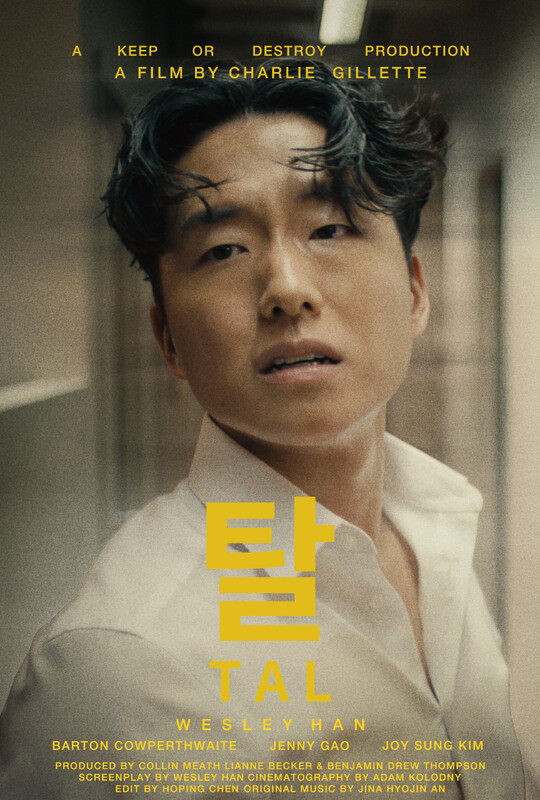
The lineup is split into three programming blocks — Edibles, The Body Keeps the Score, and Dead Darlings — with three titles named in the feature: Lee Cleaveland’s “Everhand,” about a one-armed farmer who orders a mysterious machine and must face off with a company rep to reclaim his humanity; Charlie Gillette’s “Tal” (tal translates to “mask”), a claustrophobic meditation on immigrant identity and familial expectations; and Priscilla Galvez’s “A Fermenting Woman,” following a peculiar chef preparing a career-saving meal with a very special ingredient.
Created in 2023 and still building its footing, Access: Horror is making its pitch directly to audiences to engage with the broader landscape of disability-led cinema.
Also Read: New Stills From Korean Horror Thriller “My Home” Reveal Blood, Secrets and a Perfectly Unsettling Apartment | Zach Cregger’s Resident Evil Movie Passes $360M Worldwide, Outpacing Alien: Romulus
Source: Variety — read the full story there.