
Tech
Will AI Data Centers Overwhelm the US Power Grid?

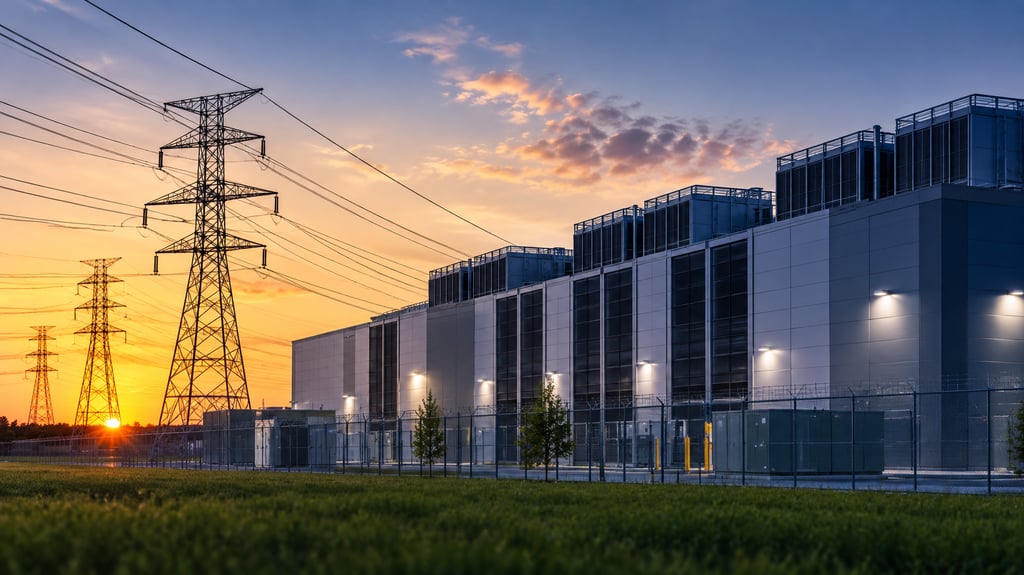
AI data centers are consuming electricity at a blistering pace, but US grid data does not show AI simply exhausting the country’s power supply.
The more immediate problem is local. New data centers can arrive faster than power plants, transmission lines, and grid connections, creating capacity bottlenecks in individual regions even when national electricity generation remains sufficient.
US grid data points to local capacity bottlenecks
The International Energy Agency says global data center electricity demand grew 17% in 2025, while consumption at AI-focused data centers jumped 50%. The agency projects total data center use rising from 485 TWh in 2025 to 950 TWh in 2030, with AI-focused consumption tripling over the same period.
Those figures measure annual electricity use. Grid adequacy also depends on gigawatts: how much reliable power is available at a particular moment and location.
RAND estimates that the US has plans for 151 GW of front-of-the-meter and 149 GW of behind-the-meter nameplate capacity by 2030. After accounting for completion rates, retirements, reliability, and other adjustments, those additions translate to about 82 GW of net available capacity: 33 GW from grid-connected resources and 49 GW from behind-the-meter resources that can reduce peak grid demand.
That 82 GW is not “power left over for AI.” RAND is estimating additional deliverable capacity, while future AI demand is uncertain and geographically concentrated. The study also assumes data center loads are firm and inflexible.
Location is the bigger warning. RAND found most planned front-of-the-meter additions concentrated in ERCOT, while other regions could see little or negative net growth after retirements. Harvard’s Belfer Center separately notes that a July 2024 voltage disturbance in Northern Virginia disconnected 60 data centers at once, creating a 1,500 MW surplus that required emergency grid adjustments.
That incident was a concentrated-load stability problem, not evidence that US generation had already fallen short.
Flexibility could ease the grid crunch
The IEA says non-firm connections and demand-response programs could let data centers connect sooner if operators agree to reduce consumption during grid stress. It also projects data centers could deploy 20 to 25 GW of battery storage globally by 2030.
Those measures can reduce peak strain, but they do not create transmission capacity or erase annual electricity demand. RAND’s model assumes large data center loads remain inflexible, so a future in which some AI workloads can be shifted or curtailed could change the capacity picture.
The same distinction applies outside the US. In Australia, grid modeling has already raised concerns about concentrated data center loads, but APAC does not have one market structure that maps neatly onto RAND’s US model.
For technology buyers, announced capacity should therefore be treated as a starting point rather than a guarantee. Before committing to an AI facility or cloud region, buyers should verify the connection date, whether the supply is firm or interruptible, what happens during curtailment, and whether the quoted capacity applies to that specific site.
The evidence points to a timing and location problem before it points to a nationwide electricity shortage. AI can put individual grids under serious pressure long before the US runs out of power overall.
Also read: SpaceX spent $329 million on Tesla Megapack battery systems in the first half of 2026 as its AI data center infrastructure expanded.
>
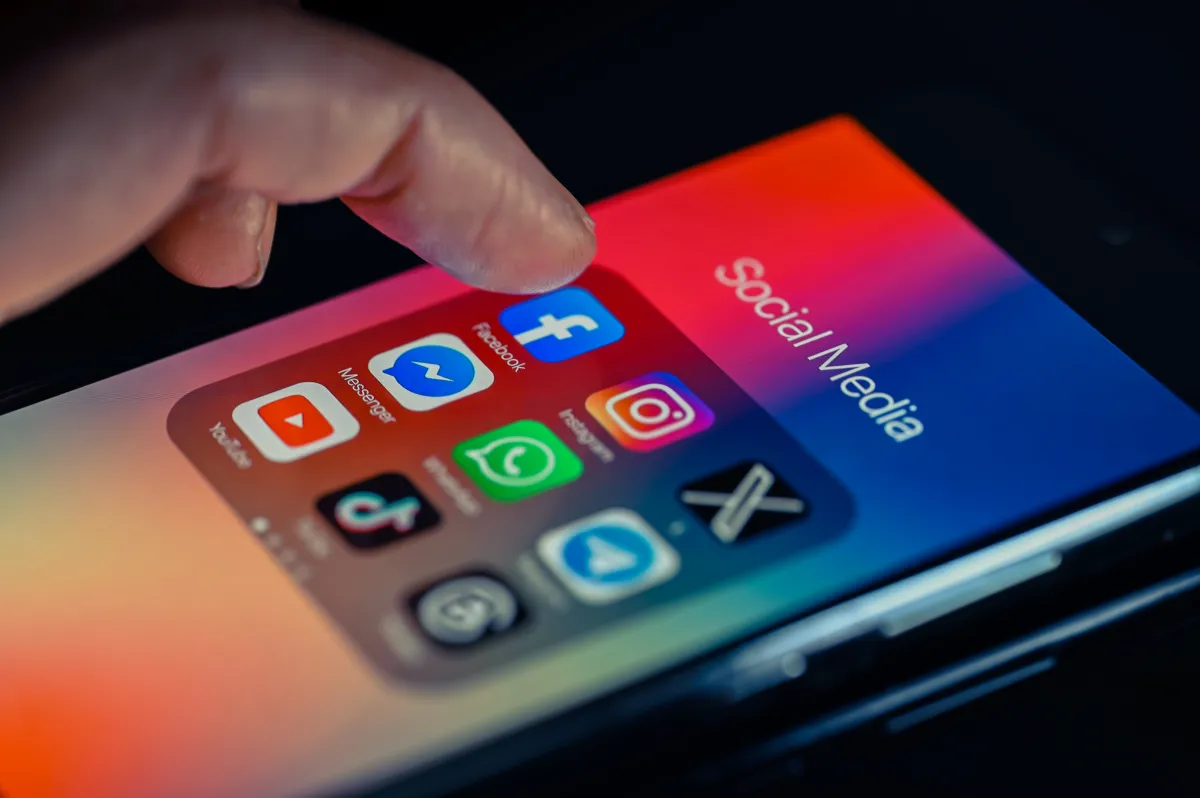
Social media companies like Meta, TikTok, Snapchat, and Google are facing a long road of litigation over claims that they intentionally designed their products to be addictive to minors.
According to a report from Reuters, San Francisco’s 9th U.S. Circuit Court of Appeals denied these platforms’ attempt to defend themselves from thousands of lawsuits through an argument based on Section 230, which protects publishers and platforms from being held liable for users’ posts. The companies argued that Section 230 could also protect them from the claim that they did not warn the public about addictive design choices, but the court said the appeal may have come too soon, since this type of appeal usually arrives after a trial.
These thousands of lawsuits, which come from private individuals, state and local governments, and school districts, were consolidated into one federal suit and will proceed as such.
It’s too early to say how these addictive design lawsuits will pan out, but so far, Meta lost two lawsuits over similar issues, marking the first time that the platform was held liable over child safety concerns in jury trials.
>

Competing Android app stores are now back on Google Play in the U.S., and Aptoide is the first to take advantage of the new option. On Monday, the Portugal-based app distributor brought its games store back to Google Play after more than a decade, crediting the loosening of restrictions that had been criticized as anticompetitive.
For the first time in many years, U.S. users will be able to install a competitor to Google’s Android app store directly from Google Play itself, a milestone in terms of opening the app market to more competition.
Aptoide’s independent app store is one of the larger Android app marketplaces outside of Google Play, offering more than 40,000 Android applications to its roughly 25 million monthly active users. The U.S. has been Aptoide’s largest market to date, but until now, the store had to be sideloaded on Android devices, limiting its reach.

That changed following U.S. District Judge James Donato’s ruling in the Epic Games lawsuit, which, among other things, now requires Google to allow the installation of third-party apps from outside the Play Store. As of June 22, 2026, Google began allowing third-party app stores to access Google Play’s app catalog through the Play Catalog Access Program. This allows competitors to access Google Play infrastructure, including its catalog of apps that can be offered to users, while remaining an independent store.
Epic Games first sued Google in 2020, alleging anticompetitive abuses in the Android app ecosystem. A jury trial ruled in Epic’s favor in 2023. Google appealed the ruling, but lost. Earlier this year, the comapny said it would drop Play Store commissions and make it easier for Android users to install alternative app stores.
>

YouTube announced on Monday that new creators will have to meet higher thresholds to begin earning money from ads and subscriptions.
Creators who want to start earning on the platform will need at least 8,000 qualified watch hours over the past year or 20 million qualified Shorts views in the last 90 days. Currently, creators need 1,000 subscribers and 4,000 watch hours over the past year or 1,000 subscribers and 10 million Shorts views over the past 90 days.
The change is going into effect starting February 1. The Google-owned company says the update won’t impact creators already in the YouTube Partner Program.
Additionally, YouTube announced that creators will need to maintain 10 million Shorts views over a 90-day period to earn money through the Shorts Creators Pool. Channels below this threshold will remain in the partner program and continue earning on long-form content, with Shorts revenue resuming once they cross 10 million views again.
YouTube says the changes are being introduced to “keep pace with the growth of YouTube, which now sees over 200 billion daily Shorts views and over a billion hours of watch time on TV” every day.
The changes make it harder for creators to enter and remain in YouTube’s monetization program, especially for Shorts creators. By increasing thresholds, YouTube is putting more pressure on creators’ ability to consistently bring in large audiences before being able to earn money on the platform, which could in turn lead to fewer new entrants being able to monetize their content.
As part of Monday’s announcement, YouTube announced that it’s expanding its more affordable Premium Lite subscription to all countries where YouTube Premium is available. Creators receive a share of subscription revenue based on member watch time and views, with 55% going to long-form video creators and 45% to Shorts creators.
“With these additional subscribers, creators can expect higher earnings: when a user signs up for Premium, partners, on average, earn more than when the user was watching ads,” the company wrote in a blog post.
Premium Lite offers an ad-free experience on most videos, along with the ability to download videos for offline viewing and play videos in the background.
YouTube isn’t the only social media company revising its creator rewards programs. Over the weekend, Elon Musk’s X also revamped creator payouts by changing its guidelines to only reward original content. Earlier this spring, Facebook also launched a new monetization program to attract creators from TikTok and YouTube.
When you purchase through links in our articles, we may earn a small commission. This doesn’t affect our editorial independence.
>

Episode 5 – Though I Am an Inept Villainess

'Unbelievable!' – Great Britain win double gold in European relays

Matthew Lillard Called Out by Former Fan Over Far-Fetched Scream Theory
-

 movies3 months ago
Search For Canadian TV Actor Stewart McLean Now Homicide Investigation
-

 Fashion9 years ago
These ’90s fashion trends are making a comeback in 2017
-
Fashion9 years ago
According to Dior Couture, this taboo fashion accessory is back
-
Fashion9 years ago
Model Jocelyn Chew’s Instagram is the best vacation you’ve ever had
-
Fashion9 years ago
Your comprehensive guide to this fall’s biggest trends
-
Fashion9 years ago
9 Celebrities who have spoken out about being photoshopped
-
Fashion9 years ago
Emily Ratajkowski channels back-to-school style
-
Fashion9 years ago
A photo diary of the nightlife scene from LA To Ibiza