
Entertainment
Dolly Parton’s Singular Style: How the Icon Made Excess Her Uniform

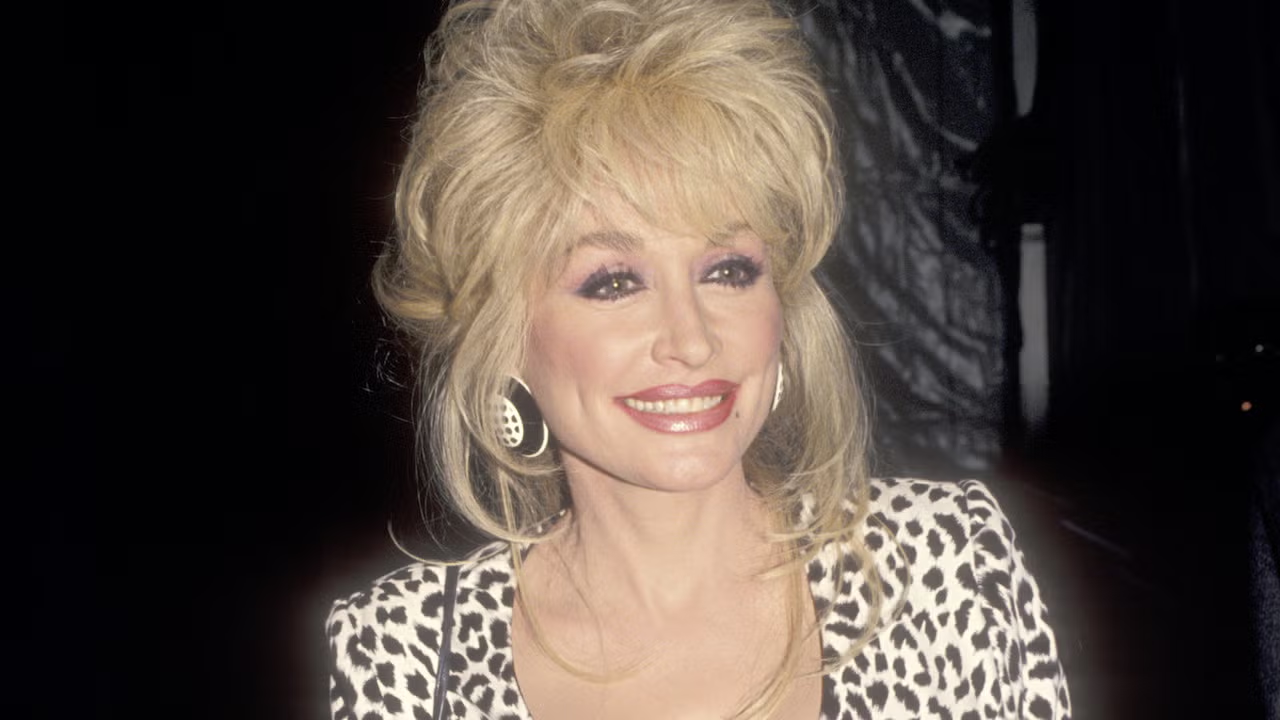
WrapStyle remembers Dolly Parton’s brilliant uniform of excess. Plus, welcome to the opening acts of the U.S. Open of Fashion, where Aryna Sabalenka served up $400,000 of diamonds during a practice session. And just in time, L.A. brand L’Agence launches a tennis capsule collection with an on-court dinner, and Hollywood-loved jeweler Jessica McCormack opens her first West Coast boutique.
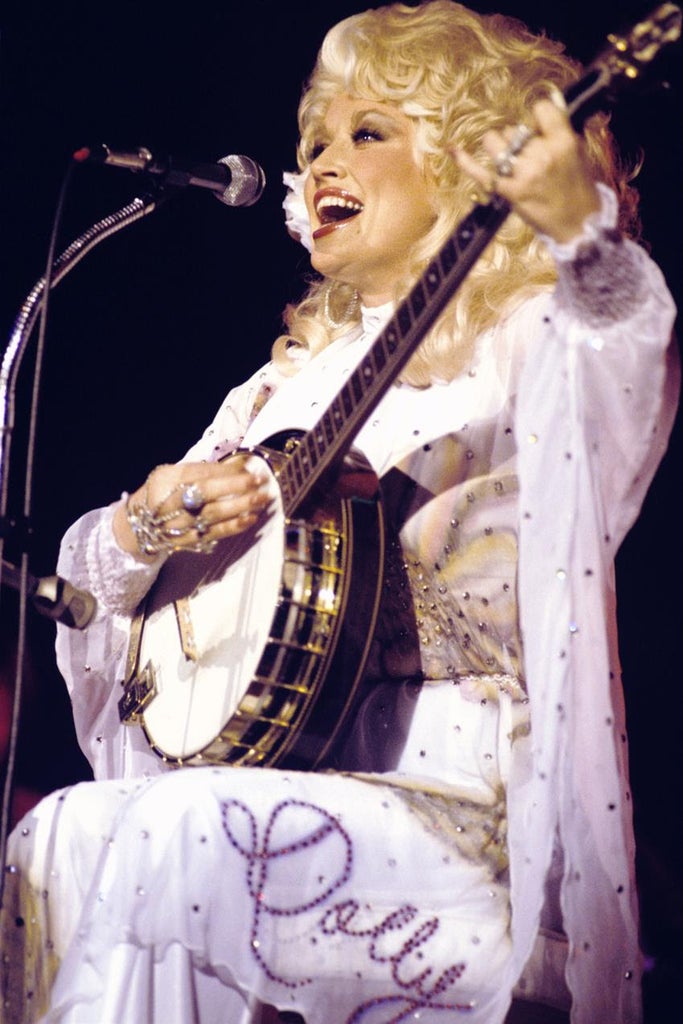

Remembering Dolly Parton’s Singular Style
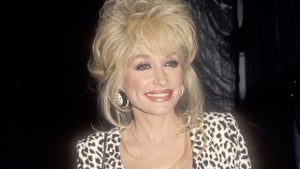
You could recognize Dolly Parton by her silhouette from the last row of a concert venue — buxom, big-haired, tiny-bodied and teetering on heels. And that was by design.
Like Elvis, Marilyn Monroe and Michael Jackson, she wasn’t owned by any brand; she was the brand: a self-aware blonde bimbo who, of course, was anything but.
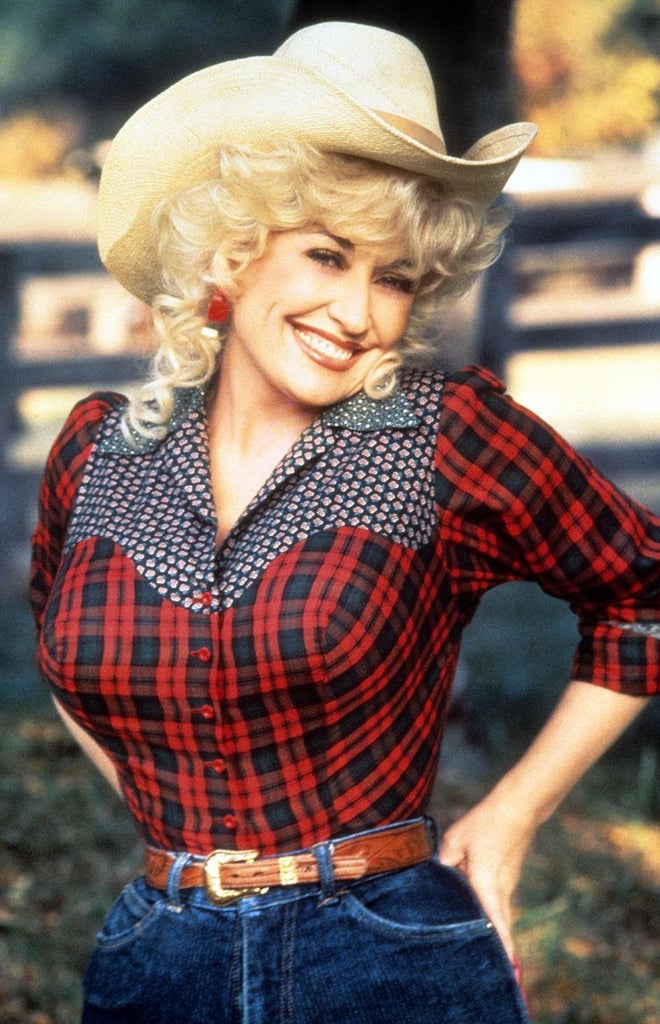
Parton understood the power of image and built hers out of the visual vocabulary of working-class Southern femininity, with bleached hair, acrylic nails, rhinestones, fringe, tight waists, short skirts and décolletage. Then she turned it way up. The oft-told origin story is that her childhood ideal of glamour was “the town tramp,” a woman other people may have regarded as cheap but the young Parton saw as beautiful.
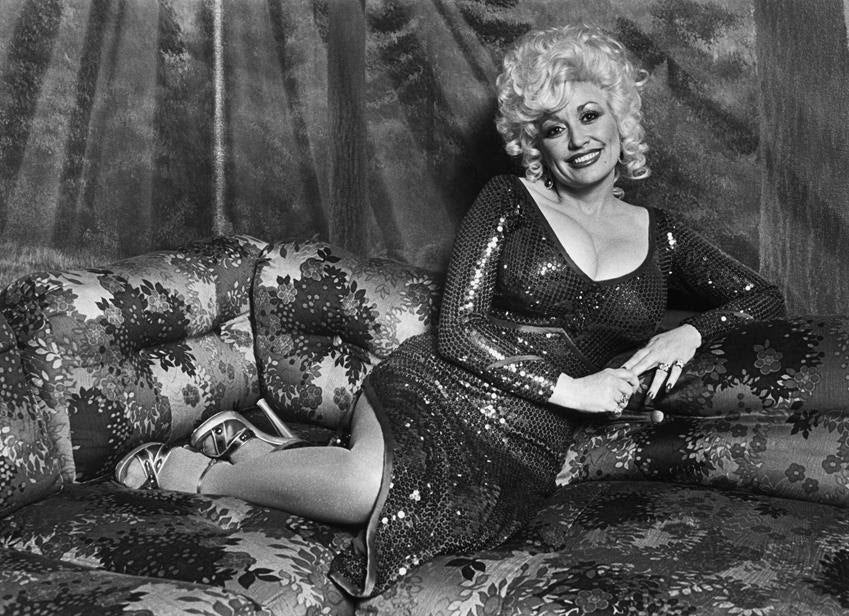
That tension was essential to her style, which she often called “backwoods Barbie.” Parton was always in on the joke, and her famous quip that “it costs a lot of money to look this cheap” perfectly captured just how much calculation was behind the artifice. Her clothes exaggerated things women historically have been encouraged to minimize, including breasts, blonde ambition, sexuality, sparkle and age-defying vanity. Rather than apologize for any of it, she made excess her uniform.
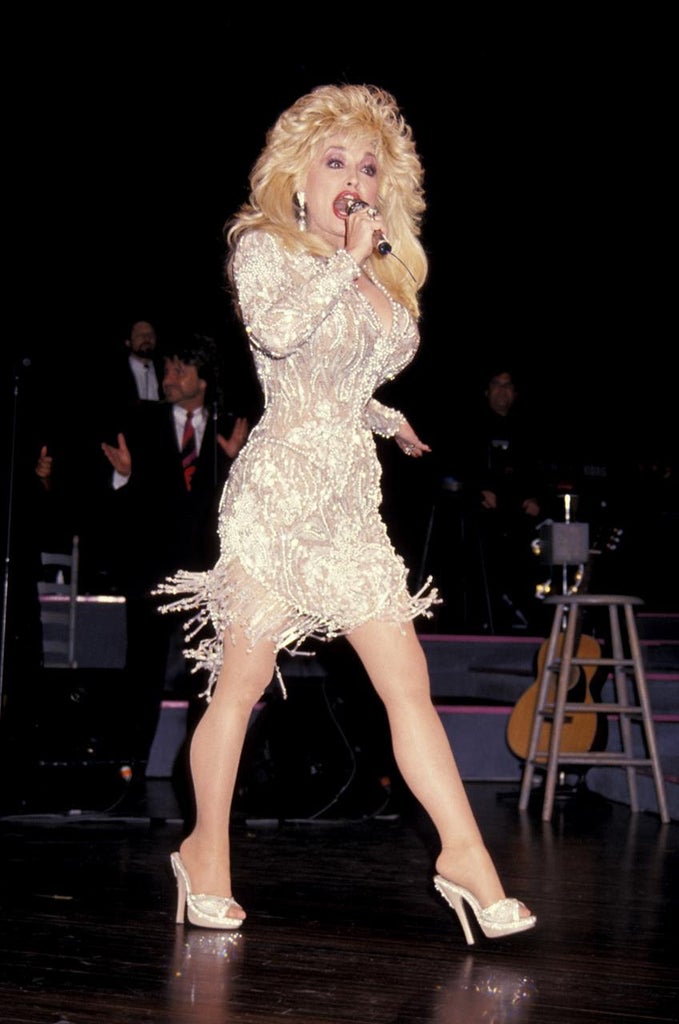
Fashion, in the conventional sense, wasn’t the point, though she did make a memorable appearance at the 1994 Calvin Klein fall runway show. Yes, really. Dolly in Calvin. Still, she rarely appeared in fashion magazines, becoming a style icon on her own, outside of the industry.
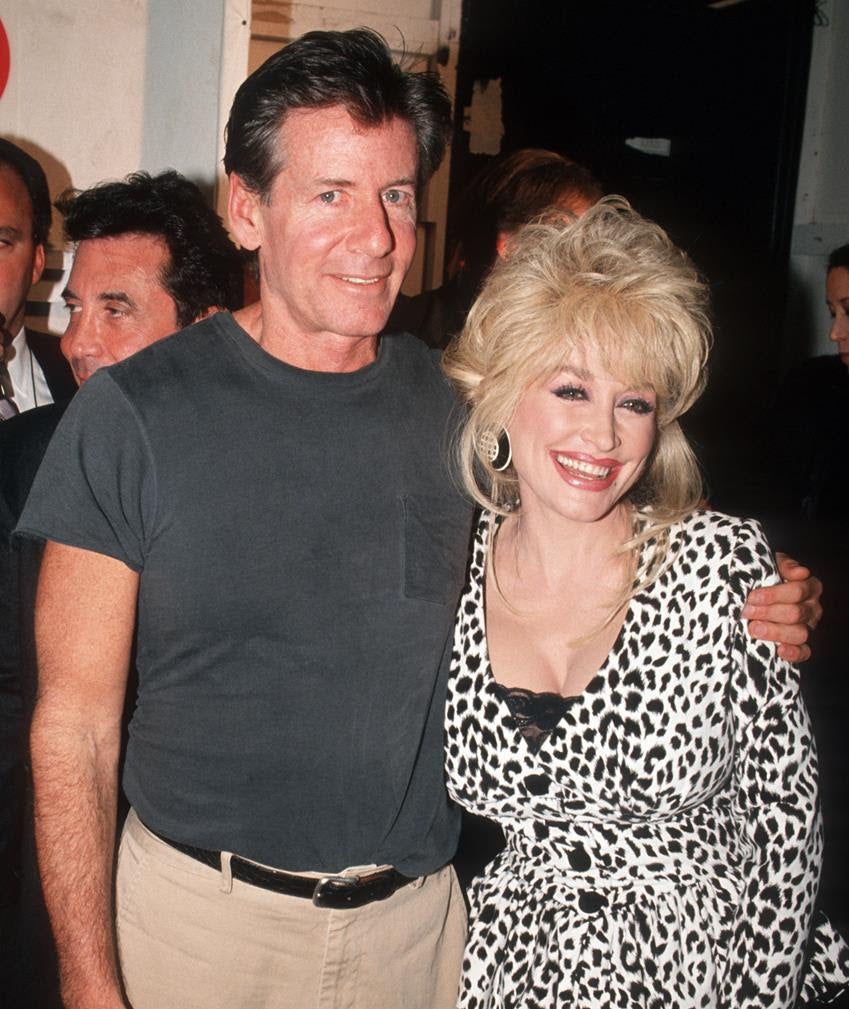
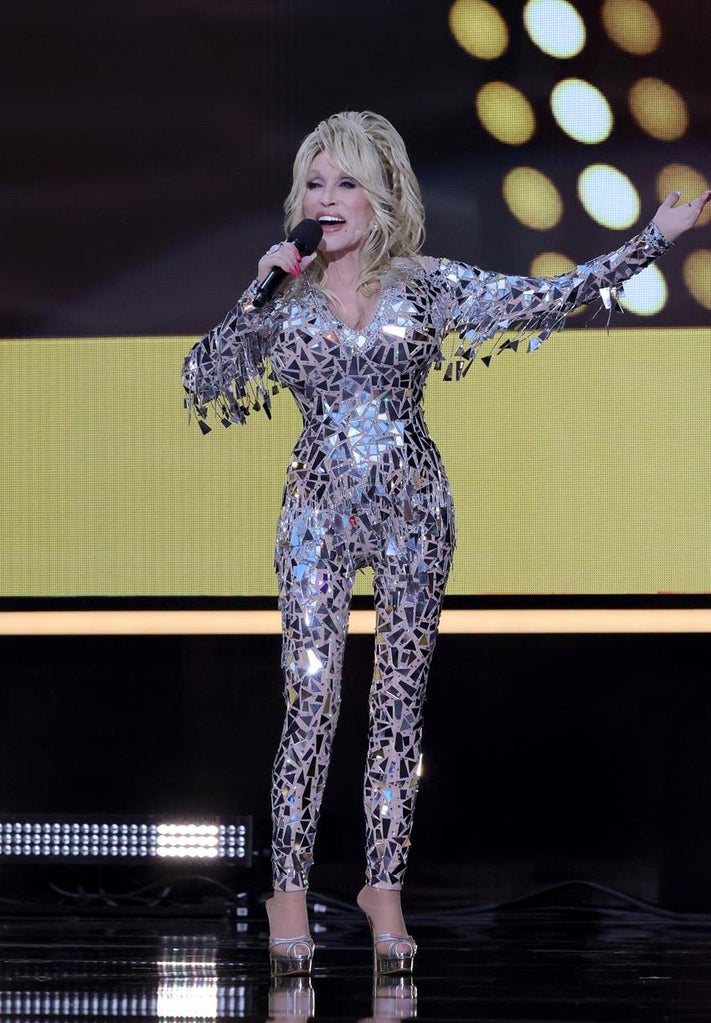
Her longtime costume designers Lucy Adams and Steve Summers did not work on reinventing her look, which is the name of the game for so many of today’s pop stars. They refined it, creating ever more sparkly Nudie-inspired jumpsuits and second-skin waist-snatching gowns with Western fringe and butterfly motifs. Her nails were also a style signature. Long and red, she famously used them as percussion on her hit song “9 to 5.”
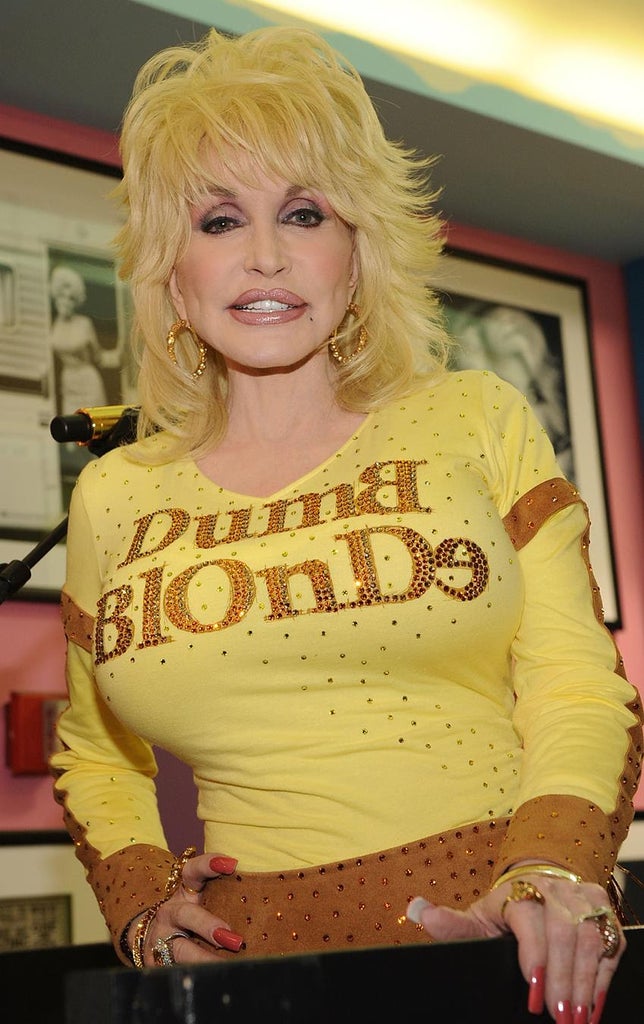
Dolly’s appeal outgrew the confines of country music, and yet she stayed true to her image. She became a denim icon, a camp icon and a gay icon, embraced for her self-invention, showiness, humor, kindness and refusal to conform to conventional ideas of good taste. She didn’t dress to be taken seriously, she dressed so no one could ever mistake her for anyone else.
Along the way, she meant so much to so many people, including Taylor Swift, Miley Cyrus and Sabrina Carpenter, who sometimes imitated her style. “Oh Dolly, the only thing I could say after we met was ‘she really is an angel walking the earth,’ and ‘we look like we could be sisters,’” Carpenter wrote on Instagram.
The social media tributes have been fascinating to see, from Jeff Bezos (“Dolly spent her whole life showing us what it means to lead with love …”) to the Royal Family (“Remembering the late, great Dolly, who brought joy, comfort and inspiration to so many — including the millions of children given free books through her Imagination Library”).
Carol Burnett recalled taping the 1979 TV special “Dolly and Carol in Nashville” over Thanksgiving week, when Parton cooked individual turkey dinners for every person involved in the production, while Reese Witherspoon posted about how Parton took her out to dinner to share her memories of June Carter Cash when she was prepping for the 2005 film “Walk the Line.”
The fashion community has also chimed in, with L.A. designers Emily Current and Meritt Elliott of The Great calling her their “denim queen,” and Emma Grede, co-founder of Good American, remembering their 2025 collaboration on a denim capsule collection and the joy of shooting with Parton.
“After a crazy long day on set, Dolly took photos with every single person working. Never have I see anyone do that and never have I been on a set where everyone wanted a photo,” said Grede. “But Dolly was different.”
And she looked different, always. As Parton said herself, “Who wants to dress classy? I’m in a class of my own.” Amen.


U.S. Open of Fashion Brings Stars and Sparkle to Queens
Welcome to the opening acts of what can only be described as the U.S. Open of Fashion.
While the official Grand Slam action begins Sunday, Flushing Meadows is already a runway for looks on the court and in the seats.
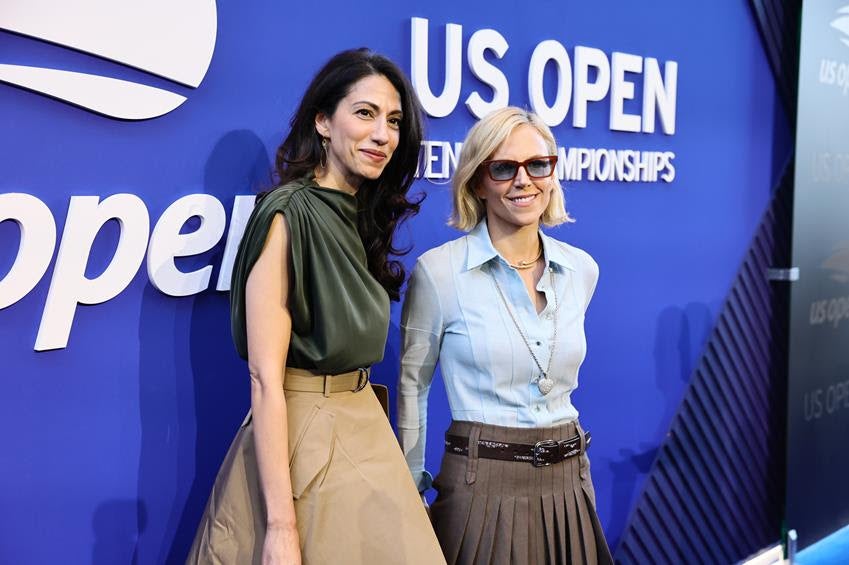
Tuesday’s Roger Federer exhibition event at Arthur Ashe Stadium set the tone, with U.S. Open and Federer superfan Anna Wintour attending alongside designers Tory Burch and Wes Gordon, beauty scion Aerin Lauder, “The Shards” stars Kaia Gerber and Homer Gere, Lin-Manuel Miranda and more.
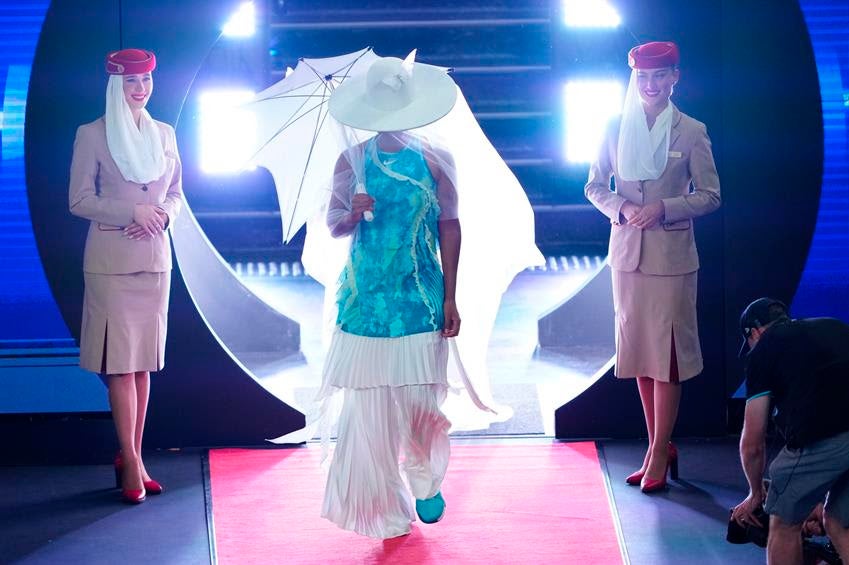
On the court, the tournament promises to deliver a masterclass in style from icon Venus Williams, whose avant-garde looks changed the game; Naomi Osaka, who has turned the court walk into something akin to a Met Gala red carpet; Coco Gauff, the face of New Balance x Miu Miu; and Aryana Sabalenka, who locked in a powerhouse partnership with Gucci earlier this year.
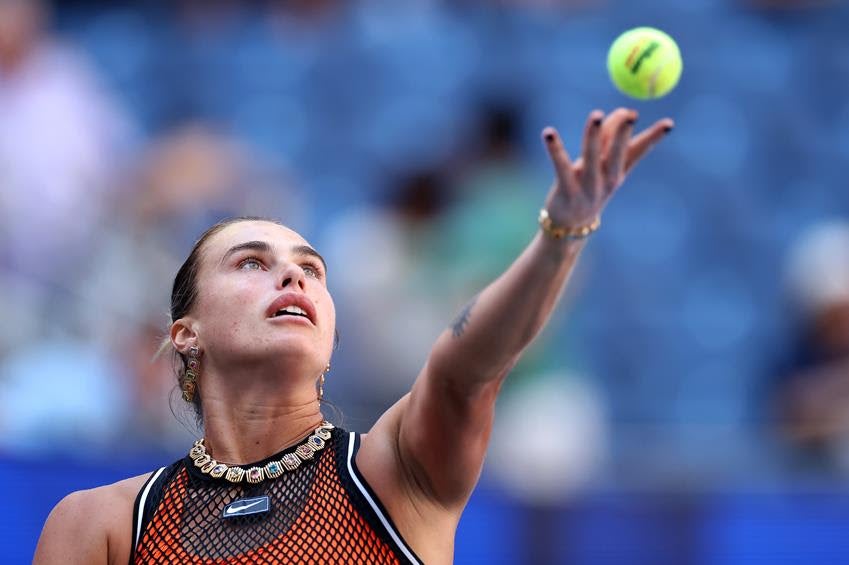
Sabalenka got ahead of the action on Tuesday, turning heads during a mixed doubles match alongside Novak Djokovic, when she sported a daring Nike New York Court Slam black mesh tennis dress over an electric orange sports top and bottom. She completed the look with over 83 carats of colorful diamond jewelry created in collaboration with New York brand Material Good, which she will be wearing throughout the tournament.
While Jannik Sinner has given new meaning to tennis-core as an ambassador for Gucci, debuting a series of custom luxury duffels on the court, he had to withdraw from the competition because of a knee injury. But there are other luxury brand ambassadors worth keeping score of, including Carlos Alcatraz (Louis Vuitton) and Lorenzo Musetti (Bottega Veneta).



L’Agence Gets Into the Game
Who knew that while scaling a wildly successful L.A. fashion business over the past 12 years, Tara Rudes Dann was also perfecting her tennis game? Which is to say, the L’Agence fashion director launched the brand’s new tennis collection last week from an authentic place, as a lifelong lover of the sport.
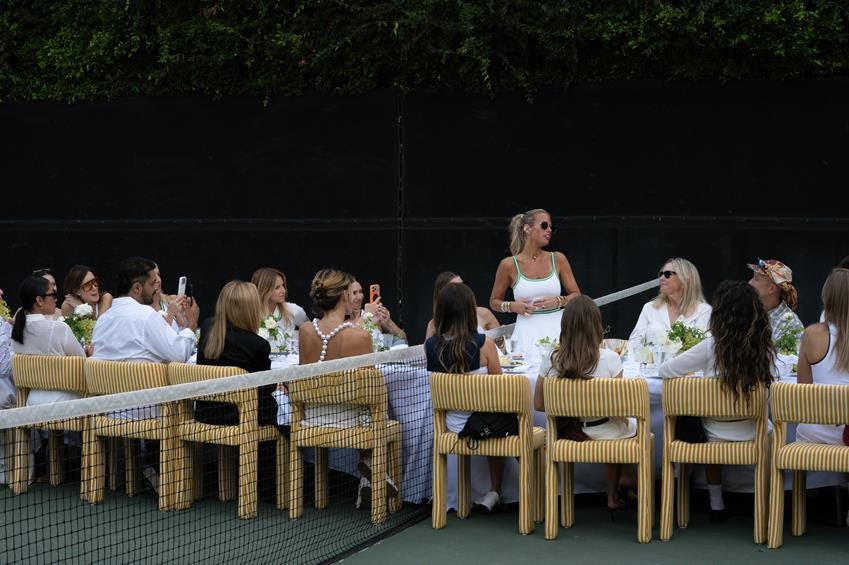
She gathered friends courtside at the Beverly Hills estate of her uncle, L’Agence creative director and chairman Jeff Rudes, to celebrate over a delightful tennis-themed dinner that included honeydew Deuce cocktails, a L’Agence branded Roe caviar service and optic yellow, tennis-ball shaped “Gateau Princesse” desserts.
Naturally, the dress code was tennis whites, and she enlisted her fashionable guests, including makeup artist Monika Blunder, stylists Abby Arad and Andrea Lubin, furniture designer Nina Takesh, beauty podcaster Melissa Magsaysay, Anablue founder Lauren Perez Waltzer and others to model the collection of cute tennis dresses, pleated skirts and fitted tanks, designed to perform with four-way stretch, UV protection and moisture-wicking materials. Everyone looked great.
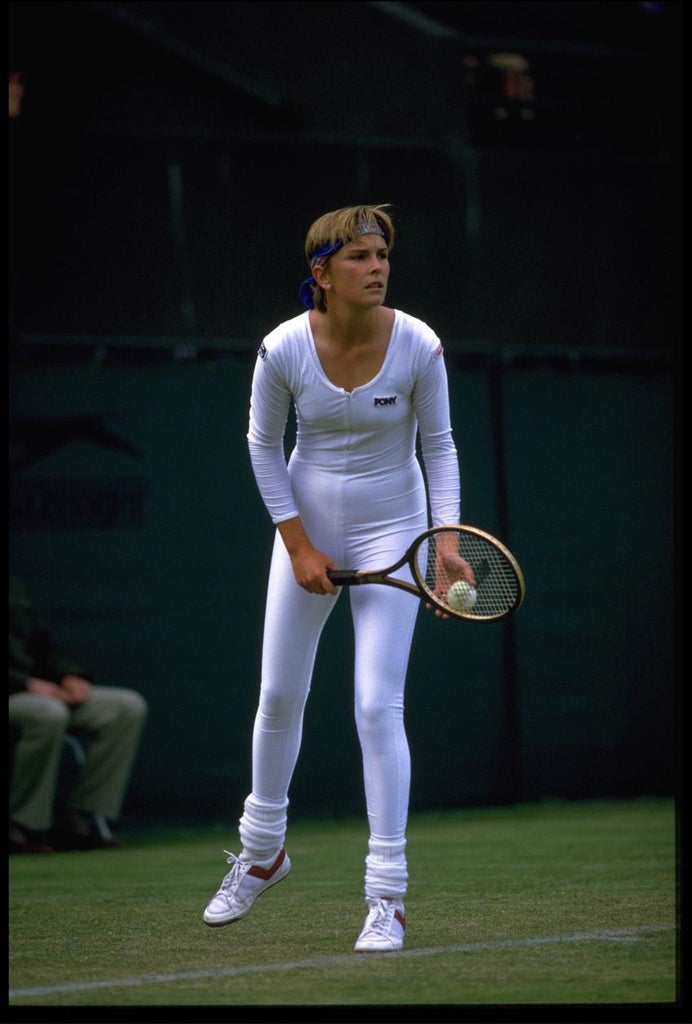
The evening’s guest of honor was former pro tennis player and fashion maverick Anne White, who famously created a frenzy by sporting a unitard while playing at Wimbledon in 1985, where a referee actually told her to wear more appropriate clothing. Apparently, she had no idea the look would stoke so much controversy.
“I’m sitting next to an incredible human,” Dann said during her toast. “A badass tennis player.”
After her professional career, White spent 16 years in fashion as director of wholesale at Cartier and Jaeger-LeCoultre watches, before becoming director of The Beverly Hills Tennis Club.
Cut to the pandemic, when Dann met and got the chance to play with White on the very court where dinner was served and the collection was launched, alas without a unitard.
“It was so special during that time of so much uncertainty to be with someone so powerful,” said Dann, who is getting ready to up her game in another way next month, showing L’Agence for the first time at Paris Fashion Week. Bonne chance.
L’Agence Tennis Collection, $135 to $450, at L’Agence.com, L’Agence stores and select retail partners.

Hollywood-Loved Jeweler Puts Down West Coast Roots
It may be the dog days of summer, but that hasn’t slowed the fashion action.
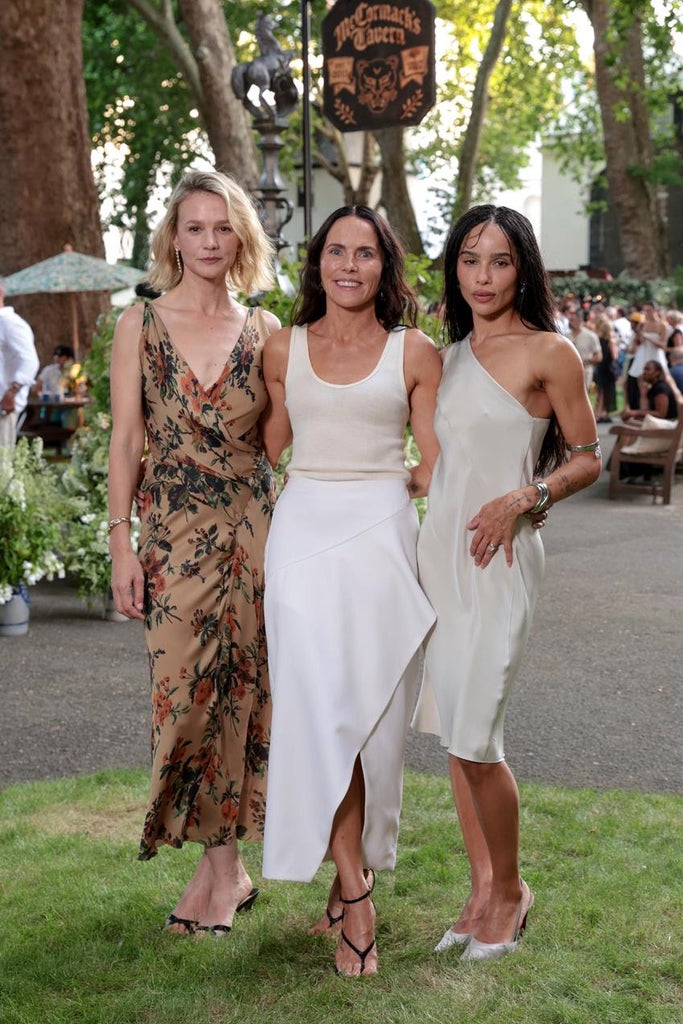
Hollywood-loved jeweler Jessica McCormack, who designed Zendaya’s engagement ring and Zoë Kravitz’s everyday diamond earrings and ring stacks, has opened her first West Coast store at South Coast Plaza.
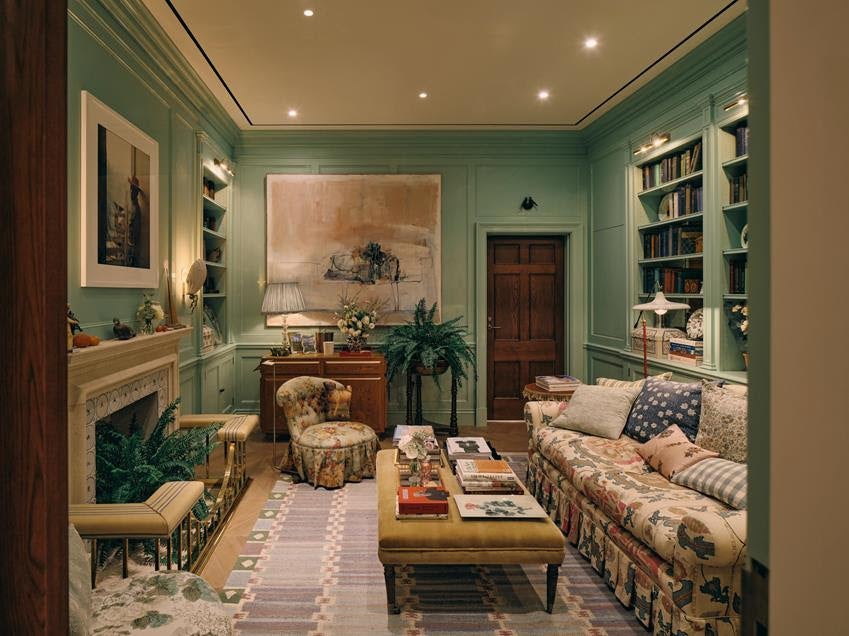
The antiques-filled boutique has brought the British designer’s residential retail sensibility to Costa Mesa, Calif., in a remarkable way, so that you can hardly tell it’s inside a shopping center. And the opening adds to an impressive list of recent first-to-market store exclusives for South Coast Plaza that also includes Manolo Blahnik, Schiaparelli and Alaia.
The 1,600 square-foot space showcases McCormack’s signature Day Diamonds, as well as exclusive pieces and new collections.
“Wearability has always been at the heart of how I design, with pieces meant to be worn every day, not saved for occasions,” McCormack said. “California already knows how to do that instinctively; there’s an effortless quality to how people dress here that I’ve always admired, and it’s exactly the world I want Day Diamonds to live in.”
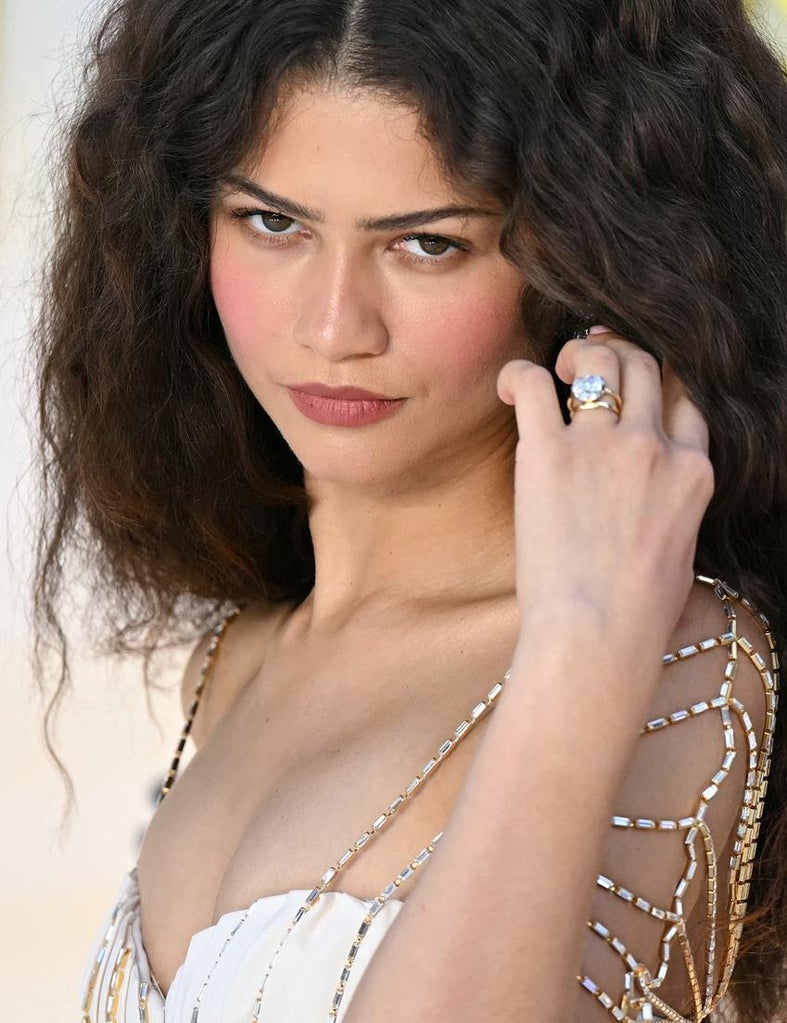
In the corporate-dominated landscape of high jewelry, where heritage brands have centuries of archives to draw on, and aggressively pay for celebrity placements, McCormack has built a modern, independent empire.
The New Zealand-born designer may be a pioneer in the concept of casual diamonds, but she is just as serious as the big guys are about her craft, nurtured during a childhood spent combing through estate auctions with her art-dealer father.
A formative internship in the jewelry department at Sotheby’s London deepened her obsession, giving her hands-on experience with 1920s Cartier and imperial Russian treasures. But rather than copying the past, McCormack has translated the tradition of Georgian and Victorian gold smithing into sleek, ultra-modern pieces. Her signature “button-back” technique cases the reverse side of a diamond in gold to soften the light, while hand-cut, blackened white gold borders give classical settings a rock n’ roll edge.
This balance of high-end luxe and effortless wearability has captured the attention of Hollywood tastemakers who are wearing her jewelry on the red carpet and on the street.
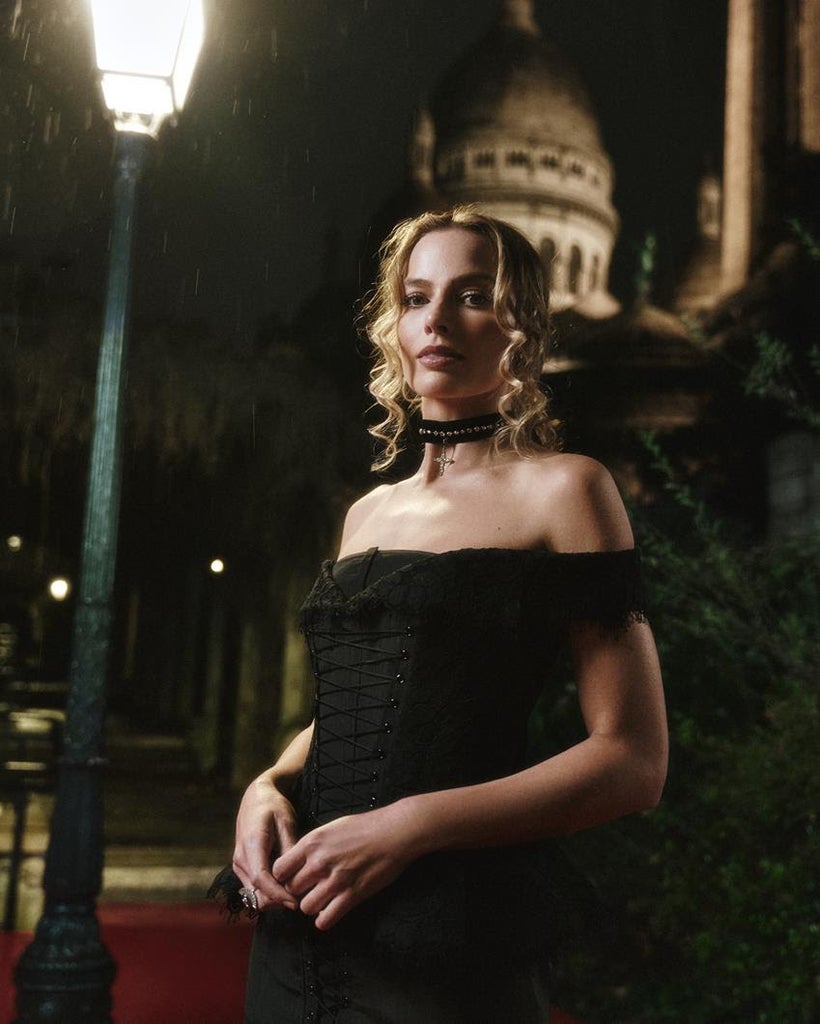
When Kravitz, who is the ultimate arbiter of effortless, downtown cool, signed on as the first brand ambassador in 2024, it cemented the brand’s position at the intersection of high fashion and street style.
Following a successful American debut with a townhouse on New York’s Madison Avenue, McCormack is doubling down on Southern California with a standalone Rodeo Drive flagship planned by 2027. So expect lots more Hollywood hits to keep coming.
Jessica McCormack, 3333 Bristol Street, Costa Mesa, Calif.


Forwarded this newsletter?
Subscribe here to get WrapStyle directly every week!
Have a news story for our readers? Please email booth.moore@thewrap.com
Interested in partnership opportunities? Please email Alex.vonBargen@thewrap.com
>
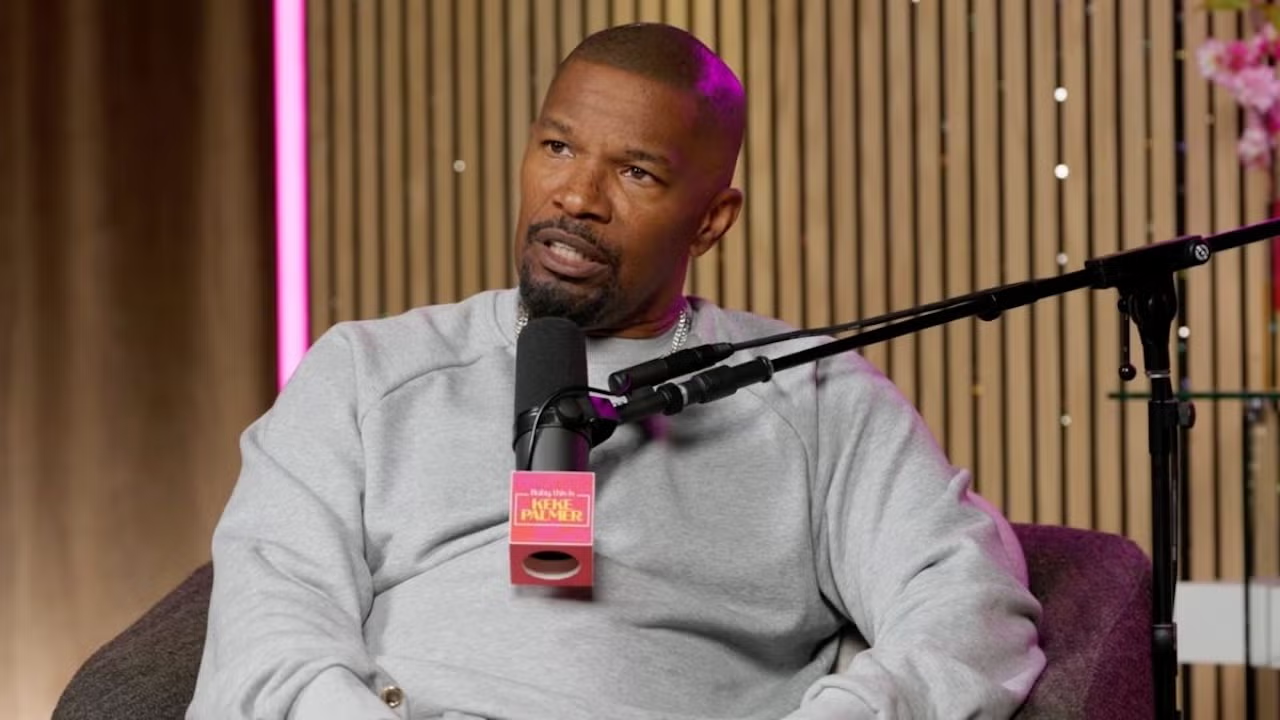
Jamie Foxx admitted he struggled to make sense of his stroke while undergoing physical therapy, calling the whole ordeal “frustrating.”
During a recent appearance on the “Baby, This is Keke Palmer” podcast, the Oscar winner reflected on his health struggle and rehab stay after suffering from a stroke in April 2023.
“Like, I was talking to him,” Foxx recalled while gesturing upwards. “I said, ‘Bro, what are you talking about? It’s me, bro. Like I put the smiles on people’s faces. Why me?’”
Foxx shared that he remembered feeling frustrated that he was struggling while there were “all these bad people out here.”

“And he said, ‘Those bad people already belong to somebody else.’ He said, ‘This is your time.’ And I said, [ugh],” he noted. “You just couldn’t imagine, like when I finally came to my [senses], I said, ‘What happened?’ And they said, ‘You had a stroke.’ I said, ‘What are you talking about?’”
He added: “I couldn’t make sense of it. And the parts I do remember, like the rehab part, was frustrating ’cause … They said, ‘You got a second chance.’ I said, ‘F–k the second chance. What was wrong with my first chance? This doesn’t happen to anybody. How does it happen to me?’”
Per Foxx, his healthcare team struggled to do “wellness checks” on him, given he utilized comedy to cope at the time.
“So, I was just funny. I was always joking all the time,” he said. “So, when they come and say, ‘Who are you today, sir?’ And I was somebody different.”
Specifically, Foxx shared that he pulled out his Dave Chappelle impression to get through the recovery process.
Foxx’s daughter Corinne confirmed this to be true, sharing her dad also said his name was Denzel Washington when he was admitted to the hospital. Foxx then gave host Keke Palmer a taste of his Washington impression.
All jokes aside, Foxx shared that this humor was the only way he “could find myself” throughout the ordeal.
“Because here’s the truth of it: When this all transpired, I went back to meet the 60 nurses that kept me alive,” he noted. Per Foxx, his healthcare team told him that his recovery was “a miracle,” adding, “It makes you want to go get it.”
Watch Foxx’s comments above.
The “Ray” star previously opened up about his health crisis in his 2024 Netflix comedy special, titled “What Had Happened Was.”
“Before I could get the Aspirin, I went out,” he said in the special. “I don’t remember 20 days, what I was told … was that they [took] me in to operate on me and my sister knelt down outside the operating room and prayed the whole time.”
Prior to this tell-all special, Foxx had shared a video update on Instagram, where he told fans: “I went to hell and back … And my road to recovery had some potholes as well. But I’m coming back. And I’m able to work.”
>


On Friday nights, IndieWire After Dark honors fringe cinema in the streaming age with midnight movies from any moment in film history.
First, the BAIT: a weird genre pick, and why we’re exploring its specific niche right now. Then, the BITE: a spoiler-filled answer to the all-important question, “Is this old cult film actually worth recommending?”
The Bait: What Happened to Westwood?
“They closed the movie because they don’t want Black people in Westwood.” That was 18-year-old Ava DuVernay speaking to the L.A. Times in March 1991.
Then a UCLA student, she had just watched hundreds of people tear through Westwood Village after being turned away from an opening-night screening of Mario Van Peebles’ “New Jack City.” Before the riot broke out, the theater was accused of overselling tickets.


Screened at the since-demolished Mann Westwood Fourplex on Gayley Avenue — just one block from where the Directors Village and Bruin Theatre stand now — the New York City crime thriller features swaggering performances from Wesley Snipes, Ice-T, Allen Payne, Chris Rock, Judd Nelson, and Van Peebles himself. Not to mention, needle drops from 2 Live Crew and Color Me Badd running alongside some of the most gloriously heightened gangster theatrics of the early ’90s.

Westwood was the perfect place for “New Jack City” to screen, and the Village was routinely compared to New York’s Times Square in terms of popularity back then. But the theater ultimately turned hundreds of frustrated moviegoers away, and escalating police response and racial tensions already simmering in Los Angeles resulted in chaos that night.
At the height of the roughly two-and-a-half-hour melee that followed, as many as 1,500 people surged through Westwood Village, smashing windows, looting stores, and vandalizing cars. A hundred cops responded, 21 shops were damaged, and nine people were arrested. In the aftermath, “New Jack City” was painted as something much more dangerous than a movie.
Mann Theaters pulled Van Peebles’ film from its programming, and going forward, local Westwood theater operators agreed to warn police when they were going to show potentially “dangerous” titles: an agreement many saw as the businesses and their community leaders effectively promising to alert authorities about minority-made films.
“They’re using [‘New Jack City’] as an excuse,” DuVernay said of the city’s response then. “They’re afraid this place is attracting too many Black people, basically.”

Years away from making history with “Selma” as the first (and to this day only) Black woman to direct a Best Picture-nominated movie, DuVernay was already witnessing and speaking out about a much bigger crisis than the “New Jack City” incident.
Five days earlier, on March 3, 1991, LAPD officers had beaten 25-year-old Rodney King after a traffic stop roughly 20 miles away in the San Fernando Valley neighborhood of Lake View Terrace.
A precursor to bodycam footage, the assault was captured on videotape by George Holliday, a Los Angeles plumber who recorded the incident on a Sony camcorder from his second-floor apartment balcony. The footage was later broadcast around the country, sparking a national debate about police brutality and racism in the U.S.
The City of Angels had not yet reached the most explosive riots associated with the Rodney King case, which came after four LAPD officers were acquitted of assault by a white judge in a Simi Valley court. (Notably, two of the LAPD defendants were later convicted of violating King’s civil rights in Los Angeles federal court and went to prison.)
But the fuse was already burning thanks to preexisting tensions involving not just the predominantly white police force but also tensions between Black and Korean people. The seismic event known as the Los Angeles riots occurred from April 29 to May 4, 1992. The unrest left 63 people dead, injured roughly 2,000 more, and caused about $1 billion in property damage, according to concurrent reporting by the Los Angeles Times.
The strain underlying that conflict had been wearing on Westwood specifically for years. In 1988, 27-year-old Japanese American graphic artist Karen Toshima was killed by a stray bullet during a gang confrontation on Broxton Avenue, shocking Angelenos who had treated gun violence as a problem largely confined to poor parts of the city.
Toshima’s death prompted a huge public response and more policing in Westwood, while the media coverage itself fueled anger that comparable killings in South and East L.A. had received demonstrably less attention.

Three years later, on March 16, 1991, another killing fell along a similar racial fault line.
Just eight days after the “New Jack City” riot, a 15-year-old Black girl named Latasha Harlins entered a South Los Angeles convenience store to buy a bottle of orange juice. Korean shopkeeper Soon Ja Du accused Harlins of stealing it, and after a physical confrontation, shot Harlins in the back of the head as she turned to leave. The shooting was recorded on the store’s security camera footage. That killing, and Du’s later probation sentence requiring no prison time, was a key turning point before the 1992 uprising.
Still, some blamed Westwood’s decline on “New Jack City.”
The contradiction was obvious: How could a movie the majority of rioters didn’t get to see possibly be responsible for inspiring vandalism and violence? Westwood’s inability to resolve that question at the time reflected a much bigger problem — and ultimately helped dismantle one of the things that made Westwood Village remarkable in the first place.

At its peak, Westwood was one of the rare places where Angelenos who otherwise lived separately encountered each other in a jovial setting. UCLA students poured in from campus, while wealthy Westsiders shared sidewalks with moviegoers and shoppers who visited from all over the city. Major premieres, midnight screenings, restaurant openings, record store concerts, and more turned those few blocks into a sacred town square.
No single riot emptied Westwood. Competition from other commercial districts, the broader decline of the theatrical market, and traffic and parking headaches all played their parts. And though one could reasonably blame what happened on the night of March 8, 1991, on the Mann Westwood Fourplex, which also canceled the film’s planned screenings that weekend (that place is a Whole Foods now, by the way), “New Jack City” did not do this.

Three decades removed, Westwood is still a cinematic ghost town that passionate film lovers are trying to revive. It’s tempting to romanticize what the area used to be, but its history was never uncomplicated. In fact, its tendency to become chaotic and contentious is precisely what makes the memory of it so exciting to preserve — and important to protect.
In March 1991, the Village had 10 movie theaters. Today, there are four.
To remember what catching a flick in Westwood actually felt like, I’m kicking things over to my buddy Jim Hemphill, who interviewed Van Peebles about “New Jack City” last year and was a Westwood regular during its glory days.
Jim is also sick and just got back from London, where he was interviewing Ridley Scott about “The Dog Stars,” so everybody please be kind to him… and each other. (Note: The above history was heavily informed by John Ridley’s 2017 documentary “Let It Fall: Los Angeles 1982-1992.” Watch that, too.) —Alison Foreman
The Bite: “New Jack City” Still Totally Rocks
I wish I could have seen “New Jack City” in Westwood, but when it opened in 1991 I was still a dewy-eyed young film student in Chicago and thus had to settle for the Burnham Plaza multiplex as my venue of choice. (Just so those of us in Chicago didn’t feel too left out of the Westwood chaos, there was a shooting at Burnham on opening night, but I was on my way home from the theater by the time that went down.)
Whether you saw “New Jack City” on the big screen when it came out or caught up with it at home or in a revival theater later, the movie was and is an all-time banger: an exuberant blend of visceral action-movie thrills and righteous sociopolitical rage. Mario Van Peebles would go on to make equally great, if not better, movies (his “Baadasssss” remains the single greatest film about filmmaking ever made), but he never made one with more kinetic flair.

As for Westwood… sigh. Film historian Thomas Schatz just published a book called “Power Surge” that argues for the 1990s and early 2000s as a golden age for American movies, and I count myself lucky to have lived through that era in close proximity to the greatest film viewing hub in the country right before it disappeared. There’s no way to describe the excitement that came with discovering great movies in the palaces that adorned Westwood’s corners. Seeing “Boogie Nights” at the National and the two “Kill Bill” flicks six months apart at the Village remain three of the all-time great moviegoing experiences of my life.
I laughed when recently listening to an episode of Matt Belloni’s “The Town” podcast where, in a discussion about IMAX screenings, Belloni’s young producer Craig made the assumption that before IMAX it didn’t really matter what screen you saw a movie on — that all theaters were the same. Poor Craig clearly wasn’t alive in the era when we SoCal cinephiles would wait with bated breath for the L.A. Weekly to come out so we could see if our prayers had been answered and the latest Scorsese, Eastwood, Bigelow, or Singleton movie was opening on one of the big Westwood screens, or if we’d have to mope at a multiplex like the Galaxy or the Beverly Connection.

I still remember the orgasmic excitement I felt when seeing that I’d be able to catch Coppola’s “The Rainmaker” at the National — and the crushing disappointment of Spike Lee’s “Clockers” dropping at AMC Century City. But it wasn’t just the size of Westwood’s screens or the decibels of its sound systems (though both were important); it was that sense of community Ali describes. Going to Westwood on a weekend to see a movie meant you were hanging out with Angelenos of all ages and from a diverse array of backgrounds, and you were all there for one thing: to see a great movie and maybe have a drink or dinner afterward to talk about it.
The American Cinematheque reviving the Village is a step in the right direction, especially given their superb programming (which, incidentally, included a rip-roaring screening of “New Jack City” a while back). But it’s doubtful the neighborhood will ever return to its glory days, if for no other reason than that some of its most glorious venues were long ago demolished. (The Mann Festival is now an indoor rock-climbing facility — is nothing sacred?!) Still, I’ll take what I can get, and hope that reopening the Village is only the beginning. —Jim Hemphill
Read more installments of After Dark, IndieWire’s midnight movie club:
>

Bill Maher acknowledged Dolly Parton’s passing on “Real Time” Friday night but suggested more important news may have been overshadowed by the country singer’s death.
The comedian opened his Friday night monologue by commenting on Parton’s death at the age of 80, telling his studio audience, “Thank you for being in a good mood. We did have a tough week, Dolly Parton died, there was horrible flooding in Nepal and I found out today that Canada has been treating me very badly.”
As Maher continued on, he addressed Donald Trump’s trade war with Canada, urging the “Real Time” viewers up north that they were “still cool” despite the president’s tariffs. Maher then spent the next several minutes mocking Trump’s decision to rename Lake Ontario to Lake America, as well as the ongoing war in Iran.
Elsewhere in the monologue, Maher highlighted the many important anniversaries worth noting, including the 25th anniversary of the 9/11 attacks. Here’s where Maher made a subtle dig at the global mourning for Parton.
“All this is going on and all America could really talk about this week was how sad it is that we lost Dolly Parton,” he told his audience. “Everybody around the country, even around the world — London they’re doing things. The Santa Monica Ferris wheel is lit up with hearts. The Empire State Building was put up in pink. The Sphere in Las Vegas added a nipple.”
This comment appeared to please Maher’s studio audience, however. As the comedian fought back a chuckle, his crowd broke out into a round of applause and cheers.
And that was it from Maher about Parton, moving on to other news: Meta’s $18 billion settlement over teen social media addiction and harm. Maher compared this situation to Big Tobacco targeting children, though he had some thoughts about some of the points in the settlement.
“So, there are new rules. If you’re under 18, no Facebook and no Instagram between midnight and 6 a.m.,” he said. “And the kids will be exclusively on Pornhub. So, progress comes in small steps.”
Watch Maher’s monologue below.
Parton passed away at the age of 80 on Tuesday following a brief battle with cancer, her team confirmed.
“Our beloved Dolly Parton spent her life and career bringing joy, laughter, hope and integrity into everything she touched,” Parton’s reps wrote. “Her unmatched generosity reached the lives of countless people whom she would never meet, yet she was always there to offer a helping hand.”
Their statement continued: “Whether it be the hundreds of millions of books donated through her invaluable Imagination Library or funding research that helped create a lifesaving vaccine used around the world, Dolly’s unconditional love for all people was the guiding force for her lasting impact. After bravely facing a brief battle with cancer, Dolly departed her Earthly life today at the Vanderbilt-Ingram Cancer Center surrounded by loved ones.”
Parton, who was best known for hits “I Will Always Love You,” “9 to 5” and “Jolene,” as well as her acting career and philanthropic efforts, was mourned by many, with the likes of Taylor Swift, Beyoncé, Jeff Bezos, Carol Burnett, Jane Fonda, Lily Tomlin, Eminem, Bill Clinton and Tim Cook all paying tribute to her.
>

Let's be brave about being in Premier League – Coventry's Lampard

Super League: Leeds Rhinos return to the top of the league with win at St Helens as Huddersfield and Catalans also triumph | Rugby League News

US Open 2026: Order of Play and match schedule for Arthur Ashe Stadium, Louis Armstrong Stadium and more | Tennis News
-

 movies3 months ago
Search For Canadian TV Actor Stewart McLean Now Homicide Investigation
-

 Fashion9 years ago
These ’90s fashion trends are making a comeback in 2017
-
Fashion9 years ago
According to Dior Couture, this taboo fashion accessory is back
-
Fashion9 years ago
Model Jocelyn Chew’s Instagram is the best vacation you’ve ever had
-
Fashion9 years ago
Emily Ratajkowski channels back-to-school style
-
Fashion9 years ago
9 Celebrities who have spoken out about being photoshopped
-
Fashion9 years ago
Your comprehensive guide to this fall’s biggest trends
-

 Anime3 months ago
Rurouni Kenshin: Hokkaido Arc Manga Takes 1-Issue Break – News