
Entertainment
White House Email Demanding Staffers Not Leak to Press Leaked to Press


An email from Susie Wiles ordering White House staff to stop leaking to the press was … leaked … on Friday, when Politico’s West Wing Playbook published the March memo.
In it, Wiles sternly states that “no staff member within the Executive Office of the President is permitted to speak with members of the news media without the explicit approval of the White House Communications Office. Unauthorized leaks will not be tolerated and are subject to sanction up to and including termination.”
Donald Trump’s handpicked top aide also appealed to staffers’ sense of the greater good.
“Violation of this policy can result in significant disruption to ongoing operations and can potentially endanger missions and activities of national significance,” she concluded.
Wiles has been working to tighten operational discipline across the administration. White House spokesperson Liz Huston defended the email to Politico, and said staff are subject to “a zero-tolerance policy against speaking to the media without explicit authorization.”
The push comes as Secretary of War Pete Hegseth has crossed swords with the press, pushing many outlets to leave legacy seats at the Pentagon, and Donald Trump continues to bash individual reporters and networks on a regular basis.
As the Trump administration continues to slam Vanity Fair’s framing and context of its interviews with White House Chief of Staff Susie Wiles, “The View” hosts are looking at the feature a bit differently. To the ABC hosts’ eyes, Wiles was actually incredibly intentional with what she said.
Wiles wrote the memo just a few months after her own interviews with Vanity Fair, in which she said the president has the personality of an alcoholic, called JD Vance’s pivot to Trump acolyte politically motivated, called Elon Musk an “avowed” ketamine user.

>
>
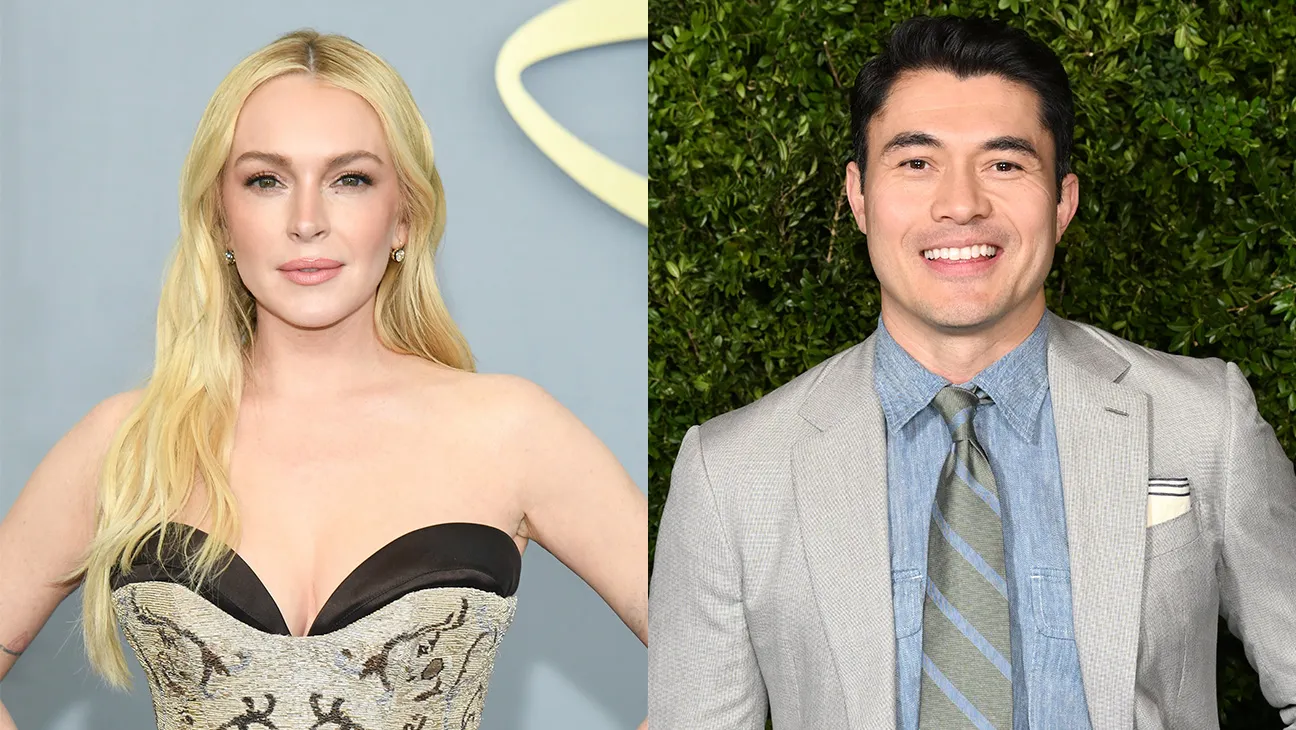
For her next lead role, Lindsay Lohan is embracing nostalgia with a very important DVD.
Lohan and Henry Golding are set to star in the Netflix romantic feature Return to You. Lohan also serves as a producer for the film that Mark Waters will direct from a script by Eric Champnella.
Set in 2008, Return to You stars Lohan as a high-powered but lonely attorney who mistakenly receives a heartfelt DVD from a dying woman to her husband. Lohan’s character uses clues from the recording to attempt to track down the husband.
Lohan and Brad Krevoy serve as producers for the movie that counts Olivia Krevoy, Jimmy Townsend and Galen Fletcher as executive producers.
For Lohan, Return to You marks a reunion with Waters, her director on two hit films — 2003’s Freaky Friday and 2004’s Mean Girls — that helped propel her to Hollywood stardom. Lohan reprised her role as Freaky Friday’s Anna Coleman in 2025 sequel Freakier Friday opposite co-star Jamie Lee Curtis, but that feature had Nisha Ganatra in the director’s chair.
Waters’ recent projects include last year’s Netflix romantic comedy La Dolce Villa and the forthcoming biopic Hershey.
Lohan can soon be seen starring on the Hulu series Count My Lies, alongside Shailene Woodley and Kit Harington. Golding is set to star with Brie Larson and Lily Collins in the Amazon MGM Studios comedy Close Personal Friends.
During a recent cover story for Vogue Arabia, Lohan discussed having become more vocal throughout her career. “With age comes a different kind of confidence,” she said. “When I was younger, I wasn’t so comfortable saying how I felt about a character and being involved with the process of it. And I love that part now.”
>
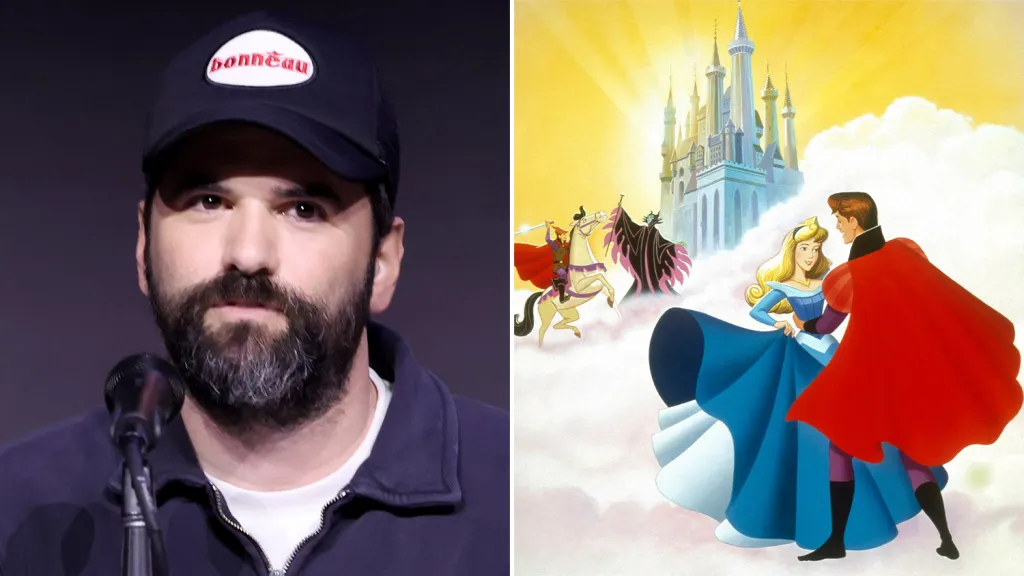
EXCLUSIVE: After breathing new life into the Predator franchise at 20th Century, Dan Trachtenberg and Disney have found their next property to give a fresh spin on. Sources tell Deadline the Prey director is coming on to direct an original idea inspired by the classic Disney tale Sleeping Beauty. The untitled project is in early development and is inspired by the classic fairy tale, taking the story in an entirely new direction with Trachtenberg’s distinct sensibility.
While plot details are being kept under wraps, Insiders add that this take has no connection to the Maleficent films starring Angelina Jolie. Trachtenberg and Raya McClendon came up with the story with Alex Anfanger and Dan Schimpf penning the script.
Trachtenberg and his long time producing partner Ben Rosenblatt will produce as will Star Wars producer Michelle Rejwan. EVP of production Jessica Virtue is overseeing the project with Creative Executive Alina Mota, reporting to Disney Live Action President Daria Cercek.
Trachtenberg and Disney have strong ties after he successfully helped relaunch the Predator franchise with his hit Prey, that was not only a massive success on Hulu but also heard strong critical prase as well landing an Emmy nomination for best TV movie. He followed that up with the Predator: Badlands as well as the animated Predator pic Predator: Killer of Killers for Hulu, which also has a 94% score on Rotten Tomatoes; all three of Dan’s entries hold the record for highest rated on Rotten Tomatoes in the Predator franchise.
He is currently in pre-production on a top secret pic at Paramount.
Anfanger and Schimp are the co-creators of the Comedy Central series Big Time In Hollywood, FL.
Trachtenberg is repped by CAA, Untitled Entertainment and Johnson Shapiro Slewett and Kole, Anfanger and Schimp are repped by Mosaic, CAA, and Ginsburg Daniels Kallis.
>
J.J. McCarthy trade grades: Did Vikings capitalize on Giants' desperation?

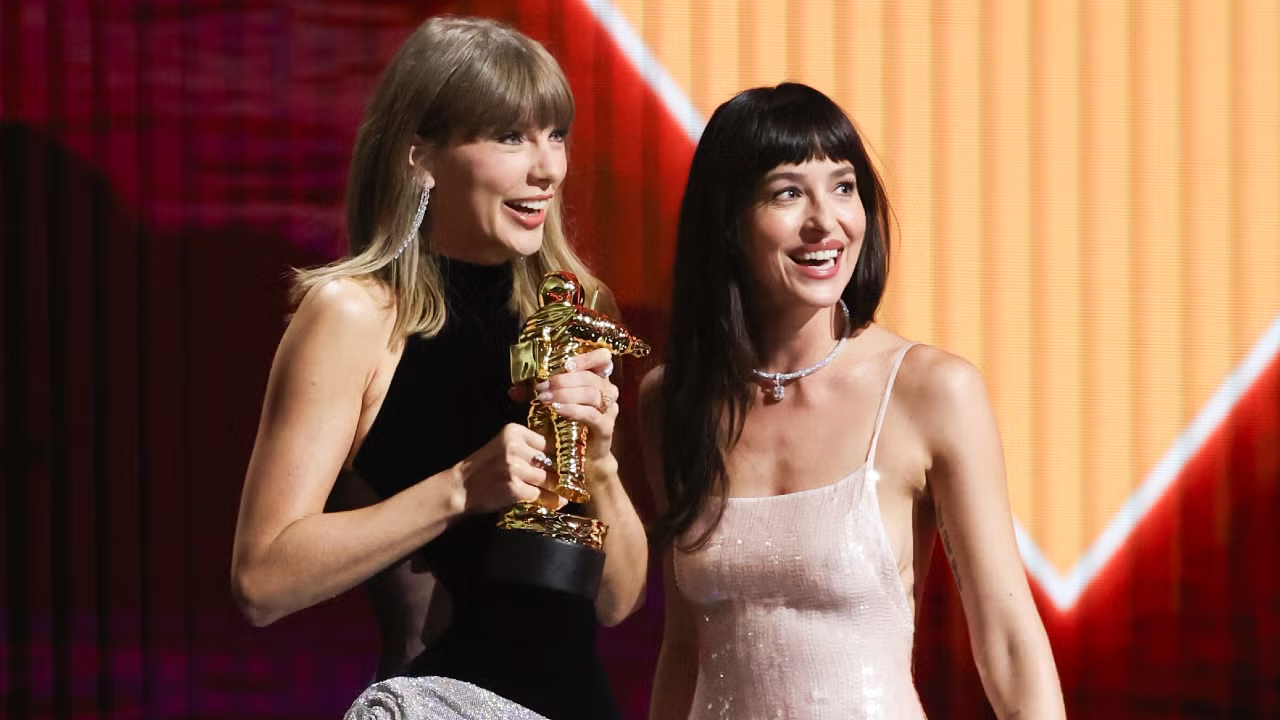
VMAs Behind the Scenes: Taylor Swift, Dakota Johnson and ‘Off Campus’ Love

Lindsay Lohan, Henry Golding to Star in Netflix Movie Return to You
-

 movies4 months ago
Search For Canadian TV Actor Stewart McLean Now Homicide Investigation
-

 Fashion9 years ago
These ’90s fashion trends are making a comeback in 2017
-
Fashion9 years ago
According to Dior Couture, this taboo fashion accessory is back
-
Fashion9 years ago
Model Jocelyn Chew’s Instagram is the best vacation you’ve ever had
-
Fashion9 years ago
Emily Ratajkowski channels back-to-school style
-
Fashion9 years ago
9 Celebrities who have spoken out about being photoshopped
-

 Anime4 months ago
Rurouni Kenshin: Hokkaido Arc Manga Takes 1-Issue Break – News
-

 Anime3 months ago
HIDIVE to Stream English Dubs for The World Is Dancing, The Forsaken Saintess and Her Foodie Roadtrip in Another World, The Dangers in My Heart: The Movie Anime – News