
Anime
Happy Maid Day From Around the Anime World, Part I – Interest


Japan marks May 10 as an unofficial holiday, Maid Day. A wordplay on “May” and the number 10 being pronounced as “do” in Japanese, Maid Day has gained some traction among Japanese people in recent years. Here’s to all our favorite maids in the anime and manga worlds:
Akira Failing in Love
メイドの日。 pic.twitter.com/KNSTDGiM4V
— 『百瀬アキラの初恋破綻中。』公式 (@momose_hatanchu) May 10, 2026
Maid Day.
Alya Sometimes Hides Her Feelings in Russian
🫖メイドビジュアル公開🫖
TVアニメ『時々ボソッとロシア語でデレる隣のアーリャさん』
本日5月10日は #メイドの日🤵♀️🫖アーリャと有希のメイドビジュアルをお届け✨
ぜひ素敵な1日をお過ごしください!▼デジコン配布▼https://t.co/gIHZREc1GA#ロシデレ pic.twitter.com/DTXi5kTO8n
— 『時々ボソッとロシア語でデレる隣のアーリャさん』公式 (@roshidere) May 10, 2026
🫖Maid Visuals Released🫖
Alya Sometimes Hides Her Feelings in Russian
Today, May 10, is Maid Day🤵♀️🫖
Maid visuals of Alya and Yuki are here✨
We hope you have a wonderful day!
🫖メイドビジュアルデジコン🫖
TVアニメ『時々ボソッとロシア語でデレる隣のアーリャさん』
本日5月10日は #メイドの日🤵♀️🫖メイドビジュアル アーリャver
のデジコンをプレゼント🤍 ✨#ロシデレ pic.twitter.com/qLfA3GmIDv— 『時々ボソッとロシア語でデレる隣のアーリャさん』公式 (@roshidere) May 10, 2026
🫖Maid Visual Digital Card🫖
Alya Sometimes Hides Her Feelings in Russian
Today, May 10, is Maid Day🤵♀️🫖
We’re giving away a digital card featuring the maid visual Aria Ver.🤍 ✨
🫖メイドビジュアルデジコン🫖
TVアニメ『時々ボソッとロシア語でデレる隣のアーリャさん』
本日5月10日は #メイドの日🤵♀️🫖メイドビジュアル 有希ver
のデジコンをプレゼント🖤✨#ロシデレ pic.twitter.com/PGm4noNkCP— 『時々ボソッとロシア語でデレる隣のアーリャさん』公式 (@roshidere) May 10, 2026
🫖Maid Visual Digital Card🫖
Alya Sometimes Hides Her Feelings in Russian
Today, May 10, is Maid Day🤵♀️🫖
We’re giving away a digital card featuring the maid visual Yuki Ver.🤍 ✨
Frieren: Beyond Journey’s End
メイドの日 pic.twitter.com/bbgTdq2UyV
— 『葬送のフリーレン』公式 (@FRIEREN_PR) May 10, 2026
Maid Day
Google Play Japan
今日は #メイドの日 ですね
ピース、ピース。✌✌#ブルアカ のメイドといえば
チビメイ…ではなくて
約束された勝利の象徴・ネルが率いるC&C!いろいろな場面を救ってきた
5 人の活躍には今後も目が離せませんね生徒たちに暇な時間ができないように
▼今すぐログイン!https://t.co/5gpDDi2glb pic.twitter.com/1W4Hhs8DsK— Google Play JP (@GooglePlayJP) May 10, 2026
Today is Maid Day
Peace, peace✌✌
When it comes to maids in Blue Archive, it’s Chibi Mei… but rather C&C, led by Neru, the symbol of certain victory!
We won’t be able to take our eyes off these five heroes, who have saved the day time and time again.
Making sure the students never have free time.
Hero’s Web
5月10日は「#メイドの日」です。#ぱんだにあ 先生の『#ねこのおしごと』では、ねこのメイドさんが活躍しています。
コミックスのご購入はこちら︎▶︎https://t.co/eE03oPfRiK pic.twitter.com/X3eG6aTTNu— HERO’S Web (@heros_1101) May 10, 2026
May 10 is Maid Day.
A cat maid is hard at work in Pandaia’s Neko no Oshigoto.
Yūki Hirose
#メイドの日 pic.twitter.com/ochyqrlU2I
— 広瀬ゆうき (@hiroseyuuki) May 10, 2026
Maid Day
Tomori Kanakogi (Nora Tabi. Suki Aru Tokoro ni Michi wa Aru)
描きたくなっちゃったrkgk#メイドの日 #のら旅 pic.twitter.com/Z6D0FFN4IJ
— 鹿子木灯🐱 (@kanakogi_tomori) May 10, 2026
A quick sketch I felt like drawing
Maedakun (Puniru is a Kawaii Slime)
メイドの日と母の日が重なることあるんだ #ぷにるはかわいいスライム #ぷにかわ pic.twitter.com/rjdnD004bU
— まえだくん ぷにる単行本10巻1/28発売 (漫画家) (@maedakun_PR) May 10, 2026
So it’s possible for Maid Day and Mother’s Day to fall on the same day
Kamome Maruyono (Dokagui Daisuki! Mochizuki-san)
\#もちづきさんコラボカフェ 2026/
キービジュアル描き下ろしイラストご紹介💥💥
━━━━━━━━━━━━━━━━
その①メイド姿もちづきさん☕️
━━━━━━━━━━━━━━━━東京開催ご予約は
《5/14(木)19時》より開始です😋🍚✨
👇https://t.co/vmdnT2PkcA#メイドの日 https://t.co/xAJnHYae0f pic.twitter.com/Xqa1fKRGCd— ドカ食いダイスキ! もちづきさん公式 (@dokaguidaisuki) May 10, 2026
\Mochizuki-san Collaboratio Café 2026/
Introducing an original key visual illustration💥💥
━━━━━━━━━━━━━━━━
Part ①: Mochizuki-san in a maid outfit☕️
━━━━━━━━━━━━━━━━
Reservations for the Tokyo event open on Thursday, May 14, at 7:00 PM😋🍚✨
Maid Day
Momoco (Alya Sometimes Hides Her Feelings in Russian illustrator)
#メイドの日 pic.twitter.com/gLxo2PKkPy
— ももこ (@momoco_haru) May 10, 2026
Maid Day
Iori Nomizu
5月(May)10日(十)で、今日はメイドの日ですって!そんな語呂合わせ😂
古のバイト時代と、芸能活動20周年記念イベントの時のお写真たち。 pic.twitter.com/dq4SiUZupg— 野水伊織 (@nomizuiori) May 10, 2026
Apparently, today is “Maid Day” because the May 10 (do)! How punny😂
Here’s some photos from my days working part-time and from my 20th-anniversary event in the entertainment industry.
Masami Ōbari
今年もこの日が来ましたか🤖✨
一年早いですね‥#メイドの日#メイドの日2026#ブレバン #ブレイバーン pic.twitter.com/lWOohIL1o9— 大張正己 /Masami Obari (@G1_BARI) May 10, 2026
This day has come around again, hasn’t it? 🤖✨
How time flies…
Sound! Euphonium
🎀 #メイドの日 🎀#ユーフォ最終楽章 前編 大ヒット上映中🎬 pic.twitter.com/7aDocJxioU
— アニメ「響け!ユーフォニアム」公式 (@anime_eupho) May 10, 2026
🎀Maid Day🎀
Sound! Euphonium, The Final Movie Part 1 in theaters now🎬
Kazutoshi Soyama (Dangerous Jii-san Ja)
メイドの日 pic.twitter.com/7oTnV6K5L9
— 曽山一寿 (@soyamanga) May 10, 2026
Maid Day
Comic: Panel 1: Welcome to the Principal’s Collaboration café.
Panel 2: Door: Toilet
SLAM
Panel 3: Right! Time to go home!!
Tannen ni Hakkō (Kono Healer, Mendokusai)
Tannen ni Hakkō posted a page from Kono Healer, Mendokusai chapter 75.
#メイドの日 pic.twitter.com/qukKwqBf1V
— 丹念に発酵 (@tannen_h) May 10, 2026
Maid Day
Tapioca (Ura areu Girl ni Ore dake Shitteru Suki ga Aru illustrator)
#メイドの日 pic.twitter.com/HIbPiqtdaH
— たぴおか◉🧋電撃文庫「うらがーる」発売中! (@OekakiTapioka) May 10, 2026
Maid Day
The Food Diary of Miss Maid
🎉メイドの日記念🎉
「働くメイドと食べるメイド」アニメコラボイラスト公開🤩橘スズメ と メロディ・ウェーブ がお互いの”らしい”アイテムを交換した
ここでしか見られないビジュアルに注目です👀 pic.twitter.com/EYffRHxX7M— メイドさんは食べるだけ【公式】🎉最新⑤巻絶賛発売中🎉2026年4月よりアニメ好評放送中 (@lovetoeat_maid) May 10, 2026
The Food Diary of Miss Maid × Heroine? Saint? No, I’m an All-Works Maid (And Proud of It)!
🎉Maid Day Celebration🎉
“Working Maid and Eating Maid” anime collaboration illustration released🤩
Suzume Tachibana and Melody Wave have swapped items that are “typical” of themselves.
Don’t miss this exclusive visual👀
Sirou Tunasima (Jinrōki Winvurga)
#メイドの日 pic.twitter.com/XTIxnxVzdF
— 綱島志朗 人狼機ウィンヴルガ「叛逆篇」第5巻 2026/5/20発売決定! (@k2batto) May 10, 2026
Maid Day
Sumire Uesaka
メイドの日〜〜〜〜〜!!!(すみぺ) https://t.co/EAB1jqwNVG
— 上坂すみれ_official (@uesaka_official) May 10, 2026
Maid Day! (Sumipe)
Yura Urushibara (Tougen Anki: Legend of the Cursed Blood)
#メイドの日
毎年同じイラストになっちゃいますがメイドの日なので。
そろそろ新しいメイドを描くか… pic.twitter.com/tafmUsQLqb— 『桃源暗鬼』漆原侑来 (@tougenanki) May 10, 2026
Maid Day
I end up using the same illustration every year, but it is Maid Day after all.
Maybe I should draw new maids soon…
Did we miss any Maid Day greetings? Feel free to let us know in our forums or by email!
>
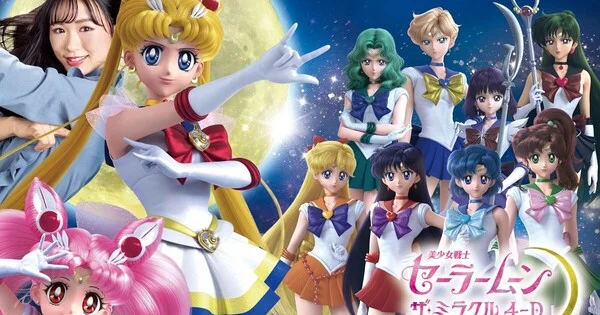
The Universal Studios Japan theme park announced on Wednesday that it is collaborating with the Sailor Moon franchise for its Universal Cool Japan campaign next year. Universal Cool Japan is the park’s annual series of limited-time attractions and other promotions themed around anime, manga, games, and similar pop culture icons. The Sailor Moon collaboration is the first one announced for the 2027 incarnation.

© Naoko Takeuchi TM & © 2026 Universal Studios.
The collaboration will introduce a new “Bishōjo Senshi Sailor Moon x Story Ride” attraction with more details to be announced at a later date. The collaboration will also bring back the “Pretty Guardian Sailor Moon the Miracle: Moon Place Chapter Deluxe” original manga/CG anime short, which debuted during Universal Cool Japan 2019. An updated “Deluxe” edition of the short played at the park in 2022, and the short then played at Universal Studios Hollywood in California during the Fan Fest Night event from April 25 to May 16 earlier this year.
The Universal Cool Japan 2027’s Sailor Moon collaboration will also include themed food and merchandise.
The Sailor Moon franchise has previously collaborated with Universal Studios Japan in 2018, 2019, and 2022.
Sources: Universal Studios Japan, Comic Natalie
>
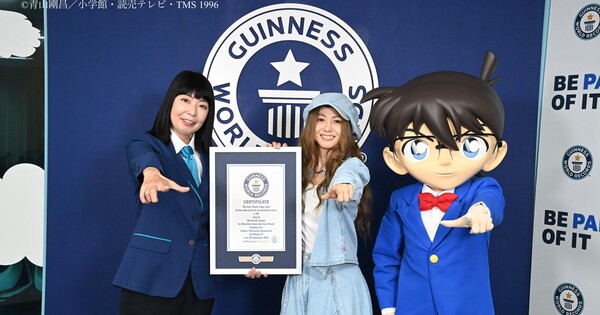
Japanese pop and R&B singer Mai Kuraki and the long-running Detective Conan anime series announced on Sunday that Kuraki has broken her own Guinness World Record for Most Theme Songs in a Single Anime Series. She achieved the milestone with her latest song “Ai de Zenbu Dakishimete Aishite” (Hold and Love Me with Your Love), the 76th Detective Conan ending song which debuted in the latest episode on Saturday. The singer added that she has completed her career’s “30 YEARS × 30 SONGS” with the theme song.

©青山剛昌/小学館・読売テレビ・TMS1996
The franchise is streaming the clean ending sequence featuring “Ai de Zenbu Dakishimete Aishite”:
Kuraki also announced that the song will launch digitally as a single on October 10. Kuraki will then release the Kuraki Mai x Meitantei Conan Collaboration Best 30 -Kimi ga Itekratakara, Uta ga Aru- (Mai Kuraki x Detective Conan Collaboration Best 30 -Because You Were There, There Are Songs-) album on November 11 in limited and regular editions. The limited and regular editions will sell for 5,940 yen and 4,290 yen, respectively (about US$38 and US$27).
Kuraki joined the Detective Conan family for the series’ ninth ending theme song, “Secret of my heart,” in 2009. The singer has continued to offer her voice to the series ever since, and Kuraki first received the Guinness World Record for Most Theme Songs in a Single Anime Series in 2017 with 21 songs.
The series centers on Conan Edogawa, the alias of detective Shinichi Kudo, whose body shrunk after being poisoned at the beginning of the story. Together with detective Kogoro Mori and his daughter Ran, Conan helps the police solve difficult mysteries.
The Detective Conan television anime premiered on January 8, 1996, and celebrated its 30th anniversary on January 8, 2026. Crunchyroll has been streaming the anime as it airs since the 754th episode in 2014. Netflix and Crunchyroll are also streaming specially curated selections of episodes, including some that were never released in the United States.
Gōshō Aoyama launched the original manga in Shogakukan‘s Weekly Shounen Sunday magazine in 1994. Viz Media publishes the manga under the name Case Closed, Funimation‘s original localized title. The English manga release uses the same English names from the original Funimation dub when applicable, and it uses the original Japanese names otherwise.
Sources: Mai Kuraki‘s X/Twitter account (link 2 and website, link 3), Detective Conan series’ X/Twitter account and YouTube channel, Guiness World Records via Comic Natalie, Mainichi Shimbun’s Mantan Web
>

Kadokawa unveiled more details about its partnership with Marvel Comics on Wednesday, including more concept art and some story details for their upcoming Spider-Man and Spider-Gwen manga.
Tokitokoro (Jeff the Land Shark) is working on Spider-Man. News outlet Bleeding Cool reported in July that the work would be titled Spider-Man of Shibuya, although Kadokawa said on Wednesday that the Japanese title is still to be determined. The story centers on Haruto Hachidori, a high schooler in Shibuya who suddenly gains the powers of a spider. Now he swings freely through the skyline of Shibuya, not knowing that a dark presence lurks beneath the city.


Ryūsei Yamada (Revenger manga adaptation, Disney Twisted-Wonderland: The Manga—Anthology) is working on Spider-Gwen (whose manga’s Japanese title is to be determined). The story follows Gwen Stacy, a normal high schooler and drummer in the band “Mary Janes.” One day, she is bitten by a radioactive spider, giving her superhuman powers. She chooses to protect the city using her powers under the alter-ego of Spider-Woman, but tough choices and conflicts await her.


Kadokawa also revealed the below concept art for Daredevil and Punisher.


The works will debut in Kadokawa‘s KadoComi service before the end of the year. Bleeding Cool stated in July that the collaboration will include “five original manga volumes,” and Kadokawa specified on Wednesday that the lineup will have five different titles.
Shueisha announced on July 1 that its contract with Walt Disney Japan to publish manga adaptations of Marvel Comics characters would end on September 30. Shueisha began removing five manga titles — Marvel x Shonen Jump+ Super Collaboration, Secret Reverse, Spider-Man: Octo-Girl, Spider-Man: Kizuna, and Deadpool: Samurai — from digital storefronts gradually from September 28 to 30, and is ceasing the sales of the same manga titles in physical print volumes. All five of these manga have ended their serializations.
Sho-Pro Books’ (Shogakukan-Shueisha Productions) contract to publish Marvel Comics titles in Japanese ended this year on March 31.
Marvel Comics had announced on July 16 that Marvel Editor-in-Chief C.B. Cebulski would move on from the EiC role and become the editor of “Asia Originals” for Marvel. Veteran editor Stephen Wacker is the new Editor-in-Chief.
Source: Press release
Disclosure: Kadokawa World Entertainment (KWE), a wholly owned subsidiary of Kadokawa Corporation, is the majority owner of Anime News Network, LLC. One or more of the companies mentioned in this article are part of the Kadokawa Group of Companies.
>
Sarina Wiegman's England squad shake-up sends a clear message. She picks on form

Universal Studios Japan Offers 1st Sailor Moon Theme Park Ride in 2027 – Interest

OpenAI reportedly in talks to raise $30B round at $1.4T valuation
-

 movies4 months ago
Search For Canadian TV Actor Stewart McLean Now Homicide Investigation
-

 Fashion9 years ago
These ’90s fashion trends are making a comeback in 2017
-
Fashion9 years ago
According to Dior Couture, this taboo fashion accessory is back
-
Fashion9 years ago
Model Jocelyn Chew’s Instagram is the best vacation you’ve ever had
-
Fashion9 years ago
Emily Ratajkowski channels back-to-school style
-
Fashion9 years ago
9 Celebrities who have spoken out about being photoshopped
-

 Anime4 months ago
Rurouni Kenshin: Hokkaido Arc Manga Takes 1-Issue Break – News
-

 Anime3 months ago
HIDIVE to Stream English Dubs for The World Is Dancing, The Forsaken Saintess and Her Foodie Roadtrip in Another World, The Dangers in My Heart: The Movie Anime – News