
Politics
Politics Home Article | How Will A Labour Leadership Contest Work?


Keir Starmer’s rivals are preparing to launch a contest for the Labour leadership (Alamy)

5 min read
A leadership contest to oust Keir Starmer as prime minister looks imminent, with Health Secretary Wes Streeting having resigned and more than 90 MPs having called on Starmer to stand down or set out a timetable for doing so.
Starmer’s rivals are lining up to launch a leadership contest. Streeting has published his letter to Starmer announcing his resignation from the Cabinet, writing that he had “lost confidence in your leadership” and that it would be “dishonourable and unprincipled” to stay in post.
Former deputy Labour leader Angela Rayner has said she had settled her unpaid council tax bill of £40,000, and her allies have briefed that she would be prepared to stand in any leadership contest if needed.
Labour Greater Manchester mayor Andy Burnham – who served as a minister during the Blair and Brown governments – also wants to run as leader, but is currently sitting as a Labour MP and therefore unable to enter the race.
Labour’s ‘soft left’, including senior members of the influential Tribune group of MPs, will push the party’s ruling body to allow for Burnham’s inclusion in a leadership race if one is triggered imminently. But huge questions remain over whether Burnham will be able to find a seat to run in and win a by-election before nominations for a leadership race take place.
So far, Starmer has insisted he will not stand down, saying in a speech on Monday that he will not step down as PM, as he did not want to “plunge the country into chaos”. In an appeal to his own MPs, he said that the governments constantly changing their leadership was “damaging”.
Should Starmer refuse to leave, he is automatically entitled to be on the ballot paper as the sitting Labour leader and current prime minister.
As a leadership challenge looks imminent, how will a contest work, and how long would it take?
The process for a Labour leadership election
There are two main paths to replacing a Labour prime minister, with the process differing significantly from that of the Conservative Party, which held multiple leadership elections during its time in power between 2010 and 2024.
A leadership contest can be triggered by either Starmer resigning or by another Labour MP gaining the support of 80 MPs – or 20 per cent of sitting Labour MPs – to challenge him for the leadership. Before 2021, an MP only needed the support of 10 per cent of the Parliamentary Labour Party to stand.
The candidates then need to win nominations from the Constituency Labour Parties and affiliates. The final stage is an alternative vote – also known as a preferential ballot – where party members and affiliates rank their preferred candidates. Voters only have one vote. Votes are then redistributed by ranking until one candidate receives over 50 per cent of the vote; the candidate that reaches the threshold first wins the leadership contest and becomes Labour leader and prime minister of the United Kingdom.
Labour leadership contests can drag on for months. In practice, a full Labour leadership contest usually takes more than 12 weeks.
The formal process under Labour’s current rules is as follows:
- The leader resigns or is challenged
- Labour’s National Executive Committee (NEC) sets the timetable
- Candidates need nominations from MPs (candidates need to reach the threshold of 81 nominations, 20 per cent of the current Parliamentary Labour Party)
- Candidates then need to win nominations from the Constituency Labour Parties and affiliates
- The third stage is the members and affiliates vote
- The result is announced
The NEC has significant flexibility over the nomination thresholds, the timing of voting ballots, the schedules for hustings and the overall pace of the contest.
How long did previous Labour leadership contests take?
- 2020 Labour Party leadership election (Keir Starmer succeeds Jeremy Corbyn) About 16 weeks from resignation announcement to result or about 13 weeks from formal opening to result
- 2016 Labour Party leadership election (Corbyn challenged by Owen Smith) About 13 weeks from revolt to result
- 2015 Labour Party leadership election (Corbyn elected leader) About 18 weeks. One of Labour’s longest modern contests.
- 2010 Labour Party leadership election (Ed Miliband beats David Miliband) About 19 weeks. Again, very long because it followed a general election defeat and involved a full summer campaign.
The process for a parliamentary by-election
If Burnham is to run in the contest, he would have to be serving as an MP before the initial nominations for a leadership – which currently looks very difficult for the Manchester mayor to achieve.
Polling day for a parliamentary by-election is usually held about 4 to 8 weeks after an MP announces their intention to stand down.
If an MP stands down for Burnham, the process for a parliamentary by-election would be as follows:
- The seat would become vacant
- Labour whips would need to move the writ
- Burnham would need NEC approval as a candidate
- And then win the by-election
Labour whips usually control when the writ is moved, and the party could theoretically slow-walk the process, delay the by-election, or complicate Burnham’s route back.
How long did previous Labour leadership contests take?
- Gorton and Denton by-election, 2026 – just under 5 weeks
- Runcorn and Helsby by-election 2025 – about 6½ weeks
- Rutherglen and Hamilton West by-election 2023 – around 9 weeks
- Mid Bedfordshire by-election 2023 – around 7 weeks
- Uxbridge and South Ruislip by-election 2023 – around 6 weeks
- Tamworth by-election 2023 – around 6 weeks
- Selby and Ainsty by-election 2023 – around 4.5 weeks
- Hartlepool by-election 2021 – around 7 weeks
>
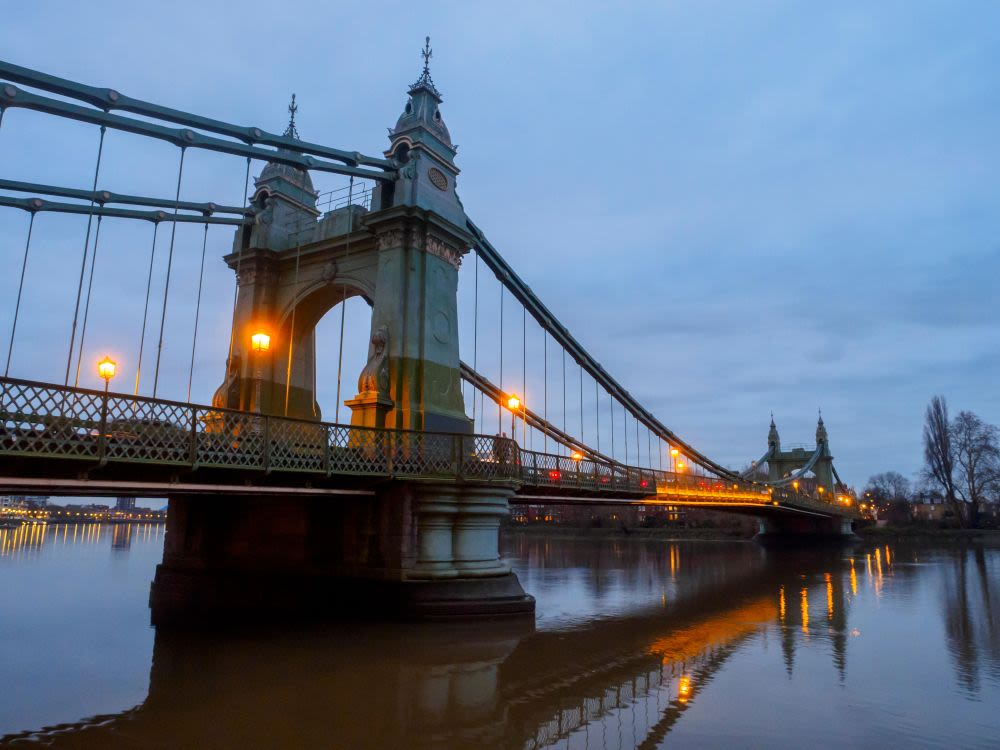
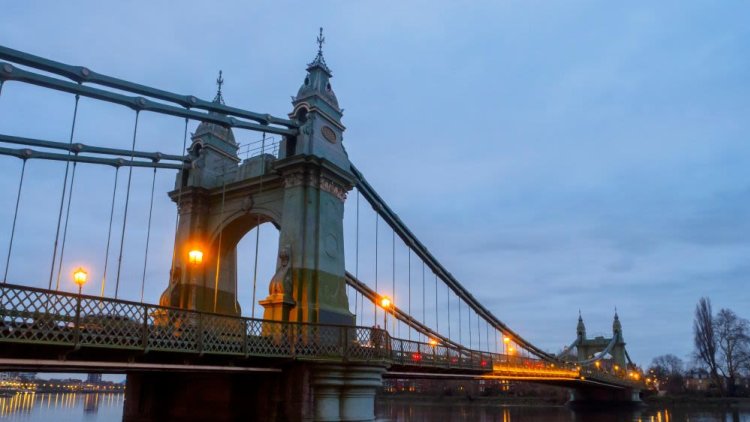
Hammersmith and Fulham council has been hit by the rebalancing of council funding (Alamy)
3 min read
A Labour-run London borough has ruled out joining the Conservatives in challenging the government over council funding cuts after receiving legal advice.
Tory-run Wandsworth Council, alongside Kemi Badenoch’s shadow cabinet, recently launched a formal appeal against cuts to local government funding.
Westminster and the Royal Borough of Kensington and Chelsea, also controlled by the Conservatives, later launched their own appeals.
It came after PoliticsHome revealed Wandsworth was set to announce a record-breaking council tax rise in 2027 to plug the gap left by a fall in grant funding from the government.
The Labour government argues that the changes are needed to rebalance funding towards parts of the country with higher deprivation so that it is “truly based on need”. As a result, many local authorities in the capital are set to see their grant funding decrease.
Labour-run Hammersmith and Fulham had been considering launching its own appeal.
However, its leader Stephen Cowan has now confirmed that the council has decided against it having received legal advice that a formal challenge is unlikely to be successful.
Speaking to PoliticsHome at Labour Party conference in Liverpool, he said: “We’ve hired a world-class KC, and we’ve gone through every single legal option, and the advice we’ve had is that there is no legal option that’s likely to play out as a win…
“I’m not interested in anything other than a win.”
The council leader added: “We’ve been given some very low likelihood of winning any legal action, so we’re not going to pursue that route.”
Cowan said the West London council would work through spending cuts before considering an increase in council tax, but refused to rule out a significant rise in the coming months.
The borough, like Wandsworth, has been granted special permission by the government to raise council tax by more than 5 per cent without a public referendum.
Asked by PoliticsHome whether Hammersmith and Fulham will follow Wandsworth with a major tax rise next year, Cowan acknowledged that raising council tax “is one of the options”.
“We’re just crunching numbers at the moment,” he said.
“The first port of call is to see what waste we can slash and what other stuff we can do. When I get back, I’ll be…crossing off all sorts of things that are going to make the savings, and we’ll see what we have to do after that.”
The council leader said he was sympathetic with the economic situation facing the Labour government but doesn’t believe reforms to local government funding are the right move.
“I simply don’t think the solution is fair funding,” he said.
“It doesn’t raise that much money, and you’re taking a lot of money of some councils to give a little bit to others. So I don’t think that’s the solution in the end.”
>
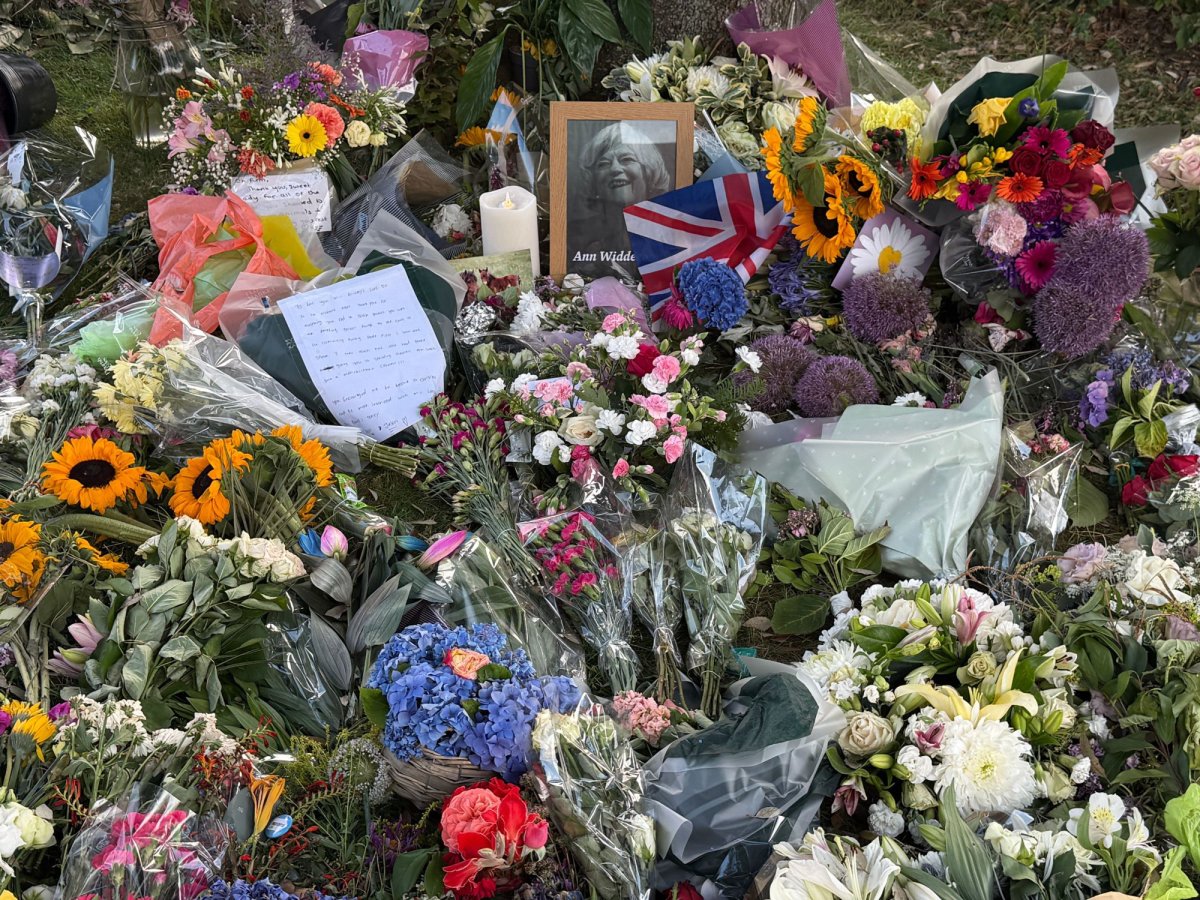

Tributes to Ann Widdecombe (nidpor/Alamy)
16 min read
Ann Widdecombe was the third UK politician to have been murdered in a decade. Zoe Crowther and Hattie Simpson investigate the efforts to protect those in public life
The death of Ann Widdecombe this summer horrified the nation. The 78-year-old, a Reform UK spokeswoman and former Conservative frontbencher, was hit over the head 21 times with a hammer in the kitchen of her Devon home, according to prosecutors.
The exact circumstances are the subject of a forthcoming criminal trial with a 28-year-old man, Joshua Kerry, charged with her murder. But politicians want answers to what is being done to protect those in public life now.
The issue of the security of those in public life is both urgent but also acutely sensitive. MPs and others are often advised not to publicise threats for fear of making bad situations worse.
For obvious reasons, the disclosure of some measures to reduce the threat of attack is strongly discouraged.
Some MPs, like Paula Barker, feel sufficiently strongly to speak on the record. “Even with all the safety measures in place, there will be another MP who gets murdered,” she tells The House.
The Labour MP for Liverpool Wavertree has been subject to repeated stalking and no longer holds open surgeries. She has installed protective screens for when she meets constituents to discuss casework.
Liberal Democrat MP for Chichester, Jess Brown-Fuller, is another prepared to go public. She says she no longer feels safe shopping locally or taking her children to community events.
Fellow Lib Dem MP Josh Babarinde hired his own private security for his wedding in the summer after facing months of sustained racist and homophobic abuse and harassment. “I never had imagined that getting married in my hometown would necessitate getting security,” says the Eastbourne MP.
For Labour MP for South West Norfolk Terry Jermy, a government announcement in June that asylum seekers would be accommodated at a military site in his constituency left him exposed. He says a group of about 30 people pursued him down the street after leaving a Thetford town council meeting. Jermy had already moved house after being elected as an MP due to his address having been publicly available as a former councillor.
Jermy rang the chief whip – at the time Jonathan Reynolds – to voice his concerns. “I felt very much as if I was sat in my home waiting for a brick to come through the window.”
“I often worry it will be me,” he says, when asked whether he thinks another politician will be murdered. “I’ve always said to my family and my staff, it’s a matter of time. The incident that happened in Thetford a couple of months ago, I literally thought I was going to be shoved up against the wall and beaten; the people were that close to me and in my face… I thought that was going to be the moment.”
Last year’s Speaker’s Conference found 69 per cent of parliamentary and constituency staff had experienced abuse, with almost half saying they had felt unsafe.
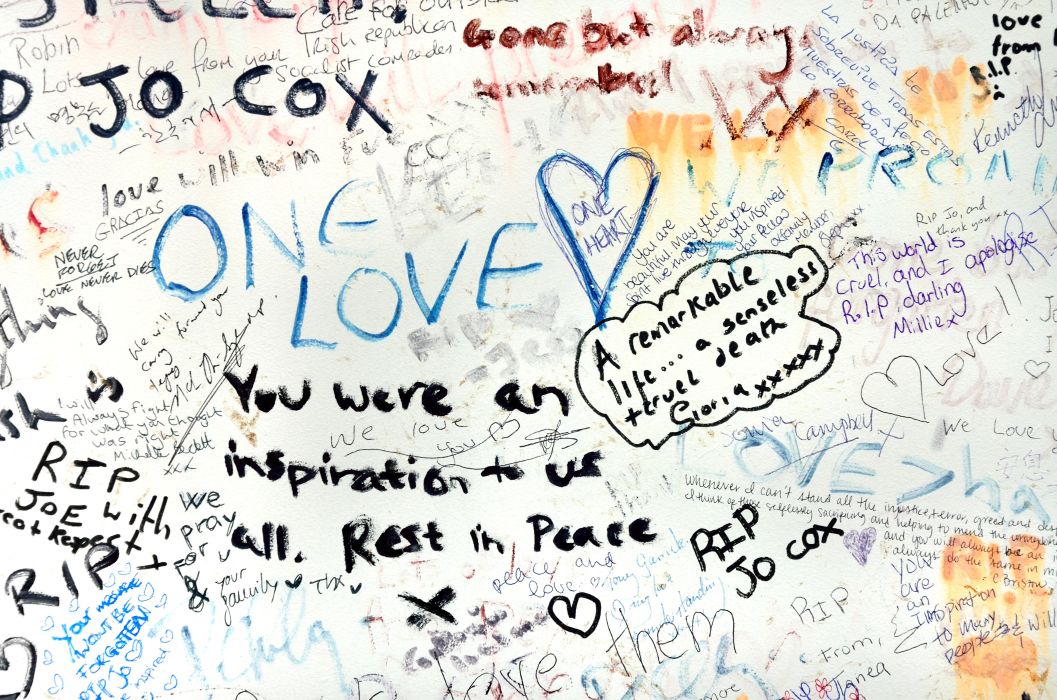
This is despite a concerted effort to improve security following Jo Cox’s murder in 2016.
Operation Bridger was established as the nationwide policing response for MPs’ security.
Every police force has a dedicated Bridger contact for threats against MPs and their staff, while the Home Office can also provide private security through Operation Regency and, for those at the highest risk, Executive Protection.
The government committed a £31m package for the 2024/25 financial year to strengthen protective security measures for MPs and locally elected representatives, including councillors, police and crime commissioners (PCCs), mayors and parliamentary candidates.
The Local Communities Fund was set up to allow local police forces to deploy additional patrols in response to specific events or heightened community tensions. While this was limited to the 2024/25 financial year, the wider infrastructure established through the funding has continued, including ongoing policing arrangements, protective security and dedicated support for elected representatives.
However, MPs tell The House there is a “postcode lottery” in how Operation Bridger operates.
One Reform MP receiving death threats was described by a party source as having been “incredibly disappointed” with the police response. “The office reported someone over something that happened, and on three occasions, the police representative failed to turn up to take a statement. It gets to the point where you’re like, why do I bother?”
Jermy says his Bridger officer is “relatively junior”. “I found that to be a real flaw in the process because it’s felt to me as if harassment of locally elected politicians in Norfolk is not taken seriously.”
Jermy says he has “never felt supported” by the police and CPS [Crown Prosecution Service].
“The bar for action is so incredibly high; it’s almost felt impossible, the bar you have to reach before somebody is investigated or charged.
A CPS spokesperson said: “Criminal offences committed against MPs threaten their safety and undermine the democratic process. No one should be made to live in fear simply for doing their job.
“The CPS takes these offences very seriously, which is why chief crown prosecutors (CCPs) are required to approve any charge where a parliamentarian is the victim of crime in connection with their role.”
CCPs write personally to MPs whenever a charge is made or refused, and the CPS spokesperson says it “seeks to charge threatening or intimidating behaviour against elected officials where we have the evidence to do so”.
Supporters point to a string of successful convictions of those found to have stalked, threatened or otherwise harassed MPs in recent years but it is not hard to find criticism of the system at Westminster.
Speaking on the condition of anonymity, a Labour MP says: “I have not been impressed with Operation Bridger and my points of contact in the police. They are not responsive.
“I have no confidence that, if there was a credible threat to my safety, there would be an emergency response through Bridger… I would be much better just calling 999 rather than bothering with anybody that’s dedicated to my safety.”
Labour MP for Halesowen and former Royal Marine officer Alex Ballinger says that while he generally feels well-protected, police intelligence is “not always shared with us in a timely manner.”
Some constituencies straddle multiple police forces, leading to confusion over the areas that the Operation Bridger officers should cover.
Hannah Phillips, policy manager at the Jo Cox Foundation, says more must be done to ensure Operation Bridger is applied consistently across police forces.
“We know the police are aware of that and are thinking about how to improve that. There’s also now an official police structure for local elected politicians and candidates, which is really welcome because that was becoming quite a gap.”
In March, deputy chief constable Chris Balmer was appointed the National Police Chiefs’ Council’s (NPCC) first lead for ‘Defending Democracy’. He is working with police forces and criminal justice partners to improve consistency and prosecution rates, and met with the Speaker and the security minister, Dan Jarvis. In July, he wrote to all chief constables and asked them to contact every MP or their office to strengthen working relationships and ensure support is available.
A spokesperson for the NPCC said policing “takes the security of Members of Parliament very seriously”.
“Follow-up work is now underway to ensure this approach continues in the new parliamentary term. Policing remains committed to protecting MPs and supporting them in carrying out their democratic duties safely.”
Alongside police protection, MPs can access security support provided by Parliament.
When MPs experience sustained abuse, threats or harassment from individuals or groups, many choose to escalate cases directly to Parliament, saying this often results in concerns being taken more seriously. Speaker Sir Lindsay Hoyle is widely acknowledged as having made security a priority.
Earlier this year, one MP said they were summoned to the Speaker’s Office after advertising their location ahead of time on social media and given a stern warning never to do so again.
Many MPs no longer hold pop-up surgeries, and those who do often withhold the location until very shortly beforehand.
Where some MPs used to have a ‘shop-front’ style local office where constituents could come to speak to their staff face-to-face, they are now strongly discouraged from doing so. Constituents have to book in advance if they want to speak to their MP.
The measures can go too far, some fear. Labour MP for South Norfolk Ben Goldsborough is concerned that this level of precaution creates an extra degree of separation between politicians and their constituents.
“The only people who now come to advice surgeries are those who are politically engaged and know that MPs hold them,” he says. “Whereas before, when we did the online adverts, we would get people from all backgrounds. That is rare today.”
He adds that it could create a false perception that MPs “just don’t do surgeries anymore”: “There’s the old (new) adage that if it doesn’t happen online it didn’t happen…”
“On three occasions the police representative failed to turn up”
Many MPs elected in 2024 say their first meeting with the Speaker focused on security.
Several also believe parliamentary support has improved in recent years, particularly after protections were extended to campaigning in constituencies, where security was previously not covered.
However, some MPs question whether the advice always reflects the realities of the job. Brown-Fuller says guidance encouraging MPs to vary their journey home is impractical for many who live in areas that are only served by one train: “I don’t think that security has really squared that circle for those commuter belt MPs.”
Parliament will also reimburse taxi journeys taken after 10pm, but MPs cannot claim for taxis earlier in the evening, even during the winter when it is already dark.
A House of Commons spokesperson said: “The ability of Members and their staff to perform their parliamentary duties safely, both on and off the estate, is fundamental to our democracy. Any assessment of an individual MPs’ security arrangements or advice is subject to a rigorous risk-based assessment, conducted by security professionals and with input from the police and a range of professional authorities. These are naturally kept under continuous review.”
Parliament also uses private contractors to provide security at constituency events, but some MPs and staff have questioned the quality of these contractors. In 2024, a four-year contract was signed with Mitie to provide protection for MPs.
One MP, speaking anonymously, questions whether the screening of operatives is sufficiently robust. They say the current system “leaves quite a lot to be desired” and cite examples of contractors behaving inappropriately, including one who was distracted while on duty at a high-profile event before posting photos about protecting the MP on social media. “It was just the exact opposite of what security ops should be doing.”
The MP says that another operative “stunk of weed” while on duty protecting the MP at an event last year. “He was a bit out of it,” the MP says, explaining that their team then reported the operative via Mitie’s review dashboard, which allows MPs to feed back on individual security guards.
“I have concerns about the extent to which security is outsourced and the suitability and appropriateness of the accreditation system for our security operatives,” the MP continues.
“I would very much welcome the parliamentary authorities looking into this further and ensuring that there are high standards imposed and maintained because it’s too important not to.”
In a statement, Mitie insisted all its contractors are subject to robust recruitment and vetting processes. After reports earlier this year that the company had sent a bodyguard with far-right links to protect a politician who was receiving extremist threats, the company has since updated its vetting processes to include regular social media checks for new recruits and random checks on existing employees.
A Mitie spokesperson said: “Our priority is the safety and security of those under our protection. We hold our close protection and security colleagues to the highest professional standards and any concerns raised are taken seriously and investigated thoroughly. Where an individual is found not to have met the standards expected, appropriate action is taken.”
Mitie often uses other third-party providers to maintain security during busy periods, which the company says are subject to the same vetting process as Mitie employees.
But MPs’ staff describe difficulties securing parliamentary security for constituency events.
Hollie Wickens, who works for a Labour MP, described how a group had leaked the location of a local business event held by the MP. Despite requesting parliamentary security, the office was initially refused, with staff ultimately having to “have a fight” to get an officer to attend.
On another occasion, an aggressive constituent disrupted a surgery being held by the same MP while the security officer failed to intervene.
Lisa Gillmore, senior parliamentary researcher and GMB MPs’ and Peers’ staff branch president, describes the level of threats to MPs and their staff as “unacceptable” and “rising”.
“As the largest union for MPs’ staff in Parliament, we unfortunately hear of far too many cases of staffers facing verbal abuse, online threats, and sometimes physical violence while at work.
While a very necessary conversation is underway about how best to protect MPs, we would like to see MPs’ staff included in the discussion and feel reassured that our safety is also treated with the seriousness it deserves.”
Following the Speaker’s Conference findings on the risks to MPs and candidates, Parliament, the Home Office, and the police are all working towards fulfilling the recommendations, which include transferring candidate security to the Home Office at dissolution of Parliament (avoiding gaps in protection during elections), strengthening national policing with risk-assessed election plans, and protecting candidates’ home addresses by removing them from public nomination records.
MPs are also offered security measures for their homes, including personal alarm devices, monitored by a private security company and designed to summon help in an emergency.
Brown-Fuller likens the alarm to a “Tamagotchi”, the Japanese toy, but says it can be impractical.
“If you don’t feed it, it dies, and we’re busy people, and I quite often forget to feed my little security Tamagotchi,” she says, explaining the device only holds around two days’ charge.
Parliament also funds home security upgrades, including alarms and other protective measures. However, several MPs tell The House they have discovered faults with equipment that had been installed, undermining confidence in the system.
Some also express concern about recent changes to parliamentary funding, after MPs were informed that Parliament would no longer cover the cost of replacing front doors for security reasons, leaving them worried that support is being scaled back despite the rising threat they face.
Parliament spends more than £100m annually on security, including more than £20m on supporting the personal security of MPs away from the parliamentary estate, but this does not include cybersecurity or security infrastructure.
“We’ve got to be stricter with online platforms and what we allow them to do”
Former Conservative MP Sir Robert Buckland is currently leading the government’s review into the murder of Sir David Amess, examining both the circumstances of the attack and whether security arrangements for MPs outside Parliament are adequate. He hopes to conclude the review by the end of the year.
Buckland tells The House he is looking at the specific case of David Amess but also more broadly at MP security when they are off the parliamentary estate. “We do buildings very well, but are we doing people well enough?” he says. “Are we actually making sure that the people, the MPs, and those that surround them, their staff and indeed their families are getting the support they need, and are we making them aware enough of risks?”
He rejects Reform’s proposal to provide every MP with a bodyguard. “That would fundamentally change the nature of that open relationship that British MPs have with their constituents.”
Instead, he argues for a “variety of measures to maintain that balance”.
He adds that while there has been an attempt to improve the co-ordination of Operation Bridger across the UK, it’s still “very much a locally led operation”.
“I want to understand that more closely and see whether there is more that can be done to standardise and make sure there’s a consistent national response to the threats to Members of Parliament.”
There is widespread recognition that ethnic minority women are the worst affected when it comes to online and in-person intimidation as politicians.
“We’re in danger of disincentivising and determining a whole cohort of talented men and women from coming forward into public life, and we shouldn’t settle for that,” Buckland says.
He adds that protections should not stop once a politician has left office if they are still at risk.
“We probably need a system whereby former MPs who are still high-profile are able to have recourse to advice and support from the police and security services where appropriate, if they are facing particularly heightened risk.
“Rather than just pulling down the shutters on retirement or election defeat, we need some sort of process by which those individuals are still on the radar.”
For many MPs, stronger physical security alone will never be enough if the rise in online abuse continues to normalise threats and intimidation that spill over into real life.
“It creates this culture of, it’s OK to be rude and confrontational and make threats against an MP,” Jermy says.
“None of that gets investigated… But it all creates a culture of fear and intimidation, and we’ve got to be stricter with online platforms and what we allow them to do.”
Phillips from the Jo Cox Foundation points to a social media monitoring scheme that has been set up by the Scottish Parliament, which identifies abusive content directed at MSPs and has already resulted in at least one conviction. She suggests that a similar approach could be adopted in Westminster.
Jermy also argues ministers should consider MPs’ safety before making controversial policy announcements that directly affect constituencies, ensuring local MPs are warned in advance and appropriate security arrangements are in place.
“They really should do more to consult and liaise with the MP in the office prior to the announcement. Just make sure that there are security arrangements in place to check on their wellbeing… They put me and my family at risk by the announcement about MoD Barnham, without considering the implications of what they were doing.”
Jermy believes the greatest danger for MPs is complacency by the authorities.
“I’m not a shrinking violet. I’ve been a councillor for 18 years, and I was the mayor of Thetford.
I’m used to abuse, but it does ratchet up when you become a Member of Parliament. It’s very isolating.
“I’ve had the police say to my team and me, ‘This is not a Jo Cox situation.’ Well, they didn’t know it was a Jo Cox situation until it was. We don’t know at what point this turns from abuse in person or online to something more sinister.”
>
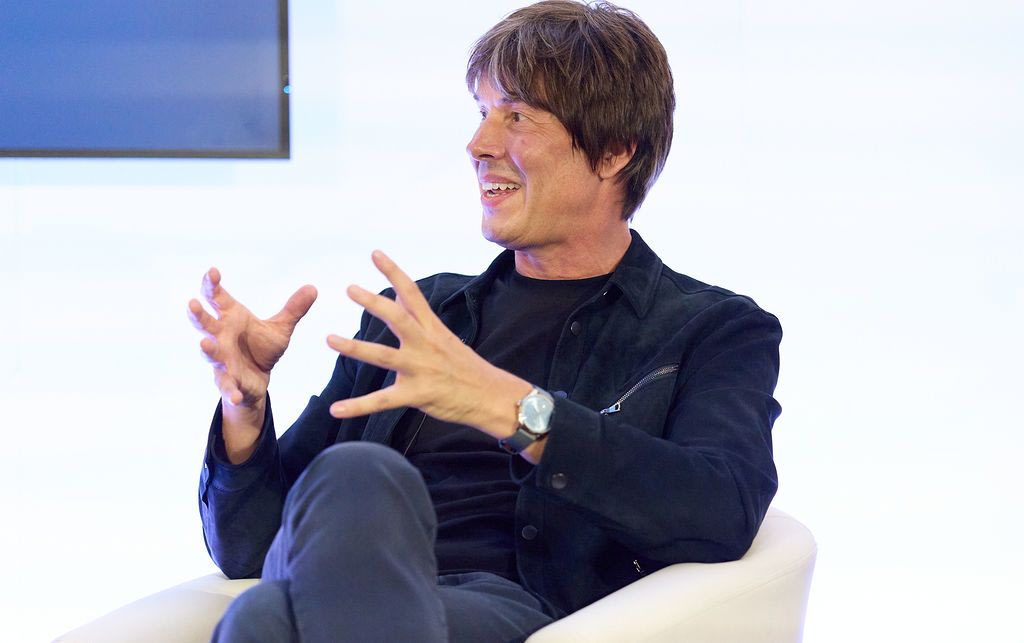
Professor Brian Cox discusses ‘Science, Society and the Public Good’ at Labour conference 2026

4 min read
TV physicist and former popstar Professor Brian Cox has expressed his support for Andy Burnham’s “excellent” Labour conference speech in its “message of hope and potential”.
Speaking at a Total Politics and University of Manchester fringe event on Tuesday, Cox revealed that he was attending his first Labour conference since 1997 – the year his former band, D:Ream, was put at the fore of the party’s election victory.
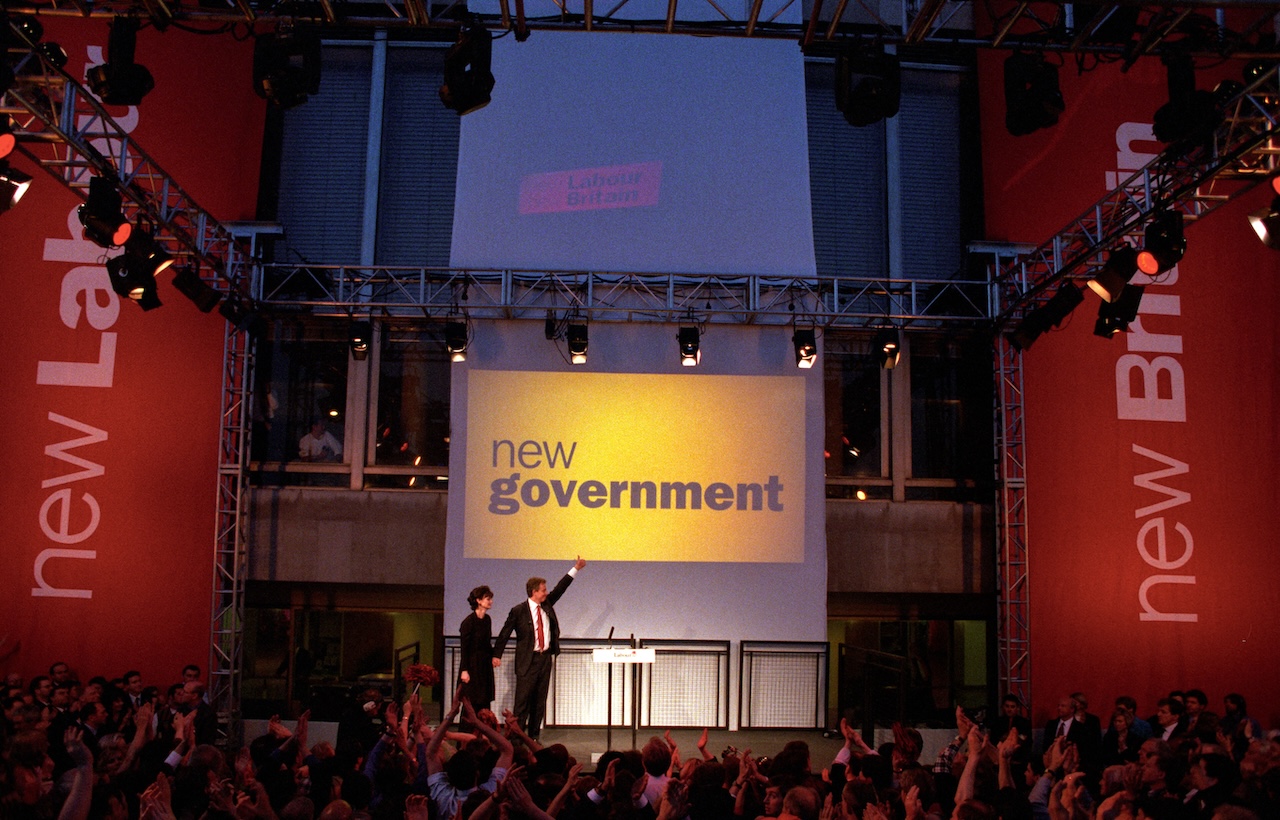
Things Can Only Get Better by D:Ream was used as Labour’s campaign theme during the election that gave Tony Blair’s New Labour a landslide majority for the first time.
The keyboard player, now a professor of particle physics at the University of Manchester, was asked for his verdict on the keynote speech that had just been delivered by Burnham that afternoon.
“I really enjoyed that speech,” he replied. “I thought it was excellent, actually – this message of hope and the potential of the country.”
Asked whether he now feels that “things can only get better”, Cox said of the Prime Minister: “For me, being in the hall, he captured some of that energy and optimism that I haven’t seen for a long time.”
Recalling D:Ream performing live at the Labour Party victory rally at the Royal Festival Hall on 2 May 1997, he said: “I was there, obviously, playing Things Can Only Get Better in 1997 in the South Bank. We actually did Top of the Pops that night.
“It was this kind of military operation… because you’re not allowed, obviously, to play the Labour Party’s election theme tune on the day of an election on the BBC. But Top of the Pops was broadcast after the polls closed, so we were allowed to do it. We had red roses coming down onto the stage.
“Then we got put in a hotel overlooking the Royal Festival Hall on the South Bank, and we had to wait there and watch. So, we watched all those moments – the Portillo moment, and all this, everyone remembers.
“Someone from the Labour Party came in and said, ‘Right, you can come now and do the song. We went and did the song, and that’s that famous shot of people like Neil Kinnock and John Prescott and everyone dancing, and Robin Cook, trying to dance to Things Can Only Get Better.”
Cox continued: “We need reminding that this country, as the Prime Minister said correctly, has got tremendous foundations – second to none, I would say.
“I suppose the discussion we’re going to have is how you make sure you don’t damage them, first of all. But that’s not the only remit of government, is it, not to fuck things up? It’s also to do something positive!”
The warm words Cox used for Burnham come after Things Can Only Get Better songwriters Alan Mackenzie and Peter Cunnah expressed regret two years ago that the track was used so prominently by Labour in 1997.
Asked in 2024 whether they would give permission for Keir Starmer to use the song for campaigning, Mackenzie said: “There’s no way – our songs and politics, never again.”
During the Labour conference event on Tuesday, Cox expressed concerns over the “serious problems” with the way science funding is being allocated.
“There are serious problems at the moment, not with the amount of money in the system but how it’s being used,” he said, going on to say he had “worries” over the approach taken by UK Research and Innovation (UKRI).
In July, UKRI said the Jodrell Bank Observatory, which hosts the UK’s largest telescope, would not be prioritised for further funding after 2028. Burnham promised in September that he would save it.
Cox used the event to argue that science funding should not be seen primarily through the lens of its role as a driver of economic growth, although it does play a role in growth.
“My challenge would be: Is that right, that we should be attempting specifically to try to engineer higher growth rates by fiddling around with the targeting of the science budget?” he asked.
The professor said UKRI’s remit should be “make Britain the best place in the world to do science”, adding: “Just do that. That’s what I want you to do.
“I don’t want you to micromanage the levers of growth because you’re not capable of doing it, and you’ll make mistakes, in my view, to be rather more provocative.
“Like the mistake that was made with Jodrell, like the mistake that’s going to be made with some of the facilities, like Diamond and the ISIS neutron source and Daresbury Laboratory. I could list 20 mistakes that are going to be made… This shouldn’t be the way that you manage a research council.”
>

Box Office: ‘Verity’ To Seduce $55M+ WW, Tom Cruise ‘Digger’ Not Good
How does Kirk Ferentz’s Iowa keep doing this? ‘We’re not in the entertainment business’

World’s first enhanced geothermal power plant completed in just 23 months
-

 movies4 months ago
Search For Canadian TV Actor Stewart McLean Now Homicide Investigation
-

 Fashion9 years ago
These ’90s fashion trends are making a comeback in 2017
-
Fashion9 years ago
According to Dior Couture, this taboo fashion accessory is back
-
Fashion9 years ago
Model Jocelyn Chew’s Instagram is the best vacation you’ve ever had
-
Fashion9 years ago
Emily Ratajkowski channels back-to-school style
-
Fashion9 years ago
9 Celebrities who have spoken out about being photoshopped
-

 Anime4 months ago
Rurouni Kenshin: Hokkaido Arc Manga Takes 1-Issue Break – News
-

 Anime3 months ago
HIDIVE to Stream English Dubs for The World Is Dancing, The Forsaken Saintess and Her Foodie Roadtrip in Another World, The Dangers in My Heart: The Movie Anime – News