PHILADELPHIA — The New York Yankees, unquestionably, will be buyers at this year’s trade deadline.
“I know we want to try and improve our club,” Yankees manager Aaron Boone said Sunday, before an 11-4 loss to the Philadelphia Phillies. “I know the front office is grinding away at that, so I know we’re going to try. You never know what’s going to be out there. It always takes a couple teams to tango.”
The Yankees could use an upgrade at catcher, at least one more high-leverage reliever, and at least one more bat, in light of the injuries to Aaron Judge, Giancarlo Stanton and Cody Bellinger.
As the team enters the final week before the Aug. 3 deadline, let’s consider potential options to fill those needs. After proposing five hypothetical Yankees trades, we asked former general manager Jim Bowden to weigh in on them and determine which club would say no.
How many players will the Mets trade by the deadline?
Ken Rosenthal and Johnny Sweet
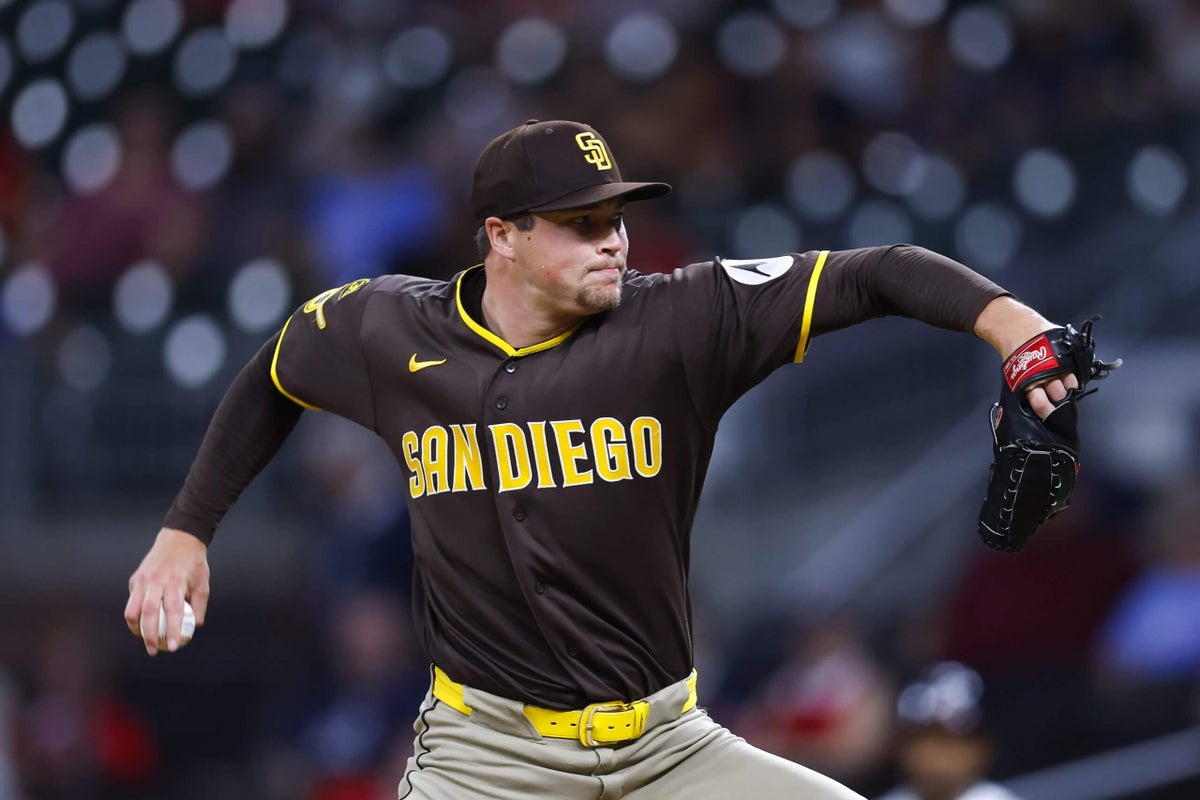
Yankees get: RP Mason Miller
Padres get: SP Will Warren, OF Jasson Domínguez, SS Dax Kilby, SP Ben Hess
Miller is one of MLB’s elite game-changing players. When on the mound, he’s as close as a pitcher can get to being an automatic three outs.
Miller is under contract through 2029, and there’s no guarantee San Diego Padres president of baseball operations A.J. Preller will trade him at the deadline. He might have to be blown away by a package to consider moving Miller.
In this proposal, the Padres would receive two major leaguers, Warren and Domínguez, and two prospects. Warren has the potential to be a mid-rotation starter, while Domínguez has not yet lived up to his prospect hype. Kilby is one of the Yankees’ best infield prospects, while Hess projects as a back-end starter with big strikeout numbers. — Kirschner
Bowden: The Padres say no.
I believe the Padres would reject this trade offer even though it’s a solid proposal with four quality players in the return. Warren could go right into the Padres’ rotation and Hess could be a fifth starter in a couple of years, while Domínguez and Kilby have potential of being, at a minimum, quality everyday players.
Kilby has perhaps the highest upside of this foursome. His inclusion in the deal makes it a strong, compelling offer worthy of serious consideration by San Diego. However, if I’m the Padres, I would counter by asking for shortstop George Lombard Jr. and right-hander Carlos Lagrange (pending medical reports).
The Padres traded Leo De Vries, one of the top prospects in baseball, to land Miller last year from the Athletics, and although Lombard profiles as a potential future star, he’s not quite at the level of De Vries. Lagrange, when healthy, has the ceiling of Miller, but it’s far from certain he’ll ever get there. I would try to get both for a proven impact player such as Miller who is under club control for three-plus years. — Bowden
Yankees get: RP Adrián Morejón
Padres get: SP Elmer Rodríguez, SP Bryce Cunningham
We’ll stick with San Diego for a second. The Padres’ rotation has been a mess this season, ranking bottom five in fWAR and ERA. They need as much starting pitching as possible.
Rodríguez likely projects as a back-end starter in the majors, while Cunningham is a 23-year-old with a 4.63 ERA this season in High A. Rodríguez has made four spot starts for the Yankees but hasn’t looked impressive because his command wasn’t crisp. That deviates from what he’s known for. If his command is on, he can have success in the big leagues.
The addition of Morejón, an impending free agent, would give the Yankees a formidable back end of the bullpen with David Bednar closing games, Morejón as the eighth-inning reliever and Brent Headrick and Fernando Cruz deployable in fireman roles. — Kirschner
Bowden: Both teams say yes.
The Yankees’ bullpen has been solid, but adding Morejón would make it more dominant and boost the team’s postseason outlook and potential matchups, making its pen much deeper and stronger for a playoff run.
The Padres need to rebuild their rotation, and acquiring two future back-of-the-rotation starters, each with six years of club control, for Morejón, a two-month rental, should be a no-brainer, even though San Diego is still in the National League wild-card race. — Bowden
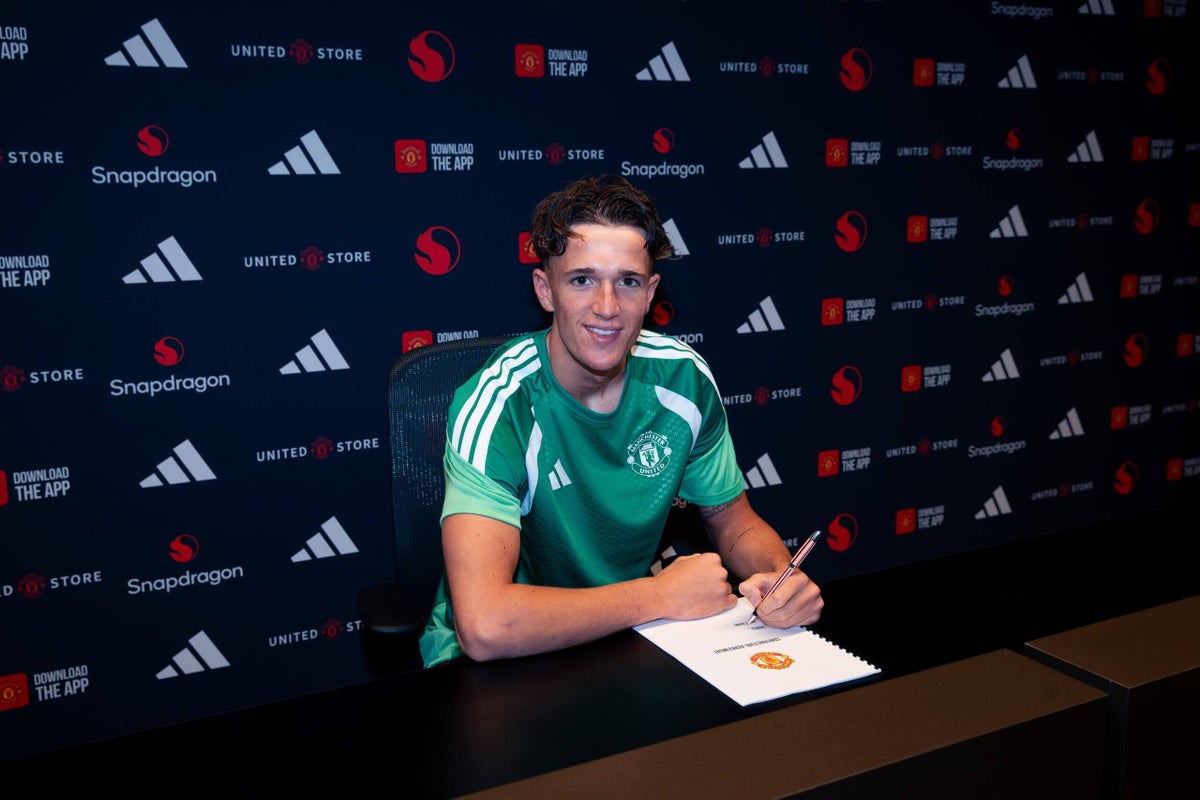
Yankees get: SS CJ Abrams
Nationals get: SP Will Warren, SP Elmer Rodríguez, SP Chase Hampton
The Washington Nationals have already traded Curtis Mead to the Boston Red Sox for left-hander Connelly Early. Still, they desperately need more pitching.
This proposed move would give the Nats a ready-made starter (Warren) plus someone who would likely slot into their rotation now (Rodríguez). Hampton was a former top-10 prospect for the Yankees, but he underwent Tommy John surgery last year and has struggled in his first season back. Washington would hope to revitalize Hampton as he gets further removed from surgery.
The Yankees, meanwhile, desperately need more offense. They have a bottom-five offense since Judge landed on the injured list in early June, and now Bellinger will miss time with a hamstring strain. Abrams, who is under contract through 2029, could play third base this season and move to second base next year. Second baseman Jazz Chisholm Jr. will be a free agent after this season, and Abrams could be an excellent replacement if the Yankees don’t re-sign Chisholm. — Kirschner
Bowden: The Nationals say no.
Abrams is having another banner season, hitting .297 with 27 homers, 17 steals and an MLB-leading 82 RBIs. He’s been worth 4.3 WAR, according to Baseball Reference. However, the Nationals haven’t been able to extend him long-term, so they will at least listen to trade offers.
That said, for the Yankees to get in on a deal for Abrams, they would have to start the conversation by offering Lombard, then adding Warren. That is probably along the lines of what it would take for Washington to even consider trading the two-time All-Star to the Bronx. — Bowden
Yankees get: C Ryan Jeffers
Twins get: SS Anthony Volpe, RP Camilo Doval

Ryan Jeffers would give the Yankees more consistent offense from the catcher position. (Jason Miller / Getty Images)
Yankees catcher Austin Wells has swung the bat better over the past two weeks, but the club remains in the market for an offensive upgrade.
Jeffers is the most logical catching target for the Yankees because of his relationship with Tanner Swanson, the club’s director of catching. Swanson was a key figure in the Minnesota Twins’ decision to draft Jeffers in 2018. Jeffers will be a free agent after this season, so this move would also give the Yankees a stretch run to determine if he could also be a longer-term fit.
In return, the Twins would get two change-of-scenery candidates in Volpe and Doval. It appears Volpe’s time with the Yankees might be running out, with the imminent promotion of Lombard, and Doval has been reduced to a low-leverage role in the bullpen. Doval, an All-Star in 2023, is under club control through next year, so maybe the Twins could revive him. — Kirschner
Bowden: Both sides say yes.
The Yankees need more offense, especially from the right side of the plate, and Jeffers would be a perfect fit for them. After missing about two months with a hamate bone fracture, he’s healthy and has posted a .930 OPS this season, with nine homers in 157 at-bats.
Volpe, 25, needs a change of scenery, and with more than two years of remaining club control, it’s a risk worth taking for the Twins, especially considering Jeffers is an impending free agent. From the Yankees’ standpoint, Lombard is ready for a promotion to replace Volpe, and they would still have José Caballero as an option at shortstop.
In addition, the Twins have identified relievers as their biggest need at the trade deadline, so taking a chance on Doval makes a lot of sense for them, as he might have a better chance to excel in a smaller market. Bottom line: I think this trade, conceptually, works for both sides. — Bowden
Yankees get: OF Lane Thomas
Royals get: OF Jace Avina, RHP Eric Reyzelman
The Yankees made a similar move at last season’s trade deadline when they acquired Austin Slater from the Chicago White Sox. Like Slater, Thomas is a platoon bat who hits left-handed pitching well. The Yankees could use a righty-hitting outfielder off their bench. Thomas will be a free agent after this season, so the price to land him should not be too steep.
Avina and Reyzelman are ranked as the club’s 20th and 28th top prospects, respectively, by MLB Pipeline. They are Rule 5 draft-eligible after this season, and neither player likely has a path to making the Yankees’ 40-man roster. — Kirschner
Bowden: Both sides say yes.
I really like this trade for the Yankees because Thomas rakes against left-handed pitching (career OPS against them: .850) and can play all three outfield positions. He is a fourth outfielder and platoon-type, making him a good fit on this team.
This would be an overpay for the Yankees; I think Avina straight-up would be a fair deal. However, it’s a sellers’ market, so teams will have to overpay at this deadline, and getting Reyzelman included makes it easy for the Royals to close the deal. — Bowden