
Sports
Why the Mets chose not to extend Clay Holmes, Tobias Myers’ velocity issues and more

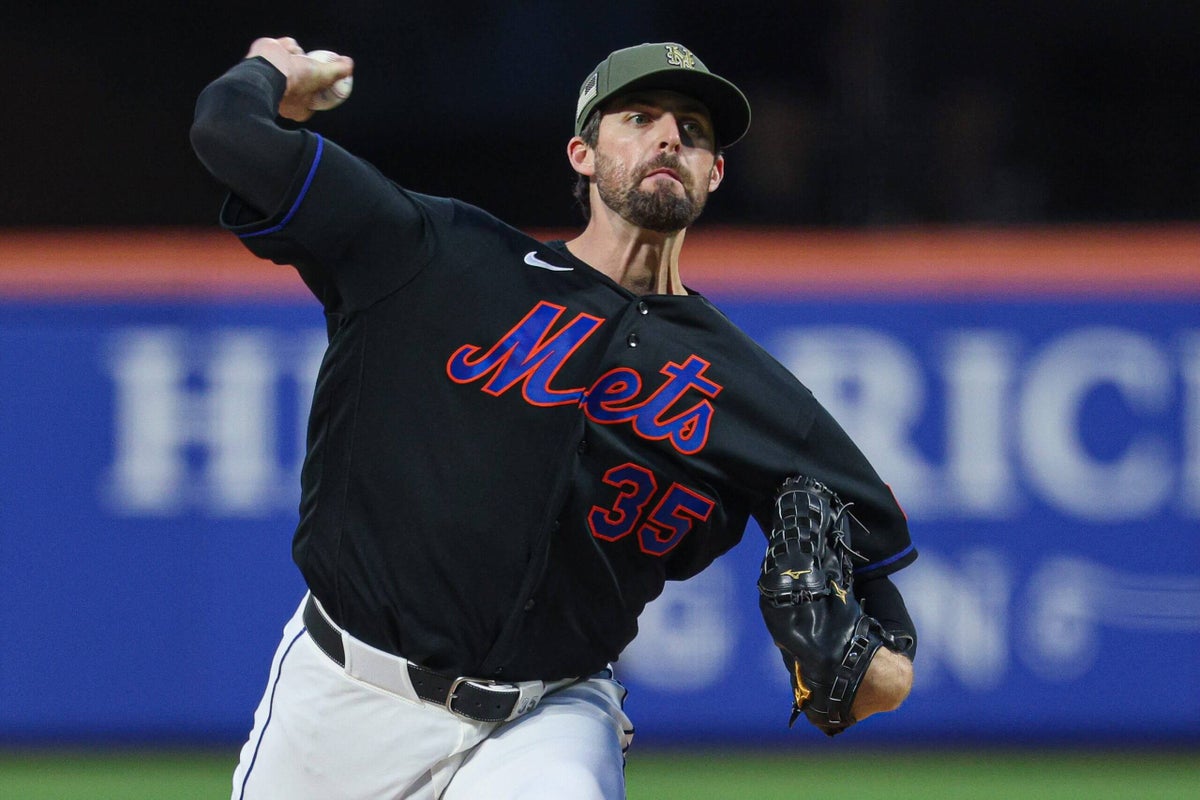
Just one week after the trade deadline, the New York Mets’ roster looks completely different. After trading away seven major leaguers, the final 42 games of the regular season for the Mets (53-67) are focused on evaluating their remaining talent before the offseason. Below, Tim Britton and Will Sammon answered your questions about the Mets’ roster right now and in the future.
Which player in the Mets’ farm system who has yet to make their MLB debut will have the biggest impact on the big-league roster in 2027? — Douglas B.
Sammon: Infielder Mitch Voit, the Mets’ first-round pick in 2025, is making a strong case. After a slow start in High A, Voit picked things up, earned a promotion to Double A and just kept hitting. Playing mostly shortstop with some time at second base, Voit’s numbers with Binghamton through his first 50 plate appearances are stunning: .550 batting average, 6 stolen bases, 1.483 OPS. Marcus Semien, under contract through the 2028 season, is the Mets’ regular second baseman, but the 35-year-old’s poor production raises questions about his future at the position. Others to watch in 2027 include infielders Jefferson Rojas (acquired from the Chicago Cubs in the Clay Holmes deal) and Émilien Pitre (acquired from the Tampa Bay Rays in the Freddy Peralta deal).
Will Voit get Triple-A at-bats this year if he keeps it up? — Douglas B.
Sammon: There’s a chance Voit reaches Triple A, but I’m not sure how likely that is. If he continues to excel in Double A, there’s no point in holding him down just to hold him down. Last year, Carson Benge saw time at High A, Double A and Triple A. The Mets promoted Benge to Triple A after just 32 games. Voit is up to 11 games with Binghamton. There is time before this becomes more of a discussion.
Who is Frank ‘The Tank’? The always angry Mets superfan
Sam Blum and Johnny Sweet
Why didn’t Stearns target remaking the starting rotation instead of the starting lineup over the offseason? — Matt M.
Britton: Because Pete Alonso’s free agency forced the club to make a decision on the future of the lineup. Stearns could have re-signed Alonso, believed in the underlying metrics of last year’s offense, and had a better offense in 2026 than the Mets wound up with. He’d also have Alonso and Brandon Nimmo under contract through 2030, and he did not like the idea of having four long-term deals running at least through the end of the decade, with three of them at defensive corners.
The team planned to address the starting rotation this winter, when the Mets anticipated that three key starters would become free agents: Peralta, Holmes and David Peterson. They’re all elsewhere now, but the emergence of some younger arms means New York shouldn’t need to remake its rotation as much as we might have thought back in spring.
So, Stearns decided last winter to move on from Alonso and to trade Nimmo when the opportunity arose. That decision has obviously not worked out so far. Alonso and Nimmo are playing up to expectations — Alonso, perhaps, is exceeding them, because he’s improved so much defensively. (It’s fair to wonder why that didn’t happen in Queens.) These were both five-year decisions made by Stearns, and we’ll be tracking them over that time the same way we tracked the outcomes of the Edwin Díaz trade for so long.
I do think it’s possible to hold two competing thoughts in our heads about the Mets’ offseason: First, that Stearns was right to move on from Alonso and Nimmo at the time (as it was shown he was right in moving on from Jeff McNeil for little in return). Second, that Stearns’ mistake was in how he replaced those players — that Jorge Polanco was not the right guy to replace Alonso and that Semien was showing too many signs of decline to believe he’d bounce back in New York. Had Stearns traded for, say, Willson Contreras to play first base and simply released Semien to sign an additional infielder (or played Brett Baty every day on the infield), we might look at this offseason differently. To me, that’s where Stearns’ failure really resides.
What do the Mets believe happened to Tobias Myers? — Doug B.
Sammon: Myers is starting games in Triple A. With each outing, he is increasing his pitch count. He is still, however, not pitching well. While there’s still time — and opportunity, probably — for Myers to start games for the Mets this season, his year hasn’t gone the way the club envisioned. When they acquired him from the Milwaukee Brewers along with Peralta for Jett Williams and Brandon Sproat, two top-100 prospects at the time, Myers said that the front office told him that they wouldn’t have made the deal without his inclusion. After a good start this season, Myers spiraled. His velocity is down, and, worse, his fastball velocity is inconsistent and varies from inning to inning. Figuring out his fastball won’t cure everything, but it’d be a start.
Where is the Mets’ No. 1 from this year’s draft, Carson Wiggins? — Dennis M.
Sammon: The Mets’ goal for Wiggins is for him to work as a starter in 2027. His outlook for the rest of this season remains unclear. Like all the Mets’ draftees, Wiggins is in Florida going through the club’s onboarding process, which includes fielding drills and strength and conditioning training.
Raley, Holmes, Taylor, Minter, Peterson, Tauchman — who, if any, will be wearing Orange and Blue again, come Spring? — Douglas B.
Britton: My guess is none, though I’d give Raley and Holmes some chance of returning.
The Mets never discussed an extension with Clay Holmes even though he publicly stated he was interested. Isn’t that an indictment of David Stearns? — Darren L.
Sammon: I would’ve approached Holmes’ agency about an extension and learned more about the situation. The other side of the argument is, if you know the market value and believe the return from a trade is more important, then what’s the point of retaining him? If the Mets were interested in extending Holmes, there would’ve been more reporting on the subject. We learned a few weeks ago that a trade was more likely. It’s likely the club was wary of making a decision on a 33-year-old pitcher for next year and beyond in July. The old adage is that a player who looks good on next year’s team in July might not look so good for next year’s team by September. I would’ve extended Holmes because of his success as a starter, his experience in New York, the relatively low number of innings on his arm and the desire to keep him as a presence in the clubhouse. However, Rojas, the player they received in the deal, became the organization’s top prospect.
Who is looking like a potential non-tender or cut next offseason? Who is likely to be added to the 40-man? — Ben T.
Britton: The Mets’ arbitration players are slated to be Francisco Alvarez, Tylor Megill, Reed Garrett, Austin Warren, Cionel Pérez, Mark Vientos, Dedniel Núñez and Baty. From that group, Pérez and Vientos stand out as potential non-tender candidates. (Pérez’s strikeout-to-walk rate with the Mets, however, would make me want to hold on to him.)
The Mets have an unusually large number of decent prospects who need to be added to the 40-man roster ahead of the Rule 5 draft. (Yes, the Rule 5 draft was canceled during the last lockout in 2021. However, teams won’t know if it will be canceled again before they have to add players to the 40-man ahead of the draft, so it would be extremely risky to bank on the Rule 5 draft’s cancellation.)
That prospects list is topped by Rojas and also includes Ryan Clifford, Jack Wenninger, Jacob Reimer, Gary Gill Hill, Chris Suero and Zach Franklin.
Over the rest of the season, we’ll see real auditions for bullpen positioning — as much for staying on the 40-man roster throughout the winter as for starting the competition next spring. When Stearns was hired in 2023, the Mets nearly emptied the 40-man of depth relievers — but they held on to Garrett, a decision that paid off over the next few seasons. This winter, they’ll have to decide again which arms to keep on the 40-man.
>
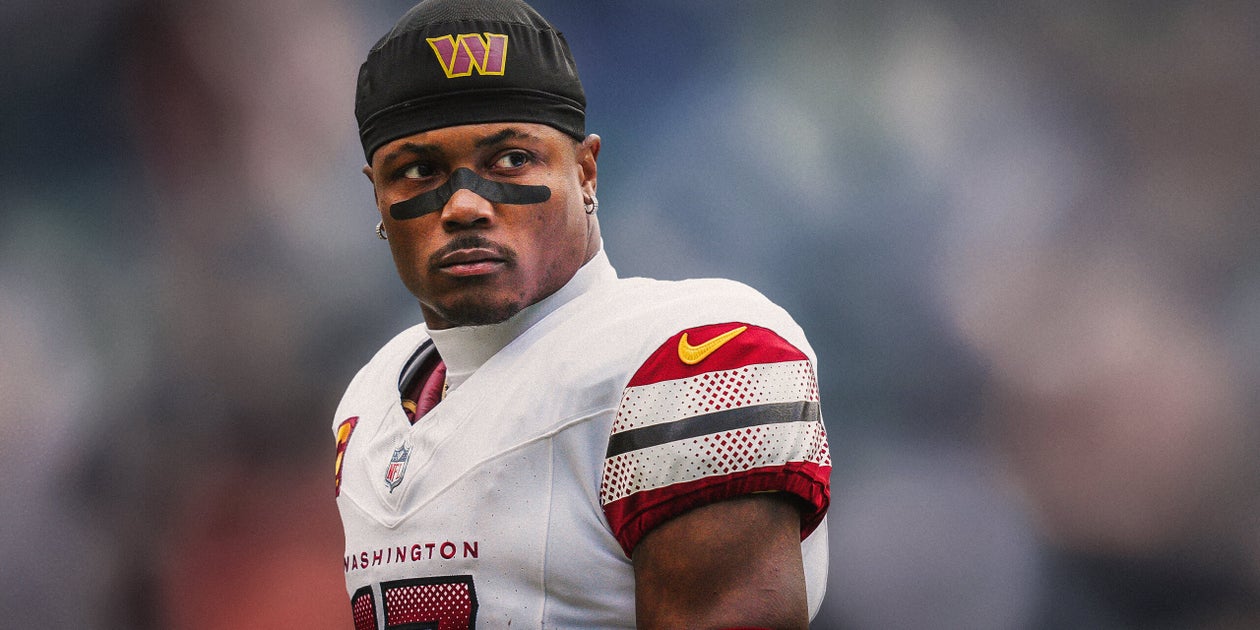
ASHBURN, Va. — At last, normalcy has returned for Terry McLaurin.
Mentally, physically and spiritually, the Washington Commanders’ Pro Bowl wide receiver feels better than ever, and the signs of healing and growth have begun manifesting themselves everywhere.
For example, take a moment in last Friday’s training camp practice.
The 30-year-old McLaurin — entering Year 8 in the NFL — explodes off the line while matched up with fellow veteran Rasul Douglas, and Douglas promptly matches McLaurin’s strides and forces him closer to the left sideline as they race toward the end zone. The coverage is great, the placement of quarterback Jayden Daniels’ pass to McLaurin’s back shoulder is better, and McLaurin’s response is most supreme.
At the last second, the 6-foot, 210-pound McLaurin plants his left foot, pirouettes like a ballerina, simultaneously shoots up his hands, plucks the ball from the air and contorts his lower body to get both tiptoes down just across the goal line before tumbling to the ground. In an instant, McLaurin bounces to his feet, flips the ball aside, points at Douglas, nods and smiles.
Washington Commanders Camp: New coordinators, Stefon Diggs and more
Robert Mays
Stunned that McLaurin managed to get both feet down and complete the tough catch, Douglas could only slap his teammate five. But of course McLaurin — the NFL’s leader in contested catches since his rookie year in 2019, according to Pro Football Focus — made another play. It’s what he does. Or, what he did from 2019 to 2024, when he established himself as one of the most consistently productive and reliable receivers in the league.
Then came 2025 — a tumultuous year wherein McLaurin found himself at odds with the franchise that drafted him in the third round out of Ohio State and whose fans rank him among the most beloved players of the last decade. Then, after resolving a lengthy contract dispute, McLaurin battled injury for the first time in his career. The strife and misfortune rocked the receiver emotionally and led to a grueling journey only exacerbated by struggles that saw his Commanders go from 12-5 with an NFC Championship Game appearance in 2024 to 5-12 and in need of another reset this past winter.
“This last year was the hardest year of my life — from the contract and getting hurt, and you know, I’ve been going through some stuff off the field, just personally,” McLaurin revealed Friday. “It’s been extremely challenging.”
But now, fully healthy and nearly a year after he received his three-year, $97 million contract extension, McLaurin counts his blessings.
“I’ve seen myself grow as a man, grow spiritually, and grow as a teammate,” McLaurin said. “So I just feel like I’m in a great space. … I wouldn’t trade anything because it’s built me into the person I am right now, and I just feel like I’m playing with a type of freedom that I haven’t had. So I’m just looking forward to spilling that out for my team this year.”
Washington and its fans certainly welcome a return to form from “Scary Terry.” For the first six seasons of his career, McLaurin represented one of the few bright spots and sure bets for an organization mired in dysfunction and change.
Two owners, four head coaches, four offensive coordinators, four wide receivers coaches, an astounding 15 starting quarterbacks, and yet, McLaurin always delivered. He recorded five straight 1,000-yard seasons from 2020 to 2024, and during his second Pro Bowl season (2024), racked up a career-high 13 touchdown catches.
“He’s been able to be consistent because he’s a disciplined route runner, and it says a lot of quarterbacks trust him and a lot of coordinators trust him because they’re trying to get him the ball,” Commanders wide receivers coach Bobby Engram explains. “The mentality of being a relentless competitor and truly believing every ball in the air is his ball, and he’s going to get it, that’s what makes him different.”

Terry McLaurin’s uneven 2025 season featured a contract-extension battle and seven games missed due to injury. (Scott Taetsch / Getty Images)
McLaurin always understood his importance to Washington’s offense and organization, or so he thought. But last offseason represented his first true exposure to the business of football — the ugly side of the game. As the Commanders’ view of McLaurin’s worth differed drastically from that of McLaurin and his camp, the wide receiver grappled with how to maintain his mental health and self-belief. Described by anyone close to him as a team-first player, McLaurin struggled with how to conduct himself during negotiations. At one point, he requested a trade despite his strong desire to remain loyal to his teammates.
Eventually, the sides agreed to an extension. But three weeks into the season, McLaurin again found himself in uncharted territory as a quad strain caused him to miss seven games. (McLaurin sustained the injury in Week 3, missed four games, played in Week 8, aggravated the injury and missed the next three.)
Asked to describe the toll both experiences took on him, McLaurin said, “I’ve been somebody who’s kind of struggled with worry, struggled with anxiety, sometimes not feeling good enough. So when you go through contract stuff, when you go through injury, it can kind of make you feel insecure at times.”
A 14-year NFL veteran who played for the Chicago Bears, Seattle Seahawks and Kansas City Chiefs, Engram knew all too well the struggles his star pupil encountered.
“I understood the business side, having played, so we had to let that work itself out, but you never stop supporting the man, and who he is outside of the player. That’s very important to me,” Engram said. “We knew how much he wanted to be with us and be engaged. It was a difficult time. And for any of us that have been injured, we know when guys aren’t around the team, you feel a certain distance, and I didn’t want him to feel that in any way because he was still such a big part of what we were doing.”
In addition to Engram, McLaurin said he leaned heavily on his wife, Caitlin, teammates and other family members and friends. The devout Christian also said he dug deeply into the Book of Proverbs to gain wisdom on how to deal with anxiety, worry and his identity outside of football.
“My faith has really taught me that Jesus is enough, and that I’m great as I am,” McLaurin said. “I learned when you go through those hard things, (God) is building your character. He’s building your resilience, and he’s building something in you for this world. … I just tried to rest in him and genuinely be a great person for the young guys on this team.”
During his recovery, and because he couldn’t help his team in any other way, McLaurin assumed a more vocal leadership role in the receivers room, something that didn’t always come naturally for him.
McLaurin eventually did return to the field, playing the final six games of Washington’s lost season. His 1,000-yard streak came to an end at five seasons as he finished the year with just 38 receptions for 582 yards and three touchdowns in 10 games. However, Engram and the Commanders view the growth McLaurin achieved as far more valuable for the long term.
“I just see a guy who’s really comfortable being a natural leader now,” Engram said. “It’s been a growth process since I’ve been with Terry. So I’m really proud of how he’s been intentional about that. The work ethic is there, playmaking is still there, but him using his voice more in the locker room has been big.”
Said Daniels, “His presence, his voice, I mean, this is a guy that’s been doing it for countless years. … He’s just a true pro, true vet. You guys see him after practice, coaching up the younger guys, giving the game back, the knowledge — just bringing that energy. So last year was last year, but, you know, now we’re happy to step forward.”
Like McLaurin, Daniels battled injury off and on during the 2025 season. McLaurin said he believes the two grew closer as teammates, taking turns encouraging each other. Now healthy again, they hope to spearhead a newly designed offense led by rookie coordinator David Blough. The unit appears to have just gained another impactful addition in the form of four-time Pro Bowl wide receiver Stefon Diggs, who signed with his hometown team last week.
Commanders coaches and officials believe the 32-year-old seven-time 1,000-yard receiver will complement McLaurin nicely. After six seasons of operating as the only consistent receiving threat, McLaurin welcomed the Diggs signing.
“It’s kind of like the Spider-Man meme of them pointing at each other,” McLaurin said. “We just have the same mentality on the field: workhorses who want to be perfectionists, but also energy-givers. I need competitors. Dogs. I think we’re going to just elevate one another. The competitiveness of our room is going to continue to elevate. I think when you put a lot of great players on the football field, it forces the defense to have to respect 100 yards vertically, 53 yards the width of the field. And when you bring a guy like Stefon to our team, he’s a winner. … He’s made players better, quarterbacks, receivers, teams; no matter where he’s gone, and he plays with an edge, similar to myself.”
When discussing the welcome McLaurin extended to Diggs, Engram said, “He’s a genuine guy that just really wants to be a part of something special in terms of a team environment.”
Having overcome the challenges from a year ago, McLaurin believes Washington and its fans are poised to receive the best version of himself yet.
“It’s just too good to have everything normal, and I’m just thankful for what I have: being in Year 8 as a third-round pick, being in a place that’s really just welcomed me, to be a No. 1 wide receiver,” McLaurin said. “Like, God doesn’t have to do another thing for me. He’s overly blessed me. So it’s just about, you know, trying to be used as a vessel and give him the glory through my play. And I think that’s really allowed me to kind of take the pressure of trying to perform. I have a contentment in my heart that’s different, but I’m not satisfied.”
McLaurin catches himself.
“I mean, the satisfaction is just in continuing to put in day-in, day-out work, be the best I can for his glory, and just be a leader out here and try to help (Daniels) and the other guys, and that’s allowed me just to be more free. I’m definitely a testament: When you go through tough times, it really shapes who you are, and it also allows you to know that God’s going to be with you through it.”
>
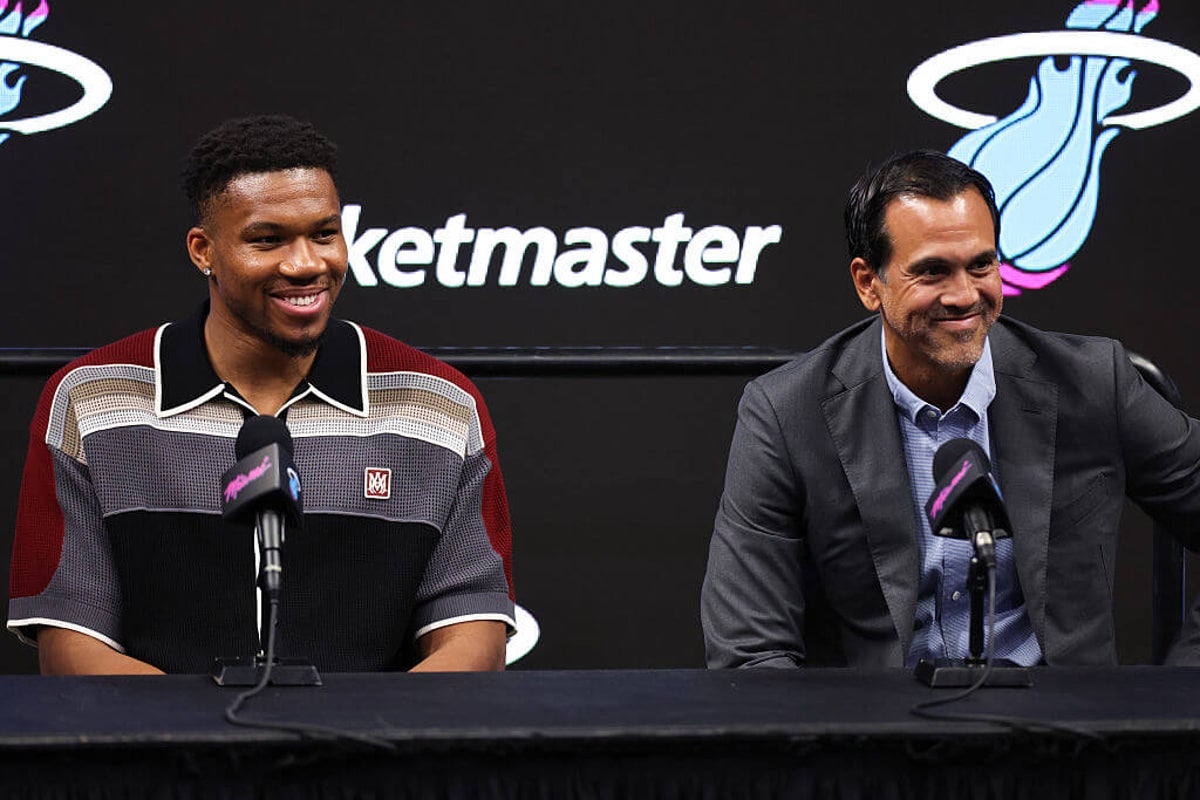
At this time of the NBA offseason, most teams typically have their roster work completed and find themselves ready for a new season. This has not been a normal offseason for the Miami Heat.
Miami traded four players and three first-round picks (plus a first-round pick swap and a second-round pick) to pry two-time NBA MVP Giannis Antetokounmpo out of Milwaukee in late June. Then, the Heat attempted to convince four-time NBA MVP LeBron James to return to Miami for his final chapter, only to watch the 41-year-old sign with the Philadelphia 76ers three weeks into July.
Now, with less than two months until the start of training camp, the Heat have three open roster spots and lingering questions left to answer.
Building an above-average offense
Miami’s ceiling and potential for contention in the Eastern Conference will most likely be based upon its defense. That is the easiest part of the team to project reaching an elite level next season, but there are still significant questions on the other end of the floor.
Antetokounmpo’s individual offensive statistics are staggering. Before trying to play through injuries for much of last season, he had three straight years with the Bucks where he averaged at least 30 points and five assists per game, all while shooting better than 55 percent from the field. Per Stathead, he was the first person since Kareem Abdul-Jabbar (1972-73) and one of only three players in NBA history to do that.
Leading into the 13th game of last season — the one in which he suffered his first serious injury — Antetokounmpo was averaging 32.6 points, 11.3 rebounds and 7.1 assists per contest while shooting 63 percent.
To be clear, Antetokounmpo doesn’t just compile big numbers for himself.
The Bucks never had an offensive rating drop below the 83rd percentile with Antetokounmpo on the floor over the last eight seasons, and the offensive rating with him on the floor was above the 90th percentile in three of those eight, per Cleaning the Glass. After being part of the lineup with the NBA’s highest offensive efficiency (min. 200 possessions) in the 2022-23 season, Antetokounmpo has been a part of at least one lineup that has finished the season in the top 11 in offensive efficiency for the last four years. Before last season, the Bucks were top 10 in six of the previous seven seasons.
But Bucks general manager Jon Horst spent each offseason perfecting his approach to building around Antetokounmpo and identifying the players needed to maximize the 10-time All-Star. With Antetokounmpo performing at an MVP level for the last eight seasons, Horst fine-tuned that approach as best he could. Pat Riley and Andy Elisburg don’t have that opportunity in Miami, seeing as they’ve already used most of their assets to acquire Antetokounmpo.
With their remaining three roster spots, the Heat must seek players who accentuate Antetokounmpo’s strengths and take advantage of his gravitational pull.
Improving 3-point shooting
In trying to build a contending roster around Antetokounmpo, the Bucks always tried to stuff their roster with 3-point shooting. After finishing the 2024-25 season first in 3-point percentage, the Bucks ranked second last season and finished top 10 in 3-point percentage in four of Antetokounmpo’s final five seasons in Milwaukee.
While the Heat may look for different types of players and head coach Erik Spoelstra may ask players to do more than just shoot 3s, it would be logical to expect them to look for more 3-point shooting to help Antetokounmpo.
How the Heat pulled off a heist for Giannis
Esfandiar Baraheni
Last season, no one on the Heat took more 3s per game than Tyler Herro (6.7 attempts, 37.8 percent) and Norman Powell (7.1 attempts, 38 percent). Neither player will be with the Heat this upcoming season. Bam Adebayo took the next most but made just 31.8 percent of the 5.1 3s he attempted per game.
After Adebayo, the Heat have five players from last season who took at least two 3s per game: Andrew Wiggins (4.9 attempts, 41.4 percent), Simone Fontecchio (4.7 attempts, 37.5 percent), Nikola Jović (3.6 attempts, 26.9 percent), Davion Mitchell (3.3 attempts, 39.5 percent) and Pelle Larsson (2.7 attempts, 32.3 percent). They also added former Buck Bobby Portis, who might have had the best 3-point shooting season (4.4 attempts, 45.6 percent) of anyone on this year’s Miami roster.
With Antetokounmpo, 3-point looks will likely be more open and less difficult, but his teammates will either need to increase their 3-point volume or raise their shooting percentage to provide spacing. Even if the Heat add more shooting, they’ll need continued internal improvement to maximize this endeavor.
Deciding how to defend
Similar to Antetokounmpo on the offensive end, Adebayo being on the floor has meant good things for the Heat defensively.
Over the last five seasons, Heat lineups including Adebayo have never finished below the 75th percentile leaguewide, according to Cleaning the Glass. Those lineups finished the 2023-24 season in the 89th percentile and the 2021-22 season in the 94th percentile. Last season was the first time the Heat finished outside of the top 10 in defensive rating since the 2014-15 campaign.
With Spoelstra at the helm and Adebayo on the floor, the Heat have traditionally been a great defensive team.
Antetokounmpo’s defensive effort has waned over the years due to his increased offensive duties, but his defensive skill set remains unquestioned. He has the quickness, strength and intelligence to guard multiple positions and make a significant impact. Wiggins has great size and capably defends big wings while also being an intelligent team defender. Mitchell is one of the NBA’s most annoying on-ball defenders against point guards.
With those four, the Heat have the basis for a group that should finish the season in the top 10, if not the top five, of defensive rating. For Miami to get the most out of its most talented defensive players, Spoelstra will have to decide exactly how to deploy them.
Over the last five seasons, the crux of Miami’s strong defensive efforts has been a low free-throw rate, strong defensive rebounding and a limit on shots allowed at the rim. By not sending teams to the free-throw line at a high rate, limiting second-chance opportunities and not letting teams get all the way to the rim, the Heat have limited opponents’ access to the easiest points.
They’ve done all of that while also being one of the most physical teams in the NBA and utilizing more versatile schemes than just about anyone in the league. Per a league source with Second Spectrum access, Miami switched on 38 percent of the pick-and-rolls they defended last season, which ranked third behind the Brooklyn Nets and Los Angeles Lakers. Additionally, the Heat were top five in switch frequency in the 2021-22 and 2022-23 seasons. Spoelstra also has been one of the league’s most prominent adopters of zone defense strategies.
In the end, the Heat have talented defenders, and they’re coached by one of the most creative defensive minds in the NBA. They will likely be one of the best defensive teams next season; it’s just a matter of how Spoelstra wants to use his personnel to get that done.
>
Sports
Luis Miguel Ramis interview: Osasuna boss ready for LaLiga after long route to the top via Real Madrid’s academy | Football News
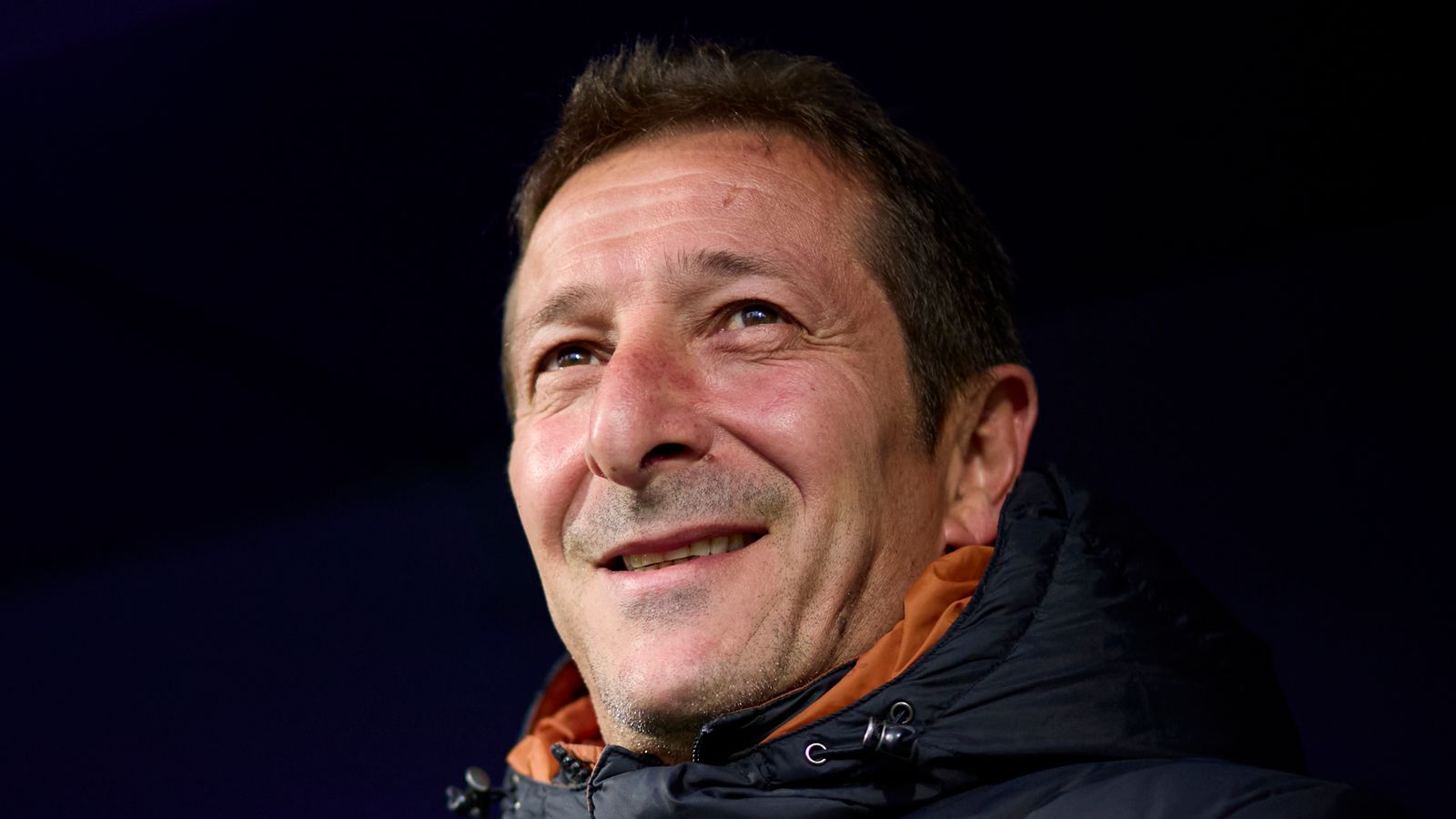
As a player, Luis Miguel Ramis made his debut in LaLiga with Real Madrid and went on to win the competition with Deportivo La Coruna. Now 56 years old, the route back to Spain’s top division has taken him rather longer as a coach. But he has made it.
After a decade coaching in Real Madrid’s renowned academy, and a further 10 years in Spain’s lower leagues, Ramis took charge of Osasuna this summer. “This opportunity came my way,” Ramis tells Sky Sports. “I am prepared and excited for the challenge.”
It will not be easy. Osasuna has been something of a model outfit in Spain, consistently punching above their weight, buoyed by a clear strategy and a quality academy. But the club from Pamplona came close to the drop last season, finishing down in 17th place.
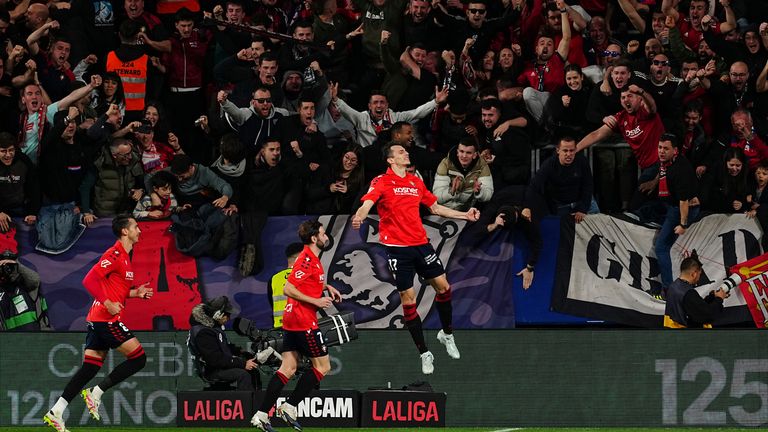
Osasuna’s Ante Budimir celebrates after scoring against Real Madrid earlier this year
Victor Munoz, their prized asset, has been sold to Liverpool. But Ramis is not thinking about the stars. “I want a team that has a collective spirit, is organised and balanced,” he explains. “We need to have a strong defensive structure and a collective mentality.”
When Ramis talks of the “heavy physical workload” he is subjecting the players to in pre-season, there is the sense of a practical man preparing them for the slog ahead. But this former defender knows how to appreciate the artists just as much as the artisans.
During the course of our conversation, he smiles at the recollection of playing with his old team-mate Robert Prosinecki at both Real Madrid and Sevilla. The mercurial Croatian often liked to smoke at half-time. His habits were tolerated due to his genius.
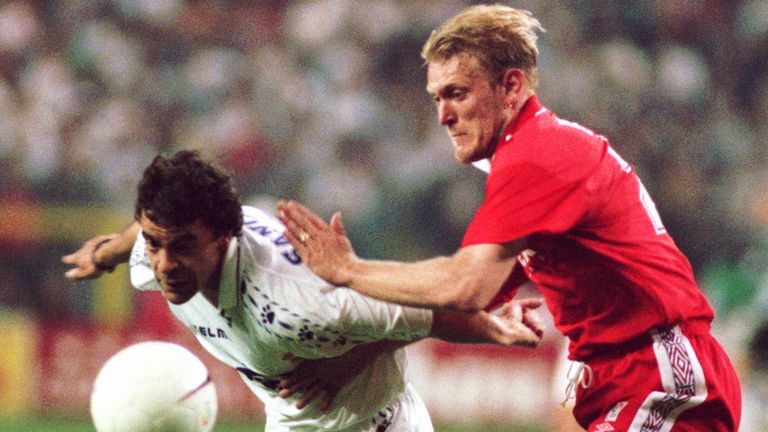
Robert Prosinecki in action for Sevilla against former club Real Madrid in 1997
At Depor, Ramis was a colleague of Djalminha, the temperamental Brazilian playmaker who nevertheless propelled the Galician side to glory in Spain at the turn of the century. Would Ramis the coach be able to deal with these mavericks? It would be tricky, right?
“Not at all! They were exceptional team-mates who tried to inspire with their talent,” he insists. “What mattered least of all to any of us were each other’s private lives. What mattered most of all to us was that we respected each other in the dressing room.”
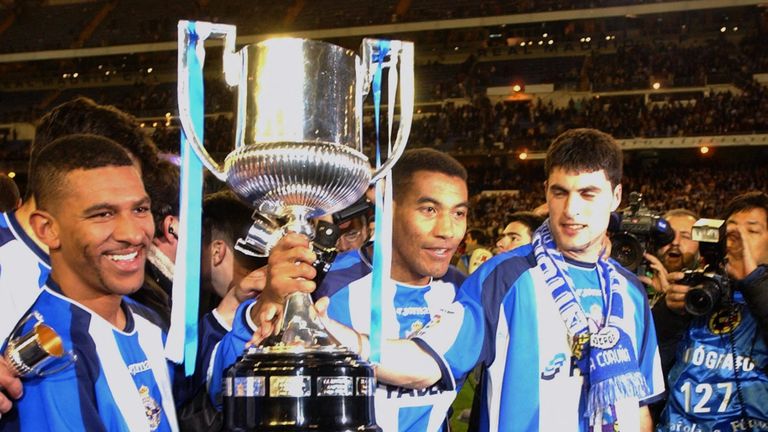
Djalminha (left) pictured with the Copa del Rey during Deportivo La Coruna’s glory days
He concedes that the game has changed, however. “Football has evolved enormously. Talent still exists. Star players still emerge. Those with special qualities still reach the top. But there has been significant progress in terms of players’ physical conditioning.”
He adds: “Nutrition departments, psychology departments and improved facilities have emerged. Coaching is better too. All that makes players more complete. In the past, teams depended more on talent. Now, besides talent, you need many other qualities.”
His years coaching some of the best young talent in the world at Madrid taught him that. Among the many prospects to pass through was Martin Odegaard, now one of the Premier League’s outstanding midfielders and captain of current champions Arsenal.
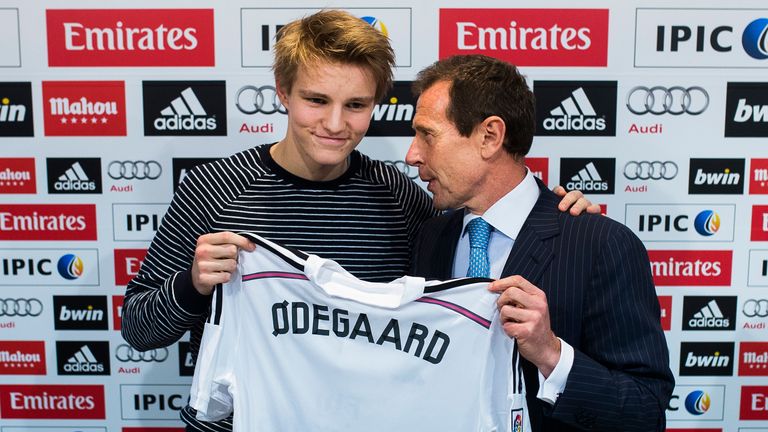
Martin Odegaard is unveiled as a Real Madrid player in January 2015
Ramis remembers the talent. More importantly, he remembers what was still required for Odegaard to fulfil his potential. “He only needed to add hard work, sacrifice and a competitive character. Today, he is a reference in England and for his national team.”
The point is one that clearly resonates with him. “In football, the players who reach the highest level do not get there just through talent. They get there because of their work, their sense of responsibility and the personality they show in the big moments.”
They will be messages that his current club hope he can impart. “Osasuna is certainly a club that pays close attention to its young players.” A decade ago, they were notable in giving more minutes to domestic players than any other club in Europe’s major leagues.
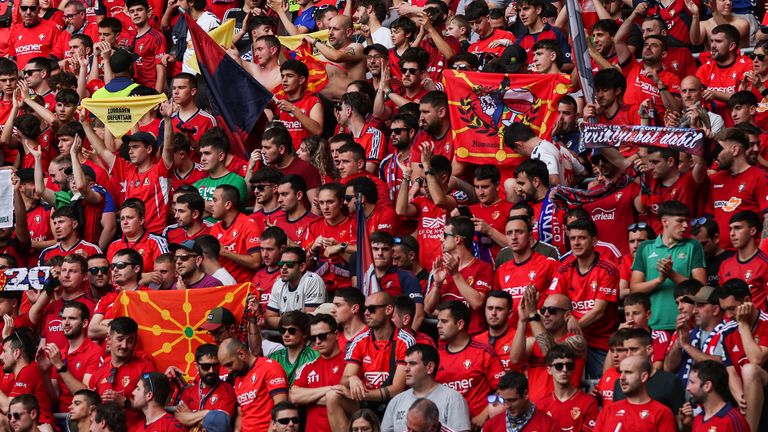
Osasuna supporters crammed into the intimidating El Sadar stadium
Many graduates remain in the first team and it is part of the thinking behind Ramis being a good fit. “It is true that spending so much time in Real Madrid’s academy has given me experience in the development and progression of younger players,” he acknowledges.
“In fact, there are quite a few academy players here. The important thing is that if we see them as ready to play then we play them so that they can continue their progress and development and experience the level that is required to play in the top division.”
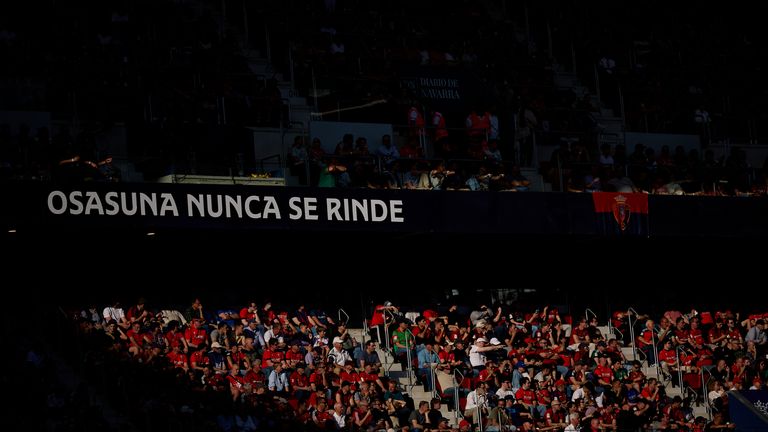
‘Osasuna never gives up’ – a view of the stands of El Sadar during an Osasuna game
But Ramis is not at La Fabrica now and this is no development job. It is Osasuna, the only major team in the province of Navarre. This is their eighth consecutive season in the top flight. They intend to stay. “Every team has its own needs and characteristics.”
For Osasuna, the task is to improve the results. “First of all, we want to avoid suffering the way that the team did last season. We know there will be good moments and less good moments but we want consistency in the team’s behaviour and their identity.”
After many years spent helping others to make the step up, the onus is now on Luis Miguel Ramis to do the same.
>

Commanders’ Terry McLaurin feels free after enduring ‘hardest year’ of his life

Can Erik Spoelstra, Heat surround Giannis, Bam Adebayo with enough 3-point shooting?

Phantom: Phantom of Inferno Game Slated for Steam on September 4 – News
-

 movies3 months ago
Search For Canadian TV Actor Stewart McLean Now Homicide Investigation
-

 Fashion9 years ago
These ’90s fashion trends are making a comeback in 2017
-
Fashion9 years ago
According to Dior Couture, this taboo fashion accessory is back
-
Fashion9 years ago
Model Jocelyn Chew’s Instagram is the best vacation you’ve ever had
-
Fashion9 years ago
Your comprehensive guide to this fall’s biggest trends
-
Fashion9 years ago
Emily Ratajkowski channels back-to-school style
-
Fashion9 years ago
9 Celebrities who have spoken out about being photoshopped
-
Fashion9 years ago
A photo diary of the nightlife scene from LA To Ibiza