
Entertainment
Raskin: David Ellison, Trump Colluding to ‘Curtail Media Independence’

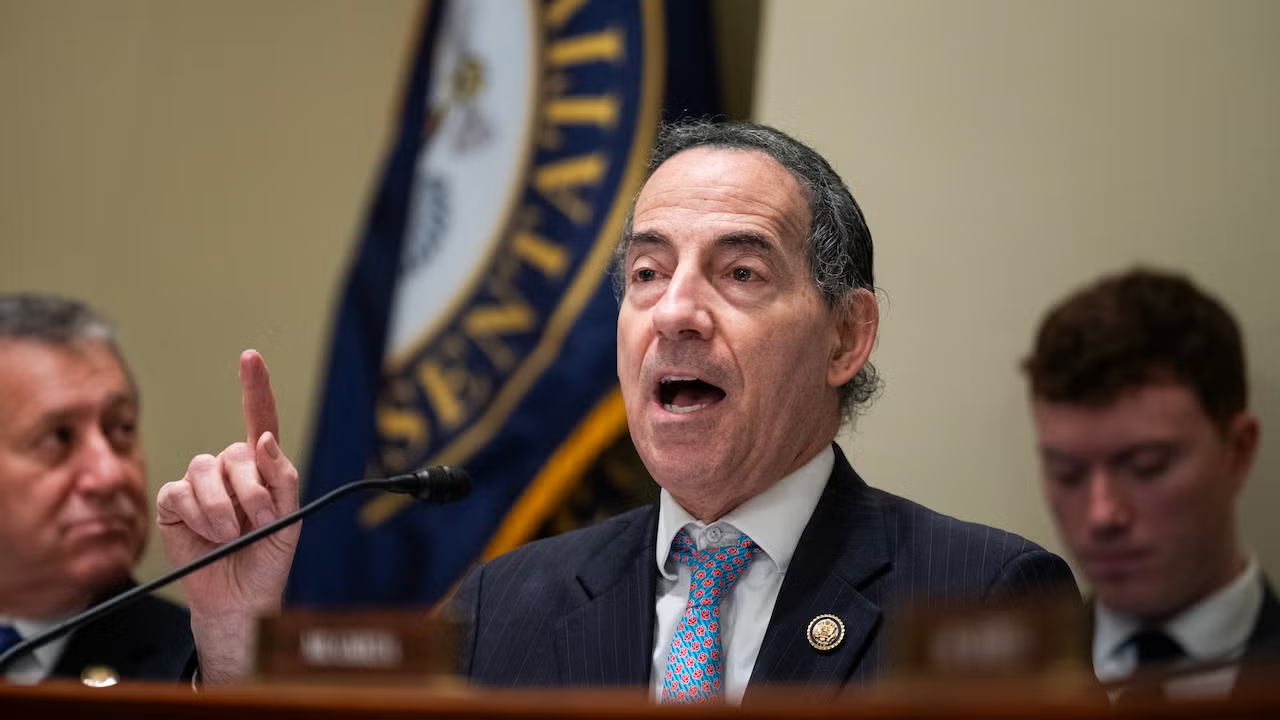
Democratic Rep. Jamie Raskin has penned a letter to Paramount CEO David Ellison accusing him of colluding with President Trump to “curtail media
independence, spread political censorship, and suppress dissent” as it seeks to close a pending $110 billion merger with Warner Bros. Discovery.
In the letter, Raskin references a Wall Street Journal report that Ellison offered assurances to the administration that he’d make sweeping changes to CNN if he was able to acquire the network, which Paramount has denied.
“President Trump has made clear he wants both ‘new ownership as well as changes to CNN programming’,” Raskin wrote.”You have eagerly shown the President that you are going to deliver on both counts as if you are controlling organs of state media.”
In a recent New York Times op-ed, Ellison broke his silence about a lawsuit from a group of 12 state attorneys general seeking to block the merger, arguing that it’s about his ownership of CNN.
At the time, he noted that he does not aspire to lead CBS or CNN to “bend their newsrooms to my views.” He also said that news should be based on facts and truth and that CNN would remain independent and “continue to answer to the facts and to all the people they serve — not to any party or cause.”
Despite these commitments, Raskin argued that Ellison’s CBS takeover “already tells a sharply different story.”
“Your company appears to be colluding with the Trump Administration to promote political and ideological censorship at every turn by stifling, revising, or censoring any news stories that depart from the official government orthodoxy dictated by President Trump. CBS’s own reporters have shared how, under your leadership, the newsroom has catered to President Trump’s political whims and dictates under the watchful eye of a MAGA minder,” he wrote. “You are creating a media environment conducive to the kinds of authoritarian regimes President Trump favors, like those found in Vladimir Putin’s Russia, Kim Jong Un’s North Korea, or Xi Jinping’s China.”
Over the past 12 months, Raskin says Ellison has failed to respond to four letters seeking answers about the Paramount Skydance and Paramount-Warner Bros. Discovery merger and the collusion allegations.
He warned that the House Judiciary Committee is committed to scrutinizing how antitrust laws are being being enforced to promote the public interest, how market power abuses may be harming not only competition but consumers, workers, and the public generally, and whether the federal antitrust agencies are successfully promoting free competition and innovation or using governmental powers to “distort the market and undermine freedom of speech and freedom of the press, in violation of the First Amendment.”
“Now that you have vowed to break your long silence, I invite you to a transcribed interview to tell Congress and America your story and answer the Committee’s questions about your Donald Trump-enabled shopping spree to consolidate news organizations, movie studios, cable channels, and streaming services,” he added.
The letter sets a deadline of no later than 5 p.m. on Aug. 26 to schedule the interview. A spokesperson for Paramount did not immediately return TheWrap’s request for comment on the letter.
More to come…

>
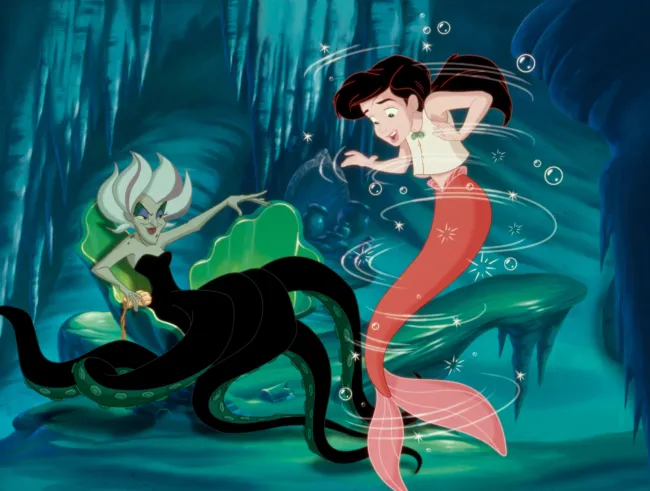

When I first saw “Gladiator II” in theaters two years ago, the film it most reminded me of was not the first “Gladiator,” or “Ben-Hur,” or any other sword-and-sandals epic for that matter. Instead, as IndieWire’s own Alison Foreman and I left the bizarrely hot Alamo Drafthouse Theater discussing the decades-later sequel, which cast Paul Mescal as the son of Russell Crowe’s original enslaved Roman warrior fighting a battle eerily similar to the one his father fought 25 years ago, the movie I immediately brought up as a comparison was “The Little Mermaid II: Return to the Sea.”


Released in the year 2000, 11 years after the original “Little Mermaid” pushed Disney into its celebrated ’90s renaissance period, “Return to the Sea” is a direct-to-video sequel about what would happen if Ariel grew up and had a daughter who went through a more or less identical emotional journey as her. Some of the particulars are swapped out (it rests on the role-reversal of Ariel’s child Melody being raised as a human who wants to explore the sea instead of a mermaid who yearns for land), but “Return to the Sea” isn’t so much an evolution or expansion on the colorful undersea world Disney created in the original movie as it is an attempt to encase it in amber.
As Ariel did before her, Melody chafes against overbearing, protective parents who disapprove of her thirst for adventure, and gets manipulated by a sadistic sea witch — Morgana, or “Ursula’s crazy sister,” as Sebastian clumsily explains to the audience in the prologue (she’s also voiced by Pat Carroll, to boot). The journey to the sea largely sees Melody enter a mermaid kingdom that hasn’t moved on or grown in the decade since the events of the original. Flounder got older and had kids, but everyone else is where they were when Ariel — who distressingly still looks like a 15-year-old as a grown mother — left them. If the intended result is to chase the magic of the original — albeit with inferior songs and a noticeably shaky animation budget — the results feel more depressing than nostalgic, an attempt to puppet a dead fish back to life when it really should just be tossed into the garbage.

I never watched “Return to the Sea” as a child, only throwing it once during the height of COVID via Disney+, where all of the House of Mouse’s worst and most embarrassing projects go to languish, so I didn’t have the nostalgia necessary to see the sequel as anything but amateurish. And as I watched “Gladiator II,” which, like “Return to the Sea,” follows the child of the original main character in a story that largely follows the same basic beats of the original, all I could think of was how this $200 million blockbuster and Oscar hopeful felt about as cheap and small as a direct-to-DVD children’s movie.
That feeling, that a big-screen sequel feels like it belongs on the racks of my dearly departed Oyster Bay, New York Blockbuster location, is something that’s become all too prevalent in recent years as franchise IP has been endlessly mined by corporations. For as disposable as the Disney direct-to-video sequel factory felt at the time, standards have slipped to the extent that modern sequels feel like they can belong to that world.
“Return to the Sea” was a part of a veritable empire of quickly made, haphazardly handled direct-to-VHS or DVD films produced by Disney over a roughly 20-year period, from 1994 with the release of “Aladdin” sequel “The Return of Jafar” to 2014, when the release of a final film in a “Tinker Bell” animated movie franchise hit bargain bin shelves. Largely produced by DisneyToon Studios, which shuttered in 2018, in conjunction with Walt Disney Television Animation, with animation work outsourced to foreign teams in Japan and Australia, these movies often barely kept up any pretense of artistic integrity, more a Christmas stocking stuffer with some recognizable characters slapped onto the front cover than meaningful or thoughtful projects in and of themselves.

The resources provided to the teams responsible for the movies were extraordinarily low: “The Return of Jafar” was made on a $3.5 million budget compared to the original’s $28 million, and as the first effort from the studio, that film’s animation is on the more polished end when you look at some of the projects that came after its success. Generally clocking in at runtimes under 90 minutes, sometimes barely even hitting a full hour, the stories were generally lazy, forced rehashes of the conflicts of the originals.
These films came in a few different permutations. There were the actual, proper sequels starring the main characters of the original films (“The Return of Jafar,” “Mulan II,” “The Hunchback of Notre Dame II.”) Then there were the films that took the “Return to the Sea” approach and followed the kids of the original characters: “The Lion King II: Simba’s Pride” stars Simba’s daughter Kiara in a relationship drama with the uncomfortably sexy Kovu in a spin on “Romeo and Juliet” where the original aped “Hamlet,” while “Lady and the Tramp II” focused on the dogs’ puppy Scramp as he runs away from home and falls in love with a stray.
For films like “Beauty and the Beast” or “Bambi II” that ended with a major status quo change that would require some creativity to meaningfully explore, Disney created “midquels” set around the events of the original: “Beauty and the Beast: The Enchanted Christmas” is set within a montage from the first film mostly so all of the castle staff can retain their memorable (and marketable) cursed forms, while “Bambi II” is set between the traumatic death of Bambi’s mother in the original and the time jump to the deer as a young adult. Most exceptionally lazy were the films that very obviously stitched together three episodes of a shelved TV spinoff through a haphazard framing device, a fate which befell franchises like “Beauty and the Beast” (“Belle’s Magical World,”), “Cinderella” (“Dreams Come True”), “Tarzan” (“Tarzan & Jane”), and “Atlantis” (“Atlantis: Milo’s Return”).

I’m not going to pretend that I was a discerning enough child not to love a few of these movies growing up. “The Lion King 1/2,” a retelling of the iconic animal epic from the perspective of comedic relief Timon and Pumba, was probably the funniest film of all time to me when I was 7 years old. I remember watching “The Fox and the Hound 2” — a midquel set between the act break of the infamously dark and depressing original where Cooper joins a traveling circus of singing dogs — an unhealthy amount of times growing up. A few, revisited today, have some redeeming qualities: “Cinderella III: A Twist in Time” is an unexpectedly charming and nifty adventure film that succeeds by taking a looser, more comedic approach than the rather stately original 1950 animated classic.
But what rare gems can be found within this physical media dust heap are vastly, vastly outweighed by the sheer number of badly animated, poorly conceived movies hastily made by DisneyToon to meet deadlines. Many are just boring, but a few are outright insulting towards anyone who loved the originals: “Mulan II” and the “Beauty and the Beast” films make the romances that fueled the original Disney Renaissance films come across as worryingly toxic, while the painfully bad “Hunchback of Notre Dame II” forgoes the self-acceptance arc that drove the original film in favor of pairing Quasimodo with a generic new love interest. But even the okay ones have a stale stench to them that makes revisits more depressing than nostalgic; rather than expanding our understanding of the original works, these sequels make the animated films feel so much smaller and duller.
After producing direct-to-VHS and DVD sequel and spinoff films throughout the ’90s and 2000s, DisneyToon output slowed down in 2006, upon John Lasseter joining Disney after the Pixar acquisition and promotion to chief creative officer of the corporation’s animation studios. Reports at the time alleged Lasseter disliked the sequel films as devaluations of the animated classics they were based on, and after the release of “The Little Mermaid: Ariel’s Beginning” in 2008, production on these films largely stopped outside of the “Tinker Bell” films, which had vanishingly little to do with the original “Peter Pan.”

A time when Disney cared about quality control feels slightly surreal nowadays, looking at what the company has evolved into over the past 20 years since the direct-to-DVD era died down. As much as the sequels may have seemed like they were crowding the market at the time, confining them to the world of home video and outside of theaters is downright restrained compared to the company’s modern practices, with the glut of ugly live-action remakes that make the cheap animation of these films look downright artistically inspired. Many of these films — from the “Mufasa: The Lion King” prequel to the one “Christopher Robin” movie with disturbing CGI stuffed animals — would’ve and should’ve been direct-to-video years ago.
That’s not even mentioning the House of Mouse’s attempts at sequels, which often have the cheap, slapdash feel of a Disney VHS release despite being major blockbusters. “Moana 2” in particular is a film that quite literally would have been released direct-to-video had it come out in the 2000s; the film began as a Disney+ show before getting retrofitted into a theatrical film, with the seams between episodic installments in the adventures of Moana and her friends proving as readily obvious as they did in “Belle’s Magical World.” Outside of the animated world, this year saw Disney release “The Mandalorian and Grogu,” a “Star Wars” film that looked and felt like three or four episodes of a show stitched together.
It’s not just Disney animated movies that have been feeling increasingly lacking in imagination for how to follow-up upon beloved original properties. It’s been customary in film circles to bemoan the rise of legacy sequels, movies that follow a new generation of characters in the same world of a once prominent franchise, with original characters back mostly for nostalgia and vibes. “Gladiator II” is an obvious example, as are the recent “Ghostbusters” films which follow the kids of the original “Ghostbusters” but bring back the original cast mostly for cameos and to parade around like action figures for fans to applaud for. Some of these films occasionally work, but the fundamental problem with many legacy sequels is how safe they are, content to circle the drain and indulge in nostalgia instead of pushing these properties anywhere new.
You could argue “The Color of Money” was the first legacy sequel if you want (it’s also one of the best), but some of the first that I or people of my generation encountered were the strand of Disney direct-to-VHS sequels about the kids of the original characters. “Return to the Sea” is effectively a legacy sequel that casts the original characters as supporting parts in the story of Ariel’s annoying daughter, while “The Lion King II: Simba’s Pride” accomplishes something similar. Even the films that aren’t explicitly about the next generation often have a stasis-like quality to them, refusing to take risks or stray from the original films in any daring way, that feels apiece with where modern franchise filmmaking is in 2026.
Nowadays, you could easily imagine movies “Return to the Sea” and “Return of Jafar,” with some minor polish towards their visuals, making it into actual movie theaters rather than getting pushed out into video stores. That says less about their quality or how well they hold up today for anyone lacking in nostalgia goggles than it does about where Hollywood and the film industry is in 2026, where standards of craft and ingenuity have felt like constantly slipping benchmarks modern corporations don’t even really try to reach. The death of the physical media market has been a tragedy for many reasons. But there’s something to be said about a time where movies like these were treated as the second-hands they were.
>
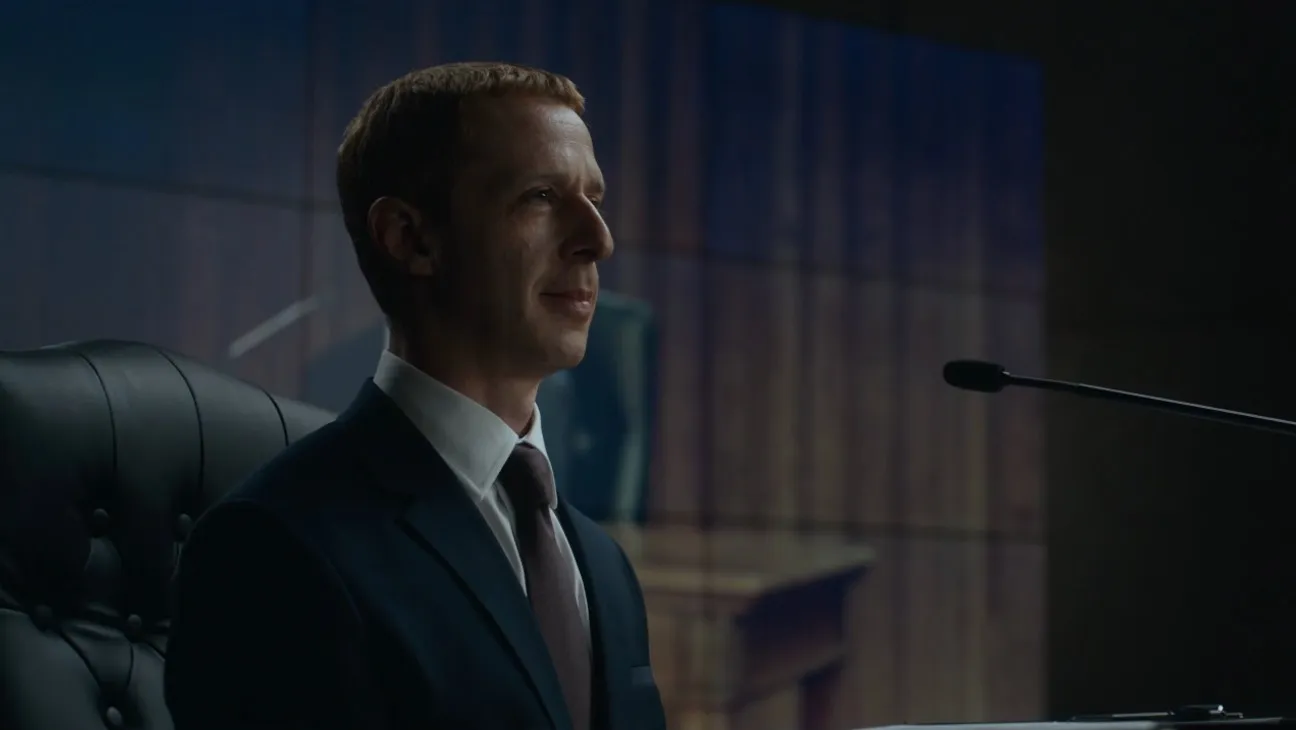
Aaron Sorkin says Facebook has gotten “way out of hand” and evolved into a social media monster that doesn’t reflect what co-founder Mark Zuckerberg originally intended.
The writer and director of the upcoming film The Social Reckoning — the sequel to the 2010 hit The Social Network — tells Esquire in a new interview that the social media platform has become dangerous given how many of its billions of global users get their news from the platform.
“I don’t want to get the stat wrong, but it’s about a third of American adults get their news from Facebook,” Sorkin said (Pew’s latest research puts the number even higher, at 38 percent). “That is very dangerous. We’re no longer agreeing that the sky is blue and two plus two equals four.”
Continued Sorkin: “And by the way, let me be clear: I don’t think Mark Zuckerberg ever intended for it to have a corrosive effect. I think his intentions were good. He was somebody who, like a lot of people, had difficulty fitting into the social structure of college life and probably high school. He invented his own social structure, and he got to be the mayor of it and couldn’t be excluded from it. His brilliance is undeniable, and that was a cool thing and it got way out of hand. It’s gone completely out of control.”
Sorkin has previously declared “I blame Facebook for January 6,” and was asked about that connection in the new interview and whether it’s part of the film.
“What definitely is part of the movie is what Facebook did in 2018. They were in trouble. Engagement was going down, there was competition from TikTok, and they had to do something. So they retuned the algorithm … they knew that the things that get reshared the most are rage bait. So they began pumping into the air supply all this stuff intended to make you mad. Certainly, you can draw a line from that to January 6.”
Based on true events, the new film centers on a young Facebook engineer named Frances Haugen (Mikey Madison) who teams up with Wall Street Journal reporter Jeff Horwitz (Jeremy Allen White) on a risky mission to bring attention to the social network’s biggest secrets. Jeremy Strong takes over the role of Zuckerberg from Jesse Eisenberg, who played the role in the first film.
The 65-year-old screenwriter was also asked about his stroke, from which he thankfully says he’s managed “to recover 100 percent.”
“I had been not living a very healthy life,” he said. “I wasn’t exercising enough. I was still eating the way I ate in college. I was smoking a lot. So I decided not to do that anymore. And it wasn’t even because I felt bad. It was because I saw the look in my daughter’s face. I scared the hell out of her, and I didn’t want to do that anymore.”
Sony Pictures is set to release The Social Reckoning in theaters Oct. 9.
>

Netflix believes it has another tentpole on its hands with its animated take on “Charlie and the Chocolate Factory” starring Taika Waititi as Willy Wonka, so much so that they’re putting the movie in theaters first before it lands on streaming.
But this is not a change in strategy! Really. Truly. It’s just the streamer’s third movie that will hit theaters in an exclusive theatrical window in the span of 12 months.
“Charlie and the Chocolate Factory” will open in theaters next year on November 5, 2027 and then open on Netflix December 22, 2027. That’s on top of two other major titles Netflix is opening theatrically in the next year, the first being David Fincher’s Cliff Booth movie and still-untitled follow-up to “Once Upon a Time in Hollywood” starring Brad Pitt, which opens November 25, and followed by “Narnia: The Magician’s Nephew” from Greta Gerwig. That movie was originally meant to open in the Thanksgiving awards corridor but was pushed to February 12, 2027 to give it a longer IMAX berth. It won’t be available on Netflix until April 2, 2027, so a long window too.

In terms of “Charlie and the Chocolate Factory,” it will be exclusively in theaters for that entire span of over six weeks before launching ahead of Christmas, which is a 48-day window, on par with what Paramount is promising to movie theaters should it merge with Warner Bros. Discovery. Currently, “Charlie” is scheduled to open the same day as another holiday kids’ movie, WB’s “Margie Claus” starring Melissa McCarthy.
Netflix releases a lot of movies, so when it or its executives say this isn’t a change in strategy, it’s a sign that the stuff like “People You Meet on Vacation” or “Remarkably Bright Creatures” are still streaming plays, even if some of them get an awards season eligibility run in theaters. But these are now three tentpoles getting sizable windows, all in a relatively short span, so we can’t pretend that this isn’t a little unprecedented for Netflix.
The streamer is also leaving the door open to do other theatrical events with some of its most popular titles, like it did with the “KPop Demon Hunters Singalong” or the “Stranger Things: The Finale” for a single, New Years Eve special engagement. “KPop” even happened after that movie was already a bona fide mega hit, but it still did some good business.
Our read on it all is that no, this is not a change in strategy, Netflix is still true to its word, but it’s a signal to major filmmakers Netflix wants to work with that it has softened on the idea of theaters and sees the value in it when the opportunity presents itself. We don’t think Chris Nolan is suddenly going to jump ship and work with Netflix for his next movie, but Gerwig and Fincher won’t be the last auteurs who push for more.
“Charlie and the Chocolate Factory” stars Kit Connor and Waititi, and the streamer also announced a voice cast that now includes Nicola Coughlan, Charithra Chandran, Samson Kayo, Christopher Chung, with Kate Winslet, and Helena Bonham Carter. Jared Stern (“The LEGO Batman Movie,” “Green Eggs and Ham”) and Elaine Bogan (“Trollhunters: Tales of Arcadia,” “Spirit Untamed”) are directing the film. Sony Pictures Entertainment is handling the international rollout of the film.
Here’s the official synopsis based on Roald Dahl’s classic: “Willy Wonka (Waititi) has spent the years since the Golden Ticket contest behind bars (not the chocolate kind) for the crime of turning a child into a blueberry. Having served his time, Wonka returns to his factory determined to add a little sweetness to a bitter world. But one thing stands in his way: teenager Charlie Paley (Connor) and his friends. Facing eviction, this next generation of ‘rotten’ kids plot to break into the factory, nab a priceless Wonka Bar, and save their homes. But like many before them who enter the fantastical world of the factory, these kids are in for a bit more than they can chew.”
>

German soccer club warns vloggers over recording in stadiums, asks for ‘mutual respect’

Could AI Increase Fossil Fuel Emissions in APAC Oil and Gas?

Disney’s Direct-to-Video Sequels Paved the Way for Movie Mediocrity
-

 movies3 months ago
Search For Canadian TV Actor Stewart McLean Now Homicide Investigation
-

 Fashion9 years ago
These ’90s fashion trends are making a comeback in 2017
-
Fashion9 years ago
According to Dior Couture, this taboo fashion accessory is back
-
Fashion9 years ago
Model Jocelyn Chew’s Instagram is the best vacation you’ve ever had
-
Fashion9 years ago
Your comprehensive guide to this fall’s biggest trends
-
Fashion9 years ago
9 Celebrities who have spoken out about being photoshopped
-
Fashion9 years ago
Emily Ratajkowski channels back-to-school style
-
Fashion9 years ago
A photo diary of the nightlife scene from LA To Ibiza