
Sports
U.S. Open wild cards: Serena Williams keeps fans waiting on first appearance in four years

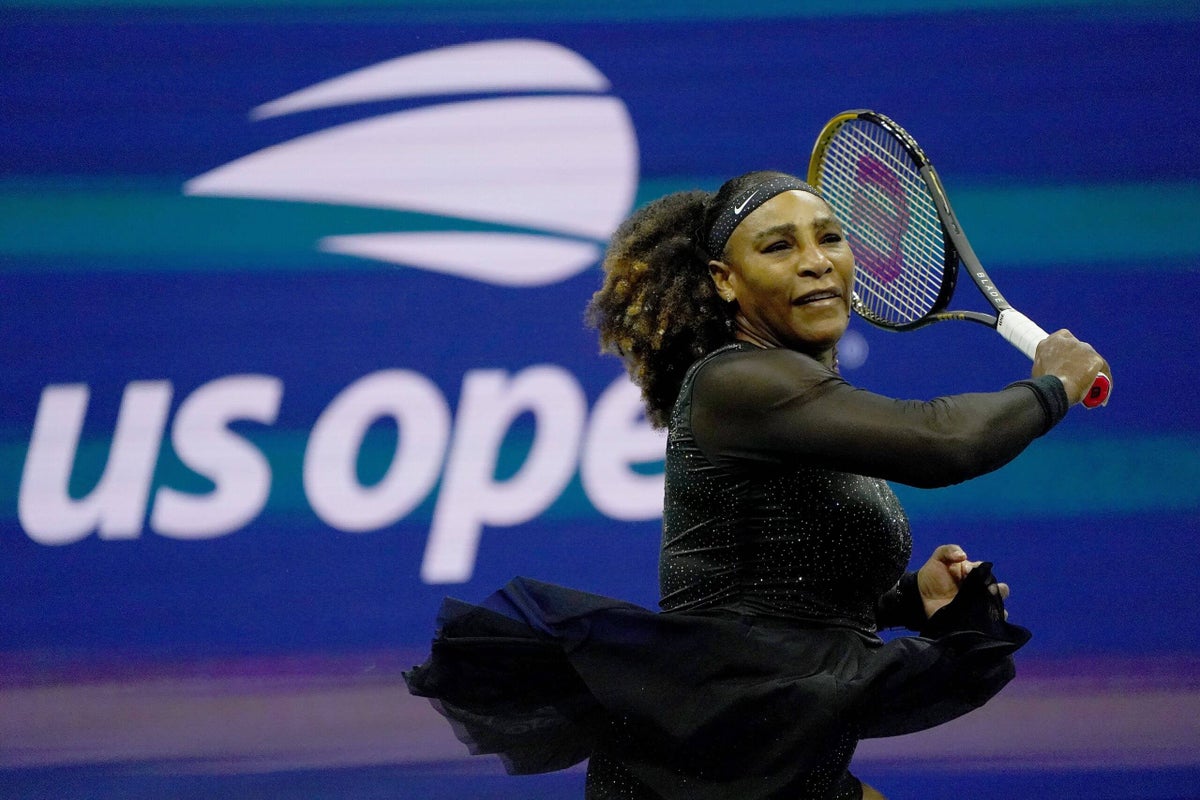
Wild cards at Grand Slams can be fraught at the best of times. There are reciprocal arrangements between the nations that host them, crowd favorites looking for one last hurrah and rising talents vying for a chance to perform on the biggest stages in tennis.
At the Australian, French and U.S. Opens and at Wimbledon, the vast majority of them go to players from the host nation, already home to the wealthiest tennis federations with the most money to support their players with development programs.
Everyone else spends the year trying to get a high enough ranking to earn a spot into the main draw. Wild cards haven’t yet achieved that goal, which is why they need one to get in — and to pick up the $100,000 or so that comes with participating in the first round.
At this year’s U.S. Open, all of that is in play — before the small matter of one of the greatest players of all time possibly returning to the tournament at which she had appeared to say goodbye to the sport that she dominated.
Serena Williams does not yet have a wild card into the 2026 women’s singles, but one remains unallocated and the 23-time Grand Slam champion is at the front of the queue.
Williams, 44, last played in New York in 2022, winning two matches before falling to Australia’s Ajla Tomljanović in a farewell that shook Arthur Ashe Stadium and the wider foundations of the sport all at once. If she has recovered from a knee injury she sustained playing her first match in four years at Wimbledon and wants the last wild card, it’s hers for the taking.
Why Serena Williams chose Wimbledon to return to playing singles
Ava Wallace
Venus Williams, 46, has received one, despite a 0-13 record in singles since she won the first match of her return to tennis at the 2025 D.C. Open. She is joined by the 2017 U.S. Open champion, Sloane Stephens, who is 33 and trying to come back from a debilitating foot injury. Stephens has been a mainstay of Grand Slam commentary in the past year, but has impressed at the Cincinnati Open as she returns to the court.
Carol Young Suh Lee, 24, the American who accumulated the most points since Wimbledon among players who did not qualify by ranking; Reese Brantmeier, the NCAA singles champion and the winner of the American collegiate player wild-card playoff, and Thea Frodin, the girls’ under-18s national champion who played a young Venus Williams in the Oscar-winning biographical film “King Richard”, round out the field.
Venus and Serena played doubles together Monday night at the Cincinnati Open, losing a match tiebreak to Peyton Stearns of the U.S. and Marta Kostyuk of Ukraine. They could appear together in women’s doubles in New York, but would also require a wild card entry.
On the men’s side, college tennis superstar Michael Zheng receives a wild card after qualifying for the Australian and French Opens while still at Columbia University. Zheng, 22, also qualified for Wimbledon after graduation. He also won the NCAA title his junior and senior years.
He is joined by Martin Damm, a 22-year-old lefty from Florida who has been recording some good wins on the ATP Tour this year after recovering from an arm injury that set him back in the 2024 season. Damm is currently the world No. 94. Joining him are J.J. Wolf, 27, who accumulated the most summer hard court points by an American who did not meet the ranking qualifications; Sebastian Gorzny, 22, who won the men’s collegiate playoff and Jack Kennedy, the boys’ under-18s national champion.
Gaël Monfils, 39, one of the sport’s most beloved players, received the French wild card through the FFT. He is retiring after this season. Alexei Popyrin, 27, received the Australian wild card.
The USTA is also holding one men’s wild card back, waiting to see how a few players perform this week.

2017 U.S. Open champion Sloane Stephens has impressed at the Cincinnati Open ahead of the tournament. (Dylan Buell / Getty Images)
There are also some notable wild cards for the qualifying tournament, which gets underway next week and which fans can attend for free. Keep an eye out for Jordan Lee, who won the Wimbledon boys’ title last month, and Michael Antonius, who was a finalist in the French Open competition. The 36-year-old Kei Nishikori of Japan, the 2014 U.S. Open finalist, will also be playing his final U.S. Open after announcing that he is retiring this year.
On the women’s side, there are two former world No. 1 juniors to keep an eye on: Julieta Pareja, who is 17, and Kristina Penickova, 16. Don’t be confused if there’s another player who looks a lot like Penickova in the same tournament. That’s her identical twin sister, Annika, 16, who also received a wild card.
The U.S. Open has also added a qualifying challenge, played on the first Monday of the week before the main draws start. Four men and four women will play semifinals and then a final, with the winner earning a place in the qualifying draw.
The tournament earlier announced some of its wild cards for the star-studded mixed doubles event, which also takes place the week before the singles events start. The main-draw action gets under way Aug. 30, with Jannik Sinner and Aryna Sabalenka the defending singles champions.
‘If you believe in wild cards’
It’s impossible to analyze the women’s wild-card field without quickly pivoting into a meditation on Serena Williams. Four years after “evolving away” from the sport, she remains one of its biggest stars, inhaling the oxygen of any tennis room or tournament she enters.
She did nothing Monday night in Cincinnati, where she teamed up with her sister to play doubles, to suggest that she isn’t prepared to participate. If she does, she immediately becomes one of the dangerous “floaters” in the draw, in part because of the power of the packed Arthur Ashe Stadium crowd (and it will be Arthur Ashe Stadium) that will greet any match she plays if she does take up a wild card.
Williams still has one of the great serves. The question is whether she can move well enough at 44 to play the all-court game that most elite women’s tennis demands these days, and she showed at Wimbledon that four years away hadn’t done too much damage to the quality she is capable of delivering.
Watch out for Brantmeier, who is a tough-as-nails competitor. Venus Williams appears to be in a valedictory phase, at least in singles, while Stephens will also be a difficult draw for some players who have played much more tennis than her of late.
On the men’s side, Zheng’s outstanding graduation season has more than earned him his wild card, while crowd-favorite Monfils was always a banker for a wild card into his final U.S. Open.
When it comes to the one that remains unallocated, there’s Jack Draper, the former world No. 4, to consider. He is coming through a chronic arm injury and needs match time, but going into five-set matches off two sobering performances at the Canadian and Cincinnati Opens may not be the path that will bring him longterm success.
Other candidates? There’s no question that Stan Wawrinka desperately wants it. Wawrinka, like Monfils, is retiring this year. He’s 41. He’s the world No. 125. He won the U.S. Open in 2016, beating Novak Djokovic in four sets.
If you believe in wild cards, that’s a pretty good case to make.
Wawrinka’s biggest strike against him is that he’s not American. And Switzerland does not host a Grand Slam, so he is not eligible for a reciprocal agreement wild card. He’s playing a Challenger Tour event in Cancun, Mexico, to show that he can win some more matches, but that seems random and absurd. Wawrinka is a three-time Grand Slam champion. Monfils has never won a Grand Slam. He never made a final. But he’s French, so there was an obvious route to giving him one that didn’t take another player’s spot.
Americans have plenty of bites at the wild-card apple. As long as these things exist and former champions often get them, give one to Wawrinka. He’s still going.
U.S. Open men’s singles wild cards
- Martin Damm
- Michael Zheng
- J.J. Wolf
- Sebastian Gorzny
- Jack Kennedy
- Gaël Monfils
- Alexei Popyrin
- TBD
U.S. Open women’s singles wild cards
- Venus Williams
- Sloane Stephens
- Carol Young Suh Lee
- Reese Brantmeier
- Thea Frodin
- Léolia Jeanjean
- Taylah Preston
- TBD
U.S. Open men’s singles qualifying wild cards
- Jordan Lee
- Trevor Svajda
- Kei Nishikori
- Andre Ilagan
- Spencer Johnson
- Michael Antonius
- Andrew Johnson
- Daniel Milavsky
- US Open Qualifying Wild Card Challenge winner
U.S. Open women’s singles qualifying wild cards
- Janae Preston
- Katrina Scott
- Caroline Dolehide
- Ayana Akli
- Annika Penickova
- Kristina Penickova
- Julieta Pareja
- Savannah Broadus
- U.S. Open Qualifying Wild Card Challenge winner
>
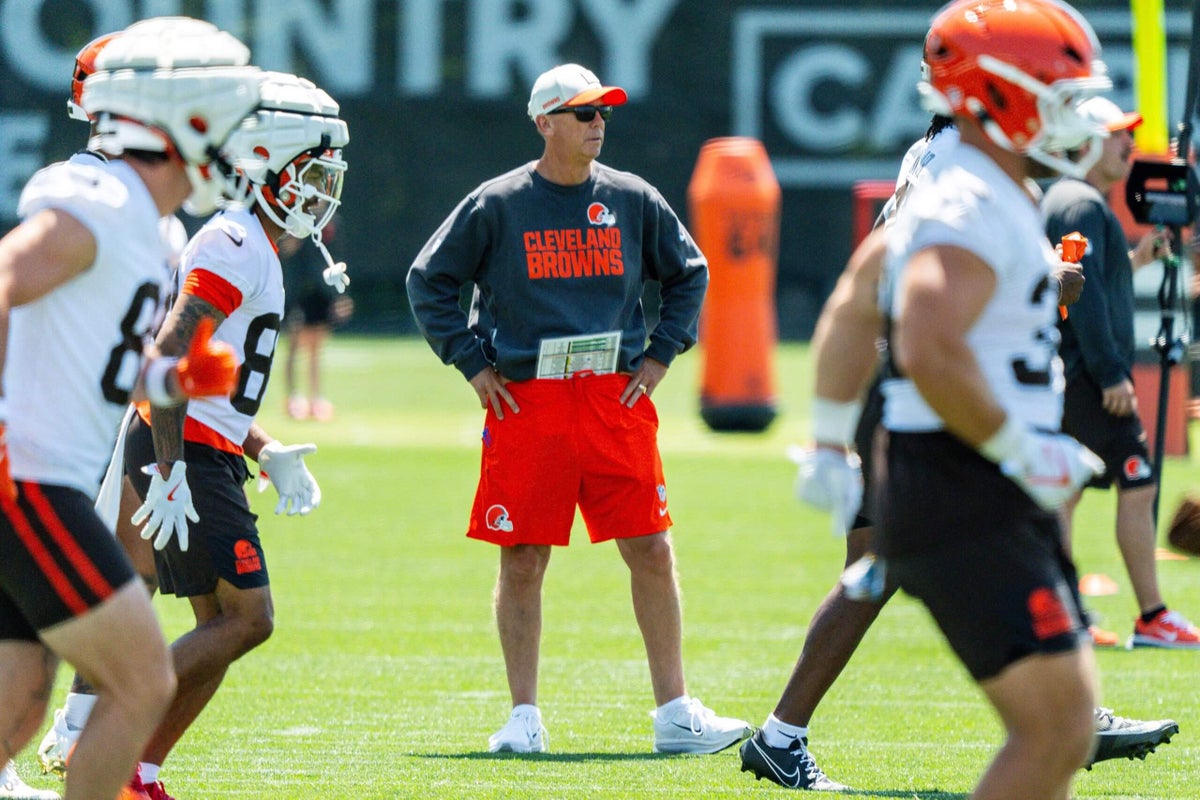
BEREA, Ohio — We explore some areas of concern and of note, and how both relate to the Cleveland Browns’ itinerary for the rest of this week — the final true week of training camp under first-year head coach Todd Monken.
Offensive line injuries
Last week, Monken said the team had zeroed in on its starting offensive line. But center Elgton Jenkins wasn’t on the field Tuesday, and neither of the players who’ve been with the No. 1 offense at right guard finished practice.
Teven Jenkins had pretty much claimed the right guard spot, but he sat out the last two drills of Tuesday’s practice with an undisclosed injury. KT Leveston, who played guard when Teven Jenkins missed a week early in camp with a back injury, left the field late in Tuesday’s practice with a member of the medical staff. Leveston had played right tackle the last two days as the team gave rookie Austin Barber his first snaps at right guard.
Now, Barber might have to play guard with the starters in Thursday’s joint practice with the Buffalo Bills or in Saturday’s preseason game if Teven Jenkins or Leveston has to miss time. Monken told reporters before Tuesday’s practice that Leveston looked better in his tackle reps Monday than he previously had at guard.
Cleveland Browns Camp: QB competition, Boston impressing and more
Robert Mays
Barber had played only tackle before Monday. The Browns waived guard Jack Conley on Tuesday for the second time this month, but he might need to return. Monken has said the team feels none of its current injuries are long term and said Elgton Jenkins just has some “nagging” issues, but the plan was always to play Elgton Jenkins or rookie Parker Brailsford at center. Brailsford hasn’t practiced since the first week of camp due to what’s believed to be a thumb injury on his right (snapping) hand.
Luke Wypler has been at center with the No. 1 offense this week. Dawand Jones was the No. 1 right tackle Tuesday as Tytus Howard wasn’t practicing. It’s believed that Howard was just taking a maintenance day, but the Browns could end up being short at all three line spots for the rest of the week. What Monken basically called an experiment with Barber moving inside could end up becoming a part of a plan that’s obviously fluid right now.
Something to note
Practice was cut short Tuesday. Monken screamed at defensive tackle Adin Huntington after he put a big hit on running back Quinshon Judkins. It appeared Monken was yelling at the defensive coaching staff after he sent Huntington to the sideline.
Shortly after, Monken ended practice and called the team to a group huddle. There were still more than 10 minutes left on the scoreboard clock in the ongoing full-team drill, and a situational period for the No. 1 offense was still scheduled to end practice. But Monken ended things early, and certainly didn’t appear happy about it.
Maybe Monken didn’t want to risk further injury given that defensive end Isaiah McGuire and fullback Carsen Ryan left the field with the medical staff at various points of practice. Maybe Monken was enraged by Huntington’s hit and an accidental collision between defensive end Benton Whitley and quarterback Shedeur Sanders a little earlier. Sanders was not hurt, but defensive players are instructed not to get near the quarterbacks.
Maybe Monken had simply seen enough mediocre play from the quarterbacks and the offense, which was generally dominated by the defense. Monken only addresses the media before practice, so we don’t know for sure.
In the fourth week of full camp, players are tired, the defense seems to know what’s coming from the offense and everybody’s a little restless. So what happened isn’t a big deal as long as the extracurriculars don’t result in injury, but the team’s overall injury situation is a concern. So is the shorthanded defensive line basically camping out in the offensive backfield during competitive drills.
For most of the spring and summer, the prevailing thought was that the upcoming joint practice would be the most important evaluation day of camp for a completely remade offensive line — and perhaps the last major chapter in the ongoing quarterback competition.
But the view from here is that Deshaun Watson has a lead on Sanders, even though neither has been remarkable. The team’s overall lack of depth has made the rest of the week just as much about survival as about really learning where things stand.
Monken has said the plan is for the Browns’ available starters to practice on Thursday against Buffalo’s starters, then for both teams to play mostly backups in Saturday’s game. There could be exceptions, but it looks like Sanders will play the first half Saturday behind a makeshift offensive line. Rookie wide receivers KC Concepcion and Denzel Boston continue to have outstanding camps and have solidified starting jobs, so they likely won’t play much — if at all — on Saturday.
All through camp, Monken has smartly managed and limited reps for Judkins and tight end Harold Fannin Jr.
The Browns have a large group of young players competing for roles, and many of them will have a runway to make a real impression over two days versus the Bills. But it also appears that what might have been the Browns’ best chance to evaluate their top offensive group versus another team’s starters this summer could be limited.
Monken has said Watson and Sanders will split No. 1 reps during that joint practice.
Something else to note
Though Monken has long sort of slated the day (or days) after this preseason game against Buffalo for making his quarterback decision, he’s not fully committing to that. The Browns only practice twice next week before closing the preseason on Aug. 27 versus New England, and Monken hopes to use that game as a dress rehearsal for whoever is named the starter and the first offensive line.
But depending on what happens the rest of this week at quarterback and what personnel changes need to be made along the line, there could be another detour.
Starting defensive end Alex Wright has missed the last two practices, so McGuire’s early departure Tuesday left the group thinner there. Defensive tackle Mike Hall Jr. was back to practice for the first time in two weeks Tuesday. But the Browns remain thin at cornerback, with four undrafted rookies logging heavy practice snaps, and at tight end.
Ryan, who’s played both fullback and tight end, has mostly been playing fullback because veteran Michael Burton has been out for two weeks with an injury. The tight end group took another hit in the preseason opener when blocking tight end Brenden Bates suffered an injury and was waived-injured on Monday.
One of the bright spots amid the shuffle at cornerback has been undrafted rookie Michael Coats Jr., who had an interception in the preseason opener and followed that with a strong practice Monday despite leaving the game Saturday with an ankle injury. In three weeks, Coats has gone from the bottom of the depth chart to being in the mix for a roster spot when Cleveland has to cut to the regular-season size of 53 on Aug. 30.
“Coats, that guy just shows up every day and makes plays,” Monken said. “That’s probably the one that stood out with the other guys beat up at corner.”
>
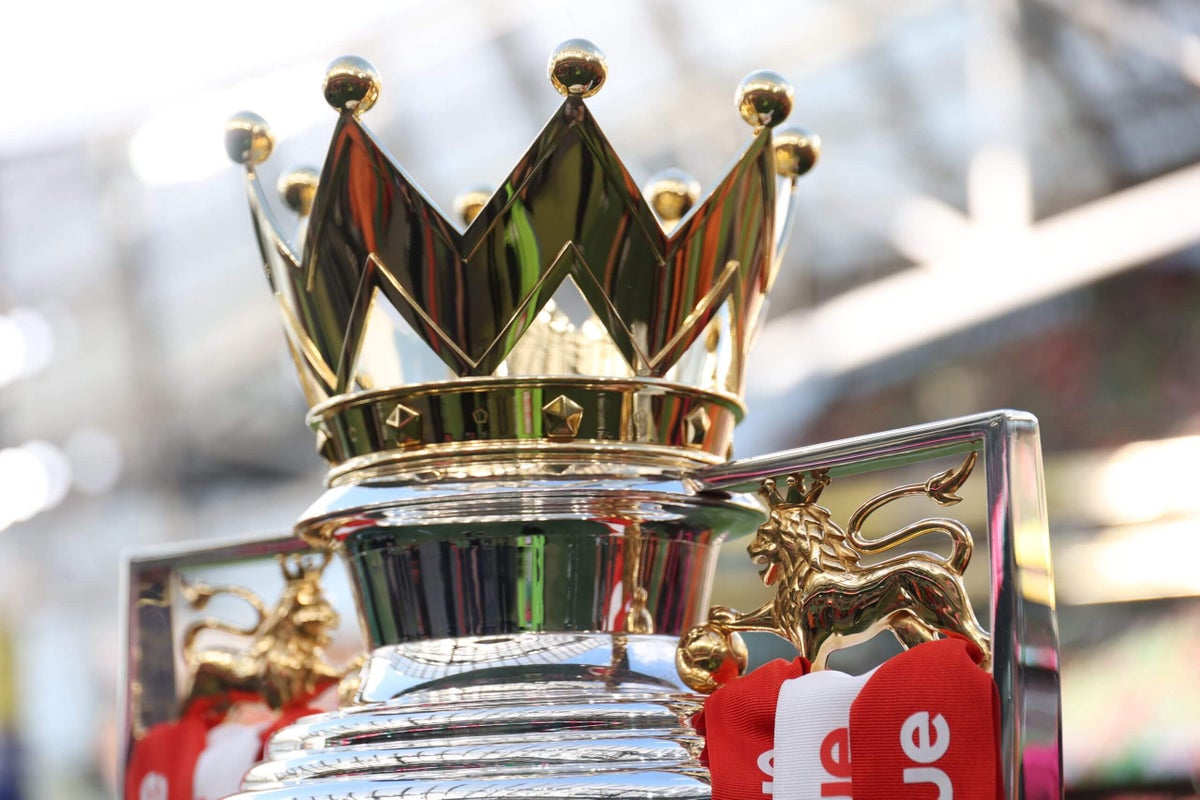
It may feel like the World Cup has only just ended but the latest instalment of the Premier League is right around the corner.
Reigning champions Arsenal kick off the new season on Friday, August 21 when they host newly-promoted Championship winners Coventry City – with the campaign running all the way until May 30, 2027.
There has been a major shakeup in the dugouts, with nine clubs changing managers over the summer, while some notable names have been on the move in the transfer window.
There have also been a number of changes and tweaks to the regulations, rules and guidelines governing the English top flight, which could make the coming season very different to last term.
Here are the details on everything new in the Premier League for the 2026-27 season.
More refereeing transparency?
The Premier League, together with Pro Ref (formerly PGMOL), has announced a series of measures aiming to “give supporters further insight into how and why decisions are made”.
Officials can now be directly quoted in communications from the league’s Match Centre, including in posts on social media site X, to help explain a decision-making process, including the Video Assistant Referee’s (VAR) reasoning for intervening (or not).
RefCam, which provides a referee’s perspective of a game at eye level, is back after a successful debut season, and has received an upgrade. Not only will clips from the official’s vantage point be shown during live broadcasts, the footage will now come with audio too, providing more of an insight into what players and referees actually talk about. RefCam will continue to be used in “approximately 1-2 games” per week.

RefCam is sticking around (Richard Pelham/Getty Images)
In a significant change, the league’s Key Match Incident (KMI) panel will make its weekly findings public and will be published on the Premier League website each week.
The panel, made up of three former players or coaches, a representative from the league and one from Pro Ref, is an independent body introduced in the 2022-23 season that reviews critical match incidents in the referee’s jurisdiction, ruling on whether an in-game decision was correct or not.
Both the Premier League and Pro Ref said that it will continue to lobby the International Football Association Board (IFAB), which sets the sport’s laws, “to allow more communications from the Match Officials to be broadcast in-game”.
Anti time-wasting measures
Teams have long sought ways to manipulate the clock during games. Whether it’s a leisurely walk over to the corner flag or touchline, or a supposedly injured player staying down on the pitch, trailing sides have often been powerless to prevent valuable seconds from slipping away.
This year however, IFAB has introduced a change to its Laws of the Game to directly combat time-wasting. Players treated for injury on the field must now leave the pitch for a full minute before returning, an increase on the 30 seconds used in the Premier League since the 2024-25 season.
During substitutions, players now only have 10 seconds to depart the pitch. If this is exceeded, their replacement cannot enter the game for another minute.
The rule, in theory, should mean that players applauding fans as they gradually walk to the touchline should become a less frequent sight — although players could still leave the pitch on the nearest touchline and milk the adulation of supporters as they make their way back to the dugout.
This was seen for the first time in the Carabao Cup match between Middlesbrough and Wrexham on August 7, with new Middlesbrough signing Will Lankshear taking too long to leave the field and Fin Cartwright being forced to wait 60 seconds before coming on.
NEW LAW ALERT! 🚨
Middlesbrough were briefly forced to play with ten after Will Lankshear took too long to exit the field of play against Wrexham in the Carabao Cup… wait until the end to watch Kim Hellberg seeing the funny side! 😅 pic.twitter.com/yTpsKfc4Tf
— Sky Sports Football (@SkyFootball) August 7, 2026
The Premier League will also trial a new law designed to stop tactical ‘goalkeeper timeouts‘. An outfield player will be required to leave the field for one minute from the restart of play when a goalkeeper requests treatment for an injury (unless they require immediate attention after a foul or collision, or if they are bleeding). Coaches have 10 seconds to tell the fourth official who is being temporarily removed, otherwise the captain will have to go off.
The aim of the trial (approved by IFAB), is to “ensure genuine injuries continue to receive appropriate medical attention while removing any potential sporting advantage”, according to the Premier League.
Another major change has been made with throw-ins, with players now being given a five-second countdown to restart play. If the time limit is exceeded, a throw-in will be awarded to the opposing team.
The same limit applies to goal-kicks, with a corner being awarded against the offending team if they take longer than five seconds. Last season, IFAB introduced a rule that saw corners given if a goalkeeper held on the ball while it was in play for more than eight seconds.
As part of the new rule’s implementation, officials are expected to raise their hand to signal a countdown from five. We can already hear entire away ends joining in.
VAR tweaks and officiating changes
Yes, VAR is still very much around and mostly unchanged from last season, which saw the introduction of semi-automated offside technology and officials announcing decisions to crowds.
However, VAR will have new powers when it comes to sending offs, with second yellow cards now eligible for review.
If a player receives a red card for a second bookable offence, the VAR will now be able to recommend a review to the on-field official. However, VAR cannot intervene to recommend a second yellow card, which would lead to a red. It also cannot review first yellow cards.

(Stu Forster/Getty Images)
It is worth noting that VAR will not be used to reverse wrongly awarded corner kicks, as seen at the World Cup this summer. It was one of IFAB’s optional rule changes, which the Premier League has decided not to adopt.
There have been other rule changes in areas that attracted attention last season, though. Clarity has been issued on hair-pulling, which saw multiple Premier League players receive straight red cards last season.
Players will only be sent off “when there is a clear and deliberate action to pull an opponent’s hair with excessive force and/or brutality”. A yellow card will be issued if it is adjudged to be without excessive force or brutality.
Last campaign, Wolverhampton Wanderers striker Tolu Arokodare, currently on loan at Ajax, was at the centre of two hair-pulling incidents. In January, Everton centre-back Michael Keane was sent off after grabbing at Arokodare’s hair while challenging for a header, while Sunderland’s Dan Ballard received his marching orders after being adjudged to have pulled the Nigerian’s hair as he attempted to control an aerial ball.
After a VAR review, Michael Keane is sent off for pulling Tolu Arokodare’s hair 🟥 pic.twitter.com/o8Sz9UDiE3
— Sky Sports Premier League (@SkySportsPL) January 7, 2026
In April, Manchester United head coach Michael Carrick criticised referee Paul Tierney’s sending of Lisandro Martinez for a hair pull on Dominic Calvert-Lewin as a “shocking decision”.
Gambling sponsors ban
The 2026-27 season will mark the first campaign where clubs are prohibited from agreeing front-of-shirt sponsorship deals with gambling companies.
In 2023, all 20 then-Premier League clubs “collectively agreed to withdraw gambling sponsorship from the front of clubs’ matchday shirts, becoming the first sports league in the UK to take such a measure voluntarily in order to reduce gambling advertising”.
Eleven teams — Aston Villa, Bournemouth, Brentford, Burnley, Crystal Palace, Everton, Fulham, Nottingham Forest, Sunderland, West Ham United and Wolverhampton Wanderers — had the names of gambling firms on their shirts last season.

Villa had a front-of-shirt deal with Betano for the previous two seasons (Alex Pantling/Getty Images)
While West Ham and Wolves have been able to maintain betting sponsors following their relegation to the Championship, eight of the remaining clubs have signed new deals with other companies, with Sunderland set to begin the season without a front-of-shirt sponsor.
Financial services are now the most popular industry for sponsorship agreements, with Brighton & Hove Albion, Coventry City, Everton, Forest, Liverpool and Tottenham Hotspur all partnered with firms in the sector.
Betting sponsors have not been totally eliminated, however. While gambling companies can no longer have their names splashed across the most premium piece of real estate on a club’s shirt, they are allowed to be displayed on the sleeves. Aston Villa and Everton have moved their previous front-of-shirt sponsors, Betano and Stake respectively, to their sleeves of their kits, while Bournemouth have partnered with online casino Mr Q.
Clubs are also still permitted to display gambling sponsors on their training attire, with The Athletic exclusively reporting in May that United were in advanced talks with Betway. The deal was confirmed earlier this month, with sources with knowledge of the deal, not authorised to discuss details publicly, estimating the Betway partnership would be worth in excess of £18million.
A longer international break
If you’re a supporter who loathes the international break interrupting your club’s start to the campaign — good news! There will be one fewer interruption to the domestic calendar this season.
The bad news for any break-haters is that the second international window will mean that there is no Premier League football (or European club competition) for just under three weeks.
For competitions such as the Premier League that run from July or August until May, there are normally four international breaks in a league season. Three before the end of the calendar year in September, October and November before a constant stream of club football until March.
This season however, September and October’s windows have been combined into one break, with national teams now permitted to play a maximum of four matches instead of two. In Europe, teams will play the first four games of their 2026-27 UEFA Nations League campaigns over this period.

England will host Spain in their first Nations League game on September 26 (Ina Fassbender/AFP via Getty Images)
Fulham vs. Manchester United on Sunday September 20 will be the last game before the window begins the following day. It will run until Tuesday, October 6.
This merging of the two windows, which was agreed at a March 2023 meeting of the FIFA Council, will be in place until at least 2030.
The international breaks in November and March will still see the standard two matches played over the course of a week.
Is anything coming back?
These aren’t technically new, but there are a couple of Premier League staples returning after short absences.
Friday, December 26, 2025 marked the first Boxing Day without a packed slate of top-flight fixtures since 1976, with Manchester United’s 1-0 win over Newcastle United the only game staged on that day. This was due to the league’s obligation under its broadcasting agreements to hold 33 rounds of weekend games (alongside five weeks of midweek rounds), meaning that only one game can be held on a Friday in those rounds.
While the EFL and the National League both held games on Boxing Day, last year was a major break from tradition for the Premier League, leaving fans disappointed fans. 1948, 1954, 1965, 1971 and 1976 are the only years to have seen no Boxing Day action at all.
This year however, Boxing Day falls on a Saturday, which spiritually feels right for the Premier League. All fixtures in Gameweek 17 are currently slated for December 26, with kick-off times to be confirmed in due course and some games expected to be moved to the Sunday (or Monday, which will be a bank holiday) to round out the weekend.
September 1 will also mark the return of the 11pm transfer window deadline.
Both this year’s winter window and last summer’s window closed at 7pm in a departure from the usual time of an hour before midnight. The change was made after agreement between the Premier League, EFL and FA in an attempt to provide club staff with a more normal working pattern.
Both windows will once again slam shut at 11pm this season, giving clubs back their previously lost four hours.

Liverpool striker Alexander Isak was a deadline day arrival last summer (Stu Forster/Getty Images)
Another famous feature of deadline day will be sticking around, giving any resourceful, desperate or dithering (you decide) clubs the chance to complete any last-minute deals beyond the official close of the window.
If a transfer is at risk of not being completed in time, clubs can submit what is known as a dealsheet no more than two hours before the deadline. This gives them an extra two hours to finalise the deal, meaning that the actual cut-off point this year is 1am on September 2, providing that the relevant paperwork is correctly submitted.
>
Mark Walter’s insurance companies are shuffling billions of dollars in investments involving affiliated businesses amid a federal investigation, regulatory filings released Tuesday show.
The filings, which offer a window into the finance mogul’s sports and business empire, also revealed that a loan tied to the Los Angeles Dodgers has been paid off almost entirely.
Two of Walter’s companies — Delaware Life Insurance Company and its affiliate Clear Spring Life and Annuity — received grand jury subpoenas in February as part of an investigation by the U.S. Attorney’s Office for the Southern District of New York, the company acknowledged. A parallel investigation is underway by the Securities and Exchange Commission. The U.S. Attorney’s Office and SEC declined to comment.
Walter did not return calls seeking comment. He is moving to sell his controlling stake in the NBA’s Los Angeles Lakers and is reportedly in talks to offload his shares in the Premier League’s Chelsea FC.
Delaware Life and Clear Spring Life said investigators are looking at whether billions of dollars in investments by the companies involving businesses with ties to the insurers were improperly reported as being unaffiliated.
That distinction matters because investments with affiliated business are subject to greater regulatory scrutiny to protect policyholders and guard against conflicts of interest, said Andrew Granato, a legal economist and assistant professor at the University of Texas at Austin School of Law.
Granato said insurers’ affiliated investments can create conflicts because the same person effectively controls both sides of a transaction. That would allow the company owner to set favorable loan terms to their affiliated business or, if the borrowing company were to default, the same owner could decide whether to aggressively fight for repayment. Meanwhile, the loan is backed by policyholders unaware of the transaction, he said.
“The Mark Walter situation is that on steroids,” Granato said.
Delaware Life and Clear Spring Life said a subsequent internal investigation identified errors in how related business investments were presented in the companies’ 2025 annual statements For example, the filings show Delaware Life revised its disclosures to identify nearly $17 billion more in investments tied to related businesses, increasing its share of the company’s portfolio from about 3 percent to 42 percent.
The global credit rating agency Fitch Ratings said that is the highest exposure to affiliated investments among all of the life insurance companies it rates in North America.
“Fitch recognizes that affiliated investments vary widely but scrutinizes them more closely than other asset holdings, given the higher risk of conflicts of interest, illiquidity and lack of transparency,” Fitch Ratings wrote in July after placing Delaware Life on its negative watch list.
Similarly, S&P Global Ratings last month changed its outlook for Delaware Life from “stable” to “negative.” S&P at the time also affirmed its A- financial strength rating for the company.
The filings released Tuesday show Delaware Life taking steps to reduce exposure.
The insurer reported plans to sell $6.5 billion in assets tied to companies affiliated with Walter’s massive business empire to another Walter-controlled company, TWG Global. In exchange, Delaware Life will receive an equal amount from TWG Global in unaffiliated investments, the latest filing said. The transaction requires regulatory approval, Delaware Life noted in its filing.
The loan with Dodger Tickets LLC, a subsidiary tied to the Dodgers and involved with ticketing and other business operations, offers a look at the ties between investments.
In its annual filing for 2025, Delaware Life reported that Dodger Tickets was an unaffiliated business, despite Walter’s controlling ownership stake in the team.
The March regulatory filings reclassified Dodger Tickets as being affiliated. In the most recent filing released Tuesday, Delaware Life reported that the $4.1 million loan was nearly paid off in April. One dollar was listed as the balance in the June filing released Tuesday.
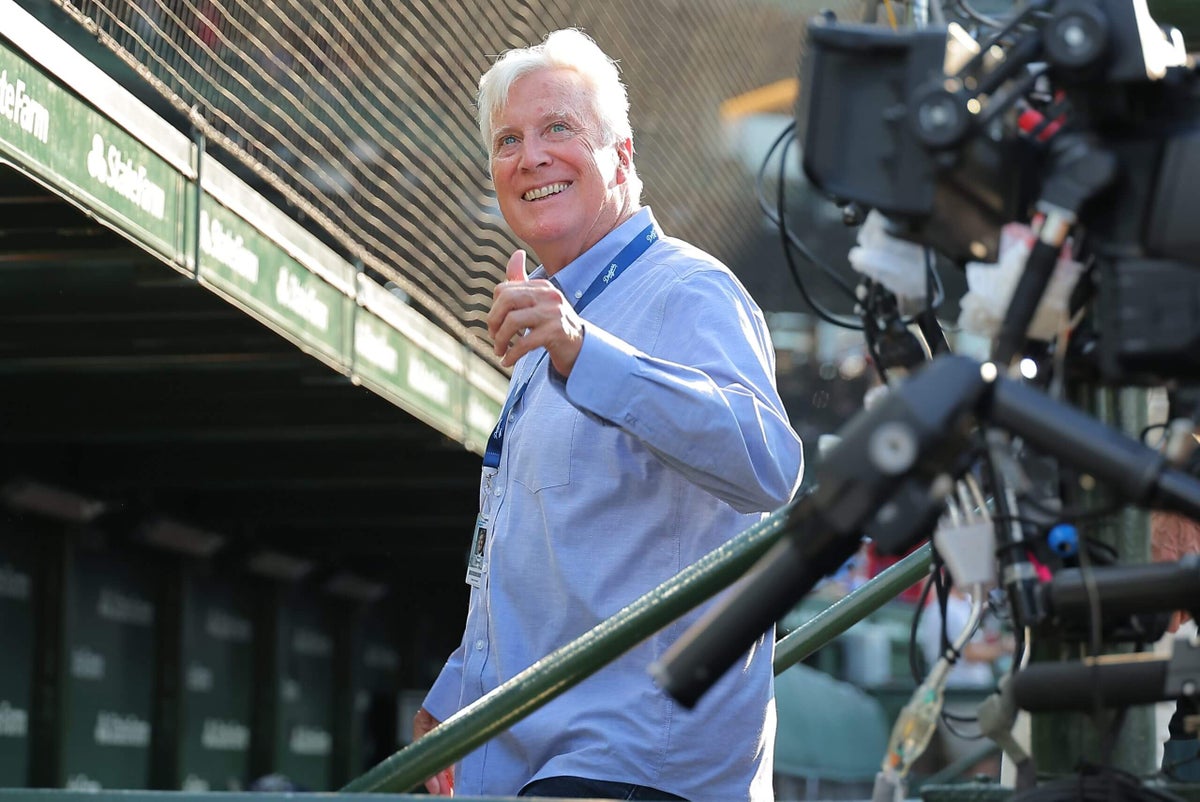
Dodgers president and CEO Stan Kasten, who was listed as CEO of Dodger Tickets on an April 2025 business filing with California’s Secretary of State, declined to comment on the organization’s corporate entities.
Kasten, however, maintained that the sale of the Lakers is not related to the Dodgers and changes are not coming to the MLB organization.
Group 1001, the Walter-controlled holding company that owns Delaware Life and Clear Spring Life, said last month in a statement to The Athletic that it was “cooperating fully” with the U.S. Attorney’s Office and SEC investigations, and its policy was not to comment on pending governmental inquiries. Group 1001 also said it plans to “reduce and restructure certain of the investments at issue” in response to the errors, though it did not specify which investments.
“Our capital position and liquidity remain strong, and our financial strength ratings are unchanged,” the statement said. “We remain focused on delivering exceptional value and service to our contract and policyholders and their financial representatives.”
Walter serves as CEO of both Guggenheim Partners and TWG Global, a holding company with investments across industries, including sports, entertainment, technology and artificial intelligence. The Bloomberg Billionaire Index estimates Walter’s net worth at $18.3 billion, and his sports portfolio includes Chelsea FC, the WNBA’s Los Angeles Sparks, the Professional Women’s Hockey League, Cadillac F1 and the Billie Jean King Cup in addition to the Dodgers and, until last week, the Lakers.
Walter agreed to sell the Lakers to former Disney CEO Bob Iger and Thrive Capital founder Joshua Kushner, the younger brother of Trump’s son-in-law Jared Kushner. The deal reportedly valued the Lakers at $12.5 billion — $2.5 billion more than when Walter agreed to purchase the team last year.
Granato, the law professor, said the regulatory filings and Lakers sale appear to show Walter is concerned about the fallout of the federal scrutiny.
“Mark Walter right now is making huge transactions at speeds that are incredibly dramatic,” he said.
Alex Andrejev and Rebecca Tauber contributed to this report.
>

U.S. Open wild cards: Serena Williams keeps fans waiting on first appearance in four years

Browns’ injuries, offensive concerns mount ahead of joint practice with Bills

VAR tweaks and less time-wasting: What’s new in the Premier League for 2026-27?
-

 movies3 months ago
Search For Canadian TV Actor Stewart McLean Now Homicide Investigation
-

 Fashion9 years ago
These ’90s fashion trends are making a comeback in 2017
-
Fashion9 years ago
According to Dior Couture, this taboo fashion accessory is back
-
Fashion9 years ago
Model Jocelyn Chew’s Instagram is the best vacation you’ve ever had
-
Fashion9 years ago
Emily Ratajkowski channels back-to-school style
-
Fashion9 years ago
9 Celebrities who have spoken out about being photoshopped
-
Fashion9 years ago
Your comprehensive guide to this fall’s biggest trends
-
Fashion9 years ago
A photo diary of the nightlife scene from LA To Ibiza