
Tech
Meet the startup helping Wall Street put a price on AI compute

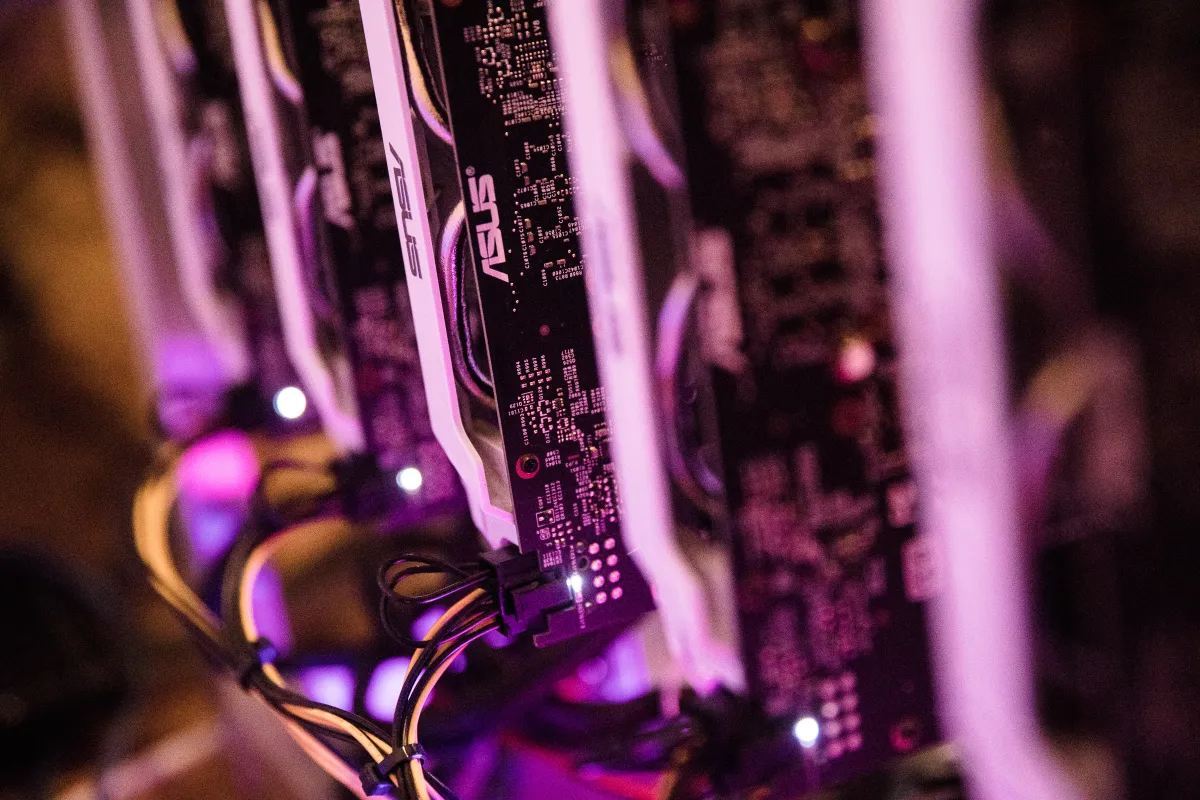
The AI buildout shows no signs of slowing. And with hundreds of billions of dollars a year going into data centers and GPUs, compute has become the single biggest cost for anyone building AI products. But for all that spending, there still isn’t a straightforward way to put a price on compute — or for firms to hedge their exposure when the price changes.
Silicon Data just closed a $30 million Series A to change that. The startup aims to become the reference price for GPU rental and an index that a Wall Street futures contract would settle against. The company plans to launch its compute futures trading on the CME October 5th, pending regulatory approval.
On this episode of TechCrunch’s Equity podcast, Rebecca Bellan is joined by Steve Hou, head of research at Silicon Data, to discuss the health of the AI buildout, and why the data is telling a different story than the doom and gloom headlines about depreciating chips and stalled data centers.
Subscribe to Equity on YouTube, Apple Podcasts, Overcast, Spotify and all the casts. You also can follow Equity on X and Threads, at @EquityPod.
>
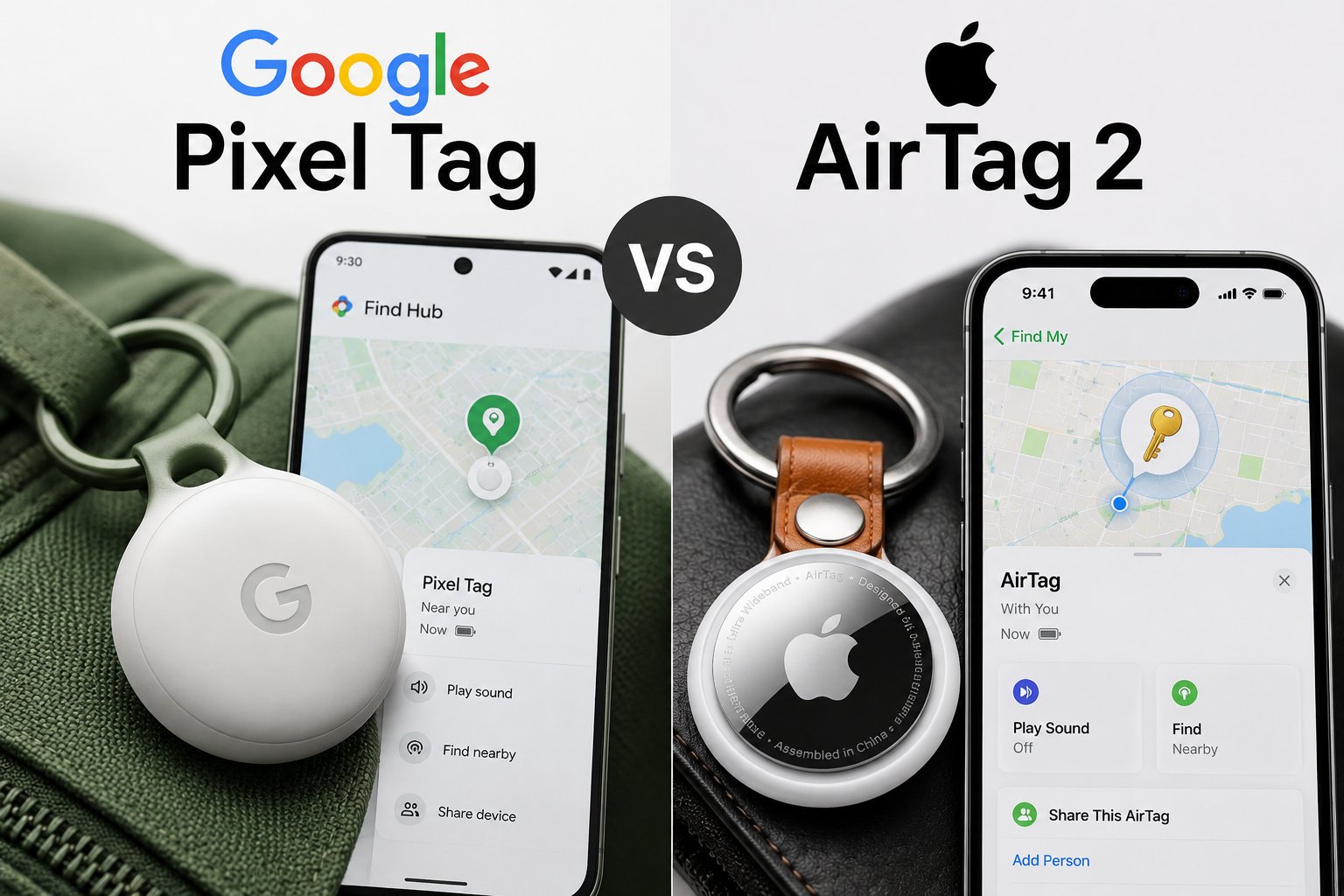
Google Pixel Tag and Apple’s second-generation AirTag both cost $29 for one tracker and $99 for a four-pack, so price does little to separate them. The bigger question is which phone ecosystem you already use.
Pixel Tag is built for Android, while AirTag requires Apple hardware and an Apple Account. Google’s tracker also will not reach stores until November 11, so its range and battery claims remain vendor figures for now.
Google unveiled Pixel Tag alongside the Pixel 11 lineup on August 12. According to Google, it pairs with Android 9 or later through Fast Pair and uses Find Hub to locate tagged items outside Bluetooth range.
Pixel Tag vs AirTag 2 at a glance
| Feature | Google Pixel Tag | Apple AirTag 2 |
|---|---|---|
| Price | $29; $99 four-pack | $29; $99 four-pack |
| Best for | Android users | Apple users |
| Tracking network | Find Hub | Find My |
| Sharing | Up to 10 people | Up to 5 other people |
| Precision finding | UWB + Bluetooth Channel Sounding | Second-gen UWB |
| Battery | Replaceable; up to 1 year claimed | Replaceable CR2032 |
| Availability | November 11, 2026 | Available now |
Pixel Tag vs AirTag: features that actually differ
Both trackers support Ultra Wideband-based precision finding, but their implementations differ. Google combines UWB with Bluetooth Channel Sounding for directional guidance. Apple says its second-generation UWB chip extends Precision Finding by up to 50% compared with the previous AirTag, while the redesigned speaker is 50% louder.
Both devices have IP67 water and dust resistance and use replaceable coin-cell batteries. Google claims Pixel Tag can last up to a year. Apple specifies a user-replaceable CR2032 battery but does not publish an equivalent battery-life estimate.
Pixel Tag can ring a misplaced Android phone and can be located through a Pixel Watch or browser. AirTag brings Precision Finding to Apple Watch Series 9 or later and Apple Watch Ultra 2 or later with supported software.
Sharing is another clear difference. Google lets a Pixel Tag owner share a tracker with up to 10 people and later revoke access. Apple lets an AirTag owner share with up to five other people, who can view its location and use supported finding features.
Which tracker fits your devices
For most buyers, the answer starts with the phone in their pocket. Android users get Pixel Tag’s Find Hub integration, while iPhone and iPad users get AirTag’s Find My network and Apple-only Precision Finding features.
The recovery tools differ beyond ordinary sharing. Google has expanded Find Hub’s lost-luggage recovery tools so users can send temporary item-location links to participating airlines. Apple’s Share Item Location is accepted by more than 50 airlines; links can be stopped by the owner and expire automatically after seven days.
Both companies include protections against unwanted tracking. Google alerts Android users when an unfamiliar tracker appears to move with them, while Apple says the new AirTag supports cross-platform alerts and frequently changing Bluetooth identifiers.
Neither company positions these products as centrally managed enterprise asset trackers. Their public materials do not describe fleet administration, audit logging, or organization-wide policy controls, so businesses should not assume those capabilities exist.
Pixel Tag is the stronger fit for Android users who want Find Hub, 10-person sharing, and reverse phone finding. Apple users get deeper Find My integration, a louder AirTag, watch-based Precision Finding, and an established airline-recovery workflow.
Also read: Google is testing a new Pixel connectivity diagnostics menu that could troubleshoot Wi-Fi, mobile data, and call problems.
>
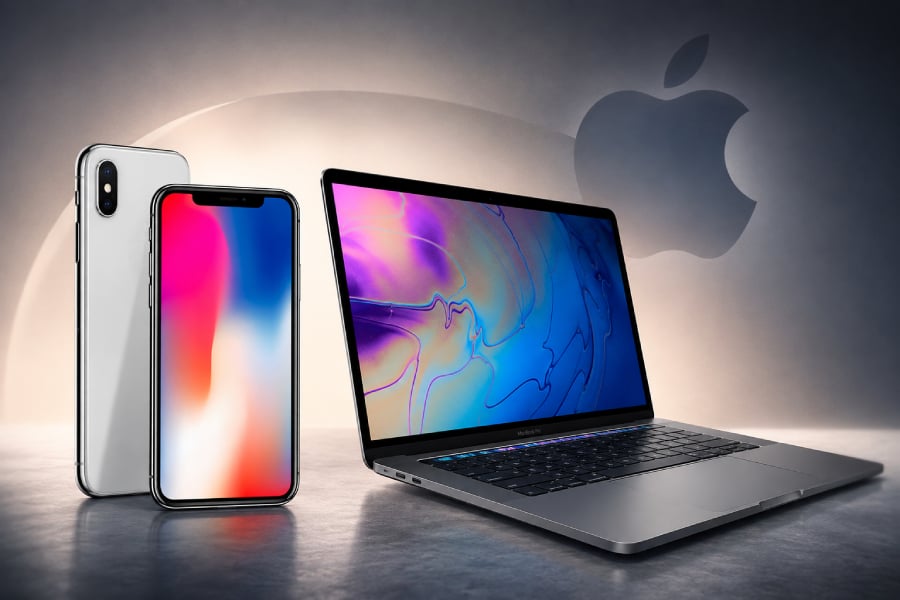
The iPhone X helped define the modern iPhone, but Apple has now largely ended authorized hardware repairs for it.
Apple has added the iPhone X and 15-inch 2018 MacBook Pro to its obsolete products list, ending normal hardware service for two devices that once represented major shifts in Apple’s product strategy.
The move does not mean the devices will stop working, but it sharply limits official repair options when their hardware fails.
Two record-setting Apple devices enter the old league
The iPhone X was one of Apple’s biggest hardware refreshes in years when it was unveiled in September 2017 and released that November, replacing the familiar Home button with Face ID and setting the design direction for the iPhones that followed with its notch display.
Apple stopped distributing the iPhone X in September 2018 and moved it to its vintage list in July 2024. The device has now completed that lifecycle, joining Apple’s obsolete-products list in an August 13 update reported by Mashable.
The same update also catches the 15-inch MacBook Pro from 2018, another product from an important transition period for Apple.
The MacBook Pro packed Intel’s Core processors, up to 32GB of RAM, up to 4TB of SSD storage, a Touch Bar, and Apple’s T2 security chip. It was also part of the first MacBook Pro generation to feature a True Tone display, making it equally iconic like the iPhone X. Apple stopped selling that generation in 2019 as it refreshed the 15-inch MacBook Pro.
Their shared fate therefore has less to do with the devices themselves than with Apple’s time-based hardware support policy.
How do Apple’s vintage and obsolete categories work
Apple’s categories are based on how long it has been since a product was last distributed, not simply how old it is. A product becomes vintage after more than five years and obsolete after more than seven years.
In simple terms, Vintage serves as a transition notice, while obsolete marks the end of both software updates and official part replacements.
An interesting point, however, is that a device can be significantly older based on its release date yet still not be obsolete. In comparison, a relatively newer device is already obsolete. A good example of this is the iPhone 7, released in 2016, and per Apple’s own listing, is in vintage, but not yet obsolete.
Must-read Apple coverage
What this means for Apple users
The immediate impact falls on the people who still retain both devices.
For those owners, the bigger concern is what happens when something breaks. Apple will no longer provide normal hardware service or supply parts through authorized providers, which could make repairs more expensive and push some owners toward third-party repair shops or replacement devices.
The obsolete label could also put further pressure on device prices, although there is no evidence yet that Apple’s announcement has caused a measurable price drop.
But the change is also a reminder for people using newer Apple hardware, given that two products launched years apart can reach the same support deadline.
That makes Apple’s vintage and obsolete lists worth watching if you plan to keep a Mac or iPhone for many years. A device can remain perfectly usable long after Apple stops selling it, but the options for repair gradually shrink as it approaches obsolescence.
Read more: If aging hardware has you considering a replacement, explore the new iPhones, Macs, and Apple Watches on Apple’s 2026 product roadmap.
>
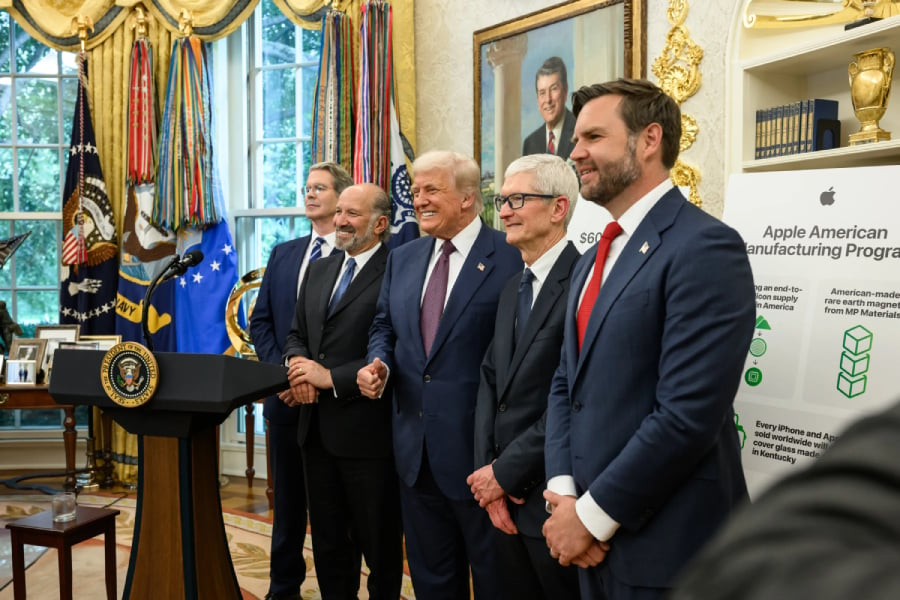
Apple is caught between a memory shortage squeezing its costs and a U.S. government pushing it away from cheaper Chinese supply.
U.S. Commerce Secretary Howard Lutnick has told Apple directly that the Trump administration opposes the company buying memory chips from Chinese manufacturers as Apple searches for ways to deal with a global supply crunch.
According to The Wall Street Journal, Lutnick said there have to be “other solutions to the memory issue, but it’s not great American companies using Chinese memory.” When asked whether he had delivered that message to Apple, he replied, “plainly.”
The AI boom has data centers gobbling up memory chips faster than manufacturers can make them, and prices have spiked as a result. Apple and other electronics makers have been raising prices to cope. Looking for relief, Apple has been testing memory from two Chinese firms, CXMT and Yangtze Memory Technologies (YMTC), as a possible fix.
Apple hasn’t confirmed the testing outright. COO Sabih Khan, according to the Journal, said that given the size of the shortage, “we have to look at all options.” He also noted that unlike most iPhone parts, “there isn’t a lot of customization” for memory — meaning Apple could plausibly use off-the-shelf Chinese chips without tripping export-control rules that only kick in when sharing custom design specs.
Pressure from US chipmakers
The issue has also become a battleground for American semiconductor interests.
Idaho-based Micron Technology has urged the Trump administration to block Apple from using Chinese memory, arguing that doing so could hurt U.S. semiconductor production and undermine efforts to bring manufacturing back to America, the Journal reported.
Senators from New York, Indiana and Idaho also wrote to Apple CEO Tim Cook in late July, urging the company not to work with Chinese memory manufacturers.
YMTC is on the Commerce Department’s Entity List, while the Pentagon has designated both YMTC and CXMT as Chinese military companies. Those designations raise national security concerns but do not, by themselves, prohibit Apple from buying commercially available memory.
The dispute creates a tricky choice for Apple. Chinese memory could give the company another source during a severe shortage, potentially helping control component costs. But relying on Chinese suppliers could increase regulatory and geopolitical risks while clashing with Washington’s push to expand U.S. semiconductor manufacturing.
Apple has already made domestic manufacturing commitments, including spending tens of billions of dollars on U.S.-made chips for iPhones and adding Mac Mini production in Texas. The administration has also secured an arrangement for Intel to make some Apple chips and an Apple commitment to manufacture iPhone and Apple Watch cover glass in the U.S.
Still, most of Apple’s supply chain remains concentrated in Asia, while the company continues expanding iPhone assembly in India.
Must-read Apple coverage
The bigger supply-chain problem
The immediate problem is that reshoring cannot quickly solve a global memory shortage. Semiconductor capacity takes time to build, leaving companies like Apple to balance price, supply availability, and geopolitical risk in the meantime.
Chinese suppliers could give Apple more flexibility and potentially lower component costs, but using them would deepen tensions with Washington and U.S. chipmakers. Sticking with non-Chinese suppliers may reduce political risk while leaving Apple with fewer sourcing options during a constrained market.
Lutnick said the administration will keep pressing Apple to move more manufacturing to the U.S., but political pressure is not the same as a legal ban. For now, Apple’s memory decision sits in that gray area: Washington may not be able to simply forbid the purchases under existing rules, but it can make choosing Chinese suppliers increasingly difficult.
More News: The White House is pushing for safety reviews of OpenAI models as policymakers weigh how to manage the risks of widely available systems.
>

Harry Kane: England striker plays down returning to Premier League in future to break Alan Shearer record

Meet the startup helping Wall Street put a price on AI compute

Tottenham working on deal for Savinho and Omar Marmoush of Manchester City
-

 movies3 months ago
Search For Canadian TV Actor Stewart McLean Now Homicide Investigation
-

 Fashion9 years ago
These ’90s fashion trends are making a comeback in 2017
-
Fashion9 years ago
According to Dior Couture, this taboo fashion accessory is back
-
Fashion9 years ago
Model Jocelyn Chew’s Instagram is the best vacation you’ve ever had
-
Fashion9 years ago
Emily Ratajkowski channels back-to-school style
-
Fashion9 years ago
9 Celebrities who have spoken out about being photoshopped
-
Fashion9 years ago
Your comprehensive guide to this fall’s biggest trends
-
Fashion9 years ago
A photo diary of the nightlife scene from LA To Ibiza