
Entertainment
‘Mutiny’ Review: Jason Statham’s ‘Die Hard on a Boat’ Gets a Sea Minus

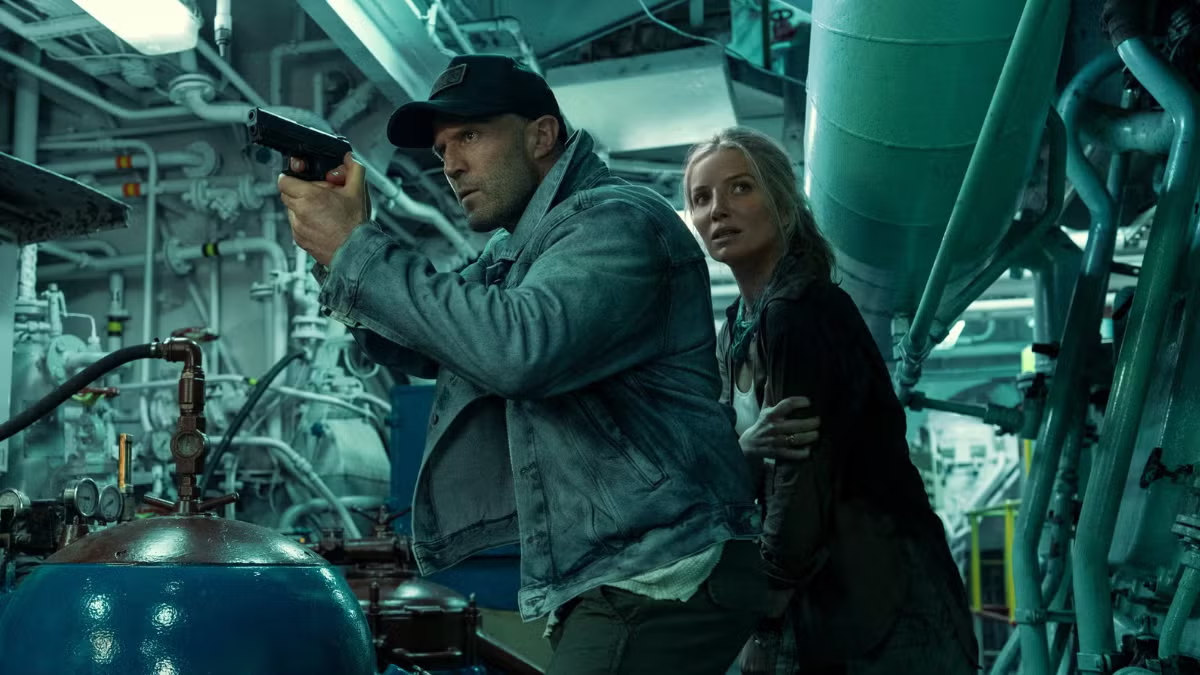
Nobody watches Jason Statham movies for their complexity. (And nobody responded to that statement with “What about ‘Revolver?’”, which proves my point.) It’s not a bad thing. It’s the beauty of Cinema Statham. His films are old-fashioned, satisfying, guileless uppercuts. Take one Jason Statham, toss in some bad guys, give him something to fight for and get out of the damn way. Statham’s movies aren’t always amazing, but they’re usually efficient little barnburners, you gotta give him that.
His latest, “Mutiny,” directed by Jean-François Richet (“Plane”), is a simple film about Jason Statham kicking ass on a boat. Or at least, it should be. “Mutiny,” which doesn’t technically have a mutiny in it, takes the scenic route to its high seas hijinks, by way of a different Statham movie which takes place in bored rooms — sorry, I mean “boardrooms.” It’s as like something went awry in the development phase and the first act of another, unrelated, bland action movie accidentally got collated wrong. I guess nobody noticed because Statham’s movies bleed together anyway.
Granted, that’s not complexity, but it sure as heck isn’t efficient and “Mutiny” suffers for it. Richet’s film spends so much time introducing a world of corporate espionage and melodramatic betrayal that it doesn’t even make sense when Statham gets on a boat. I repeat, the boat is the least convincing part of “Jason Statham on a Boat.”
Statham plays a bodyguard named [spins the wheel of steely one-syllable names] Cole Reed, who works for a shipping magnate, Tibu Campallo (Ramon Tikaram). Tibu treats Cole like a son, he respects him more than his actual son. On the night Tibu’s scheduled to sell his company, he is assassinated in the middle of the street, and Cole immediately kills all the bad guys. Then he finds out one of the rando mercenary killers worked on a boat, so Cole gets on the boat, because he assumes the captain of the boat must be the mastermind behind the murder.

It never occurs to Cole that this guy probably doesn’t kill shipping magnates full-time, and might simply have another gig. Instead, Cole assumes this extremely circumstantial, anecdotal evidence means he needs to immediately get on a shipping freighter and investigate. Which makes you wonder: If he was wrong, what was the plan? To putter around the boat for a few months while the real conspirators got away? Or was he going to leap over the side and swim halfway back across the Pacific if his gut instinct was wrong?
Oh, who am I kidding? Jason Statham is never wrong, except for the time he thought “Face/Off” was a documentary. It turns out the captain of this freighter, Marko Madsen (Roland Møller), has been operating a human trafficking ring under the company’s nose. And on a related note, see? Even evil-doers have side hustles these days. The economy really is that bad.
Annabelle Wallis co-stars as Angie Ellis, a sailor randomly assigned to Madsen’s boat at the last minute who uncovers the conspiracy on her own. As soon as she teams up with Cole she takes a bit of a backseat, which is disappointing because the story of “Mutiny” would probably have been more interesting — and more efficient — if Cole wasn’t in it. The crime would’ve been exposed anyway, by a hero who didn’t need half an hour of unrelated set up just to get on a boat in the first place, and who isn’t an unstoppable, emotionally unavailable killing machine. Wouldn’t that be a novelty?
That’s not to say there’s anything wrong with movies about unstoppable, emotionally unavailable killing machines. (Well, except for the obvious.) They represent a significant percentage of all action movies, good and bad. And also slasher movies, but I digress. The point is, if you present the audience with a more interesting direction, and then you don’t go there, you can’t blame us for wishing you’d taken the road less traveled. Especially when that road wouldn’t have thirty extra minutes of padding.
Once Statham gets to the boat, “Mutiny” picks up. From then on it’s a simple, effective thriller with satisfactory action and an almost refreshingly mundane climax. Many action movies move heaven and earth to juice up the stakes and build to a comically oversized explosion at the last minute. “Mutiny” chugs along at a more natural pace, with Statham and Wallis whittling down the crew until there’s no one left and then going “aw, raspberries” when more bad guys show up when they thought they were done. No helicopter chase, no nuclear launch codes, just good guys and bad guys duking it out for our amusement.
“Mutiny’s” wonky structure is its biggest problem. The hero’s thin motivation for getting on a boat, which is important if you’re doing “Die Hard on a Boat,” is the second biggest. A subpar villain comes in third, but it’s a close third. Roland Møller’s character is too undeveloped to make any impression. He doesn’t get to have fun. He doesn’t get to reveal anything about his life or personality. He doesn’t even prove he’d be Statham’s equal in the action department. By the time the hero and villain are finally — finally — fighting to the death, it’s hard to get worked up about it.
I suppose it may be hard, or inconsequential, to tell the difference between a good Jason Statham movie and a bad Jason Statham movie. Let’s face it, if the filmmakers hit either extreme they’ll also hit pay dirt. A good movie makes an impression and a bad movie makes an impression, but a mediocre movie is forgotten. “Mutiny” is mediocre in an interesting way. If only that was the same as being interesting. Or exciting. Or even ridiculous.

>
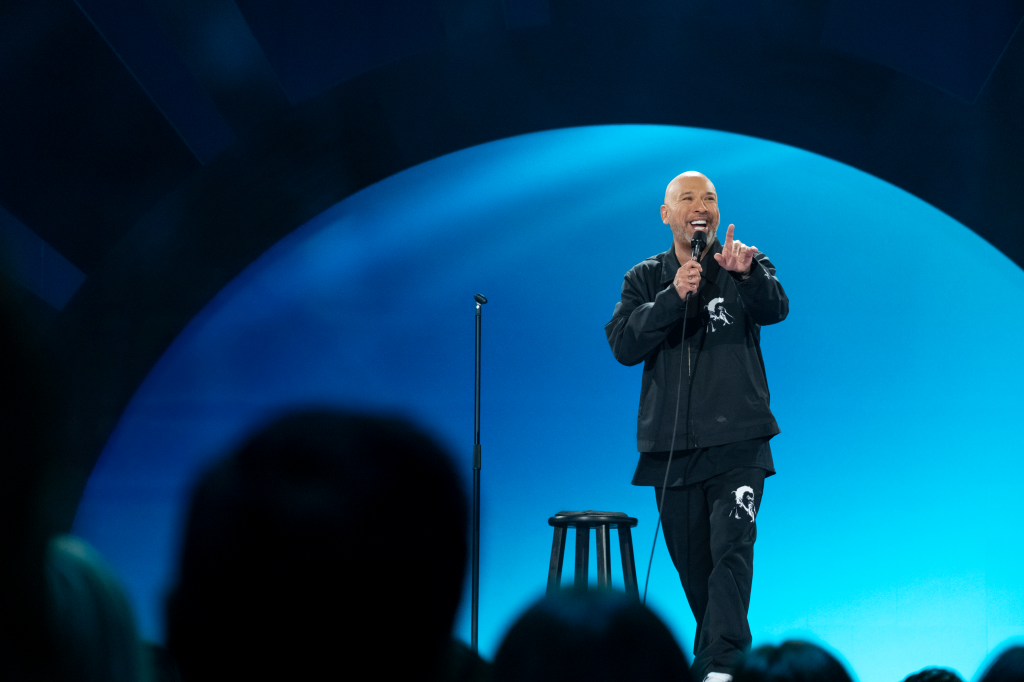
EXCLUSIVE: Comedian Jo Koy has announced his sixth Netflix special, Blue in the Face, which will premiere globally on September 15.
Filmed before a sold-out crowd at Stockton Arena, Koy’s new hour sees him relive a wild dental disaster, recount getting fired from McDonald’s, and celebrate his veteran stepdad. Check out a clip above.
With Blue in the Face, Koy fulfills a two-special Netflix deal inked in 2023. His first special under the pact, Jo Koy: Live from Brooklyn, was the seventh most watched of 2024 with 6.9M viewing hours.
Koy’s taping location for Blue in the Face held sentimental value, given Stockton, CA’s deep roots in Filipino American history. Shannon Hartman directed and exec produced the hour alongside Koy, Michelle Caputo and Joe Meloche. Art & Industry is the production company.
Consistently registering in recent years as one of the top 10 grossing stand-up comedians in the world, Koy’s other Netflix specials include Live from the Los Angeles Forum, Comin’ in Hot and Live from Seattle. Earlier this year joining Gabriel “Fluffy” Iglesias to headline the first sold-out comedy show at SoFi Stadium in Los Angeles, the comic is currently on his Koy Meets World Tour. He voices one of the roles in Forgotten Island, a new animated feature from DreamWorks/Universal releasing September 25, and is repped by Arsonhouse Entertainment, CAA, and Hirsch Wallerstein Hayum.
>
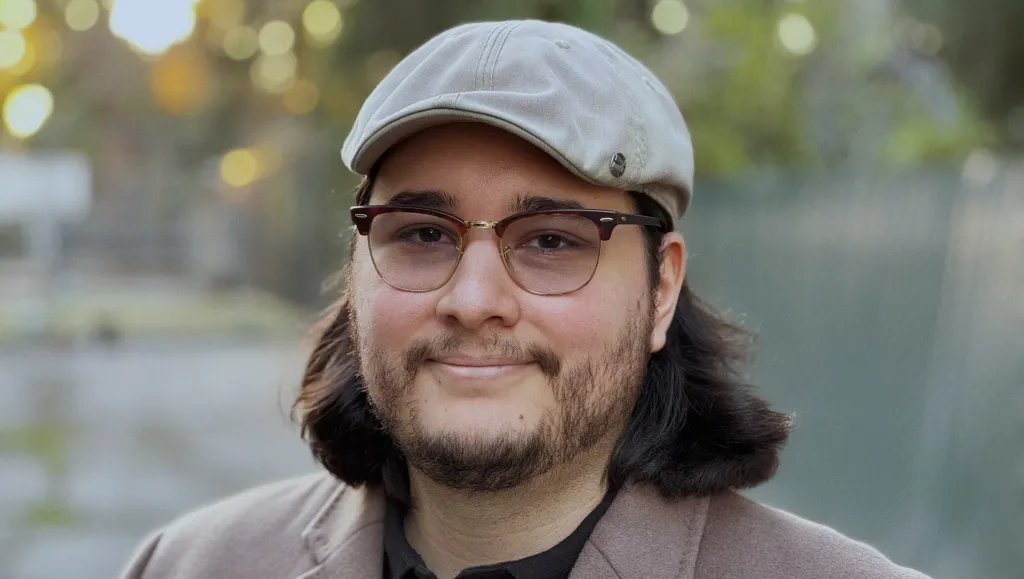
EXCLUSIVE: Alex Kahuam, director of Failure! and The Remedy, has signed with Zero Gravity Management.
The Mexican filmmaker, who is best known for his work in the indie horror features space, will be represented by Zero Gravity’s David Romero.
Kahuam was the writer and director of Tallinn Black Nights pic Failure! and Forgiveness, which screened at FrightFest, and director of his most recent film, The Remedy, which played at SXSW London and the Cannes Fantastic Pavilion.
His current pic, horror-slasher House of Holloway, wrapped production this past February. The film stars Laura Marano, Doug Jones, Orlando Piñeda, Courtney Grace and Bonnie Aarons, and follows a family of serial killers playing a twisted psychological game, competing with each other to claim the next victim from among six guests staying at their secluded home. It’s currently in post-production, and is set for a festival run next year.
Next up is Stay With Me, a supernatural psychological horror film set against the backdrop of a music festival, and an untitled sci-fi horror “in the vein of Alien,” according to his company, Kahuam Films.
“I’m very excited to work with David Romero at Zero Gravity Management,” said Kahaum. “When we first met it was clear from the beginning that he spoke my language: The genre/horror language. I’ve made indie films for the last 14 years in the U.S. and diving into the independent film industry before, during and after Covid-19 when everything changed has been very challenging.
“It’s no longer enough to be just a ‘director’; you have to be a ‘filmmaker’ and do it all. With this new collaboration I believe my independent experience and knowledge, combined with David’s great track record working with Hollywood studios and companies for his clients will be the best combination. I’m ready to transition to bigger films and wider audiences.”
>
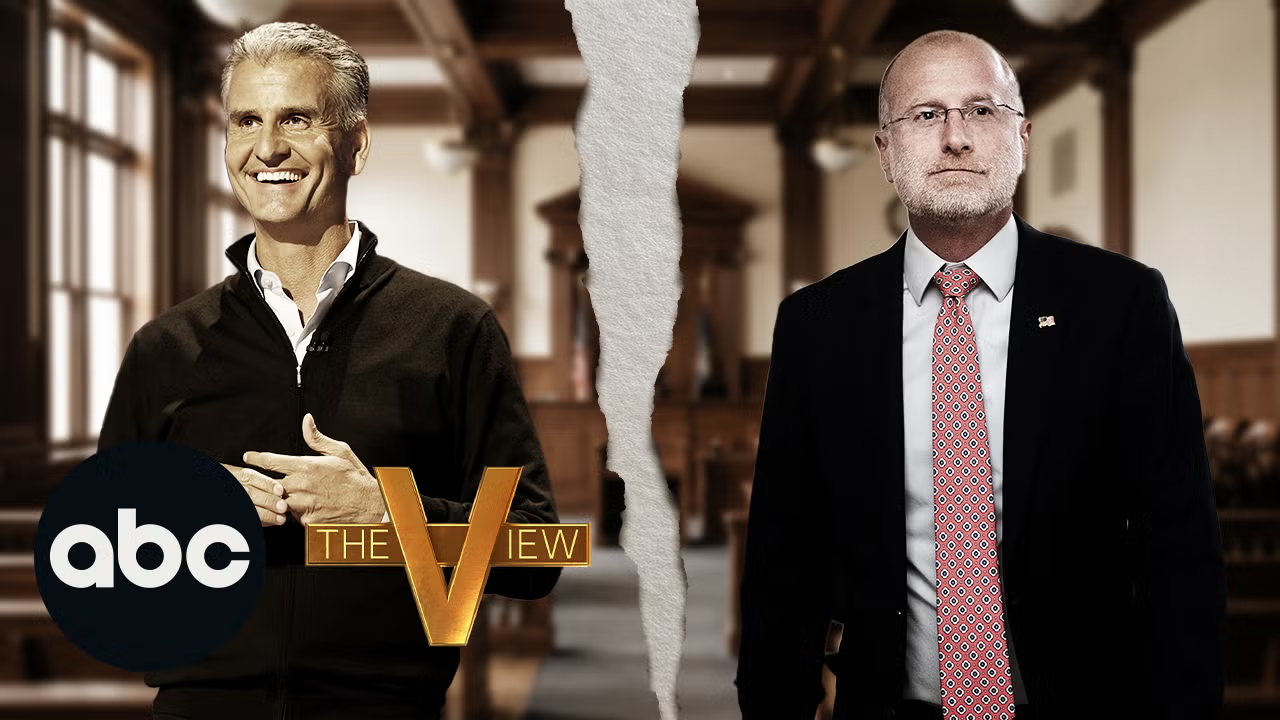
Is the era of media giants kowtowing to the Trump administration over?
The Walt Disney Company drew a line in the sand on Tuesday when its network sued the Federal Communications Commission to stop early reviews of licenses held by eight ABC-owned television stations, alleging the process is intended to chill protected speech.
The lawsuit marks the first time a major broadcaster has taken the Trump-era FCC to court over alleged retaliation for its editorial decisions, marking a notable shift from other media organizations. Over the last several months, Disney has taken a more combative posture with the FCC proceedings, even launching a viewer awareness campaign about the issue.
For Disney CEO Josh D’Amaro, who took the reins in March, it represents a stark reversal of the company’s more accommodating approach under former CEO Bob Iger, who sought to ease tensions with President Donald Trump, settling his defamation lawsuit against ABC and briefly suspending late night host Jimmy Kimmel following his remarks on Charlie Kirk’s assassination (Iger maintains Kimmel was pulled because of the “bad taste” joke).
“Disney has a far stronger case against Carr than Carr has against Disney,” Blair Levin, a New Street Research analyst and former FCC chief of staff, told TheWrap. “I doubt any court would uphold Carr’s failure to renew Disney’s license.”
But whether Disney’s lawsuit is ultimately successful or changes the broader media industry’s willingness to push back against the agency remains to be seen. Over the last year and a half, several major media companies have aimed to avoid confrontations with Trump, including Paramount, which settled his lawsuit over the “60 Minutes” interview with Kamala Harris while seeking regulatory approval for its Skydance merger.
Experts told TheWrap that a win by Disney could embolden other players to push back against the FCC’s threats, although a loss could expand the chilling effect the agency has already cast over the industry.
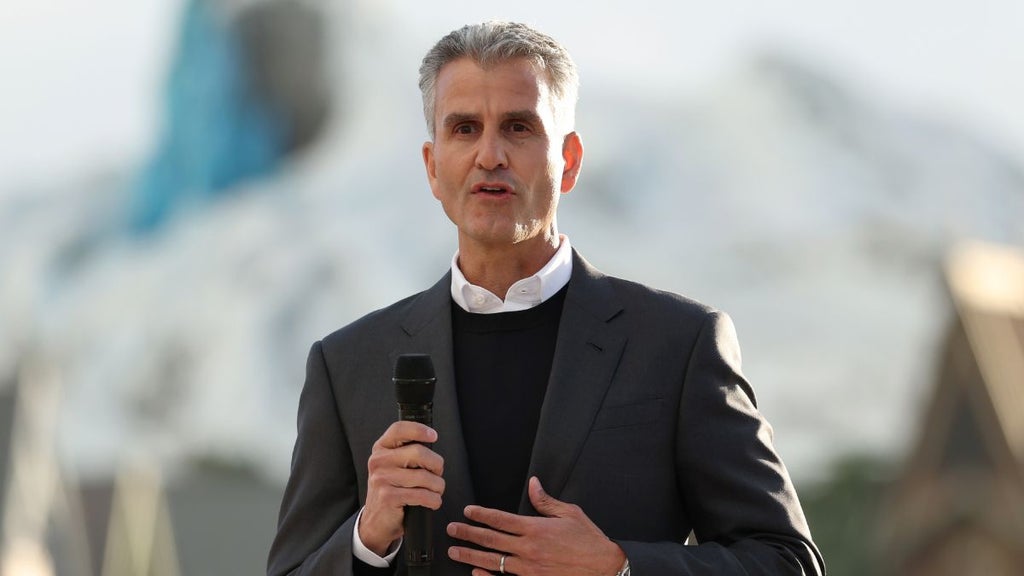
Disney is asking a federal judge to immediately halt the accelerated license reviews, arguing the FCC is using its regulatory authority to punish constitutionally protected speech and pressure ABC into changing its programming.
The FCC said all broadcasters, “even Disney,” must operate in the public interest. The commission said it has been investigating allegations of illegal DEI discrimination at Disney for more than a year, accused the company of waging a “campaign of disinformation” and pledged to “follow the facts and law wherever they lead.”
FCC Chairman Brendan Carr told CNN’s Brian Stelter on Tuesday that he had not made a final decision on the “next steps in this review.”
Blake Reid, a University of Colorado Boulder law professor who specializes in telecommunications and free speech, told TheWrap that ABC’s First Amendment case is “about as strong as they come,” citing Carr’s public statements and the commission’s conduct as “pretty clear” evidence of retaliation.

Disney makes its case
The feud between the entertainment giant and regulator dates back to April, when the FCC ordered all eight ABC-owned stations to apply for license renewals years earlier than scheduled. Six had not reached the halfway point of their current eight-year terms, according to ABC’s lawsuit, and the stations were given 30 days to prepare applications that typically take months.
The order came a week after the president and first lady Melania Trump again called for Kimmel’s firing following a joke comparing her to an “expectant widow.” The FCC said the accelerated reviews were needed as part of its existing investigation into allegations that Disney’s diversity, equity and inclusion practices violated federal law and whether the stations were operating in the public interest. Conservative groups later asked the commission to deny the renewals, citing alleged discrimination and political bias.
The FCC is also separately reviewing ABC’s request for “The View” to qualify for a “bona fide news” exemption from an equal-opportunities requirement for political candidates. A month after updating its guidance to exclude late night and daytime talk shows from that exemption, the agency began investigating the program after Texas state Rep. James Talarico, a Democratic Senate candidate, appeared as a guest. Carr later said ABC’s decision to limit its coverage of Trump’s July primetime address would also factor into the license review.
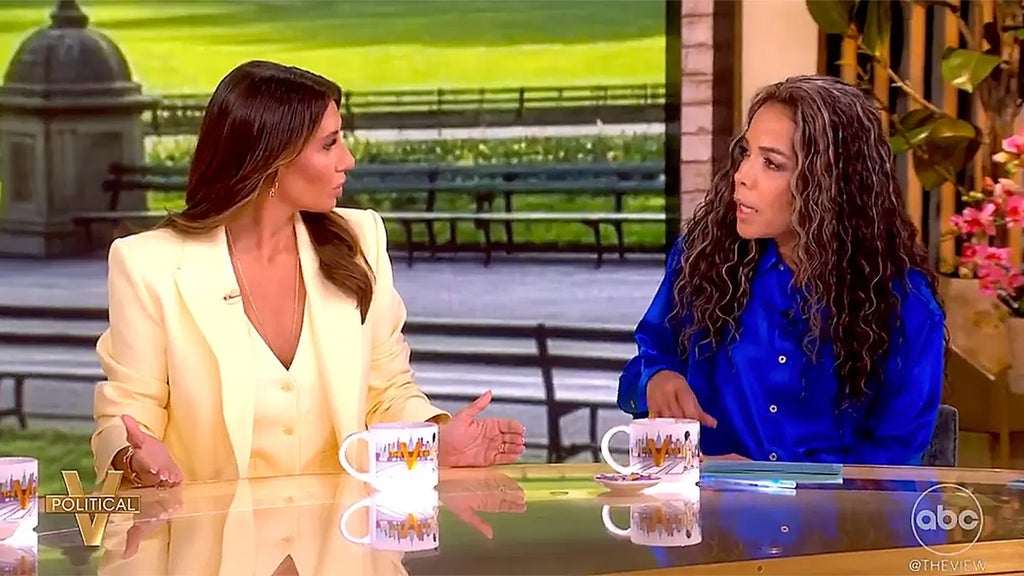
In its suit, ABC argues that the FCC’s stated rationale is a pretext for punishing the network over its programming. The company said it has received more than 600 requests for information and documents and produced over 13,000 pages in response. Its filing contends that the burden and uncertainty are themselves part of the punishment, regardless of whether the commission ultimately denies the renewals or leaves them unresolved for years.
“We’re very principled on this,” D’Amaro said in a CNBC interview during Disney’s D23 Expo last week. “We’re not going to be told how to run that side of our business.”
Anna Gomez, the lone Democratic commissioner at the FCC, wrote on X: “I’m glad Disney has shown courage and stepped up. It is time this administration understands that the Constitution does not bend to political convenience, and that the First Amendment protects news and commentary even when those in power wish it didn’t.”
ABC’s filings argue that the pressure has already affected its editorial decisions. The company said no political candidates have appeared on “The View” since the FCC opened its inquiry into the program and that the show passed on further consideration of several potential guests. ABC also said it livestreamed Trump’s July address on election fraud partly because of concerns about government retaliation, noting it would not traditionally have decided to carry it.
Those examples could help ABC establish that government pressure caused its speech to be altered or suppressed, Reid said.

Procedural complications
The harder question is whether the district court can intervene before the FCC finishes its review.
Companies ordinarily must wait for an agency’s final decision before going to court, with appeals of FCC decisions generally going directly to a federal appeals court. Though the public comment period on the proceedings has concluded, the FCC has not publicly disclosed a specific timeline for when it will make decisions on the matters.
ABC argues it should not have to endure a proceeding that is itself unconstitutional and already affecting its programming. Reid said the company has a “really solid argument” for immediate district court review, although whether the court agrees remains the tougher question.
The case to secure a temporary restraining order could move quickly. It has been assigned to U.S. District Judge Loren L. AliKhan, an appointee of President Joe Biden, who ordered ABC and the FCC to submit a proposed briefing schedule by noon on Thursday as the court looks to set up a hearing. If a temporary restraining order is secured, the judge would then have to listen to arguments on whether to grant a preliminary injunction. Appeals related to the matter could extend the legal battle even further.
“I don’t think we’re going to see this resolved this week or this month, or probably not this year,” Reid said. “But beyond that, who knows.”

Ramifications down the line
Not everyone agrees Disney’s case is clear cut.
Daniel Suhr, president of the Center for American Rights, which challenged the stations’ license renewals, called the lawsuit an attempt to “short circuit” the investigation. He said the First Amendment does not give Disney “a free pass on its obligations as an FCC licensee.”
There’s always the chance that the FCC could prevail in the legal battle, which other companies could see as a signal to keep their own heads down.
“If the FCC wins, I think they would be emboldened to continue or it would just have a chilling effect,” Corey Martin, managing partner and chair of Granderson Des Rochers LLP’s Entertainment Finance Practice, told TheWrap. “If Disney is not successful in this matter, then I don’t think that you’re going to see any other companies stepping up or coming forward to fight this particular fight or anything similar to it.”
Levin said the impact could extend beyond ABC’s licenses by clarifying how the First Amendment limits the FCC’s ability to invoke the broad “public interest” standard. Such a ruling could become relevant in future disputes involving station licenses or media mergers, including any FCC effort to block a deal for reasons unrelated to competition.
But Bob Corn-Revere, chief counsel at the Foundation for Individual Rights and Expression, called the FCC’s actions “a textbook case of abuse of the regulatory process for an unconstitutional purpose.” FIRE previously filed comments opposing efforts to deny the ABC stations’ early license-renewal applications.
Corn-Revere said a broad ruling for ABC could limit the FCC’s ability to shift to other regulatory tactics and give other media companies a road map for resisting government pressure.
“To the extent they show that it’s possible to stand up to this kind of illegal jawboning and regulatory pressure, the more I would expect other people will recognize that that is really the smart course to take,” he said.

>

Jo Koy’s New Netflix Special ‘Blue In The Face’ Sets Premiere Date

An Interview With Rensuke Oshikiri, Creator of Geniearth, Sayuri, and Hi Score Girl

FIH Hockey World Cup: England thrash Wales 8-2 to finish top of Pool D
-

 movies3 months ago
Search For Canadian TV Actor Stewart McLean Now Homicide Investigation
-

 Fashion9 years ago
These ’90s fashion trends are making a comeback in 2017
-
Fashion9 years ago
According to Dior Couture, this taboo fashion accessory is back
-
Fashion9 years ago
Model Jocelyn Chew’s Instagram is the best vacation you’ve ever had
-
Fashion9 years ago
Emily Ratajkowski channels back-to-school style
-
Fashion9 years ago
9 Celebrities who have spoken out about being photoshopped
-
Fashion9 years ago
Your comprehensive guide to this fall’s biggest trends
-
Fashion9 years ago
A photo diary of the nightlife scene from LA To Ibiza