
Entertainment
‘Toy Story 5’ Comes Home Next Month on Disney+

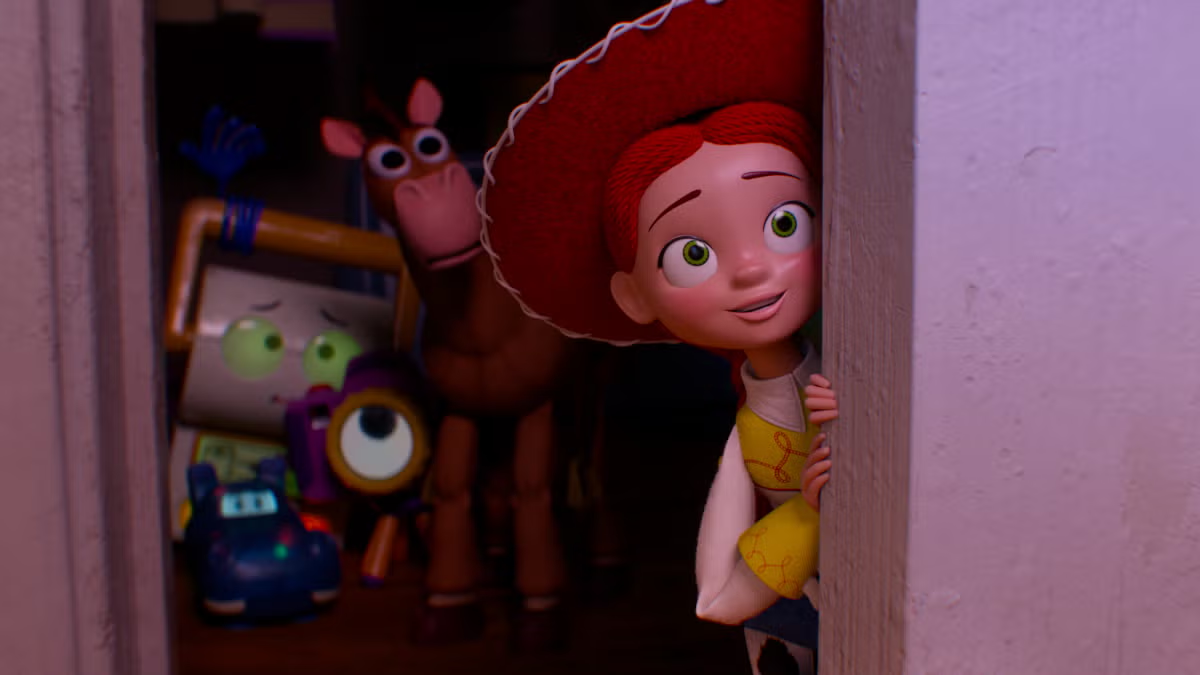
“Toy Story 5” is coming home next month, hitting Disney+ three months after it premiered in theaters.
Starting Sept. 23, new fans and longtime Pixar lovers alike will be able to see the billion-dollar-grossing sequel as part of the streamer’s “Toy Story” Collection. The four-movie franchise is notably the most-watched film series on Disney+ at over 2 billion hours streamed.
Additionally, Disney+, Spotify and Apple Music shared a new music video for the piano version of Taylor Swift’s “I Knew It, I Knew You” on Thursday, complete with scenes from the movie.
“The toys are back in Disney and Pixar’s ‘Toy Story 5,’ and this time it’s Toy meets Tech,” per the logline. “Woody, Buzz Lightyear, Jessie and the rest of the gang’s jobs are challenged when they come face-to-face with Lilypad, a brand-new tablet device that arrives with her own disruptive ideas about what is best for their kid, Bonnie. Will playtime ever be the same?”
Directed by Andrew Stanton off a screenplay he wrote with Kenna Harris, the fifth “Toy Story” film starred Tom Hanks, Tim Allen, Joan Cusack, Conan O’Brien, Scarlett Spears, Greta Lee, Shelby Rabara, Mykal-Michelle Harris and Craig Robinson.
“Toy Story 5” comes home to Disney+ on Sept. 23.

>
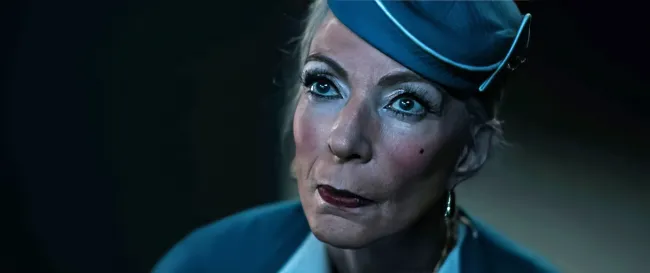
In Ridley Scott‘s dystopian thriller “The Dog Stars,” mechanic and pilot Hig (Jacob Elordi) spends much of the movie trying to reach Grand Junction, where he hopes to find some semblance of civilization in the barren world he lives in. As Hig gets closer to his goal, his — and the audience’s — sense of anticipation intensifies, to the point that Scott knew he had to come up with a great payoff. The only problem: that payoff wasn’t working for him as written.
“I didn’t like what we had in the script,” Scott told IndieWire on an upcoming episode of the Filmmaker Toolkit podcast. Knowing that the Grand Junction sequence required something eerie and audacious, Scott turned to one of his favorite films for inspiration. “One night I was watching ‘The Shining,’ and Jack [Nicholson], who is a serious alcoholic, walks into the empty bar and imagines getting a drink. And the imaginary bartender says, ‘What’ll it be?’”


Scott was reminded that he had cast that bartender, Joe Turkel, as tycoon Eldon Tyrell in “Blade Runner” after seeing Stanley Kubrick’s horror film. (Kubrick also gave Scott some of his “Shining” outtakes to use in “Blade Runner” when the studio pushed Scott to give the film a happy ending — the lush woods Harrison Ford and Sean Young drive through at the climax were trims from Kubrick’s editing room floor.) He was also reminded of how effective Kubrick was at generating a sense of unease, and suddenly knew how he could make the Grand Junction set piece something special.
“I wanted to get out of the grunge and have something different,” Scott said of the sequence’s tonal shift, in which the Grand Junction airport becomes an art deco oasis in the middle of a post-apocalyptic wasteland — an oasis that’s ultimately the most horrific location in the film. The combination of symmetrical beauty and unsettling horror in Kubrick’s film made it a clear reference point for Scott when communicating with his department heads.
“I said, ‘Shining,’” Scott said of his guidance for production designer Chris Seavers, who was tasked with creating the creepy airport where off-kilter flight attendant Allison Janney lures the film’s heroes to potential doom. “I needed the third act to have a remarkable sanctuary where the siren welcomes you in. She’s like a pirate on the rocks. It’s been a base for private aircraft, so there’s good food, nice restrooms, massage tables, and a bar. But they can carry human meat, so…there’s all the horror of that.”

It’s emblematic of the film’s wild combination of tones and styles — and of Scott’s varied tastes — that “The Dog Stars” also draws from a film that’s about as far from Kubrick and “The Shining” as you can get: Gene Saks’ 1968 adaptation of Neil Simon’s “The Odd Couple.” Scott looked to that comedy as a reference point when directing the scenes between Hig and survivalist Bangley (Josh Brolin), with whom he shares a bunker. Like Walter Matthau and Jack Lemmon in “The Odd Couple,” Scott wanted Elordi and Brolin to come across as a variation on a bickering old married couple, an idea that gives his grim sci-fi tale an essential dose of levity.
“I think Walter Matthau said to Jack Lemmon, ‘If you clean that ashtray one more time, I will brain you with it,’” Scott said. “In a way, right there is the dynamic between [Hig and Bangley].” Scott allowed Elordi and Brolin to play with their dialogue and relationship and captured it all using four to six cameras at a time, an approach Scott says frees the actors up for happy accidents and helps give life to the humor. “They’re finding it on the open stage, where they’re covered from every direction.”
Scott says that casting is the most important part of directing actors; once they’re cast, he gives them full authority over their characters. “I make the actor my partner,” Scott said. “I will never ask them what they think. I’ll just say, ‘I know you’ve read it. I know you’ve prepped it. And we’re just gonna shoot it. Let’s see what you’ve got.’ Suddenly they’re turned loose on the floor — and there’s a freedom in that.”
“The Dog Stars” opens in theaters on August 28. The Ridley Scott episode of Filmmaker Toolkit will air later this summer. To hear the entire conversation and make sure you don’t miss a single episode of Filmmaker Toolkit, subscribe to the podcast on Apple, Spotify, or your favorite podcast platform.
>

Six, the Tony Award-winning Broadway musical that uses modern pop styles to retell the stories of Henry VIII’s wives from the women’s point of view, will close on January 3, 2027, after nearly six years and 2,178 performances.
The closing was announced today by producers Kenny Wax, Wendy & Andy Barnes, George Stiles, and Kevin McCollum.
The musical by Toby Marlow and Lucy Moss, co-directed by Lucy Moss and Jamie Armitage with choreography by Carrie-Anne Ingrouille, was the first new musical to open on Broadway following the 2020 Covid shutdown. With previews that began on September 17, 2021, and an opening night on Sunday, October 3, 2021, Six has become the longest running show to ever have played the Lena Horne Theatre (formerly the Brooks Atkinson Theatre).
Capitalized at an initial $5 million, Six recouped the investment in December 2021, a quick turnaround due to the relatively low capitalization, moderate weekly operating costs of an estimated and approximate $469,000 and ticket-buyers enthusiasm for a critically lauded – and decided buoyant – musical loaded with fine, fun songs and clever premise extremely well executed. (Read Deadline’s original review here.)
In recent months, though, the Broadway show’s box office has been dwindling. For the week ending August 23, the show grossed $463,638, a big drop from the $600,000-$700,000+ range of its peak last year. During that August week attendance was at just 60% of the Horne’s capacity.
After premiering at the Edinburgh Festival Fringe in 2017, Six opened in the West End in January 2019, then began performances on Broadway in February 2020 before its interruption by the shutdown. The musical returned to the then-Atkinson after the closings lifted in the fall of 2021.
The London production continues to run, as do tours in the U.S., the UK and Australia. Having previously completed runs in Amsterdam, Auckland, Barcelona, Berlin, Dublin, Düsseldorf, Frankfurt, Groningen, Las Vegas, Manila, Munich, Nagoya, Osaka, Seoul, Shanghai, Singapore, Tokyo, Toronto, Trieste and Zurich, Six returns to China later this year on a 12-week tour. A new Spanish-language production opens in Madrid this September.
A live capture film titled Six The Musical Live!, recorded at the Vaudeville Theatre, London, with the original West End cast reprising their roles, was released by Universal Pictures Content Group in the UK and Ireland last April and in the United States and Canada on August 14.
The Broadway production currently features Khaila Wilcoxon as Catherine of Aragon, Chloe Tucker Caine as Anne Boleyn, Natalie Paris as Jane Seymour, Olivia Donalson as Anna of Cleves, Aimie Atkinson as Katherine Howard, and Stephanie Jae Park as Catherine Parr.
An original Broadway cast recording was released in 2022 and earned a Grammy Award nomination for Best Musical Theatre Album.
The Broadway production was nominated for eight 2022 Tony Awards, including Best Musical, Best Original Score, Best Direction of a Musical, Best Choreography, Best Orchestrations, Best Costume Design/Musical, Best Lighting Design/Musical and Best Sound Design/Musical. The show won in the score and costume categories.
>
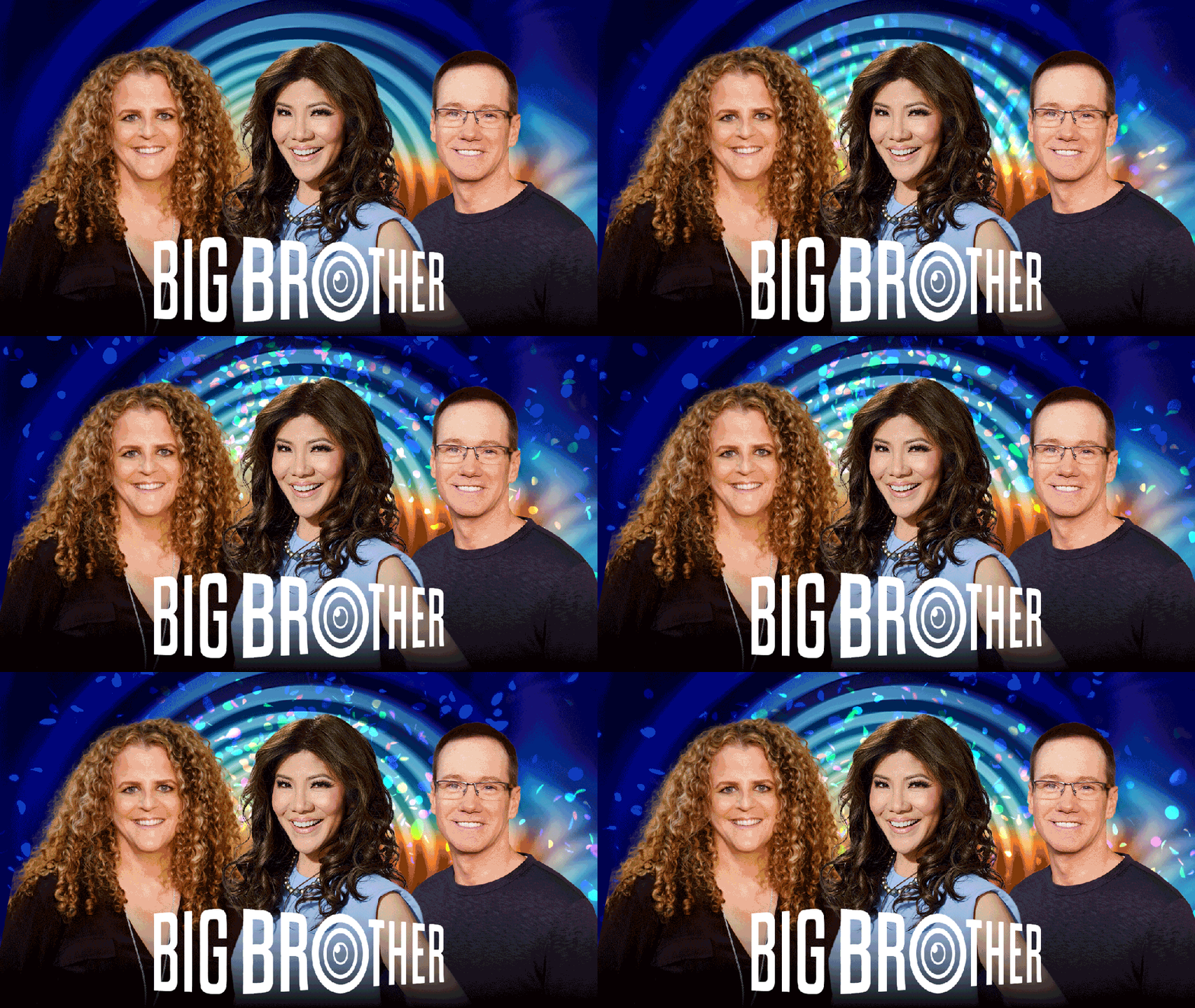
“Big Brother” will become the first primetime series to reach 1,000 episodes on Thursday, a feat its own creative team struggles to believe — given where things started.
Based on a hit Dutch format and produced by its original creators, “Big Brother” debuted in July 2000 to high expectations, weeks after CBS struck gold with the premiere of “Survivor” and networks were hungry for unscripted shows to compete with MTV’s “The Real World.” The original show followed a group of sequestered strangers living together under constant video surveillance, competing for a life-changing cash prize in real time. Everything that happened inside the house was broadcast in 24/7 live feeds via AOL, with edited footage airing throughout the week. The public voted on which player, or houseguest, to “banish” each week and by summer’s end, also on the winner.
The show debuted to passionate feedback — but not the good kind.
“I expected ‘Big Brother’ to be bigger than ‘Survivor,’ but pride comes before the fall,” host and executive producer Julie Chen Moonves told TheWrap. “[Critics] hated the show. They hated me. They hated the house … there was chatter we might get canceled mid-season.”
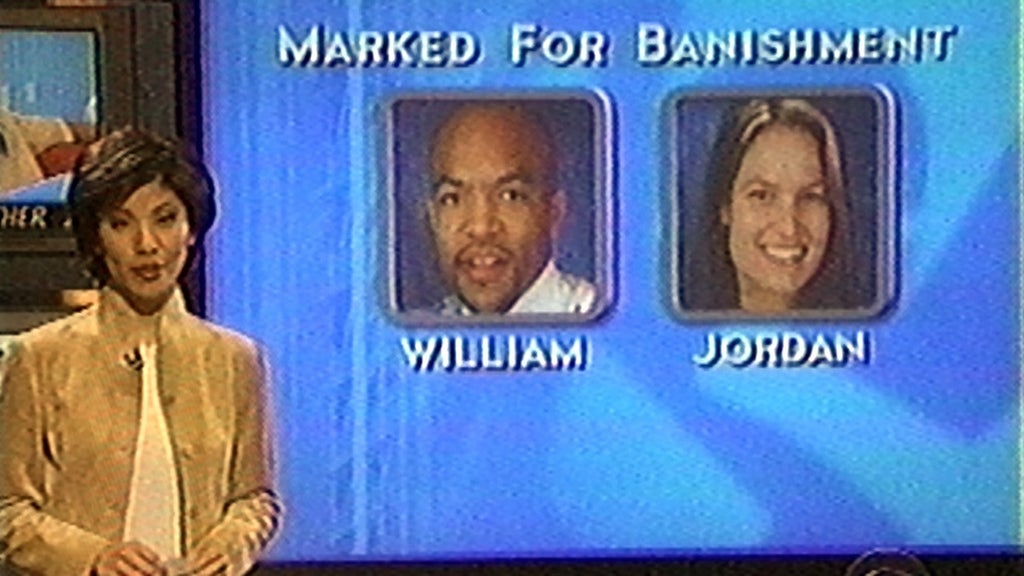
But CBS believed its peculiar social experiment could work with some changes. Upon a Season 2 renewal, the network brought in a new team led by executive producer Allison Grodner, who turned the show into a more strategic game. That season also took voting privileges from viewers and gave it to the houseguests — ensuring social interactions were as important as winning competitions to succeed in the game.
Rich Meehan joined the team in Season 3 and rose to executive producer by Season 5. Together, he and Grodner spearheaded “Big Brother” through more than two decades of evolution, game-changing twists and controversies. Today, it stands alongside “Survivor” and “The Amazing Race” as CBS’ unscripted tentpole franchises — with no sign of stopping anytime soon.
“‘Big Brother’ was the original streaming show when it first premiered with 24/7 live feeds, but with the advent of social media, the show feels more relevant than ever,” Mitch Graham, CBS EVP of alternative programming, told TheWrap. “It’s hard to find new ways to keep the audience and the players on their toes in the 28th season, but [Grodner and Meehan] do it by constantly taking big swings and evolving how they approach the show.”
A remarkable 28 seasons in, “Big Brother” has turned into a summer staple for reality TV fans across the country — the kind of consistency broadcast and cable networks strive for as linear viewership continues to decline. It’s also a big money maker for Paramount. The show generated $25.1 million in streaming revenue for Paramount+ in the U.S. between the first quarter of 2021 and the first quarter of 2026, according to Parrot Analytics. That’s slightly more than “The Amazing Race” at $25 million and more than half the revenue of crown jewel “Survivor,” which recorded $47.5 million in the same period.
“We’re now at the point where it’s entire generations watching, and people auditioning now say they grew up watching with their parents or grandparents,” Grodner told TheWrap. “To still be embraced by the audience and bring in new viewers … It’s crazy to think about.”
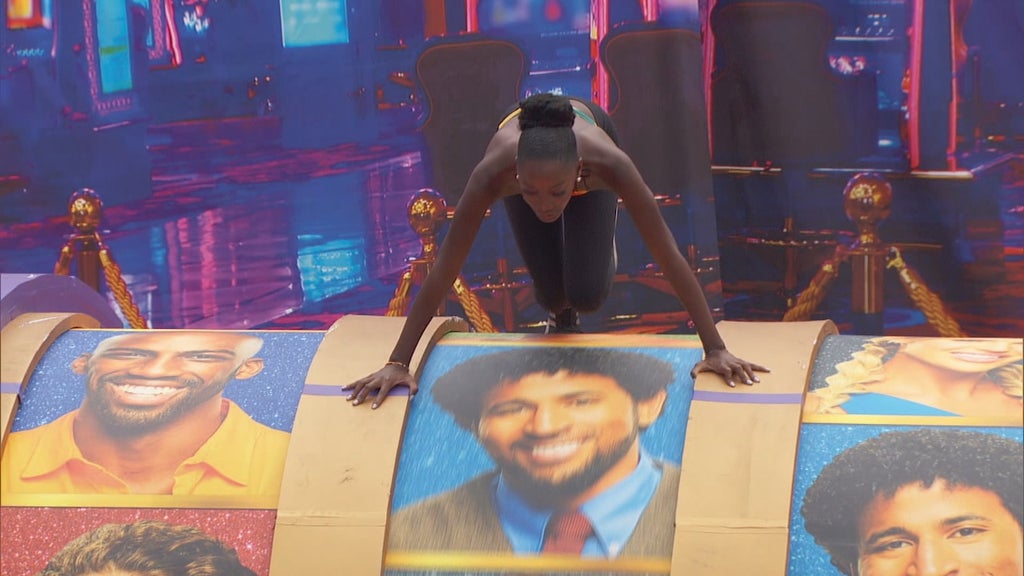
Part of its success, as seen with contemporary shows like “Love Island USA,” is thanks to it occupying several slots on the TV calendar. The show airs three days a week, with an aftershow titled “Big Brother: Unlocked,” adding behind the scenes content and commentary from former winners and fans sporadically throughout the season. And of course there’s the live feeds, which are available 24/7 on Paramount+, Pluto TV and at select times on YouTube starting this year.
It also helps that producers don’t hesitate to shake up the game, ensuring a reliable but surprising journey with every season.
“There’s no doubt we keep making it more and more challenging every single summer,” Grodner said. “We can’t make everyone 100% happy, but hopefully we do enough to make an amazing, entertaining and compelling show that keeps you watching to the very end.”

Like most broadcast shows impacted by a 56% decline in linear viewing since the 2000s, “Big Brother” has seen ratings shift from an average of 7.8 million viewers in its first season, down to around 4 to 5 million multiplatform averages in recent years. But viewership is on the rise. The Season 28 premiere scored 3.9 million viewers, a 22% increase from the year before and its most-watched debut since 2021. The season is averaging 5.21 million seven-day multiplatform viewers per CBS data, a 10% increase year over year.
In minutes watched, CBS says the show is on track to reach 15 billion minutes across linear episodes and the live feeds, a 74% increase from last summer’s 8.6 billion minutes. Social media is also growing, with Season 28 content generating 179 million views so far, up 170% year over year, and official accounts more than doubling their growth from last year, adding more than 138,000 new followers.
It’s easy to credit the surge to “Big Brother” recruiting “Survivor” vets to join the game this season. But as other competition shows like “Love Island USA” and ABC’s “Dancing With the Stars” saw resurgences of their own, it’s clear “Big Brother” benefited from younger generations embracing the joys of communal viewing. And they can brag about doing it first.
“We always say ‘Big Brother’ has been ahead of the curve. We’re ahead of the technology, and that’s what keeps us in the conversation,” Grodner said. “Twenty-six years later, we’re still the only show that dares to stream live.”

Building the game
Though the “Big Brother” game unfolds in real time, the creative team spends months crafting a season’s trajectory, long before locking in its cast. That helps ensure competitions are ready to go and twists are in place to shake things up throughout its typical three-month run, while keeping the houseguests on an even playing field.
Season 28 introduced a “time travel” theme, recruiting former houseguests and winners to host competitions in different time periods — like a futuristic puzzle set in the distant future, or a game of deception set in the British Regency era. One highlight from the premiere included Season 13 winner and reality icon Rachel Reilly returning to the game for the fourth time, only to be eliminated in 1500 B.C. after she was pushed into a volcano by a velociraptor. It was a cheeky red herring before introducing “Survivor” winner Dee Valladares as this year’s real final houseguest.
It’s on par with the show’s campy and comedic tone, which helps “Big Brother” stand out from its fellow CBS competition shows.
“We’re a reality soap opera,” Meehan told TheWrap, emphasizing how the houseguests’ relationships impact the show’s narrative, so the focus shifts from talking strategy to funny moments that come from isolation, or reactions to surprise voting outcomes and punishments unleashed on the house.
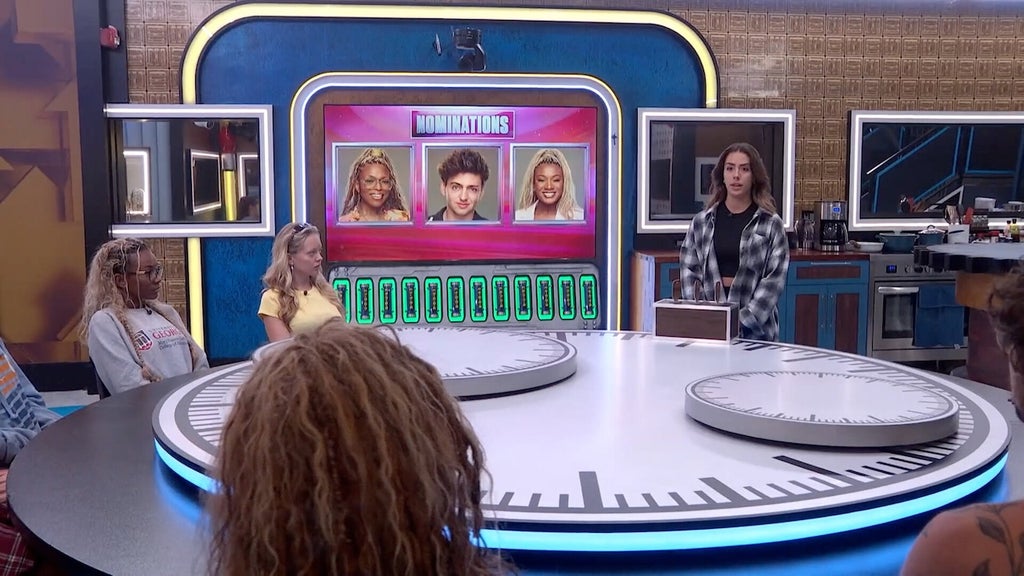
Each week kicks off with a Head of Household competition, determining one houseguest who will be safe from eviction and tasked with nominating three others to be voted out. The next competition is the Power of Veto, where the HOH, the nominees and three randomly selected houseguests compete for the chance to swap one of the nominations of their choosing. After the veto decision, the three nominees compete for one last chance at safety in the BB Blockbuster, a challenge that takes place during Thursday’s live broadcast. The houseguests then vote to evict from among the two nominees left on the chopping block — and the cycle starts again.
Throughout the week, houseguests get to know each other, build alliances and conspire to gain control of how competitions and voting play out. Fans can choose to follow the drama through the episodes airing Sundays, Wednesdays and Thursdays on CBS or through the 24/7 live feeds — which spark seemingly endless online debate on social media.
The challenge comes from changing things up through the show’s seasonal theme, and the right balance of traditional competitions and big twists that keep houseguests and the audience guessing.

“We’ve been on the air for so long that what worked 23 years ago isn’t going to work today,” Meehan told TheWrap. “We like taking chances with twists to keep our houseguests on their toes … This season’s cast had 27 seasons they could watch to strategize, you have to throw some curveballs their way. But the integrity of the game is key.”
Viewers can expect a game-changing twist to unfold during Thursday’s 1,000th episode — which will feature appearances from former houseguests and Big Brother fans to honor the show’s legacy, along with the usual BB Blockbuster and a live eviction.
“I’m humbled by [reaching 1,000 episodes] and no one’s more surprised than I am,” Chen Moonves said.

The face of “Big Brother”
Chen Moonves didn’t want to host “Big Brother” at first. An almost-threatening call from her CBS News bosses got her to change her tune. All these years later, she calls it the best job on broadcast television.
She was 29 when she was first approached about the role, working as a CBS Morning News anchor, with dreams to work as a hard-charging “60 Minutes” correspondent. She asked if taking the “Big Brother” role would impact her chances to realize those dreams, her bosses said yes. But when they added that declining the offer could be considered insubordination and lead to further trouble, Chen Moonves got on a plane to Los Angeles and went to work.
Chen Moonves presides over the show’s live eviction episodes every Thursday. After that bumpy first season, she watched the game find its footing through the years. She said the show became a true hit with Season 7, its first All-Stars installment that brought back iconic houseguests like Janelle Pierzina, Dr. Will Kirby and others.
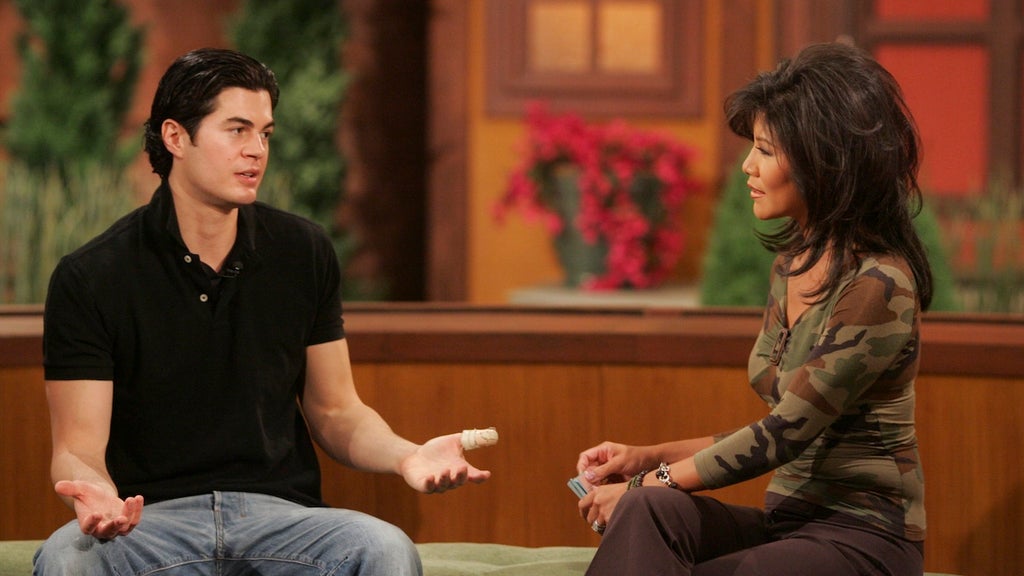
She also evolved. In the early years, Chen Moonves earned the nickname “the Chenbot” from fans and internet bloggers who criticized her hosting as stiff and overly formal. But she embraced it, weaving her signature broadcast anchor cadence into the language producers wanted to establish for the show. It’s she who first uttered phrases like “But First” and “Expect the Unexpected,” which have become synonymous with “Big Brother” and across pop culture.
“She’s in on the joke. She’s really been able to poke fun at herself, say crazy things in a serious tone but with a wink and a nod,” Grodner said. “I always say it’s not Thursday night if Julie’s not standing there on your TV screen.”
Looking back, Chen Moonves calls her bosses “forcing” her to take the job as a blessing in disguise. In 2004, she married then-CBS president Leslie Moonves and welcomed son Charlie Moonves in 2009. “It’s the perfect job for me as a mother and a wife … I wouldn’t be able to be a helicopter parent if I was globe-trotting at ‘60 Minutes.’”

Beyond her own life, Chen Moonves relished in how “Big Brother” has impacted others — she often touts how the show has led to more long-term marriages than “The Bachelor” franchise.
“Think about it: You’re meeting and falling in love with someone. You’re incidentally living together. You’re going to see all sides of that person, if you’re compatible or not and if you truly can or cannot live without that person,” she said. “‘Big Brother’ has so many blessings. It’s beyond my wildest dreams.”

>

England v Pakistan Second Test: England lose four wickets before lunch on day one

‘Toy Story 5’ Comes Home Next Month on Disney+

Episode 8 – Red River
-

 movies3 months ago
Search For Canadian TV Actor Stewart McLean Now Homicide Investigation
-

 Fashion9 years ago
These ’90s fashion trends are making a comeback in 2017
-
Fashion9 years ago
According to Dior Couture, this taboo fashion accessory is back
-
Fashion9 years ago
Model Jocelyn Chew’s Instagram is the best vacation you’ve ever had
-
Fashion9 years ago
Emily Ratajkowski channels back-to-school style
-
Fashion9 years ago
9 Celebrities who have spoken out about being photoshopped
-
Fashion9 years ago
Your comprehensive guide to this fall’s biggest trends
-

 Anime3 months ago
Rurouni Kenshin: Hokkaido Arc Manga Takes 1-Issue Break – News