
Director Wang Bing attends the ‘Jeunesse (Le Printemps) (Youth Spring)’ red carpet at the Cannes film festival on May 18, 2023.
Getty Images


A lot of attention has been paid to the future of the film industry in the wake of Skydance acquiring Paramount and Warner Bros. Discovery, but few are talking about the other big entertainment play of this new merger: TV. With the acquisition of WBD, Skydance now owns nearly 190 shows, more than 70 cable channels and two major streamers.
It’s a massive portfolio that threatens to disrupt the current order of television. Over the past 12 months, networks and streaming assets owned by Paramount and Warner Bros. Discovery combined averaged about 13.3% of all TV watched, according to Nielsen’s Media Distributor report. That narrowly edges out TV’s long-running leader YouTube, which accounted for 13.2% of all TV watched during the time period, and puts it ahead of Disney, NBCUniversal, Versant and Netflix.
“This is the biggest consolidation event the media environment has seen in recent years, and it fits the pattern we’ve been tracking: companies tying together capabilities that used to sit apart. Putting Paramount+ and HBO Max under one owner, alongside CBS, CNN and two of the industry’s largest studios, hands Skydance enormous leverage over premium ad-supported inventory,” Alex Yip, the director of product strategy at the mobile marketing analytics and attribution platform AppsFlyer, told TheWrap. “For advertisers, that’s going to be something to closely watch.”
It all sounds impressive, but when you break down the TV assets that Skydance TV now owns, questions start to arise. At a time when media companies are de-emphasizing or outright spinning off their cable assets, Skydance doubled down businesses that are losing cultural relevance and subscribers even as the channels continue to provide a healthy, if shrinking, source of cash. Though there have been many attempts to reinvent cable assets for the streaming age, like Disney incorporating FX into Hulu or NBCUniversal spinning off its cable assets into Versant, very few companies have successfully managed to breathe new life into these networks.
“The fate of all of these cable channels is either to be bundled up and spun off, like Versant was out of NBCU, or to continue the status quo of what Paramount’s been doing with them since before Skydance, which is spend as little money as possible and just squeeze those nickels and dimes from the carriage fees while there’s still blood to get out of that stone,” Ken Basin, founder and author of “The Business of TV” as well as a TV consultant, told TheWrap.

It’s unclear exactly what Skydance plans to do with its massive cable catalog. When asked about those assets at the company’s kickoff event on Tuesday, Co-CEO Ynon Kreiz focused instead on increasing output for the company’s three major TV studios: CBS Studios, Warner Bros. Television and Paramount Television Studios.
“When you do that, you can then drive growth in your [direct-to-consumer] business. You can continue to optimize your linear channels around the world, which is a large business,” Kreiz said. “That symbiotic relationship is the underpinning of the model.”
But no amount of optimization will reverse the fact that people are leaving cable, and they’re not coming back.
Meanwhile, streaming is just starting to prove that it can be profitable. For example, during its second quarter earnings report, WBD reported that its streaming division surpassed $3 billion in revenue. Co-CEO David Ellison has previously said that a combined Paramount+ and HBO Max service would have about 200 million subscribers globally, and there’s reason to believe that a lot of these subscribers will be watching ads, a key revenue stream for TV. The market data company Antenna estimated that, as of August, Paramount+ had 12.8 million ad-supported subscribers in the U.S. while HBO Max had 12.9 million ad-supported subscribers.
Even as Skydance’s streaming trajectory looks bright, the company is still facing the same question that’s haunting all of television: Can streaming make enough money to offset the end of the cable gravy train?
It’s too early for anyone to have a clear answer. But in the wake of Skydance’s latest acquisition, here are all the TV assets the company now owns, who’s in charge of what and which networks to watch in the coming months.
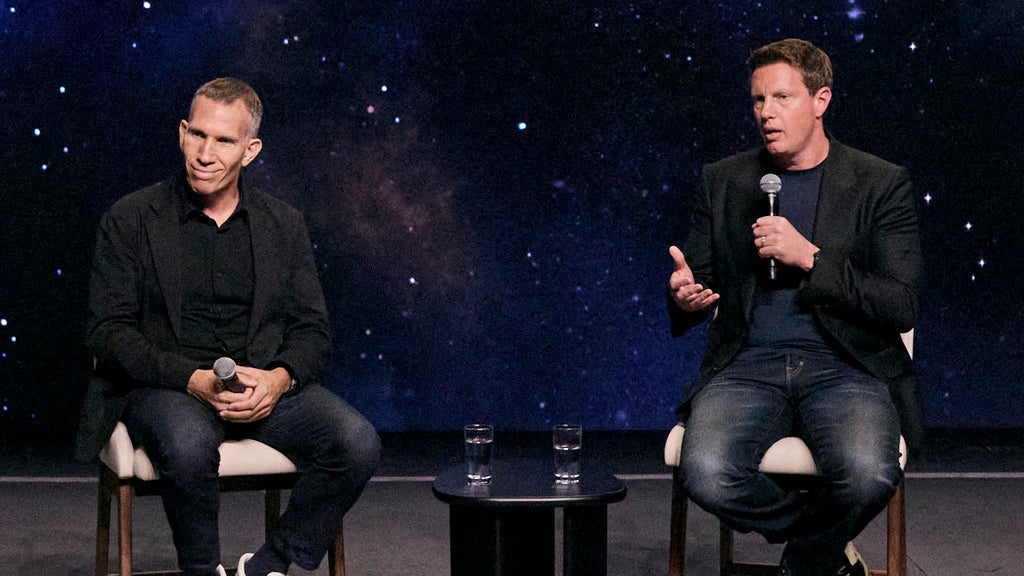
Unlike the film side of the business, the proposed consent decree does not require that Skydance produce a set number of TV shows. However, there are restrictions that require affiliate fee negotiations for cable channels to be kept separate, meaning that Skydance cannot require a partner to take Paramount’s channels as part of a WBD negotiation and vice versa. If this term is breached, Paramount may have to divest several channels including BET, VH1, Comedy Central, Smithsonian, Destination America and Science.
But that’s essentially a slap on the wrist when you take a look at the full scope of what Skydance TV controls:
The Paramount players:
On the television side, there are five divisions within Paramount: CBS Entertainment Group, Showtime Networks, BET Media Group, MTV Entertainment Group and Nickelodeon Group. Across those divisions, Paramount owns 44 TV networks and specialized programming blocks across broadcast and cable. Specific programming blocks are included in this count because, while a network like Nickelodeon may attract a specific audience, a block like Nick at Nite has the potential to attract an entirely different kind of audience, an offering that can be attractive to advertisers. In fact, between the two examples, Nick at Nite was far more watched last year than Nickelodeon.
Here’s the full list of Paramount-owned channels and specialized programming blocks in alphabetical order. The major ones that were among the top 100 most-watched channels in 2025 are in bold:

The Warner Bros. Discovery players:
Compared to Paramount’s 44 networks and notable programming blocks, Warner Bros. Discovery only has 34. However, 18 networks owned by WBD were among the top 100 most-watched networks of last year compared to the 13 Paramount-owned networks that made that same list.
Here’s the full list of WBD-owned channels and specialized programming blocks in alphabetical order. The ones that made it in the top 100 are in bold:

The streaming players:
The last part of Skydance’s enhanced TV portfolio is the part everyone wants to talk about: the company’s many streaming services. Paramount’s direct-to-consumer platforms include Paramount+; Pluto TV; SkyShowtime, which is a joint venture with Comcast and set for divestiture; and Philo, which is a joint venture with A+E Global Media, AMC Global Media and Warner Bros. Discovery.
As for WBD, the company’s DTC offerings include the aforementioned Philo, HBO Max, Discovery+, Cinemax and CNN All Access.
Eventually, Skydance plans to combine Paramount+ and HBO Max. But since that will take time, audiences can expect more streaming bundling options in the short term.
“We will definitely look to bring the tech stacks together as quickly as possible,” Ellison said during Tuesday night’s press event.
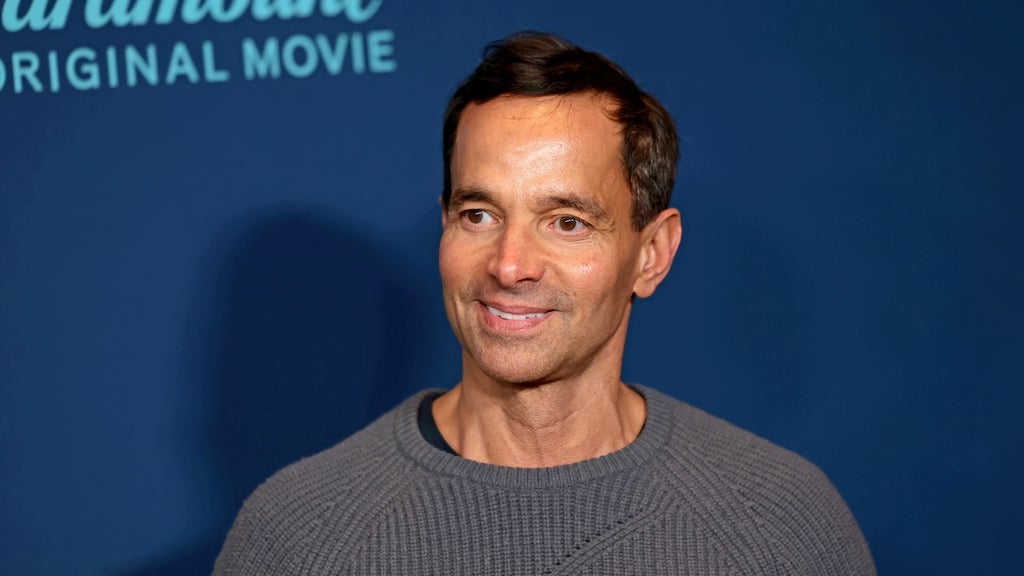
There have been a lot of promotions and reshuffling in the wake of this merger, but there are basically four TV-related buckets to keep in mind: Skydance TV, Skydance DTC (direct-to-consumer), DC Studios and the news division, which includes CBS News and CNN.
Let’s start with the big boy: Skydance TV.
George Cheeks will be leading Skydance TV as co-chair and chief content officer. Cheeks is the last Paramount CEO standing, so to speak. After Bob Bakish stepped down as CEO of Paramount Global in 2024, Cheeks replaced him alongside fellow co-CEOs Brian Robbins and Chris McCarthy. Both Robbins and McCarthy have since left the company, with Robbins founding the entertainment company Big Shot Pictures and McCarthy moving with Taylor Sheridan to NBCUniversal. But Cheeks, the longtime executive who has specialized in CBS, news and sports, stayed with Paramount during the merger. In this new role, he will have three major players — all heads of TV studios — under his watch.
Channing Dungey, the former president of ABC Entertainment and chairwoman of Warner Bros. Discovery U.S. Networks, will report to Cheeks as the chairman and CEO of Warner Bros. Television Group and U.S. Networks. Dungey is an experienced exec with a good eye for talent; she worked closely with both Shonda Rhimes and Kenya Barris when they left ABC for Netflix, and she worked with WBTG to produce massive hits like Apple’s “Ted Lasso,” ABC’s “Abbott Elementary” and HBO Max’s “The Pitt.” Dungey will take over Paramount cable networks while continuing to run Warner Bros. TV Group.
The next executive under Cheeks is Matt Thunell, the president of Paramount Television Studios. Thunell is a bit of an old timer under this new reign. He was promoted to his current position the last time Skydance acquired a multi-billion dollar media company (aka last summer). Thurnell has been behind the development of major shows like Prime Video’s “Reacher,” Apple’s “Foundation,” Showtime’s “Dexter: Resurrection” and Netflix’s “Emily in Paris.” Much like Dungey, Thunell is on the studio side. That means that while he and his team may make shows for Paramount or WBD, they’re largely platform agnostic.
Rounding out Cheeks’ direct reports is CBS Studios President David Stapf. Stapf is the longest-tenured head of a TV Studio in modern history, having run CBS Studios since 2004. A survivor of the CBS-Paramount merger that has overseen properties such as “Star Trek” and “NCIS,” it’s unlikely that he’s going anywhere soon. He and CBS Entertainment president Amy Reisenbach last renewed their deals through 2028.
Then there’s Casey Bloys, the new co-chair and chief content officer for Skydance DTC, who is taking over the role after Cindy Holland’s departure. There aren’t many TV executives whose work is well known enough to turn them into household names, but Bloys is close to that level. Bloys has overseen HBO’s programming since 2016 and has been in charge of HBO Max since 2020, leading the network through such massive hits as “Game of Thrones,” Succession” and “The Last of Us.” Bloys will oversee original programming as well as strategy, operations, communications and performance across the company’s streaming platforms, which include both HBO Max and Paramount+. He will report directly to Ellison.
The final player for both Skydance TV and Skydance DTC is JB Perrette, who will be both Skydance TV and Skydance DTC’s co-chair and chief business officer. Formerly the head of Global Streaming and Gaming at WBD, Perrette was David Zaslav’s righthand man and was responsible for the rollout of HBO Max across more than 130 global markets. In this new role, Perrette will have global oversight over distribution, advertising sales, content sales, DTC strategy, marketing and business operations. Basically, if Cheeks and Bloys are the content heads, Perrette is there to make sure everyone gets paid.
The other two TV-related divisions of the company are less complicated. On the DC Studios side, James Gunn and Peter Safran will serve as co-chairmen. Though Gunn and Safran are often thought of more as movie guys, HBO’s latest DC additions, including “The Penguin,” “Lanterns” and “Peacemaker,” prove that the duo has a plan for their superhero universe beyond the big screen. They’ve been leading DC Studios since 2022, and WBD seems happy with the fruits of their labor.
That leaves arguably the most discussed leaders in Skydance TV: CNN Worldwide Chairman and Editor-in-Chief Mark Thompson and CBS News Editor-in-Chief Bari Weiss. The former president and CEO of The New York Times Company as well as the former director-general of the BBC, Thompson is a news veteran. He took over CNN in 2023 after Chris Licht was ousted. Though he faced some criticism over CNN’s coverage of the Gaza War, Thompson seems to be generally accepted as a solid leader for the network.
That’s not necessarily the case for Weiss. A former op-ed columnist for the Wall Street Journal, Weiss’ time leading CBS News has been plagued by controversies ever since she took over the position last year. She’s been accused of rewriting a script for Tony Dokoupil to be more favorable to President Trump, spiking a “60 Minutes” story about the Salvadoran Terrorism Confinement Center and firing “60 Minutes” veteran Scott Pelley – to name a few of the reasons why her name has made headlines.
Despite the fact that these two news organizations will be owned by the same parent company, Ellison emphasized that they will not be combined.
“We’re going to make sure that CNN and CBS News are completely editorially independent,” he said.
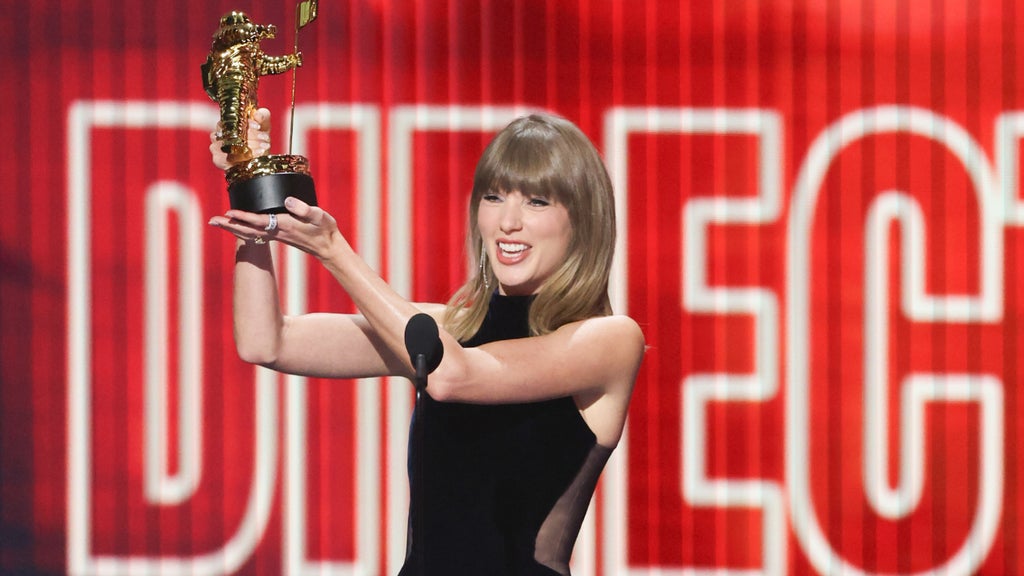
Though cable has been largely written off as a dying industry, there are several Skydance-owned networks that have value beyond their linear viewership and whose brand equity has been unrealized. For example, MTV was once a revolutionary hub for youth culture just as Comedy Central used to be a vital venue for developing emerging comedic talent.
“These were really meaningful brands, brands whose meaning were disproportionate to their economic heft, even at the best of times,” Basin said.
These networks may not mean as much to Gen Z or Gen Alpha viewers, but older generations have a great deal of affinity for them. It would be shortsighted not to capitalize on those networks, especially as Ellison and Kreiz seem dedicated to increasing Skydance’s content output.
In addition to MTV and Comedy Central, Cartoon Network, Nickelodeon, Adult Swim, BET, Food Network, Investigation Discovery, HGTV, TLC and CMT all fall into this category. Basin could see a reality where certain cable networks could become bigger players in the streaming age, either through designated network tiles highlighted on streaming services or in other ways.
“Not all of these cable channels have enough brand equity left — if they ever did — to sustain that independent identity. I don’t know that truTV gets you very far or that TBS means much to people anymore,” Basin said. “But the things that are closely associated with a genre, culture or an audience, I think streaming services will continue evolving toward looking like MVPDs or cable satellite providers.”
Specifically, Basin could see a combined ad sales team for Cartoon Network and Nickelodeon, two longtime leaders in children’s entertainment. During a time when YouTube is so popular with Gen Alpha, having a contained entertainment hub is an appealing value proposition for parents.
“I don’t think that you’re going to bring in some energetic new leader and all of a sudden Cartoon Network is gonna have a roaring comeback. But I think that Cartoon Network has a lot of brand equity,” Basin said.

Last year, after Skydance officially acquired Paramount, former Paramount Skydance Corporation President Jeff Shell told TheWrap that there were no plans to spin off any of the company’s cable assets. Shell also noted that the company still saw a great deal of value in both MTV and Comedy Central but that it was unlikely the future of these brands would continue to live only in the linear space. Though Shell has departed, it seems likely that’s the general sentiment.
Some of these specific cable networks have already been experimenting with new ways to stay relevant. The VMAs aired on MTV and CBS for the first time in 2025 and secured the awards show’s largest audience since 2015 this year. And prior to the merger, Food Network partnered with TikTok to release a creator-focused “Hot List” as well as a live show on TikTok, while both Adult Swim and Cartoon Network have a long history of new talent coming to them because of their legacies.
Whatever lies ahead, Ellison seems keen to correct the squandered potential around several of Skydance’s assets.
“With all the respect in the world to everybody that has existed at these companies prior, how we got here to a place where Paramount could be acquired and Warner Bros. could be acquired is that the businesses didn’t disrupt themselves over a decade ago. They allowed Netflix to disrupt their business. They allowed Amazon Prime Video to come and disrupt their business,” Ellison said. “They didn’t transform, and they held on to the past for too long. It is a certainty that if you don’t disrupt your business, somebody else will do it. This [merger] is the solution to basically that problem. By putting these two companies together, both of which were late in their initial transition to streaming, you dramatically accelerate that growth.”

>
International Documentary Festival Amsterdam has revealed the 47 projects selected for IDFA Forum 2026, the festival’s prestigious co-production and co-financing market.
The final lineup, culled from almost 900 submissions, “brings together projects in development, production, and near completion, showcased across the Forum Pitches, Roundtable Presentations, Rough Cut Presentations, and IDFA DocLab Forum (new media),” IDFA notes.
Scroll for the full lineup of projects. IDFA Forum runs November 15-18, while the festival itself unfolds from Nov. 12-22.
Director Wang Bing attends the ‘Jeunesse (Le Printemps) (Youth Spring)’ red carpet at the Cannes film festival on May 18, 2023.
Getty Images
Some prominent filmmakers will be presenting projects in this year’s Forum: Wang Bing (Jiabiangou); Vitaly Mansky (Odesa.Mama); Rachel Leah Jones (Podium (You Have Three Minutes)); Liang Zhao (Ship of Fools), and Paraguayan director Juanjo Pereira with Examination, his follow up to the highly regarded Under the Flags, the Sun (2025).
Along with Paraguay, projects hail from around the world including Tunisia, Namibia, Myanmar, India, Kyrgyzstan, China, Taiwan, Palestine, the U.S., and Canada among others, “reflecting a broad range of geographies, production contexts, and perspectives,” IDFA observes. “Europe maintains a strong presence in the lineup, comprising major documentary markets (France) and smaller producing nations (Greece, Hungary). Gender balance has been achieved across all the formats, with a commitment to wider diversity beyond parity alone.”
Recognizing how the documentary market has become “increasingly fragmented and harder to navigate,” IDFA is modifying the setup of the Forum “to help projects communicate more clearly the support they need and to foster their meaningful engagement with funders, broadcasters, producers, and other collaborators.”
Under the revised structure, selected projects will be showcased either to a larger audience at the Forum Pitches or in the more intimate setting of the Roundtable Presentations, allowing for more in-depth conversations. “Both formats offer access to the Forum’s one-on-one meetings with industry professionals. Co-production and producer-to-producer meetings also remain central to Forum, with producers now invited to meet with selected projects in search of co-production partners.”
Adriek van Nieuwenhuijzen, Head of IDFA Industry, said in a statement, “Despite the challenges of the market, both in terms of finance and distribution, we strongly believe that IDFA Forum should provide space for filmmakers who approach their craft with courage and curiosity. We champion works that surprise, reveal, and embrace complexity, and we hope to see all of these projects find audiences, whether on screens, big or small, via headsets, or in immersive installations.”
‘The Contract of the Century,’ directed by Christina D. Bartson
Courtesy of IDFA
Forum Pitch and Roundtable Presentations
Twenty-nine projects have been selected for the Forum Pitches and Roundtable Presentations. Mehran Tamadon’s One Step Closer grapples with the consequences of polarization in a French rural community, while Andrew H. Brown’s Wild Goose Days lenses the Indigenous KYUK radio station in Alaska, threatened by government policies. War takes center stage in Roman Bondarchuk and Vadym Ilkov’s mosaic-style Recovery, which reframes Ukraine’s reconstruction as resistance.
Archival filmmaking is present in the selection, with Juanjo Pereira’s Examination, which draws on declassified materials and their reinterpretations to reveal power systems taming a land and jaguars. Meanwhile, Christina D. Bartson’s The Contract of the Century reckons with the legacies of colonialism, zeroing in on the energy megaproject, the Baku-Tbilisi-Ceyhan pipeline.
‘Artificial Clouds,’ directed by Josefina Buschmann Mardones
Courtesy of IDFA
Rough Cut Presentations
Six projects have been selected for this year’s Rough Cut Presentations. Featuring 20-minute excerpts, the presentations offer the buyers, festival representatives, and funders attending both IDFA Forum and Docs for Sale an early look at projects nearing completion. Vikram Singh’s Camels of the Sea offers a distinct take on climate change and endangered ways of living as illegal salt pans threaten India’s rare swimming camels. Facts join fantasy in Josefina Buschmann Mardones’ Artificial Clouds, an AI’s absorbing travelogue through Chile, tracing its ecological footprint. Nikos Pilos and Arsinoi Pilou’s Resisting Residents embeds us in an Athens squatted community, capturing solidarity as a lived practice.
‘Mineland,’ directed by Katja Verheul
Courtesy of IDFA
IDFA DocLab Forum (new media)
The market’s new media strand, IDFA DocLab Forum, presents 12 projects, boasting diverse formats, from an immersive installation to VR, XR, mixed reality, a participatory performance, and an interactive documentary. The projects engage with such resonant themes as digital labor, bodily memory, virtual violence, and collective participation in democracies. Katja Verheul’s Mine Land looks at the remnants of war still unearthed in a Bosnian forest 31 years on. Hyeunjoo Woo and Jiyun Park’s How to Make a Chiffon Cake proposes an intriguing scenario, turning a woman’s invisible domestic work into AI training data. Mark Mushiva and Daniel Chein’s Time Hunter XR: Colonial Protocols also appropriates tech tools for resistance, conjuring a speculative decolonial mission in 1912 Namibia.
‘Being North Korean,’ directed by Roxy Rezvany
Courtesy of IDFA
Forum Pitch and Roundtable Presentations
• Being North Korean, dir. Roxy Rezvany, prod. Aya Kaido / Besheh Meesheh Films Ltd, Roxy Rezvany (United Kingdom)
• Dr. Hedgehog, dir. Peter Alsted, prod. Birgitte Keseler / Elk Film, Katrine Dolmer / Elk Film (Denmark)
• Examination, dir. Juanjo Pereira, prod. Ivana Urízar / Cine Mío (Paraguay)
• Fur, dir. Joakim Demmer, prod. Thomas Kufus / zero one film GmbH (Germany)
• Game of Replacing Gods, dir. An Chu, prod. Kei Yiu Kathy Wong / In-sight Practice Ltd. (Taiwan)
‘How Love Moves,’ directed by Pallavi Paul
Courtesy of IDFA
• How Love Moves, dir. Pallavi Paul, prod. Aman Mann, Shaunak Sen / Kiterabbit Films (India)
• Jiabiangou, dir. Wang Bing, prod. Mao Hui / CS Productions, Sonia Buchman / Gladys Glover Films, Nicolas R. De La Mothe / Gladys Glover Films, Serge Lalou / Les Films d’ici (France, Hong Kong)
• La Linda, dir. Francina Carbonell, prod. Gema Juárez Allen / Gema Films (Argentina, Chile)
• My Father Killed Bourguiba, dir. Fatma Riahi, prod. Dorra Bouchoucha / Nomadis Images, Lina Chaabane / Nomadis Images, Fatma Riahi (Tunisia)
• My Rebel Heart, dir. Ida Kat Balslev, prod. Sidsel Lønvig Siersted (Denmark)
• Near Life, dir. Marta Miskaryan, prod. Alice Hughes / Beehive Films Ltd (United Kingdom)
• Odesa.Mama, dir. Vitaly Mansky, prod. Filip Remunda (Czech Republic, Latvia)
• One Step Closer, dir. Mehran Tamadon, prod. Rebecca Houzel / Petit à petit production, Marianne Romeo / Petit à petit production (France)
• Podium (You Have Three Minutes), dir. Rachel Leah Jones, prod. Rachel Leah Jones / Home Made Docs, Philippe Bellaiche / Home Made Docs (France, Switzerland, Canada)
‘Re:collection,’ directed by Dane Dodds
Courtesy of IDFA
• Re:collection, dir. Dane Dodds, prod. Antoinette Engel (South Africa, Denmark)
• Recovery, dir. Roman Bondarchuk, Vadym Ilkov, prod. Darya Bassel / Moon Man (Ukraine)
• Ship of Fools, dir. Liang Zhao, prod. Jia Zhao / Muyi Film (Netherlands)
• Shooting Stars, dir. Parsa Ansari, prod. Milad Khosravi / Seven Springs Pictures (Iran)
• Silence Diaries, dir. Daniela Muñoz Barroso, prod. Daniela Muñoz Barroso / Estudio ST, Leila Montero / Estudio ST (Spain, Cuba)
• Sisters in War, dir. Lay Thida, prod. Lay Thida / Lavender Productions, Maya Newell / Closer Productions (Myanmar)
• Sonia – Searching for Balance, dir. Rita Balogh, Peter Akar, prod. Sára László / Campfilm, Marcell Gerő / Campfilm (Hungary)
• Stitch by Stitch, dir. Alina Baitokova, prod. Adilet Karzhoev / Karzhoev Films (Kyrgyzstan)
• Super Sila, dir. Mohammed Alshareef, prod. Ala’ Abu Ghoush (Palestine)
• The Contract of the Century, dir. Christina D. Bartson, prod. Elijah Stevens / Space Time Films (United Kingdom, United States)
• The Earth Beneath Our Feet, dir. Jack Wolf, Janvier Murairi, prod. Arne Buettner / Kino Adagio, Quentin Laurent / Les Films de l’oeil sauvage, Quentin Noirfalisse / Dancing Dog Productions SPRL (Germany, France, Belgium)
• The Night I Return, dir. Ehsan Fardjadniya, prod. Pieter van Huystee / Pieter van Huystee Film (Netherlands)
• This Body Is My Final Address, dir. August Joensalo, prod. Emilia Haukka / Aamu Film Company (Finland)
• This Version of Me, dir. Gabrielle Zilkha, prod. Ina Fichman (Canada)
• Wild Goose Days, dir. Andrew H. Brown, prod. Andrew H. Brown, Katie Basile (United States)
‘Camels of the Sea,’ directed by Vikram Singh
Courtesy of IDFA
Rough Cut Presentations
• Artificial Clouds, dir. Josefina Buschmann Mardones, prod. Daniela Camino / Mimbre Films, Boris Garavini / Les Films Invisibles (Chile, France)
• Camels of the Sea, dir. Vikram Singh, prod. Mandakini Gahlot / Elefant Films (India)
• Moon Is Watching You, dir. Chi Hang MA, prod. Chi Hang MA, Catherine CHAN (Hong Kong)
• My Mother & I, dir. Dilpak Mjaeed, prod. Marwa Tammam / Patchwork Productions (Egypt)
• Oh Heart, Don’t be Afraid, dir. Ana Kvichidze, prod. Avtandil Khorava / Moonbow Productions, Mariam Bitsadze / 17/07 Productions, Ana Kvichidze (Georgia)
• Resisting Residents, dir. Nikos Pilos, Arsinoi Pilou, prod. Dafni Kalafati / Filmiki (Greece)
IDFA DocLab Forum
• Artificial (Body) Intuition, dir. Amit Palgi, prod. Amit Palgi (Netherlands)
• The Atlas of Sound, dir. Siobhan Silén, prod. Annika Hagemann (United Kingdom)
• The Bridge, dir. Brandon Powers, prod. Brandon Powers / Our Time Projects (United States)
• How to Make a Chiffon Cake, dir. Hyeunjoo Woo, Jiyun Park, prod. Ubac Studio (South Korea)
• Just a game?, dir. Jo Sol, prod. Georgina Oliva / Shaktimetta Produccions (Spain)
• Lidscape XR, dir. Sebastian Carrasco, prod. Andrés Piñeros / Scrmbld Studio (Colombia)
• Mine Land, dir. Katja Verheul (Netherlands)
• The Passage, dir. Nicole-Christine Strasser, prod. Sebastian Herbst / Arkanum Pictures (Germany)
• This Pleasant Lady, dir. Victoria Mapplebeck, prod. Victoria Mapplebeck (United Kingdom)
• Time Hunter XR: Colonial Protocols, dir. Mark Mushiva, Daniel Chein, prod. Laura Kloeckner / Seera Films (Germany, Namibia, United States)
• TKHAFSH / تخفش (working title), dir. Noor Abed, Haig Aivazian, prod. AFAC Arab Fund for Art and Culture (Lebanon), with Time Based Editions (Belgium)
• We Walk the Bridge of Worlds, dir. Sara de Gouveia, Inka Kendzia, Zinhle Purity Mkhize, prod. Sara de Gouveia / Lionfish Productions (South Africa)
>
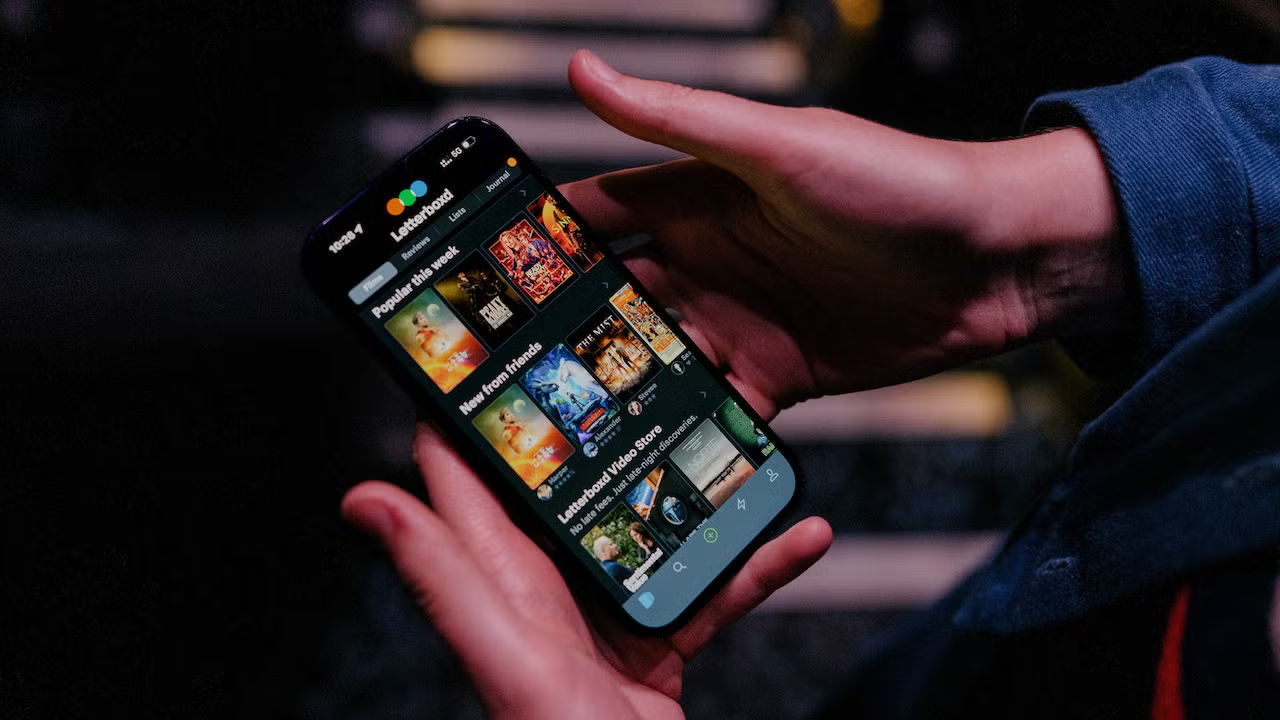
The list of potential suitors for Letterboxd continues to grow with another media player expressing interest in the social media platform for cinephiles, which could fetch more than $300 million.
Gigi Pritzker, billionaire philanthropist and CEO of independent production company Madison Wells, is part of an investor consortium that has expressed interest in acquiring Letterboxd, according to an individual familiar with the matter. But the New York Times is seen as a favorite given its ability to be a neutral custodian, another person familiar with the sales process said.
Letterboxd isn’t a household name unless you’re a film buff. The platform that lets you log, rate and review movies you’ve seen may fly under the radar for most people. But over the last few years, it has become a reliable haven for film fans to share their love of (and argue over) cinema and discover their next watch. The app is elegant, unique and, above all, cool — traits that have allowed it to build a base of fervently loyal users.
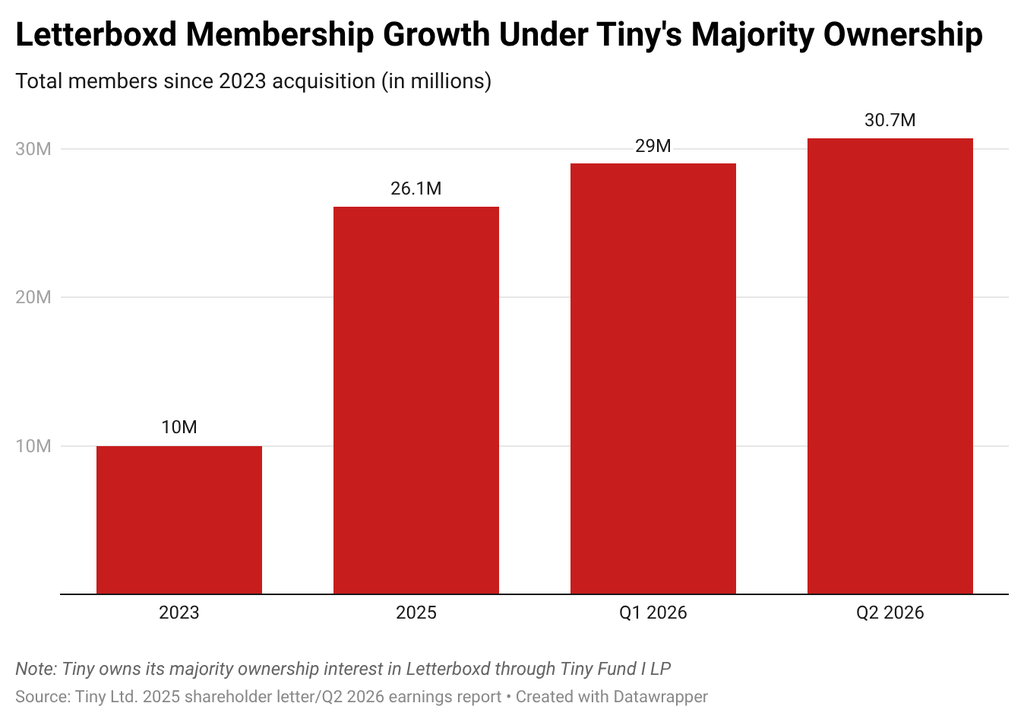
As of the end of the second quarter, Letterboxd surpassed 30.7 million members, an increase of 43% year-over-year and up 185% since being acquired by the Canadian holding company Tiny. That number, TheWrap has learned, is now closer to 35 million. Any deal for Letterboxd is expected to value the platform at over $300 million, roughly 20 times its projected earnings before interest, taxes, depreciation and amortization, or Ebitda of roughly $15 million for this year. Letterboxd’s Ebitda is projected to increase to over $20 million in 2027.
It’s that growth and a user base of informed film fans that makes Letterboxd such a hot acquisition target. Studios are keen to at least kick the tires on the company because so much of the critical discourse around films happens there. Owning that discourse, as well as the user data that members — many of whom are in that coveted Gen Z demographic — submit about their movie preferences, would be invaluable.
It’s unclear when a deal could close, but an individual familiar with the situation noted that things are further along now than they were during initial reports in April and when Letterboxd was simply taking initial interest meetings with parties like Sony and Netflix back in July. Since then, the New York Times and A24 have also expressed interest.
Representatives for Letterboxd declined to comment. Katie Hill, the New York Times’ global head of communications and external affairs, told TheWrap it “regularly reviews potential investments,” but declined to comment on “speculation about potential acquisitions or divestitures.”
Pritzker, Letterboxd’s majority owner Tiny and LionTree, the investment bank running the sales process, did not immediately return TheWrap’s request for comment.

In 2001, Gigi Pritzker formed the independent production and finance company Odd Lot Entertainment. The company would later be merged into Madison Wells in 2015.
Over the course of her career, Pritzker has focused on developing, producing and funding film, television and theater projects from underrepresented voices, particularly women as well as established and up-and-coming storytellers looking to push boundaries. Her notable producing credits include films like “Rabbit Hole,” “Drive” and “Hell or High Water” and TV series such as “The Dragon Prince” and “Genius.”
Letterboxd makes a good fit for Pritzker’s ethos, with the platform often helping elevate the same voices and projects she’s spent her career funding. For as much as Letterboxd users log and litigate the year’s biggest blockbusters, the site’s most popular participants often spread the word and praise underseen and undercelebrated indie productions. It’s a cinematic equalizer, one that platforms quality more than box office earnings.
As surprise word-of-mouth hits like “Obsession” have shown, being able to harness buzz and the discourse around films and filmmakers is extremely powerful.
But alikely contender to walk away with Letterboxd is one that didn’t appear in the initial round of candidates: the New York Times. But it’s seen as a compatible buyer since it doesn’t have a stake in the films discussed on the platform. Over the last several years, the Times has invested in different outlets and platforms to get its subscribers to spend more time on its site, whether it’s games like Wordle or podcast creator Serial Productions. In 2022, it acquired sports news site The Athletic for $550 million.
In addition to Pritzker and the New York Times, LionTree and Tiny have gauged interest from A24, Sony and Netflix. Other potential suitors that have reportedly been floated include Paramount, RedBird Capital Partners, TPG, Reddit Co-Founder Alexis Ohanian and Versant.
According to an individual familiar with the situation, Letterboxd’s owners have been open to meeting with studios, but a deal would likely include conversations aimed at keeping the service’s mission intact.
TheWrap previously confirmed that The Ankler was approached by Tiny about acquiring Letterboxd last year, but the two sides ultimately couldn’t agree on deal terms. In July, an insider said that communications between the two companies remain open as they’ve partnered on sales, a series of events and newsletters, but that the Janice Min-led media company was not actively looking to acquire Letterboxd.
A public benefit corporation called Intrinsic Entertainment Collaborative also officially launched its Letterboxd4All campaign on Monday. As TheWrap previously reported, its long-shot bid is focused on keeping Letterboxd independent from studio influence and maintaining the platform as a “point of discoverability” to help indie filmmakers own their own audience.
The group of indie film advocates has built a coalition of unnamed investors capable of writing seven- and eight-figure checks. Its campaign also allows the public to participate as equity investors through a platform called WeFunder, which requires a minimum $100 investment, or through donations of any amount via its GoFundMe or a fiscal sponsor. As of the time of publication, The GoFundMe has raised $38,705 from 20 donations.

The social media service, which launched in 2011, has had a meteoric rise over the years, with celebrities now eagerly awaiting to share their “Letterboxd 4” (or their four favorite films, featured on users’ Letterboxd profiles) on red carpets. Back in 2024, the platform boasted 16 million users, a number that has roughly doubled in the two years since.
“It’s just undeniable that Letterboxd has become the leading platform in film discourse — involving those even well beyond traditional cinephiles and attracting a significant portion of the ‘casual’ moviegoing audience as well,” Zoë Rose Bryant, a prolific Letterboxd user, told TheWrap in July.
Letterboxd has survived a changing of hands before. In 2023, Tiny purchased a majority stake of 60% in a deal valued at $50–$60 million. Meanwhile, the remainder is owned by Letterboxd’s co-founders Matthew Buchanan and Karl von Randow. Tiny began shopping its stake in Letterboxd in 2025, though the sales process did not publicly surface until April.
Owning that discourse and user data could be invaluable to any major studio as they build and promote their own film slates each year. However, the prospect of a studio owning Letterboxd has sparked fears that the platform will be unable to remain neutral about which films ultimately get promoted on the service and that any negative opinions around a corporate owner’s films could be censored.
Which is likely why there’s such a diverse collection of companies weighing an offer.
Sharon Waxman contributed reporting to this story.

>
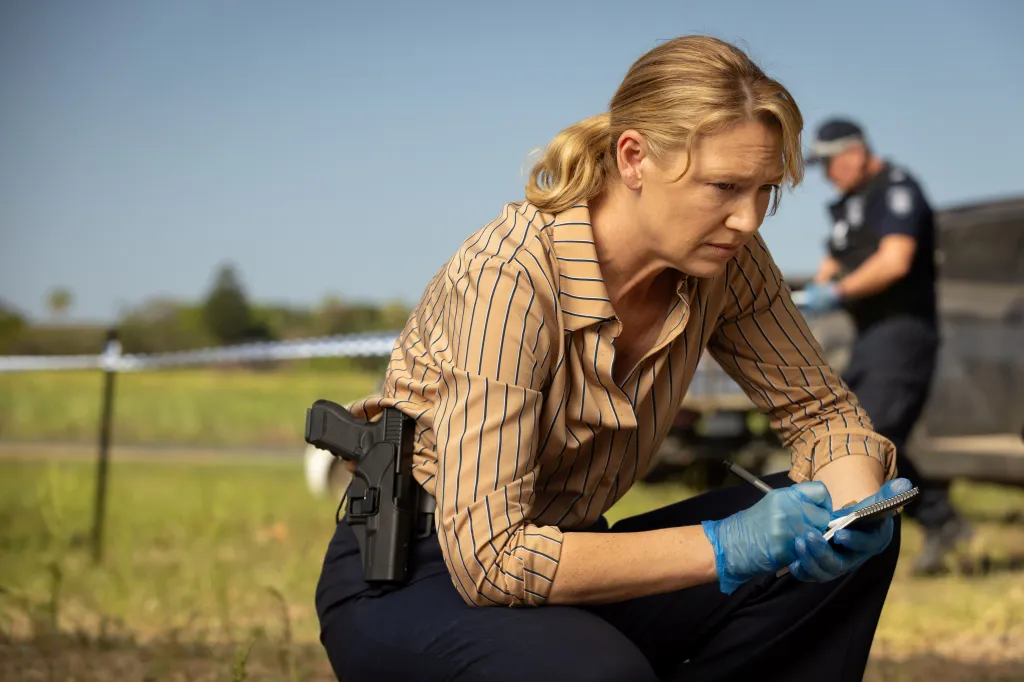
EXCLUSIVE: Apple TV is heading Down Under for a bit of tropic noir.
Hot off the launch of its first Australian original, the streamer has acquired hit Aussie series Dustfall starring The Last of Us’ Anna Torv for its next big international acquisition.
Described as a “propulsive, atmospheric tropic noir,” Soapbox Pictures and Moonriver’s Dustfall follows seasoned detective, Antigone “Tig” Pollard (Torv), whose deep sense of justice is challenged by a world where victims are doubted, predators hide in plain sight, and the legal system too often falls short. Tig is called in to investigate a harrowing sexual assault case, which spirals darker after a key suspect turns up dead.
Torv leads the cast of the Dianne Taylor-penned series alongside the likes of Juliet Stevenson, Peter Fenton and Bert LaBonté.
Apple has taken worldwide rights to the show bar Australia, where it airs on the ABC and will launch in three days’ time. The streamer will have to wait a while to get Dustfall in the UK and Germany, where it will soon launch on the BBC and ZDF, becoming available on those netwoks for a year. Federation Studios is the seller.
Dustfall will sit alongside Last Seen, Apple’s first Australian original, which stars Colin From Accounts’ Patrick Brammall as an emergency dispatcher looking for his daughter. The deal represents Apple’s latest dip into the well of international acquisitions, with the streamer appearing keener nowadays to populate its service with more than just originals. Earlier this year, we revealed Apple had bought Small Prophets, the hit British series from Mackenzie Crook about an eccentric man who creates homunculi to try and find the woman who disappeared from his life.
Dustfall is based on award-winning novel The Unbelieved by Vikki Petraitis. It is directed by Emma Freeman (The Newsreader) and adapted for TV by BAFTA-nominee Taylor, Stuart Page, Belinda Chayko and Beatrix Christian. The series is exec produced by Freeman, Xavier Marchand (A Gentleman in Moscow) and Daisy Gilbert (Nautilus) for Moonriver, Deb Balderstone (Ticket to Paradise) for Soapbox Pictures and Torv, as well as Brett Sleigh and Rachel Okine, for ABC.
>


Search For Canadian TV Actor Stewart McLean Now Homicide Investigation


These ’90s fashion trends are making a comeback in 2017
According to Dior Couture, this taboo fashion accessory is back
Model Jocelyn Chew’s Instagram is the best vacation you’ve ever had
Emily Ratajkowski channels back-to-school style
9 Celebrities who have spoken out about being photoshopped


Rurouni Kenshin: Hokkaido Arc Manga Takes 1-Issue Break – News


HIDIVE to Stream English Dubs for The World Is Dancing, The Forsaken Saintess and Her Foodie Roadtrip in Another World, The Dangers in My Heart: The Movie Anime – News