Japan’s anime industry may be booming, but the money is not reaching everyone equally. According to Tokyo International Film Festival animation advisor Fujitsu Ryota, a growing pay divide now runs between studios willing to put their own capital on the line and those that are not.
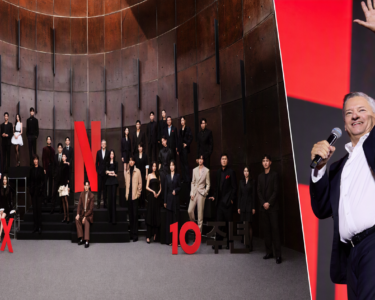
Tokyo International Film Festival (Credits: Variety)
Anime Pay Divide: Risk-Taking Studios vs the Rest
Speaking to Variety, Fujitsu said the industry as a whole is in better shape than before, yet gaps in pay and working conditions are opening up along a clear fault line: whether a studio invests its own money in a project or simply works for hire. Given the high level of creativity shown by animation professionals, he said, their compensation is still not where it should be.
The warning lands in an industry that has never been bigger. Japan’s animation business generated almost 4 trillion yen, around $25.6 billion, in 2024, making it one of the largest in the world. Yet that headline growth has not translated into secure pay for many of the artists doing the actual drawing, in-betweening, and finishing work.
Anime Industry Pay Problems Go Beyond One Festival
Fujitsu’s comments echo wider findings about conditions in the sector. A Japan Fair Trade Commission survey of the anime and film industries found problems with low compensation, delayed or reduced payments, and contract terms set unilaterally by clients, with subcontractors and freelancers in the weakest positions. In that survey, more than half of animators said they were not satisfied with their current pay, with many saying it had not kept up with rising living costs.
As programming advisor for the Tokyo festival’s Animation section, Fujitsu has also been pushing Japanese audiences to look beyond domestic hits, curating international works and Annecy standouts for this year’s lineup. His broader point is the same in both roles: anime’s creative health depends on the people making it being paid fairly, and studios that take real creative and financial risks are the ones setting the standard others should follow.
Source: Variety — read the full story there.