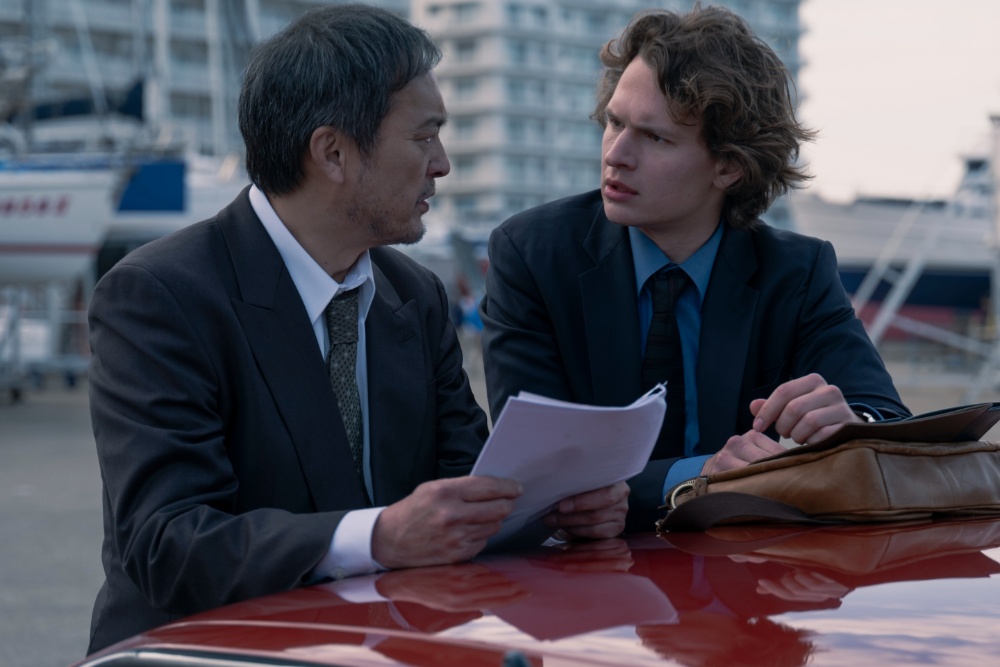
Tokyo Vice producer Alex Boden and Netflix production policy director Deb Richards have urged changes to Japan’s production incentive, arguing that certainty matters as much as the size of the cashback on offer.
Tokyo Vice (Credits: Variety)
The pair made the case at the Motion Picture Association’s annual seminar at the Tokyo International Film Festival, as Japan’s government prepares a new body to bring its scattered content-industry support under one roof.
Tokyo Vice Japan production incentive IP360 reform
Boden, the London-based producer who spent almost two years in Japan making two seasons of HBO Max’s Tokyo Vice, traced the scheme’s history from a 2020 research programme, which Tokyo Vice supported, through the 2023 J-LOD incentive to today’s IP360, which offers 50% against Japanese spend.
That history matters, he argued, because Tokyo Vice helped prove that large-scale international production could work in Japan. The show’s long shoot gave local crews experience, tested locations and showed that complex productions could be completed in Tokyo.
The message from the seminar was clear: producers can plan around a smaller incentive if they know exactly what they will get and when. What hurts planning is uncertainty, shifting rules and support spread across different bodies.
Why a unified content body matters
Japan’s planned unified body is intended to fix that fragmentation. By bringing content-industry support together, the government hopes to make it easier for international productions to understand the system, apply for support and shoot in Japan with confidence.
For Netflix and other global streamers, that clarity is crucial. International productions bring jobs, training and spending, but they are planned years in advance and compete with incentive schemes in many other countries.
Japan has already seen the benefit of welcoming such productions. Tokyo Vice filmed two seasons in the country, and its success helped pave the way for later international shoots in Tokyo.
The seminar’s call, in short, was not for Japan to simply pay more. It was for a system that is stable, predictable and easy to navigate, so that producers can commit to Japan knowing the support they are promised will actually arrive.
Also Read: Tougen Anki: Nikko Kegon Falls Arc English Dub Arrives on Crunchyroll With First 2 Episodes
Source: Variety — read the full story there.