Linux Mint was my daily driver for years — stable, friendly, and refreshingly free of drama. But the longer I used it, the more its cautious pace felt like a ceiling. That’s the case How-To Geek contributor Arol Wright makes: Fedora Workstation is what finally convinced him to leave Linux Mint behind.
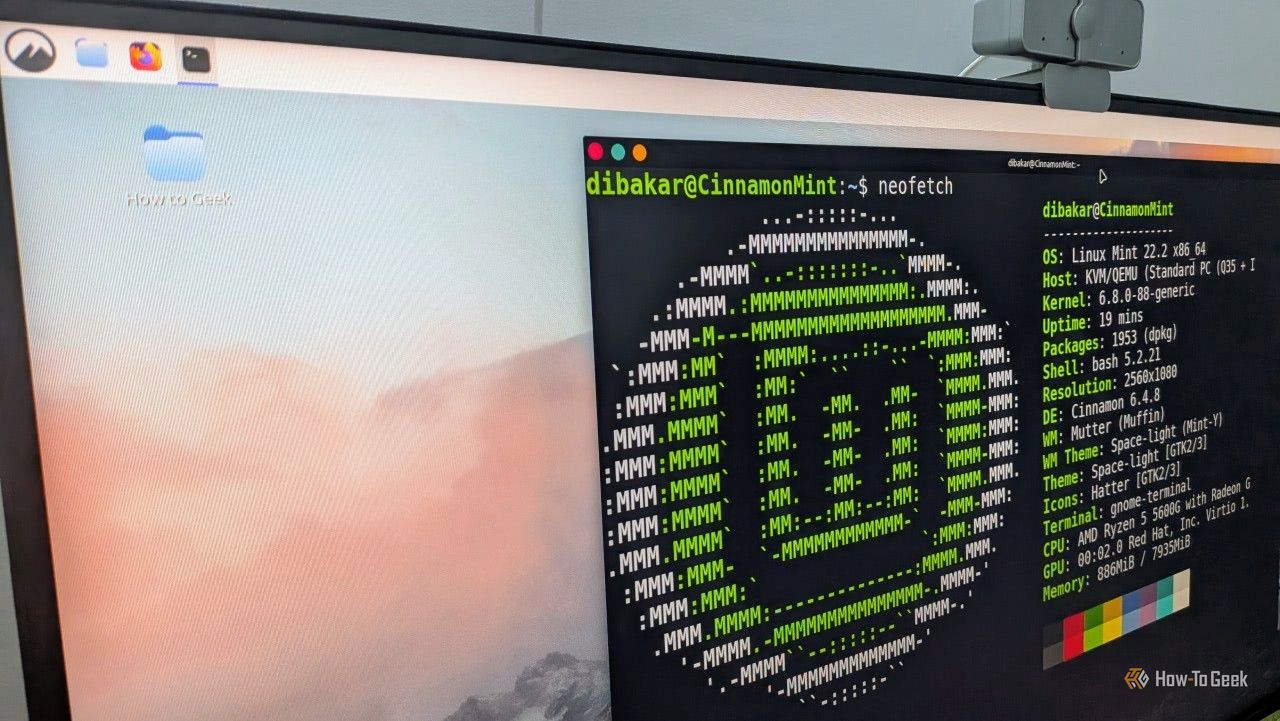
A customized Linux Mint desktop (Credits: How-To Geek)
Why Linux Mint earns its reputation — and why it wasn’t enough
Mint’s strengths are real. It takes Ubuntu’s long-term support base, strips out the decisions many desktop users dislike, and wraps everything in Cinnamon, a desktop that behaves the way anyone coming from Windows expects — taskbar, start menu, system tray, nothing moving unless you move it.
The surrounding tools are equally thoughtful: Update Manager shows exactly what’s changing before anything installs, Driver Manager handles proprietary graphics drivers in a couple of clicks, and Timeshift gives you system snapshots you can roll back to when an update goes sideways. Mint also refused to follow Ubuntu into Snap packages, shipping Flatpak with Flathub instead.
Fedora Workstation: modern Linux without the chaos
The problem, Wright argues, is that stability built on an LTS base is stability built on older software. Linux Mint 22.3 “Zena” (released January 2026) still sits on Ubuntu 24.04 — almost two years old on arrival — and Linux Mint 23, built on Ubuntu 26.04, isn’t expected until December 2026. Cinnamon’s Wayland session, meanwhile, has spent several releases labeled experimental.
Fedora Workstation sits in a sweet spot most distros miss: new kernels, desktops and toolchains shipped quickly, but on a fixed schedule with real quality gates rather than rolling-release chaos. New versions land roughly every six months, each supported for about 13 months, so you can skip a release and upgrade once a year. Newer hardware, modern display features and software that assumes a recent stack made Mint harder to justify — and Fedora answered.
Also Read: 3 Dual-Booting Mistakes That Can Ruin Your Linux and Windows PC | These Linux Distros Claim to Be Open Source, But They’re Barely Even Close
Source: How-To Geek — read the full story there.