
Tech
Enjoy Hands-On Bitcoin Mining with This $50 Desktop Solo Miner

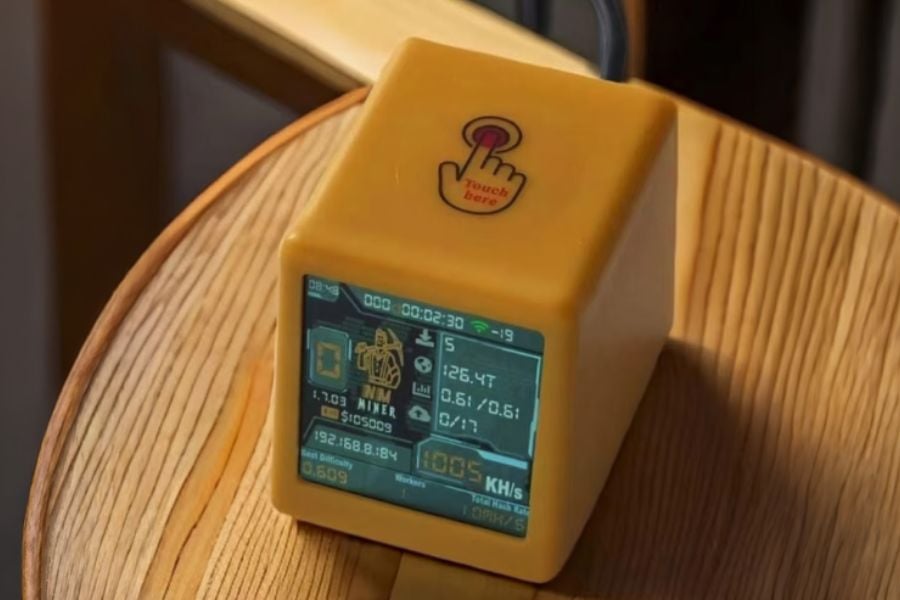
TL;DR: The BlockChance Bitcoin Ticket Super Miner brings real solo Bitcoin mining to your desktop with Wi-Fi connectivity, 1,060 KH/s of hashing power, and standalone operation for $49.99 (MSRP $99.99).
Bitcoin mining is often associated with large ASIC farms, high electricity costs, and specialized infrastructure. The BlockChance Bitcoin Ticket Super Miner takes a different approach by offering an affordable desktop device that demonstrates how real solo mining works without requiring industrial-scale hardware.
Bring real Bitcoin mining home with BlockChance
The unit delivers approximately 1,060 KH/s (1 MH/s) of hashing power using official NMMiner firmware. After connecting to Wi-Fi and entering a compatible Bitcoin wallet, it begins submitting legitimate solo mining hashes directly to the Bitcoin network. Unlike USB miners or software-based demonstrations, the device operates independently and requires no dedicated computer once configured.
Its compact design features a 1.54-inch display for monitoring hashrate, mining activity, and network status, while Bluetooth Low Energy simplifies setup. The miner is designed to run continuously using minimal power and produces little noise, making it practical for desks, home offices, and lab environments.
It’s important to understand the intended use case. At this hashrate, the probability of discovering a Bitcoin block is extremely low. Rather than functioning as a predictable source of mining income, the BlockChance Super Miner is better viewed as an educational device and a lottery-style participant in the Bitcoin network.
It provides a tangible way to observe mining operations and better understand proof-of-work without purchasing commercial mining equipment.
It’s a cost-effective way to move beyond reading about Bitcoin mining and interact directly with the technology.
Get the BlockChance Bitcoin Ticket Super Miner for just $49.99 (MSRP: $99.99).
StackSocial prices subject to change.
>
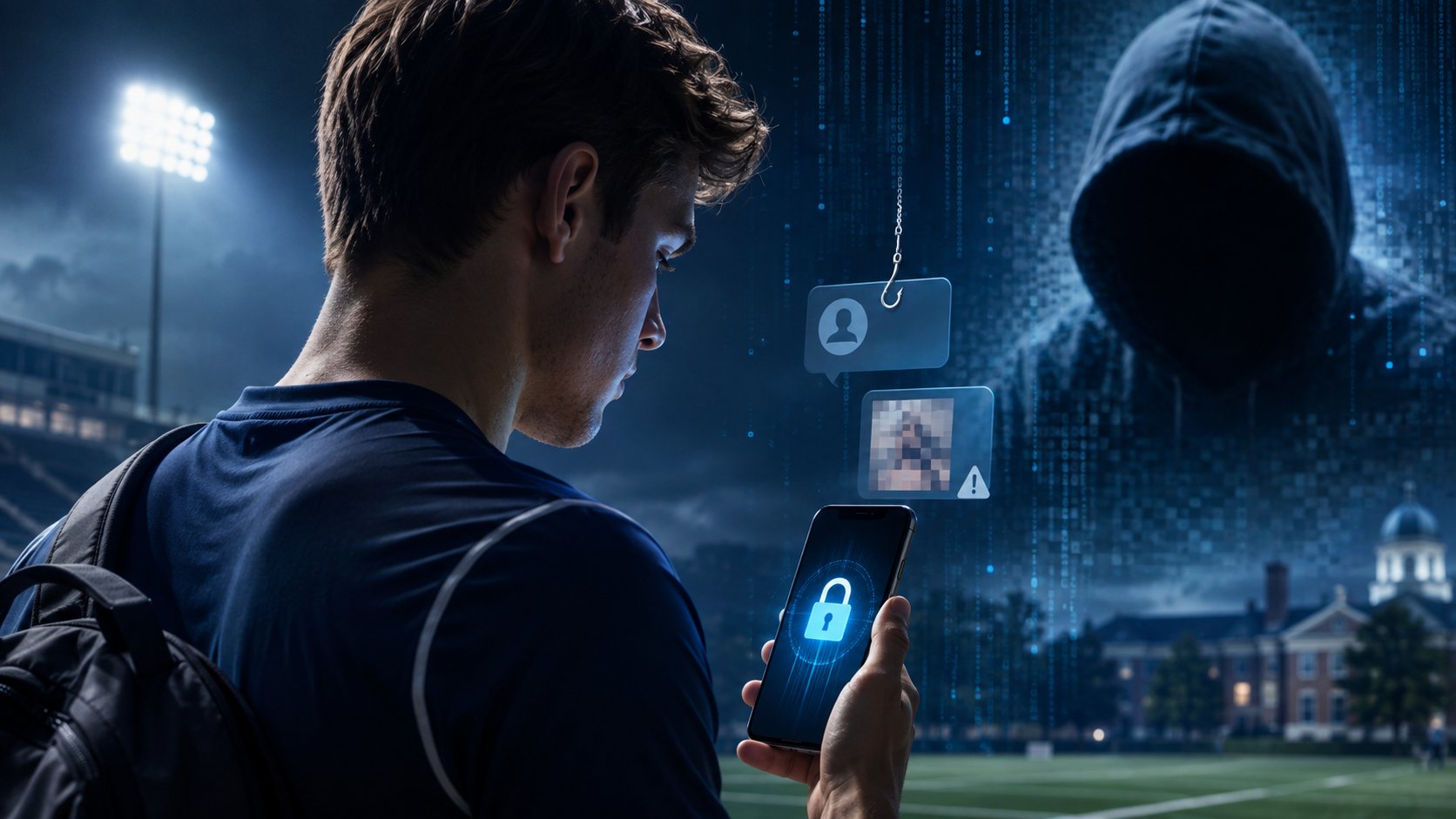
The FBI and NCAA are teaming up to combat cyber-enabled sexual exploitation targeting college athletes as criminals break into online accounts to steal private and intimate photos. Stolen images can be posted or sold online or used for sextortion, harassment, and stalking.
Athletes can be particularly attractive targets because large social-media followings and name, image, and likeness activity increase their public exposure and give criminals more leverage when threatening to release private material. The FBI and NCAA have not disclosed how many athletes have been victimized.
How attackers get into athletes’ accounts
Attackers are using phishing, password and PIN targeting, and fake social-media customer-service requests to gain access. One tactic involves impersonating a platform’s support team and creating urgency around a supposed password reset, a variation of phishing campaigns that impersonate trusted brands to steal credentials.
In March 2025, federal prosecutors indicted former University of Michigan football coach Matthew Weiss on computer-access and identity-theft charges. Prosecutors alleged that Weiss obtained data from athlete databases at more than 100 colleges and universities and used that information and internet research to access the social-media, email, or cloud-storage accounts of thousands of athletes, students, and alumni.
He allegedly downloaded private intimate photographs and videos from compromised accounts. The charges are allegations, and an indictment is not evidence of guilt.
Password reuse can also turn one exposed credential into access to multiple services, a common feature of credential-stuffing attacks involving reused passwords.
How athletes and campus teams can reduce the risk
CISA recommends strong, unique passwords, password managers, multifactor authentication, and heightened awareness of phishing attempts. MFA adds another authentication requirement even when a password has been compromised, while phishing-resistant methods provide stronger protection against attackers trying to capture login credentials.
Athletes should treat unsolicited account-recovery messages with suspicion, verify support requests through a platform’s official app or website, and avoid sharing passwords, PINs, or authentication codes with anyone who contacts them unexpectedly. If an account is compromised, users should change their credentials, review active sessions and recovery settings, and begin the platform’s official account-recovery process.
The FBI advises victims of sextortion or suspicious online approaches to preserve relevant messages, block and report perpetrators, and seek help rather than complying with threats. The bureau also warns that people online may not be who they claim to be and that compromised social-media accounts can be used to impersonate others.
Athletics departments and campus IT teams can incorporate those tactics into security training, particularly for athletes managing high-profile social accounts or NIL activity. A compromised personal account can expose private information while giving an attacker a trusted identity from which to target teammates, staff, or followers.
Victims can report suspected cybercrime or sextortion to the FBI and should preserve evidence before deleting messages or compromised content.
Also read: Our Windows 11 security cheat sheet covers passkeys, BitLocker, Microsoft Defender, and other built-in protections.
>
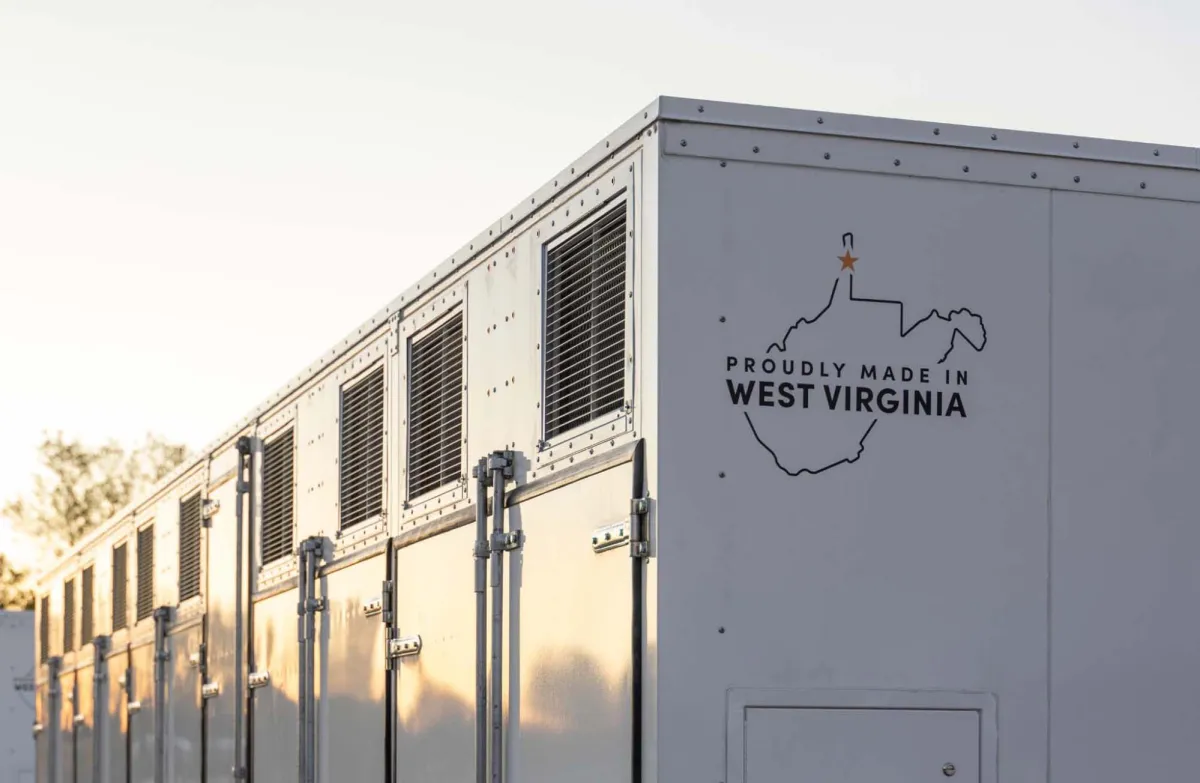
Battery startup Form Energy said on Wednesday that it has raised $750 million to expand its manufacturing capacity in West Virginia, the latest sign that the AI data center building boom is fueling investment in energy storage.
The U.S. installed 9.7 gigawatt-hours of energy storage in the first three months of this year, up 32% from 2025. Most of those batteries can discharge for a few hours at most, but Form Energy’s iron-air batteries can deliver power for up to 100 hours. Long-duration energy storage is particularly desirable because it can help bridge the power supply gap in renewable power generation, which is expected to account for more than 90% of new generating capacity in the U.S. this year.
Form’s unique battery chemistry helps it store massive amounts of electricity for less by relying on iron instead of pricier minerals like lithium, cobalt, and nickel. Inside a Form battery, iron is oxidized and reduced as it is discharged and charged — that is, the battery turns iron into rust when it discharges and reverses the process when it charges, turning rust back into iron.
The approach has helped Form land some big customers. Google is building a new data center in Minnesota that will be partially powered by a massive, 30-gigawatt-hour Form battery that cost the tech company about $1 billion. Crusoe said in March that it would buy 12 gigawatt-hours of batteries from Form. Utility Xcel Energy is also a customer, as is FuturEnergy Ireland.
Some 80% of Form’s materials come from the U.S., while the balance comes from Europe and Asia — notably not China. Chinese companies dominate both the battery supply chain and battery manufacturing, and both the Biden and Trump administrations have sought to decrease U.S. reliance on China for batteries.
The company’s domestic-focused supply chain has helped it land big new customers as U.S. electricity demand rises for the first time in decades. Data centers are largely responsible for the uptick; they are expected to quadruple their electricity use in the U.S. by 2035, consuming about 20% of all electricity generated in the country.
The startup currently has a backlog of commercial projects worth about 80 gigawatt-hours of energy storage, the Wall Street Journal reported, up fourfold from earlier this year.
The Series G round was led by T. Rowe Price with participation from Sequoia Capital, Janus Henderson, Franklin Templeton, PEAK6 Investments, Prelude Ventures, Engine Ventures, TPG Rise Climate, Capricorn’s Technology Impact Funds, Breakthrough Energy Ventures, Dustin Moskovitz and Cari Tuna, Gigascale Capital, Coatue, Energy Impact Partners, NGP, GE Vernova, Blindspot Ventures, and M&G Catalyst Fund.
When you purchase through links in our articles, we may earn a small commission. This doesn’t affect our editorial independence.
>
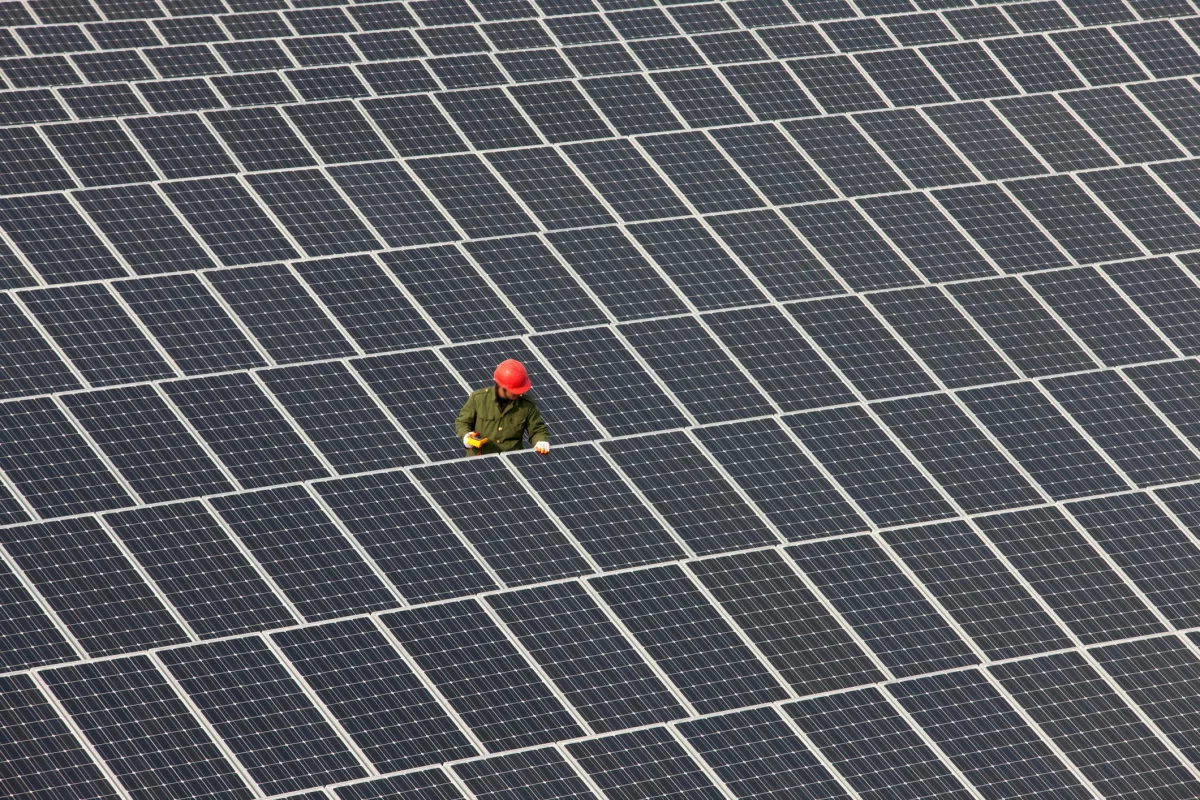
Tesla intends to build a massive solar panel factory 45 minutes southwest of Houston, according to documents filed with the state of Texas.
The new factory, called Project Crystal Sun, could cost as much as $10.1 billion. Tesla has applied for tax incentives to partially offset the cost, saying that it is exploring other sites “across multiple U.S. states.” The factory would create about 9,700 full-time jobs, Tesla said.
Without incentives, Tesla’s accountants estimated that the property tax liability for the project would be about $1.1 billion over 37 years.
The project aims to break ground this year and be completed by 2028, and Tesla said the first solar panels would roll off the line in 2029. The company hasn’t indicated whether the panels would be destined for terrestrial installations or satellites. However, Tesla CEO Elon Musk, who also runs SpaceX, is famously bullish on orbital data centers.
In the filings, Tesla did not publicly disclose the factory’s annual output, though it has said that it plans to build 100 gigawatts worth of manufacturing capacity in the U.S. by 2028.
>

FBI, NCAA Warn Hackers Are Targeting College Athletes’ Private Photos

Netflix’s Charlie vs the Chocolate Factory Gets Theatrical Release

‘Scary Teacher’ Game Gets Movie Adaptation With Hollywood Studio Vet
-

 movies3 months ago
Search For Canadian TV Actor Stewart McLean Now Homicide Investigation
-

 Fashion9 years ago
These ’90s fashion trends are making a comeback in 2017
-
Fashion9 years ago
According to Dior Couture, this taboo fashion accessory is back
-
Fashion9 years ago
Model Jocelyn Chew’s Instagram is the best vacation you’ve ever had
-
Fashion9 years ago
Your comprehensive guide to this fall’s biggest trends
-
Fashion9 years ago
9 Celebrities who have spoken out about being photoshopped
-
Fashion9 years ago
Emily Ratajkowski channels back-to-school style
-
Fashion9 years ago
A photo diary of the nightlife scene from LA To Ibiza