
Widow’s Bay town exterior
Apple TV


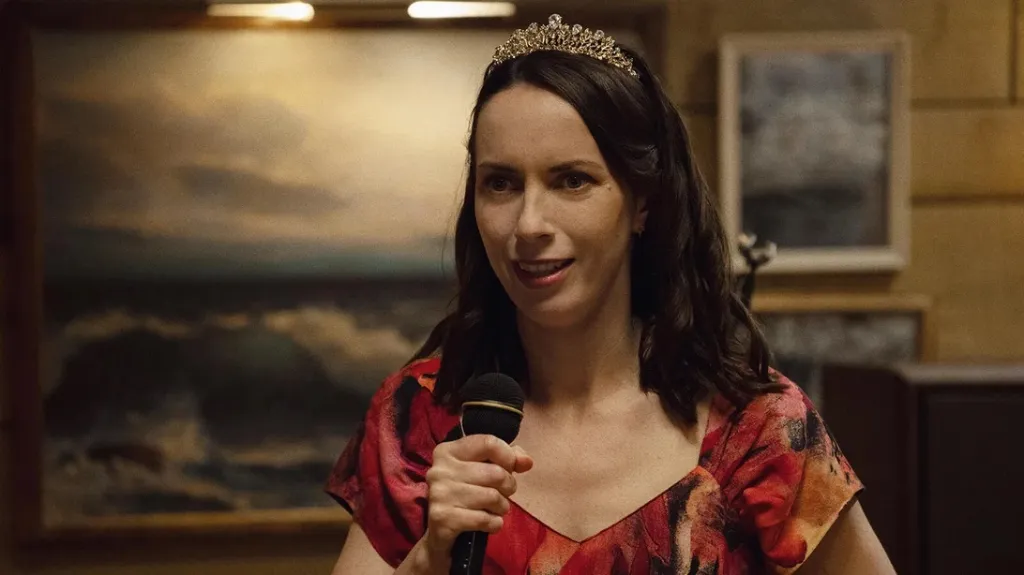
On Widow’s Bay, a show currently decorated with 19 Emmy nominations, the line between cozy New England charm and creeping dread is often found in the details.
Set against the remote, insular world of its titular island, production designer Steve Arnold and set decorator Jennifer Engel created a lived-in, slightly stuck in time and, when necessary, deeply unsettling environment. Arnold and Engel had to build a visual language that could accommodate the series’ peculiar blend of horror and comedy without tipping too far in either direction. That meant creating spaces that could feel warm and inviting one moment and ominous the next, from the inn’s welcoming parlor infused with haunted crawl spaces to the nautically-themed The Salty Whale restaurant and the period-accurate environments of the colonial-era town in Episode 6’s “Our History”.
Below, Arnold and Engel reveal the fun, creative challenges of filming on location in Massachusetts, hidden details and collaborating with creator-showrunner Katie Dippold and director/EP Hiro Murai to establish the show’s distinctive visual language.
Widow’s Bay town exterior
Apple TV
DEADLINE: You shot in Massachusetts to really capture the vibe of the island. What were some creative challenges that this introduced or satisfied?
STEVE ARNOLD: Both Jennifer and I had used the studios in Devens, which are proper studios. There are four stages and all of that. The producers may have thought, “We’ll find a whole bunch of locations that are going to work perfectly,” and that usually doesn’t work out the way they hope [laughs]. Trying to do something that looks like it’s on a remote island when you’re on the mainland is always a bit tricky. So we ended up building a lot more interior sets than we thought we were going to. And because we were shooting on stages but also had to be near the water for the swimming, the ferry boat, and a few other things, that meant driving a long way to get to the coast, and that eats up a lot of production time. So that was minimized as much as possible.
We did have some locations for the little town places that were nearby where the stages were, like the shot of the Driftwood Diner interior and the exterior of the church was an existing church. The interior of the Historical Society was in the small town of Shirley, which was farther away.
We were extremely lucky to find the exterior of Richard Warren’s house. That house exists, and it is proper from the period, 1600-something, and hadn’t been changed or messed with very much. People actually live in that house.
Steve Arnold, production designer.
DEADLINE: I want to talk to you both about three episodes specifically. First, Episode 2, “Lodging”. The inn feels charming and a little ominous. What were some visual rules you established to create that balance between comfy and spooky?
ARNOLD: We had trouble finding a proper exterior. So, we built the captain suite, the corridor and hallway, which was pretty straightforward. We had some elements that Jennifer had to come up with, like a working TV that was from the ’70s or ’80s or whatever, and that’s always a tricky situation. But Katie [Dippold] was very specific about a lot of things – for example – the fact that there were paintings on the wall that told part of the story. We had to go around quite a bit to get the right tone and feel.
I wanted the parlor area, where they play the games, to be slightly warmer and a little more inviting, so they’re spending a little more time there. But those rooms, the captain suite corridor and everything leading to that, are a little bit on the cooler side. And then, of course, we did the basement of the inn and the crawl space, which had to be pretty creepy and pretty scary. We ended up building all of that. The crawl space had to do certain things, and the actor had to move in a certain way, so it was engineered pretty carefully. It was built in forced perspective, so it seemed bigger than it was.
But I’m glad that we did get to see the games pretty clearly because she was specific about those games. It was a very fun element that harkens back to a time when people would pass the time doing things other than looking at their phone.
DEADLINE: What were some props or set dressing that were designed to hint at the town’s mythology before viewers understood their significance?
JENNIFER ENGEL: I think we were trying very carefully not to be the source of ominousness or the source of comedy. We were really trying to be the quiet infrastructure for the actors and the script to really shine. There were definitely pieces of furniture that we introduced that later on had to serve a very specific function. But for the most part, we kept things quiet, avoided distractions, and did not give anything away.
The Breakwater Inn’s parlor room
Apple TV
DEADLINE: Right. I’m sure trying to walk that tightrope of horror-comedy couldn’t be too outlandish because it might make the show a little too cartoony or silly. Can you talk a bit more about the parameters or difficulty of that? You do have to play the straight man while all of this stuff is happening, don’t you?
ENGEL: Exactly. There was also this nebulous, ill-defined sense of time because we were trying to show how this place is very remote and it’s not up-to-date. They don’t have great Wi-Fi; all their technology is “primitive”, like tube TVs and dial phones on the wall and clunky desktop computers. We were trying to tell the story that these New England thrifty people try to preserve and keep stuff going as long as they can because of their thrifty New England styling and the incredible inconvenience of the distance and remoteness of this island, and tried to tell that part of the story without being too, like you said, the straight man in the joke.
People really loved the key fobs at the inn; those were prized. And the stick figure sculptures at Patricia’s party. Those were amazing.
Jennifer Engel, set decorator.
DEADLINE: Now, over to Episode 4’s “Beach Reads”, which starts relatively fine and then becomes a descent into madness. Where was the ocean part of it filmed?
ARNOLD: We shot part of it in Rockport in Bearskin Neck. It’s a little area where we first see Patricia’s (Kate O’Flynn) bookmobile and the book is introduced and all of that. We ended up trying to do the ocean thing at night, which is a really tricky situation. The fire was a combination of a lighting effect that we did at the location, and then we did filming of the actual fire in the parking lot. And the post-production people married that together to make it seem realistic.
And then, of course, props had gotten very involved in the book when it morphs into this horrific, scary book. A lot of effort went into researching different mystical, strange calligraphy and all kinds of diagram stuff that are in that.
DEADLINE: How fun was it to add the little flourishes? Was there anything that wasn’t in this restaurant before that you guys threw in specifically for this episode that didn’t exist before or after in the restaurant?
ARNOLD: A buffet table, some flowers… There were a couple of things that were specified. We needed this mirror against the wall so we could actually see these [character] reaction shots. And there’s also in the kitchen area, where a towel dispenser or something has a reflective surface on it so that Patricia can see, when she turns, that she’s got this horrific headdress on her head. The director [Sam Donovan] specifically said to do something for that in the kitchen. So, we tried to make something that seemed like it should be there because the printing on it says, “Wash Your Hands” or “Smile As If Your Tips Depended On It.”
We did go through several different versions of something shiny that she could see a reflection of herself in in the kitchen that would always be there, but solely be used for just this moment. And specifically, I had put that window in the back for the smoking scene where Rosemary [Dale Dickey] is smoking, and you can get the sense that there’s a window that looks out to where the beach would be and all of that. That was all done on a stage.
Kate O’Flynn as Patricia on Widow’s Bay
Apple TV
DEADLINE: I was obsessed with the sixth episode, “Our History”. It takes us back to the colonial era, and we get to see the origins of the island. Massachusetts is chock-full of history from that time, I’m sure. How did you go about picking the right set for this?
ARNOLD: We were extremely lucky to find the exterior of Richard Warren (Hamish Linklater)’s house. That house exists, and it is proper from the period, 1600-something, and hadn’t been changed or messed with very much. People actually live in that house.
DEADLINE: Oh, wow.
ARNOLD: So when we found the inside, we did take a lot of notes from it because it has not been changed much since it was built. We took a lot of notes on the way the fireplaces were built, the way the walls were done, the way the floors and the ceilings and all that was right there in front of us.
So we didn’t have to go through the libraries or things like that to find actual examples of what the door hardware looked like and what the fireplace accouterments were or the potholders and the pots and pans and everything that they used to cook with. We had a good historical reference right there.
ENGEL: And Massachusetts is rich with places and items from that period specifically. So, there was a lot available for us to do research and look into. A lot of it has been saved and cherished and not knocked down for the latest new whatever is in vogue now. It’s been kept very, very historically accurate. So, very helpful.
Betty Gilpin and Hamish Linklater in Widow’s Bay
Apple TV
DEADLINE: Yeah, I always think about my trip to England, and I went to the Tower of London and noted that there was a Starbucks within like a 5-minute walking distance. That shouldn’t be.
ENGEL: It’s so disorienting [laughs].
ARNOLD: Well, we did end up having to build the town. We built the dock where the family in that episode escaped in the rowboat. We had to build the graveyard and all that, the top of the well, the tunnels and passages under the well she climbs the ladder to get out of. All that we built at the various spots where we found something that was right, and then we just augmented it.
DEADLINE: If someone was to pause any frame from any Widow’s Bay episode, what details would you hope they notice that might not register on a first viewing?
ARNOLD: When they’re playing the game, “Daddy’s Home”, in the inn, you’ll notice that the pieces that they move around the board are all things that are not nice. There’s a bat, there’s a belt, there’s a newspaper rolled up, and they’re things that when Daddy is mad, Daddy could slap you around with something. And that is a very subtle little thing that you might not notice, but if you look carefully, you’ll see them.
DEADLINE: That’s lowkey scary. Was there a prop on set that everyone on the crew became unexpectedly attached to?
ENGEL: People really loved the key fobs at the inn; those were prized. And the stick figure sculptures at Patricia’s party. Those were amazing.
DEADLINE: What was your favorite set design?
ARNOLD: I loved the way the town hall came out. We were able to find old glass that has the slight waveriness that old glass has. Little detailed stuff like that separates it from ordinary sets. The Salty Whale set came out very well too, and we based it on a place in Marblehead that I think Katie had been to. She really liked it. We never saw pictures of the place, but what we came up with, like Jennifer’s little sconces with the ship wheel and the shades of red on them… we also changed the lighting at the last minute because it just wasn’t working. I think it came out well for the feel that Katie was looking for.
ENGEL: I was really excited about Patricia’s house; Steve and the art directors presented me with the drawing for that set and I thought, “Wouldn’t it be fun if I got in your business?” [laughs]. We had some built-in bookshelves. Steve was very amenable. Thank you, Steve. And we got to have built-in bookshelves at Patricia’s in her living room, which I was really pleased with.
I thought it really warmed up that space and made it feel more real, or just helped with giving it a life texture. I loved how it worked out. And I really appreciate the trust that Steve gave me, and he lets me go crazy. I really appreciate the trust that Steve gives me to collaborate, and it makes my job so much more rewarding and fun that way.
>
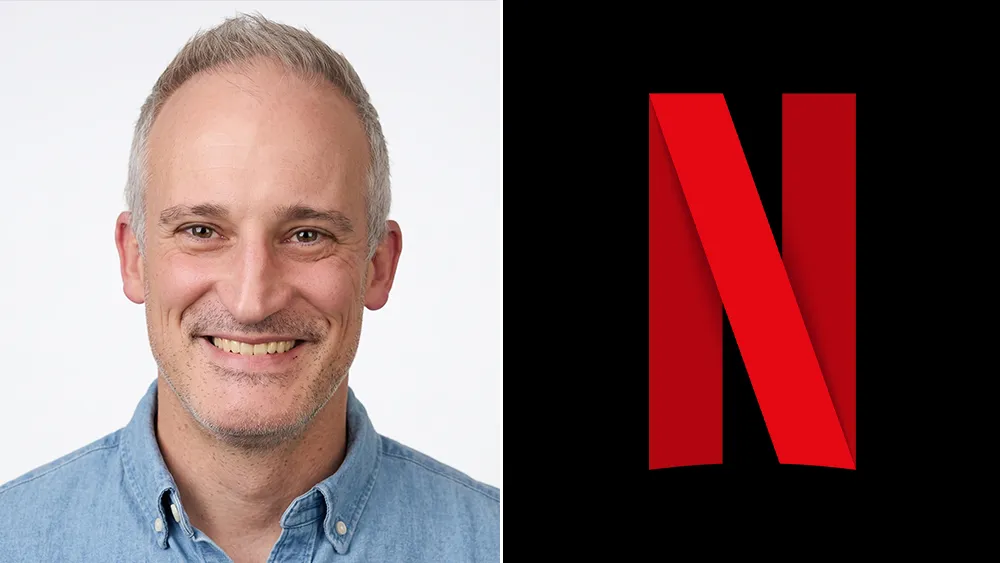
EXCLUSIVE: Sebastian Gibbs is joining Netflix as Director, Original Series. He will be covering IP and tentpole franchises, reporting to VP, Scripted Series Teddy Biaselli. His start date is Aug. 17.
Gibbs is moving to Netflix from Amazon MGM Studios where he was a Senior Television Development Executive for the past four years.
This is a rare second tour of duty at a streamer for an executive. Gibbs is returning to Netflix where he was Director, Original Series for two and a half years, overseeing original series across drama and 4-quadrant programming, before leaving for Amazon in July 2022.
The executive traffic between the two streamers has been largely in the opposite direction over the past year after Netflix’s Peter Friedlander became Head of Global TV for Amazon MGM Studios last September. He has recruited a few other Netflix alums for key posts since then.
Earlier in Gibbs’ 15-year career to date, he was VP, Television and then SVP, Current Programming for MRC and Director, Current Programming for CBS.
Series Gibbs has overseen development and/or current for across different jobs include Ozark, The Diplomat, The Outsider, The Great and Scarpetta.
>

EXCLUSIVE: Firebird and Kingsman: The Secret Service actor Tom Prior has signed with Independent Creative Management (ICM) in the UK.
Prior is best known for his lead role in romantic war feature Firebird about a forbidden love between a private and a fighter pilot in the Soviet Air Force during the Cold War. He was also a co-writer and co-producer on the pic, which debuted at the BFI Flare: London LGBTIQ+ Film Festival in 2021.
Other roles include playing Stephen Hawking’s son Robert in The Theory of Everything and a supporting role in Kingsman. He signs with Katerina Michael’s ICM following a break from the industry.
“Acting has been calling me back for some time, and it’s a real joy to be returning to the screen and doing what I love,” he told Deadline. “Katerina and the team at ICM feel like a fantastic synergy for my ambitions and creative goals. I’m excited to be working with a team that understands my vision and shares my enthusiasm for what lies ahead.”
“We are absolutely delighted to welcome Tom to ICM and look forward to supporting him as he takes the next exciting step in his career,” said Michael, founder and CEO of ICM.
“I’m extremely confident that Tom has a very promising future ahead of him. He has a fantastic presence, genuine talent and all the qualities needed to build a successful career.”
ICM, which is part of Independent Creative Group, reps actors such as Elijah Alexander, who has been in all six seasons of The Chosen, along with others such as Shane Afolabi, Nathaniel Jacobs, Eshe Asante and Erol Ismail.
>
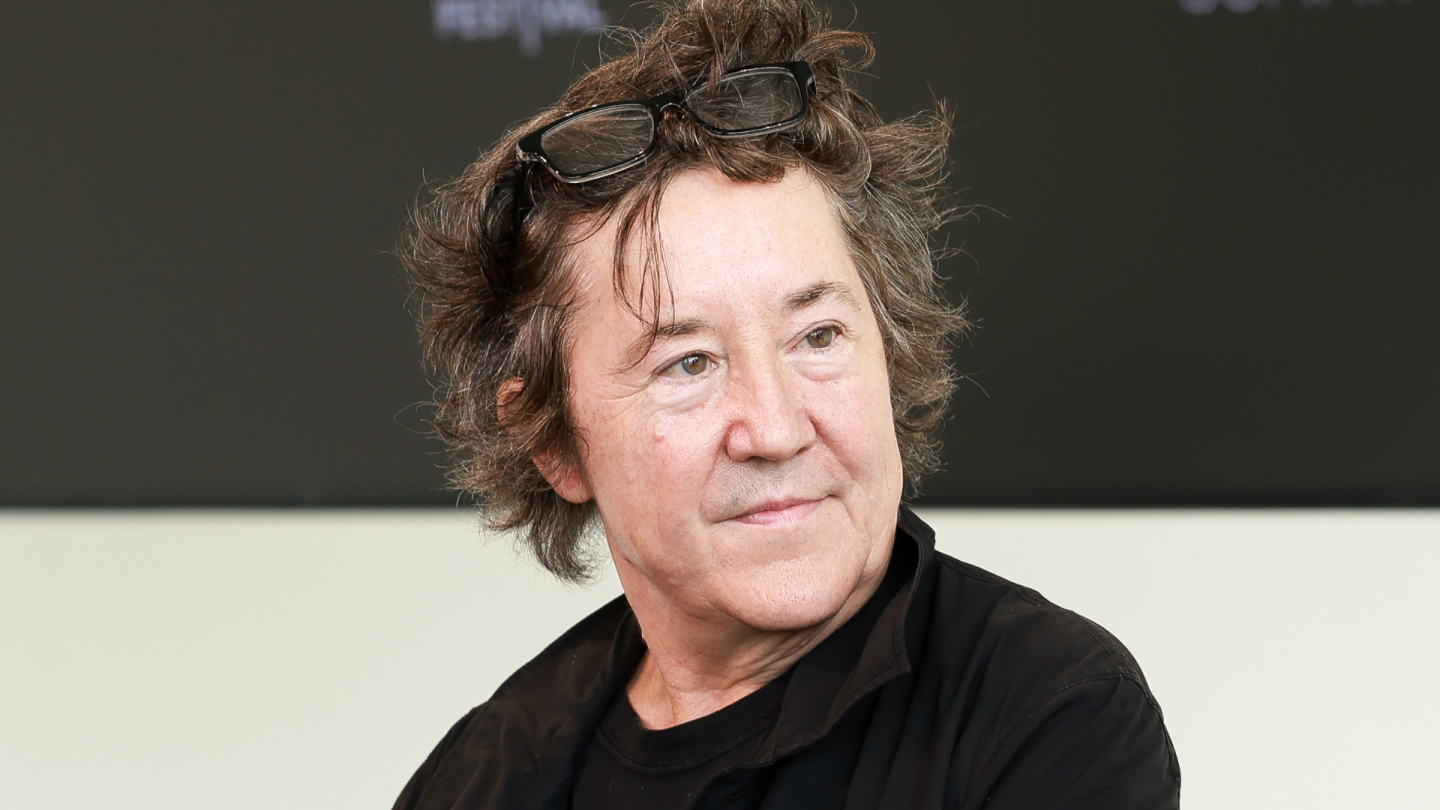
Christine Vachon, the prolific independent producer whose Killer Films has backed Happiness, Boys Don’t Cry, Carol and more recently Past Lives, May December and Materialists, said at the Edinburgh Film Festival on Friday that Pedro Pascal is “a revelation” in Todd Haynes’ re-worked gay romance movie.
De Noche, currently in post-production with no release date announced yet, was set to star Joaquin Phoenix before he abruptly pulled out before the shoot began. Vachon previously called the situation “a tragedy” and explained in an industry talk at Edinburgh how she and her long-time collaborator Haynes managed to rebuild the project after Phoenix’s exit.
Host Wendy Mitchell joked: “I actually like [Pascal] better than Joaquin Phoenix anyway,” to which Vachon responded: “I kind of do too!” The tightly-packed crowd at Edinburgh’s Central Hall laughed with them.
Vachon continued: “It wasn’t an easy situation. And as I also stated, it was devastating that Todd didn’t get to make a movie again that year. If you take the […] glass half-full version, and ‘everything happens for a reason’ [perspective], maybe the reason was that this was a role that Pedro was born to play. He is certainly extraordinary in the film, and by the way, so is Danny [Ramirez]. I mean, both of them are a revelation.”
Getting a “do-over” allowed them to find a better shoot location, said Vachon, which showed her everything worked out for the best. Pascal was brought on board via her work with him on Celine Song’s Materialists. “People always say to me, ‘Is he as nice as he seems?’ […] He is. People are so invested. They love him.”
As a titan of independent film production, Vachon — in Edinburgh with her latest film Pretty Babies, directed by Tyler-Marie Evans, who spoke to THR in depth about winning over Vachon just this week — was also probed on the box office success of Obsession and Backrooms this year, two movies that have challenged the status quo in Hollywood. “I do,” she said when asked if she likes the energy coming out of YouTube. “But when we were making movies like Poison [and] Go Fish, we also identified an audience… Back in those days, the LGBTQ audience could go to bars. There were parts of town [where you] could take your leaflets and just go specific places where people gathered and say, ‘Look! We made this! It’s for you.’ That’s just moved online.”
Vachon is extremely buoyed by the current theater-going demographic being made up, predominantly, of people aged under 30. She cannot deny, however, that “we’re at a time of great disruption,” and the queer film landscape is a little rocky with so much division in the U.S. at the moment. “It’s a conundrum right now. We have something like Heated Rivalry which couldn’t be a bigger hit, and we still have politicians campaigning on who gets to use what bathroom. And it’s happening [in the U.K.] too. It’s not like we have the monopoly on [marginalizing] LGBTQ people.”
“I remember when I would go see screenings of Poison or Swoon, which were boy queer [films] and [the theater] would be filled with lesbians because they were like, ‘I guess I’ll go see this.’ But now there is more choice,” she continued. “And the power of narrative to actually change people’s perspectives is stronger than it’s ever been.”
On the toss-up of a box office hit or flop, Vachon confessed she can’t predict the commercial outcome of her movies. She’s actually pleased streaming services can get movies to wider audiences nowadays. “When Todd Haynes’ Safe came out, it didn’t do anything at the box office. People weren’t interested in seeing it. The reviews were a little head-scratchy, like, ‘Not quite sure what he was going for here.’ But in the mid-late ’90s, I can’t remember exactly when, a newspaper [called] the Village Voice, which was incredibly influential at the time, did a survey of every single movie critic in America. What was the best movie in the ’90s? Safe was number one.”
“Sometimes the answer is that people just didn’t want to see it. They just didn’t, and you can’t really put your finger on why it didn’t hit the zeitgeist in that way. Who knows why? It was either too late or too soon. And now, the good thing in my mind [is] we have access to things and [movies] can find their way later. People can discover movies [from] another time.”
Mitchell asked Vachon at the end of the session: “Do you use AI?”
Vachon replied: “Yes,” explaining that she often uses it for synopses — to spare a busy intern from doing the job — or getting restaurant recommendations, such as when she was at the “very expensive” Venice Film Festival with last year’s Late Fame and needed a cheap, nearby spot.
The 2026 Edinburgh International Film Festival runs Aug. 13-19.
>


Search For Canadian TV Actor Stewart McLean Now Homicide Investigation


These ’90s fashion trends are making a comeback in 2017
According to Dior Couture, this taboo fashion accessory is back
Model Jocelyn Chew’s Instagram is the best vacation you’ve ever had
Your comprehensive guide to this fall’s biggest trends
9 Celebrities who have spoken out about being photoshopped
Emily Ratajkowski channels back-to-school style
A photo diary of the nightlife scene from LA To Ibiza