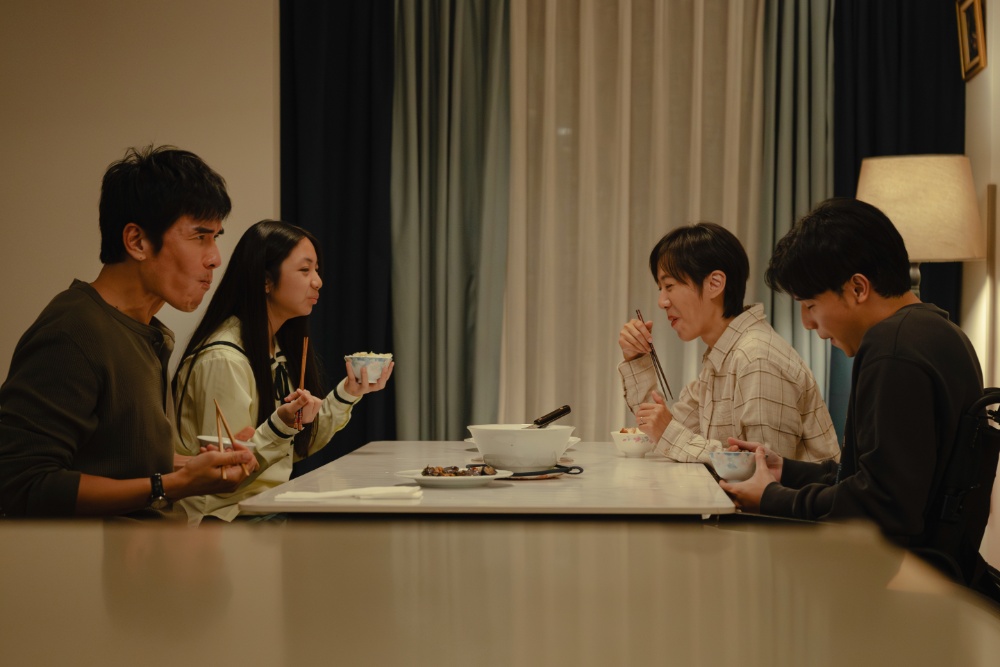
Lee Yun Chan’s first feature in 16 years is a quiet triumph. ‘To Be Ordinary’ is a compassionate Taiwanese family melodrama that follows one struggling family across more than a decade in the aftermath of a life-changing traffic accident.
The film opens with a high-speed crash that leaves a college student in a wheelchair for life. But that moment is only the starting point. Lee’s interest lies in what happens next – the slow, surprising ways an entire family is reshaped by the accident over the years that follow.
‘To Be Ordinary’ (Credits: Variety)
A family, not a thesis
What sets the film apart is its refusal to play the disability-drama clichés. Instead of centering only the young man, the narrative widens to take in everyone around him: marital strife between the parents, economic upheaval, coming-of-age pains and a brewing moral crisis. The script treats each member of this unhappy household with equal care and curiosity.
The director’s last feature was 2010’s ‘Dancing Without You,’ and this marks her fourth film overall. The long gap has done nothing to dull her instincts – the storytelling here is deliberate and enveloping, trusting small moments to carry big emotional weight.
A delicate, empathetic touch
There is a lot of story to wrangle across the film’s sprawling timeline, and Lee mostly holds it together with a delicate hand. The result is a family portrait that feels earned rather than engineered – compassionate without ever tipping into sentimentality, and even-handed toward characters who might have been easy villains in a lesser film.
For viewers who like their melodrama measured and humane, ‘To Be Ordinary’ is a standout.
Also Read: Sylvester Stallone Has ‘Millions of Regrets’ About Doing His Own Stunts
Source: Variety — read the full story there.