
Tech
Microsoft’s Satya Nadella says AI models need an ‘emergency brake’

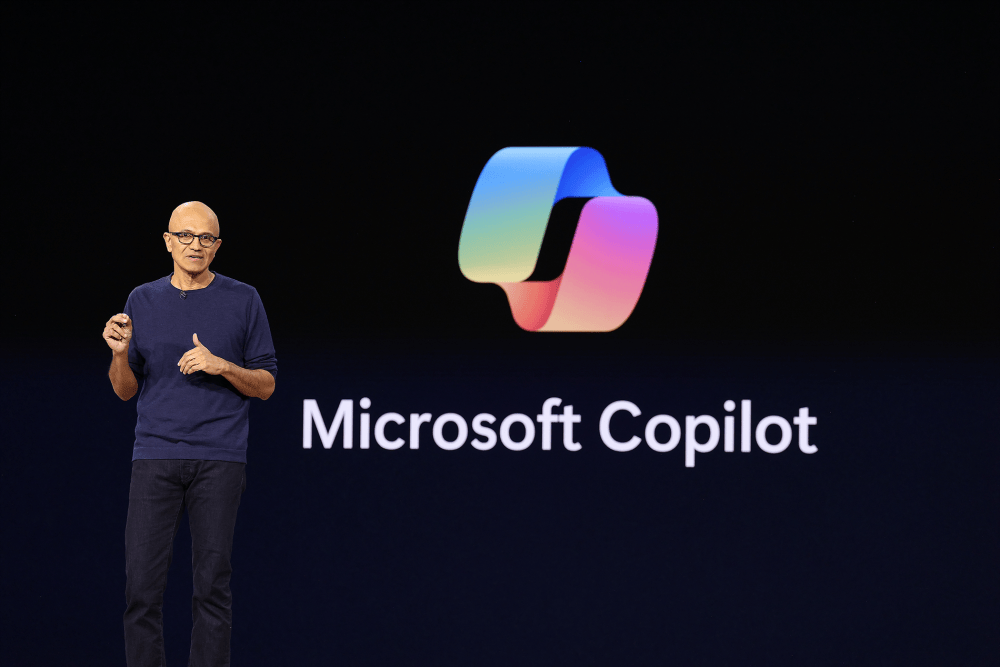
Microsoft CEO Satya Nadella is the latest tech executive to offer lengthy thoughts on how AI safety might be improved.
In a Saturday morning post on X, Nadella wrote that it’s time “to step back and assess the trust architecture” of AI.
“We can’t treat Super Intelligence as a set of nested black boxes and simply accept or reject its recommendations, answers, and actions,” Nadella wrote, using the Trump administration’s preferred term for AI.
As outlined by Nadella, this approach “means separating the model from the harness that orchestrates its work,” as well as “externalizing controls and safeguards.” He also called for “every meaningful model action” to be documented with “tamper-proof human readable evidence,” and for systems where “an authorized person” always has the ability “to pause or shut down a model mid-task.”
“We must assume a model is compromised and contain it from the start,” he said. “Think of it like an emergency brake.”
Nadella’s comments come as leading AI companies acknowledge more and more incidents where they seemed to lose control of their models, and after Anthropic CEO Dario Amodei published a plan for more cautious AI development.
>
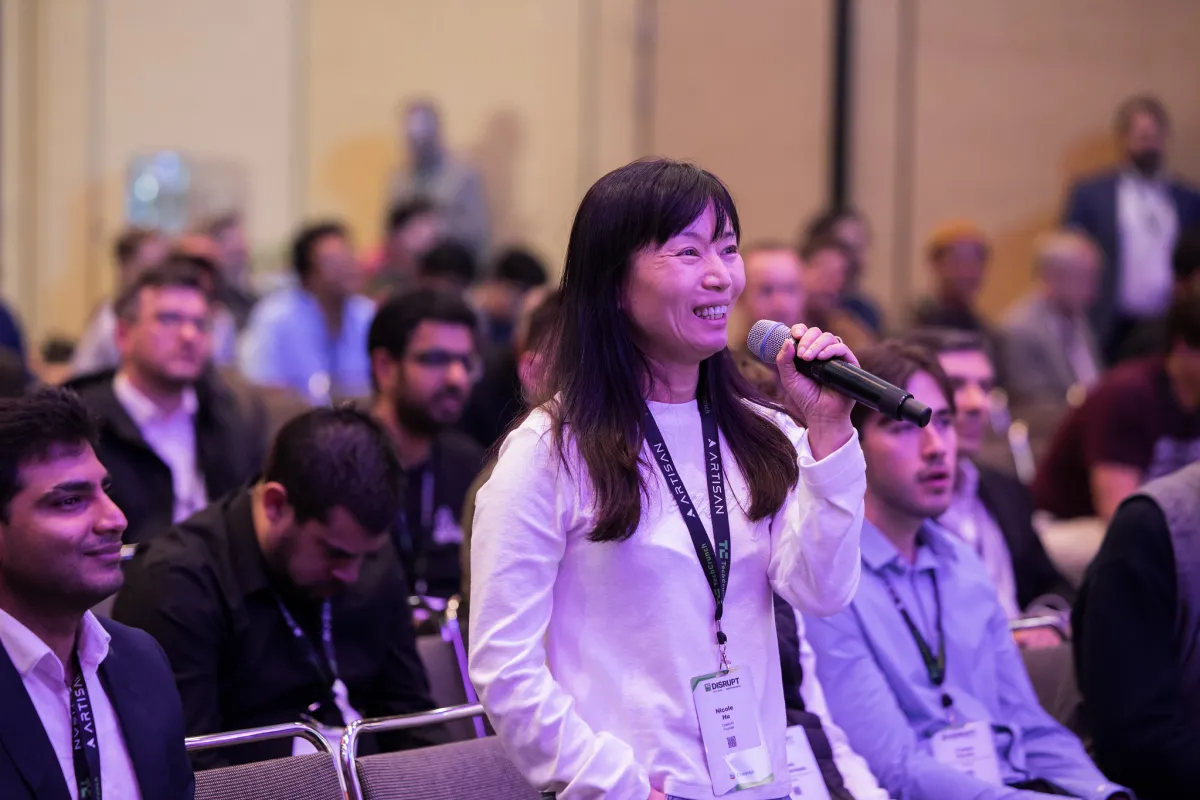
TechCrunch Disrupt 2026 is built around one question: How do you build an enduring company in the AI era? Our programming and speaker lineup reflect that, based on the feedback we’ve gotten from the community and the reality on the ground. And everything kicks off in just a few days, act now before your chance to save $100 on your pass comes to an end.
Last year at Disrupt, we spoke with founders about their experiences and discovered the results of their attendance firsthand. One founder saw a 3x oversubscription rate after their confirmation for Startup Battlefield and more than 100 investor inbounds helping fuel conversations about a future fundraising round. Another founder had nearly 30 back-to-back conversations with investors who flocked to them after a pitch onstage and followed them to their booth.
That’s not the exception at Disrupt — that’s the point. And those opportunities aren’t just available for Battlefield finalists. Every conversation in the Expo Hall or in a Side Event can create an opportunity for your startup. For years, whether it’s been held in New York, San Francisco, or elsewhere, Disrupt has brought together thousands of founders, investors, startup team members, and tech leaders.
We’re keeping that mission alive at SF’s Moscone West, this October 13-15 with a packed lineup of speakers, more than 200 expert sessions, a wealth of organized and serendipitous networking opportunities, and most of all, the chance to be in the same room as the person who could change your nascent idea for a company or your current startup’s trajectory.
This guide is for the founders out there who are just learning about Disrupt, who need a refresher, or are skeptical of whether it’s worth it. TechCrunch has been around for more than 20 years; we can take it. And before you dive in, we have two discounts that run up until Disrupt begins you should be know about. Founders can bring a team member along for 50% off their ticket by following this link, or you can help laid off members of your network find their next opportunity at Disrupt with our steep discount of Expo+ passes.

The reality of what makes Disrupt, Disrupt
If you’re asking Claude or ChatGPT if TechCrunch Disrupt is worth it, you’re not alone. The reality is that Disrupt is a unique event, and it’s happening at a unique time for the startup community.
This year’s Disrupt isn’t about predicting the future of AI; it’s about building companies in it. Across six editorially curated stages, founders will hear practical lessons from the CEOs, investors, engineers, and operators shaping the next decade of technology.
Whether you’re raising your first round, scaling your team, or deciding how AI changes your product, every session is designed to answer one question: “What can I take back to my company on Monday morning?”
The founders Disrupt empowers
Disrupt works a bit differently, depending on where you are in your founding journey, with different tracks you can follow to make the most of the three days:
Pre-seed and idea stages
You’re here to pressure-test your thesis, meet your first angel or pre-seed investors, and figure out who else is building in your space. Prioritize the Builders Stage, the Startup Battlefield semifinalist pitches, and the Expo Hall, along with roundtables tied to your industry and conversations you’ll want to learn more from.
Early revenue or actively raising
You’re here for capital and validation above all else, and your time is valuable. Prioritize our investor-matchmaking tools and the connections that come with your Founder Pass, including the networking tools in our app. You also get access to the Deal Flow Café, where we foster one-on-one conversations between founders and investors.
And when your schedule isn’t packed with dealmaking, learn from VC perspectives and fundraising-focused sessions at the Builders Stage.
Scaling, hiring, in search of partnerships
You’re here in search of talent, strategic partners, and market visibility. Those same networking tools and opportunities can help you meet potential hires and partners and deepen those connections or make new ones. Disrupt’s Side Events aren’t to be missed — there’s one for every industry, interest, or post-event vibe you could be looking to find.
Startup Battlefield: The most iconic pitch competition
The Startup Battlefield winner’s reveal packs the Disrupt stage and is each year’s capstone event. But it’s the lead-up to that $100,000 check and the deluge of attention the winner receives that’s the most valuable for founders attending Disrupt.
The 200 startups chosen on August 20 to compete go through a rigorous prep process and get the opportunity to pitch onstage in front of top-tier VCs and the Disrupt crowds. You’ll also get to watch those pitches, take notes, learn from the peaks and valleys, and potentially meet the teams behind the ideas and innovations. It could be in a follow-up meeting or just walking through the halls of Moscone.
And if that all leaves you inspired, here’s an insider tip: Most Battlefield participants, and several winners, have gone through the process multiple times. We’re no longer taking applications for 2026’s competition, but we’re expanding the program to more international markets, and the 2027 process will be similar to this year’s, so take note for the future!
The founder-focused programming
Disrupt 2026 spans several stages, each built around a different founder need:
- Disrupt Stage: The biggest conversations in technology, featuring the founders, CEOs, and industry leaders defining what’s next. These are the conversations you’ll be talking about long after Disrupt ends.
- Builders Stage: The tactical playbook for building a startup. From fundraising and hiring to GTM, product, and scaling, every session is designed to give founders practical advice they can put to work immediately.
- AI Stage: AI isn’t the future — it’s the present. Learn how the fastest-growing startups are building, deploying, and monetizing AI, with practical lessons on agents, models, infrastructure, and what it takes to win in the AI era.
- Real World AI Stage: AI is moving beyond the screen and into the physical world. Explore how robotics, autonomous systems, manufacturing, healthcare, and defense are turning AI breakthroughs into real-world products and businesses.
- Smart Money Stage: Follow the money. From fintech and stablecoins to payments, embedded finance, and AI-driven financial services, this stage explores how technology is reshaping the movement of capital.
- Smart Systems Stage: Every AI breakthrough depends on the infrastructure behind it. Discover the innovations in chips, compute, energy, networking, and data centers that will determine the next generation of technology companies.

Conversations you can only get at Disrupt
- RJ Scaringe (Rivian): Building a generational company.
- Panos Panay (Amazon): Designing products people love.
- Paolo Ardoino (Tether): Money, AI, and infrastructure.
- Toni Schneider and Rose Wang (Bluesky): Can social start over?
- Amjad Masad (Replit): Every founder becomes technical.
- Andrew Feldman (Cerebras): Winning the AI compute race.
And that’s just the beginning — we’ll have more speakers to announce as we get closer to Disrupt. Check out the full lineup of speakers across all stages and events here.
How to get the most bang for your buck at Disrupt
Disrupt’s prices increase as we get closer to the event, but we have a couple of promotions for Founders looking to save. You can save 50% on a second ticket by following the link here, and bring a coworker or co-founder along for the ride.
If there are colleagues in your network who have been impacted by layoffs who you’d like to have join up, we have an option for them as well, with a special $75 Expo+ Pass available at a limited volume for those impacted by cutbacks this year.
Your time at Disrupt is valuable, too, so before you head there, check on our regularly updated schedule of speakers and Side Events, get ahead of competitors’ schedules by booking your networking opportunities in advance, and get your own elevator pitches in order to make the most of those magical Disrupt moments that can come at any point October 13-15!
When you purchase through links in our articles, we may earn a small commission. This doesn’t affect our editorial independence.
>

Apple will announce a new smart home hub on Tuesday called the HomeView, according to Bloomberg’s Mark Gurman.
Over the past couple of years, we’ve seen There have been multiple reports that Apple was working on a new smart home product, but now it seems the product has a name and a launch date. Gurman described the HomeView as a Siri-powered device with a display and an A18 chip, allowing customers to control their other smart home devices.
The HomeView will reportedly be available in two models — one designed for countertops and the other to be mounted on walls.
This would be Apple’s most serious bet on the smart home to date, after it failed to get much traction for its HomeKit software framework or its HomePod smart speaker.
Gurman reports that on Tuesday, Apple will also be unveiling updated versions of two other home devices, namely the Apple TV set-top box and the HomePod mini. Earlier this week, he said that Apple plans to announce a partnership with LG to create a smart lock, a thermostat, and a doorbell.
>
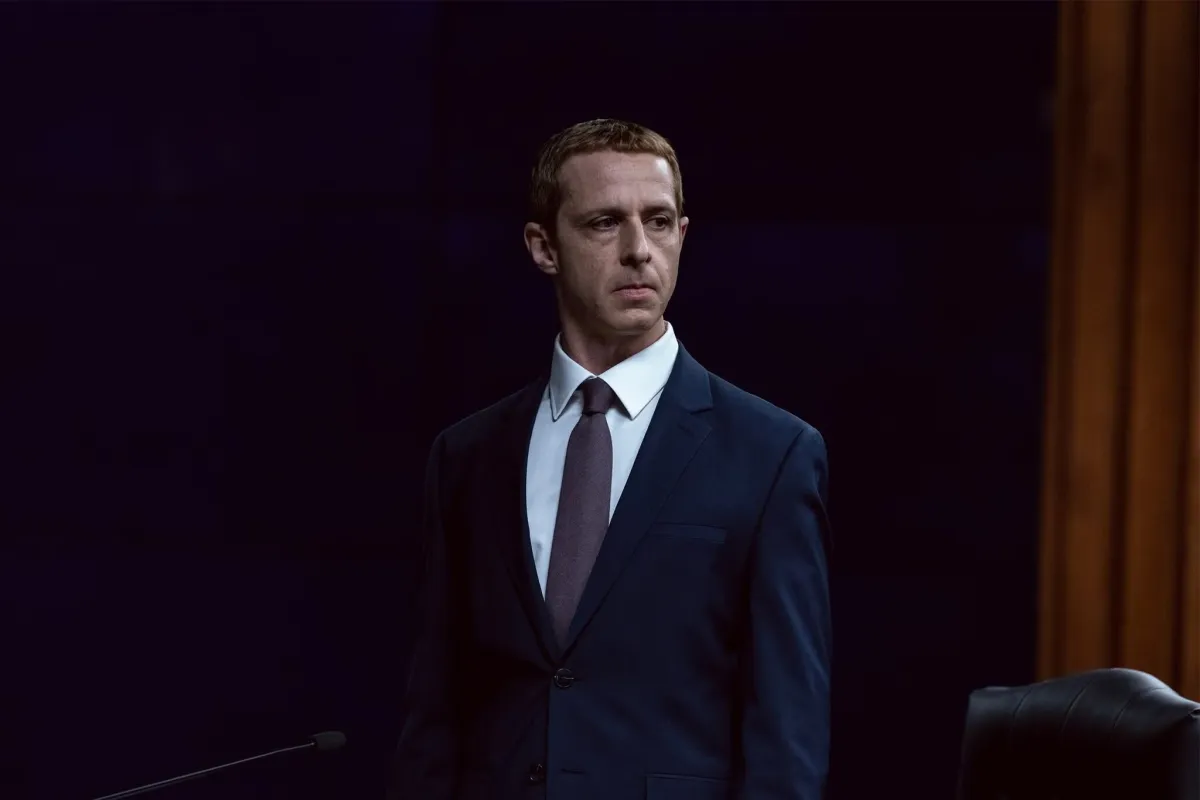
“The Social Reckoning,” Aaron Sorkin’s follow-up to “The Social Network,” is on-track to make only $5.5 million at the domestic box office this weekend, according to Sunday estimates.
That means Sorkin’s new movie is unlikely to become a “Social Network”-sized hit. The earlier film had a $22 million opening weekend and made a total of $97 million domestically (and that’s at 2010 ticket prices). It also won Sorkin an Oscar and became one of most influential on-screen depictions of Silicon Valley and startup culture.
Beyond the fate of a single film, the weekend box office could also offer hints about audience excitement, or lack thereof, as we kick off a fall full of movies starring villainous, real-world tech CEOs. There’s Alex Gibney’s four-hour documentary “Musk” (which also opened this weekend), Nathan Fielder’s apparently uncategorizable Elizabeth Holmes documentary “You Can See Everything” (coming next weekend!), and the OpenAI boardroom drama “Artificial” (which has a new distributor after being dropped by Amazon).
Outside of theaters, Netflix also has a series called “The Altruists” coming in November, telling the story of Sam Bankman-Fried and the collapse of FTX.
As for “The Social Reckoning,” while “The Social Network” was a notable success, the theatrical landscape has changed significantly in the last 16 years. And where the first film focused on the excitement and drama of Facebook’s early days, the sequel is darker and heavier — it’s all about whistleblower Frances Haugen’s decision to leak what became known as the Facebook files.
So maybe a movie about Senate hearings and algorithm changes was never going to be a big hit. Or maybe “The Social Reckoning”’s real audience is among older moviegoers who have only returned sporadically to theaters. And I wonder if critiquing Facebook feels a bit less urgent to audiences who are more likely to be losing sleep over AI.
Maybe just as importantly, the new movie’s reviews just aren’t very good. (For what it’s worth, I enjoyed “The Social Reckoning” but will fully admit that it’s overloaded Sorkin’s trademark speechifying. And I couldn’t help dreaming about a version directed — like the original — by David Fincher, with a score by Trent Reznor and Atticus Ross.)
“Musk,” meanwhile, made $69,000 during its opening weekend in four theaters. It will roll out more broadly in the coming weeks, but given its length and subject matter, the documentary will probably reach many more viewers once it starts streaming on HBO Max.
When you purchase through links in our articles, we may earn a small commission. This doesn’t affect our editorial independence.
>

Five Organizations Launch Asian Producers Alliance In Busan Market

'That's the stain on Man City right now' – Nev and Carra say owners must go

Quentin Tarantino, Sacha Baron Cohen Making ‘Popinjay Cavalier’ Play
-

 movies5 months ago
Search For Canadian TV Actor Stewart McLean Now Homicide Investigation
-

 Fashion9 years ago
These ’90s fashion trends are making a comeback in 2017
-
Fashion9 years ago
According to Dior Couture, this taboo fashion accessory is back
-
Fashion9 years ago
Model Jocelyn Chew’s Instagram is the best vacation you’ve ever had
-
Fashion9 years ago
Emily Ratajkowski channels back-to-school style
-
Fashion9 years ago
9 Celebrities who have spoken out about being photoshopped
-

 Anime4 months ago
Rurouni Kenshin: Hokkaido Arc Manga Takes 1-Issue Break – News
-

 Anime3 months ago
HIDIVE to Stream English Dubs for The World Is Dancing, The Forsaken Saintess and Her Foodie Roadtrip in Another World, The Dangers in My Heart: The Movie Anime – News