
 By
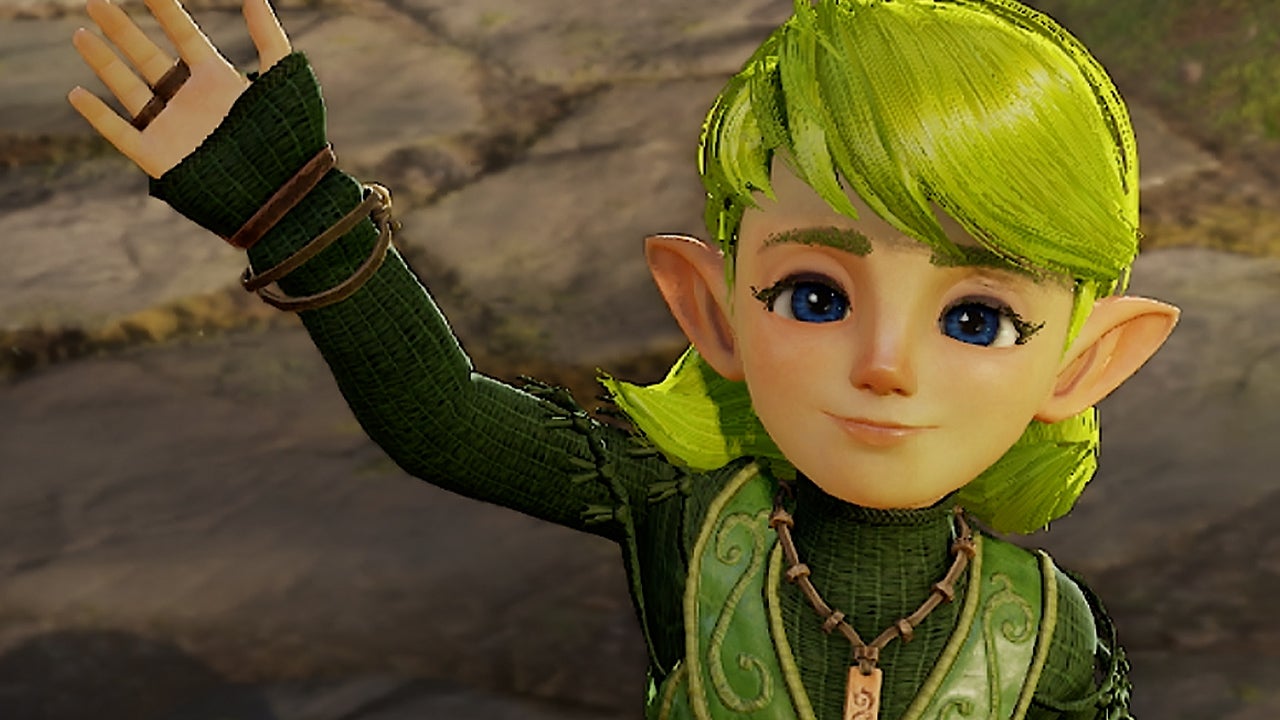
By IGN’s Logan Plant has gone hands-on with the The Legend of Zelda: Ocarina of Time remake for Nintendo Switch 2, and the verdict is clear: this is far more than a fresh coat of paint. After more than an hour of play, Plant catalogued 29 notable changes versus the 1998 N64 original — from reworked puzzles and spiced-up miniboss fights to richer conversations across Hyrule.
The remake launches on November 5, and the changes Plant spotted span Kokiri Forest, the Great Deku Tree, Hyrule Field, Castle Town, and the Forest Temple — with some tweaks so thorough they alter how dungeons actually flow.
Ocarina of Time remake changes (Credits: IGN)
Puzzles Rebuilt for Modern Controls
The most consistent theme across the changes is logic. The remake goes out of its way to teach players how items work through clear, recognizable targets rather than obscure interactions. Inside the Great Deku Tree, for instance, Skulltulas no longer show their weak spot by whim — hitting them with your sword spins them around and exposes it, an approach the article describes as earned rather than unearned openings.
Traversal has been streamlined too. A new elevator appears in the Forest Temple so you don’t have to repeat block-pushing and ladder climbs on return visits, and guard rails prevent tricks that were only possible because the original lacked a free jump button. Castle Town ditches its fixed camera angles entirely for full third-person control, letting Link stroll seamlessly from the town gate to the Temple of Time.
Quality-of-life upgrades abound: a quest log guides players with flavor text written like old legends, an ocarina songbook reminds you of button prompts mid-performance, Din’s Fire now casts in real time instead of freezing the world, and the hookshot reticle turns from blue to red when it’s lined up on a valid target.
Tougher Minibosses and a Smarter Temple
The Forest Temple got some of the boldest surgery. The final two Poe encounters were remixed: the sliding-block puzzle lost its time limit but gained a trickier decoy block, and the last Poe fight now includes an entirely new cutscene with each round playing out differently instead of repeating the same pattern three times.
Floormasters — those ceiling-stalking hand enemies — are now telegraphed by a spotlight that changes color before the swoop. An arena that once had a gravity hole swapped in a shallow pool of acid, keeping the same logic (the skeleton foes walk through it unharmed; Link takes damage) with construction that actually makes sense. Even the mansion’s colored Poe wings are now easier to tell apart, with red carpeting and stained glass on one side and blue on the other.
A Hyrule That Talks Back
Characters have noticeably more to say. Link’s friends feel like they know him better, the Kokiri shopkeeper has history with Mido, and Castle Town villagers react with curiosity to the mysterious forest boy. New dialogue choices echo Link’s snarkier tone from Breath of the Wild and Tears of the Kingdom.
Small delights are everywhere: the wallet starts at 200 rupees instead of 99, a scarecrow dummy outside the shop runs a defense tutorial, a new blonde NPC warns Link not to blow his money at the market, and the inventory screen reveals a fifth empty bottle slot where the original had four. The score, meanwhile, was recorded by real musicians — from the bright Kokiri Forest theme to the adventurous Hyrule Field tune.
With just over three weeks until launch, these details paint a picture of a remake that respects its source while refusing to be precious about it. Every room was on the table.
Also Read: Zelda: Ocarina of Time Switch 2 Remake Overview Trailer Reveals Hall of Fallen Foes, Launches November 5 | Nintendo Drops Ocarina of Time Overview Trailer, Opens Pre-Orders for November 5 Switch 2 Launch
Source: IGN — read the full story there.